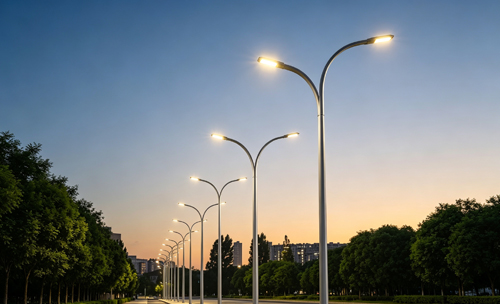
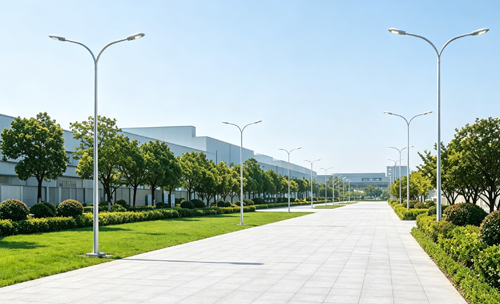
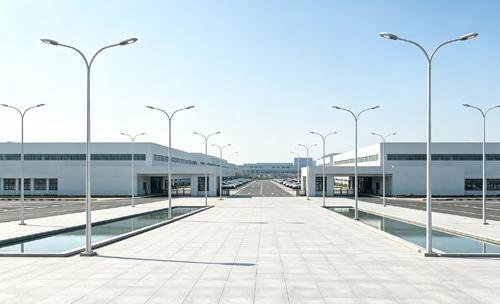
A light pole is a vertical structure designed to support one or more lighting fixtures above the ground. It is widely used on roads, highways, parking lots, parks, residential streets, industrial facilities and other outdoor areas.
Although a light pole may appear to be a simple steel structure, its design directly affects lighting coverage, structural safety and long-term maintenance. Buyers must consider pole height, material, shape, wall thickness, surface treatment, mounting method and local wind conditions.
As an outdoor lighting manufacturer, Phoebus Lighting produces different pole configurations for road lighting, public infrastructure, landscape projects and smart city applications. Understanding the main pole types and specifications can help buyers select a suitable solution for each project.
What Are the Main Parts of a Light Pole?
A complete light pole generally includes several structural and installation components.
Pole Shaft
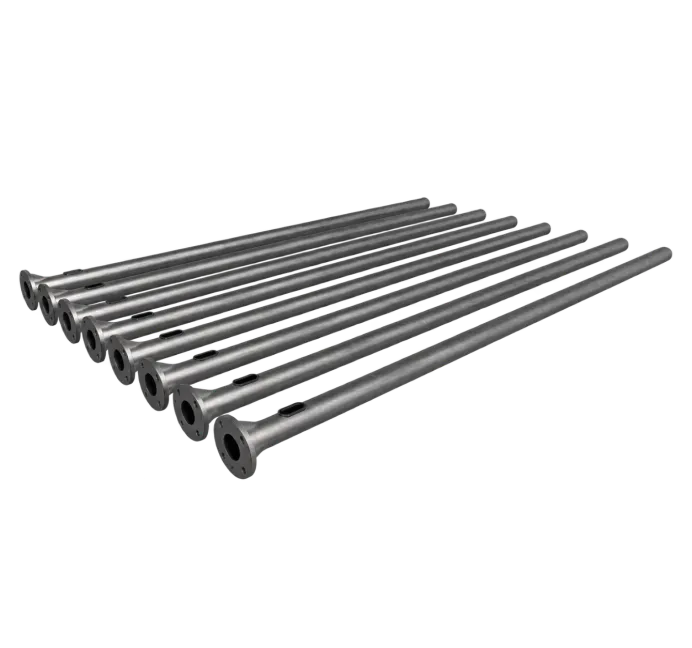
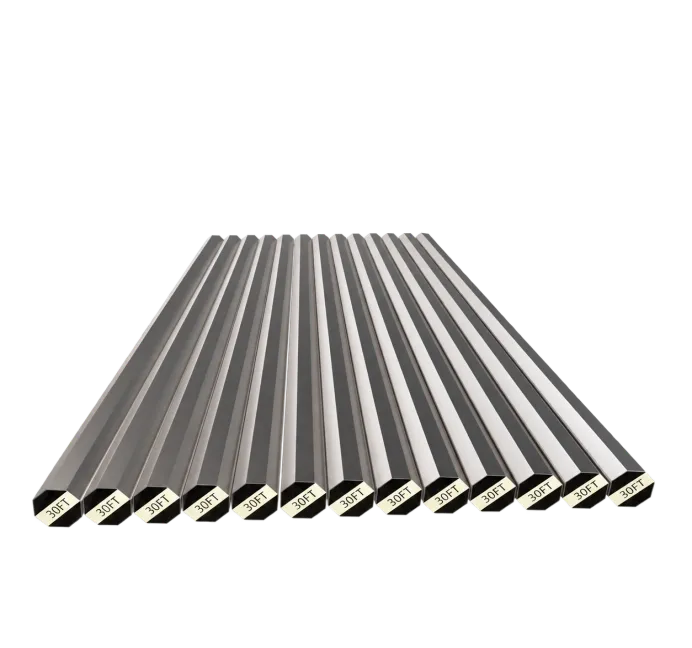
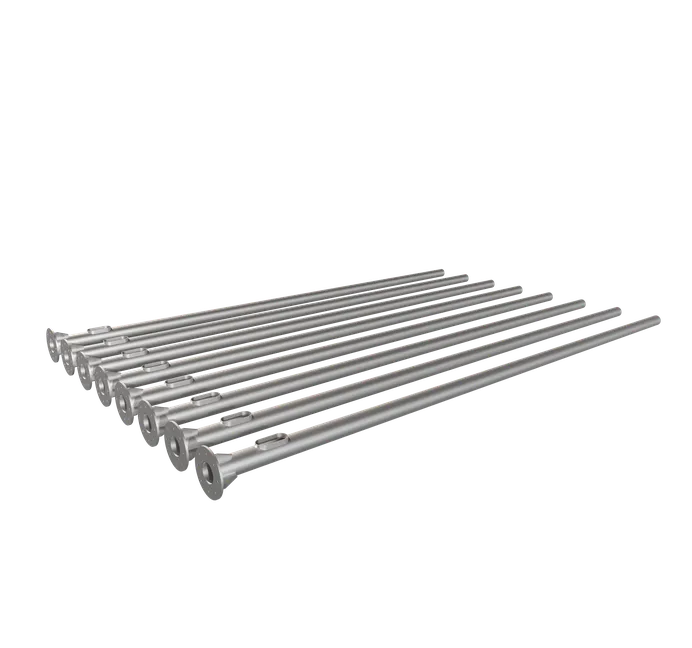
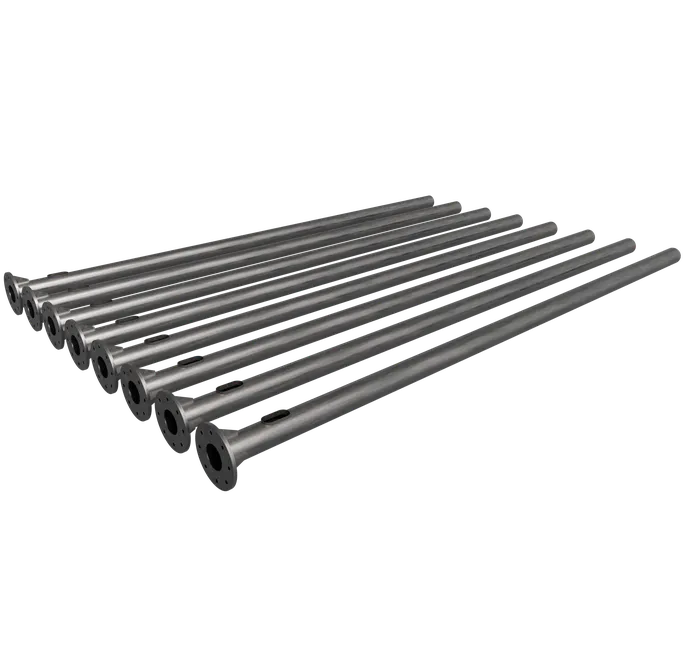
The shaft is the main vertical section of the pole. It may be manufactured in a round conical, octagonal, square or decorative shape.
The shaft must support the weight of the luminaire and withstand wind pressure. Its strength depends on the steel grade, wall thickness, diameter and pole height.
Lighting Arm
The lighting arm connects the luminaire to the pole. Common configurations include:
· Straight arm
· Curved arm
· Single arm
· Double arm
· Multiple-arm bracket
The arm length and angle affect the position of the luminaire and the direction of the light.
Base Plate
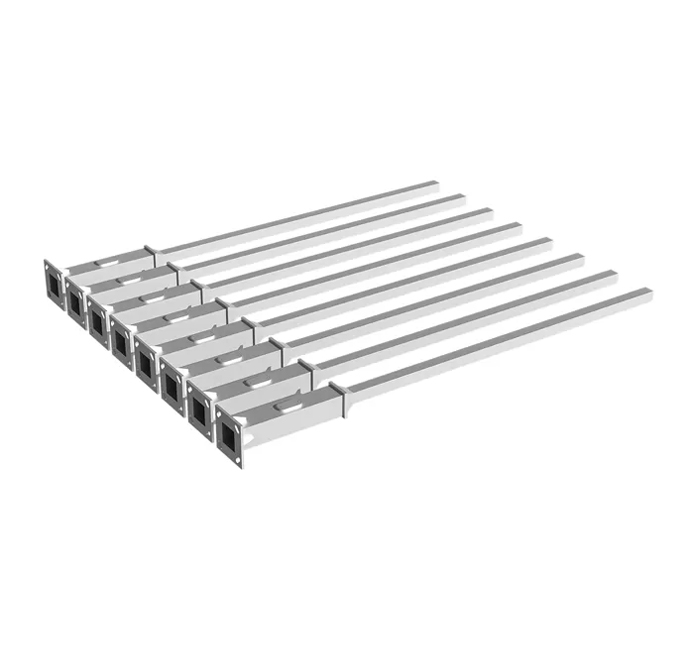
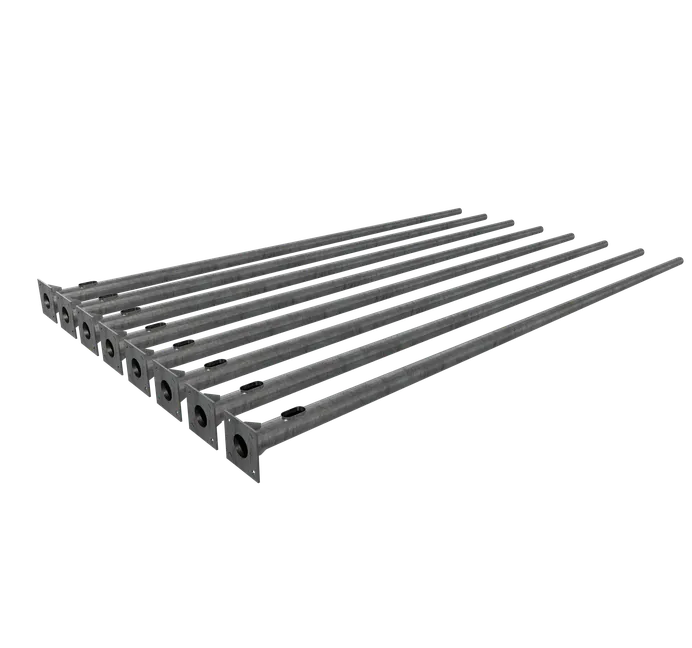
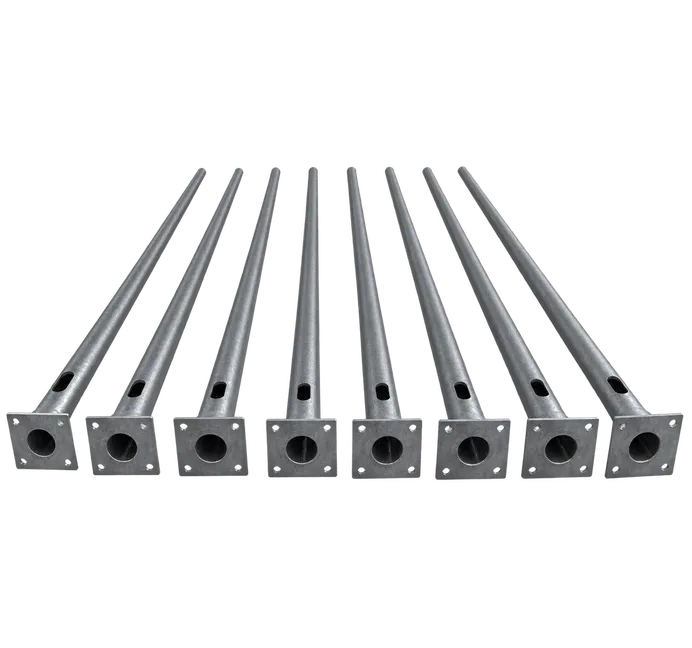
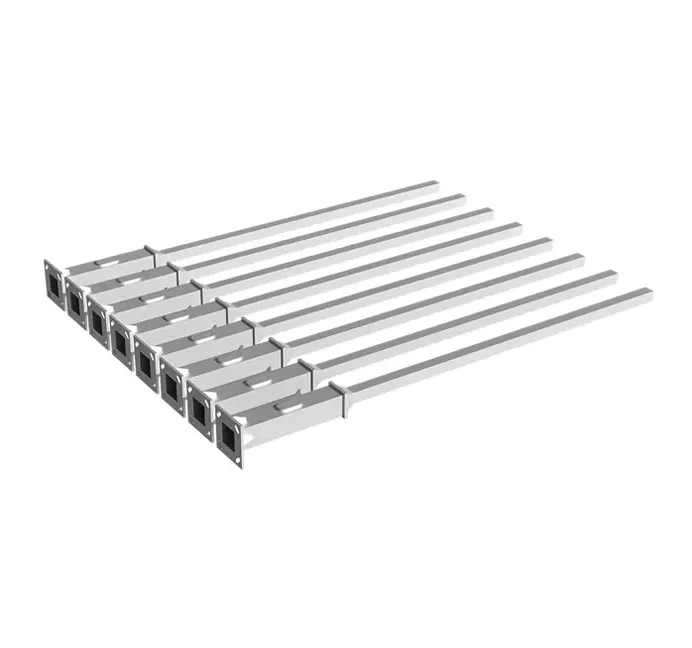
The base plate is welded to the bottom of a flange-mounted pole. It connects the pole to the concrete foundation through anchor bolts.
The base plate dimensions must match the pole load, wind conditions and anchor bolt arrangement.
Access Door
The access door allows technicians to reach electrical cables, terminal blocks and protection devices inside the pole.
It should be positioned at a practical maintenance height and include suitable reinforcement and locking components.
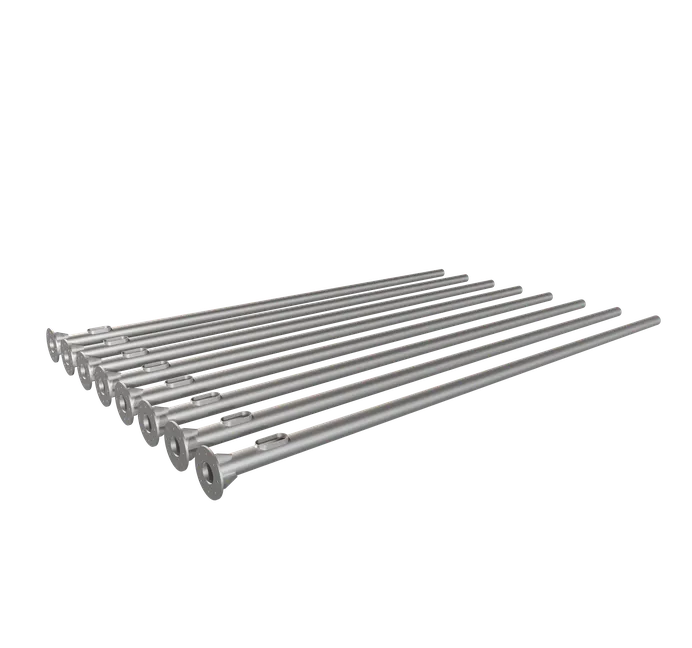
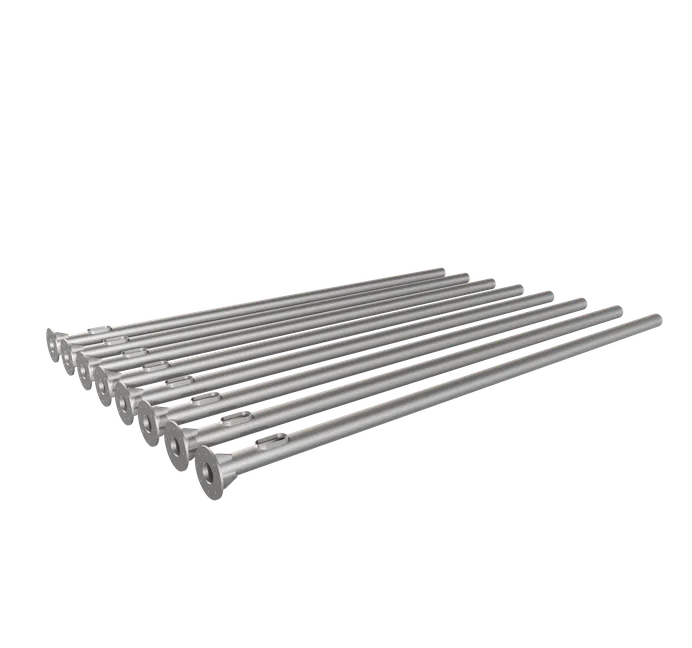
Anchor Bolts
Anchor bolts secure the pole to the foundation. Their diameter, length and bolt circle must match the base plate drawing.
These parts should be confirmed before foundation construction begins.
Common Types of Light Poles
Different projects require different pole structures. Buyers should compare the available light pole types according to the installation environment and lighting purpose.
Street Light Poles
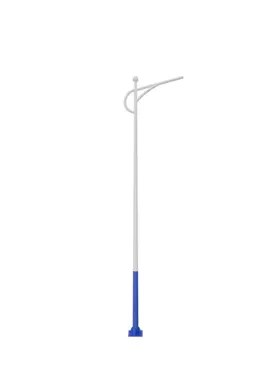
A street light pole is designed for roads, highways, residential streets and public traffic areas.
Common heights range from approximately 6 metres to 15 metres. Shorter poles are generally used on community roads, while taller poles are suitable for wider streets and major traffic routes.
Street lighting poles may use single-arm or double-arm brackets. Double-arm poles are often installed on road medians to illuminate both sides.
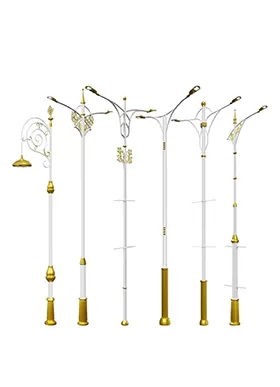
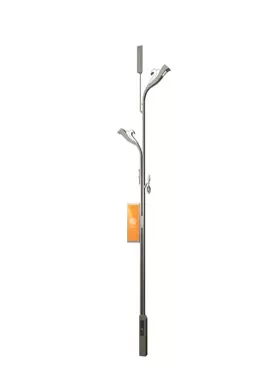
Decorative Light Poles
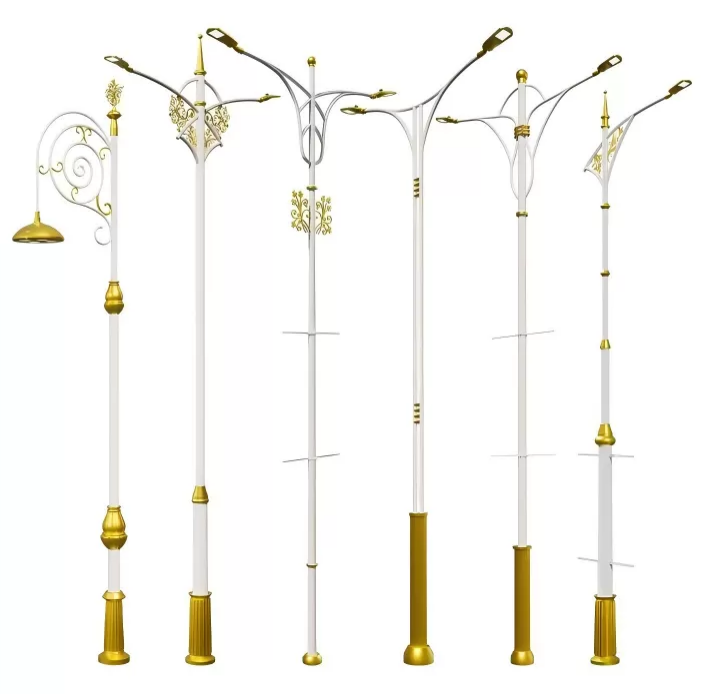
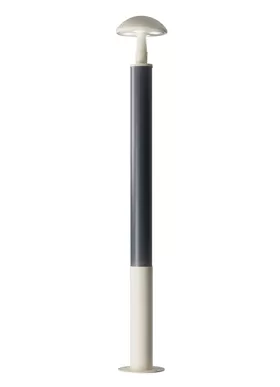
A decorative light pole combines lighting performance with architectural appearance.
It is commonly used in:
· Parks
· Squares
· Residential developments
· Commercial streets
· Resorts
· Landscape projects
Decorative poles may include customised colours, ornamental brackets and specially designed bases. Appearance is important, but the pole must still meet the required wind-load and structural standards.
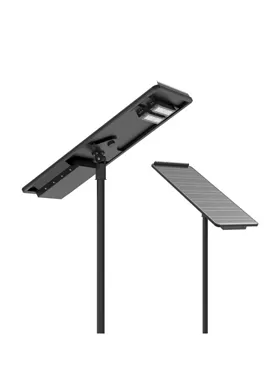
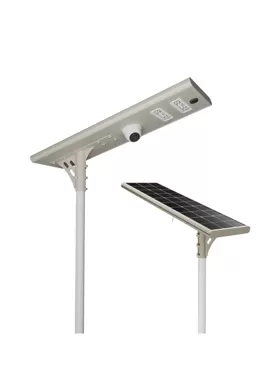
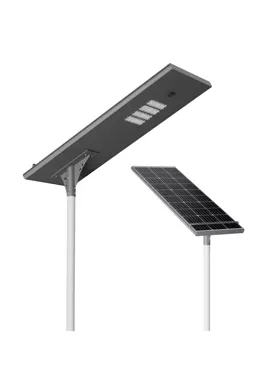
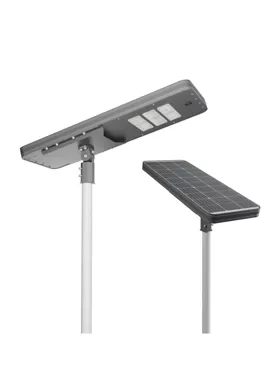
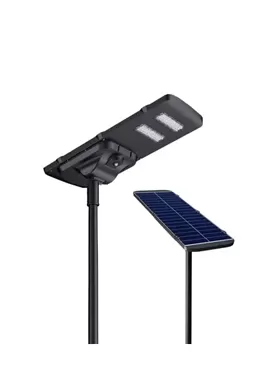
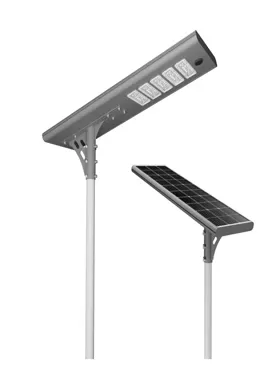
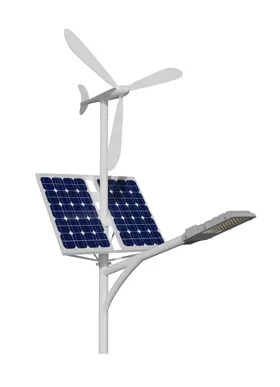
Solar Light Poles
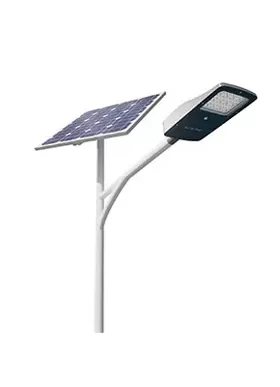
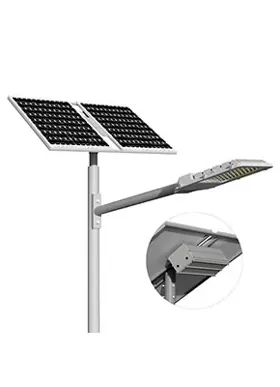
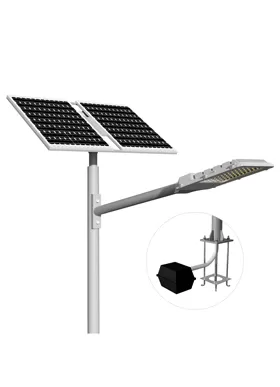
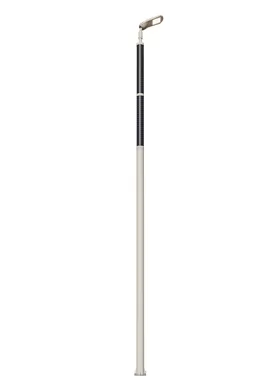
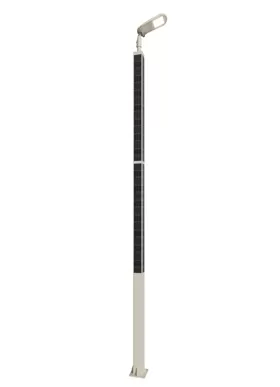
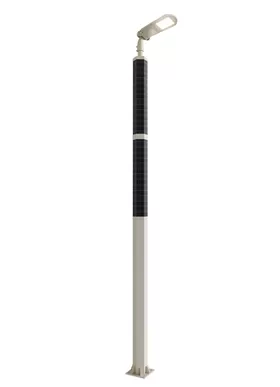
Solar lighting poles support luminaires together with solar panels, batteries or other solar components.
Compared with conventional poles, solar poles may carry a larger wind-exposed area because of the solar panel. The pole diameter, wall thickness and foundation must therefore be designed according to the complete solar lighting system.
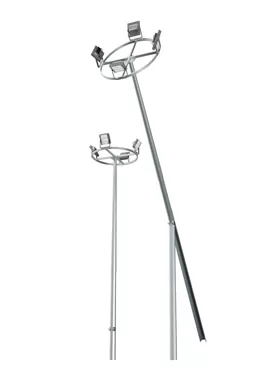
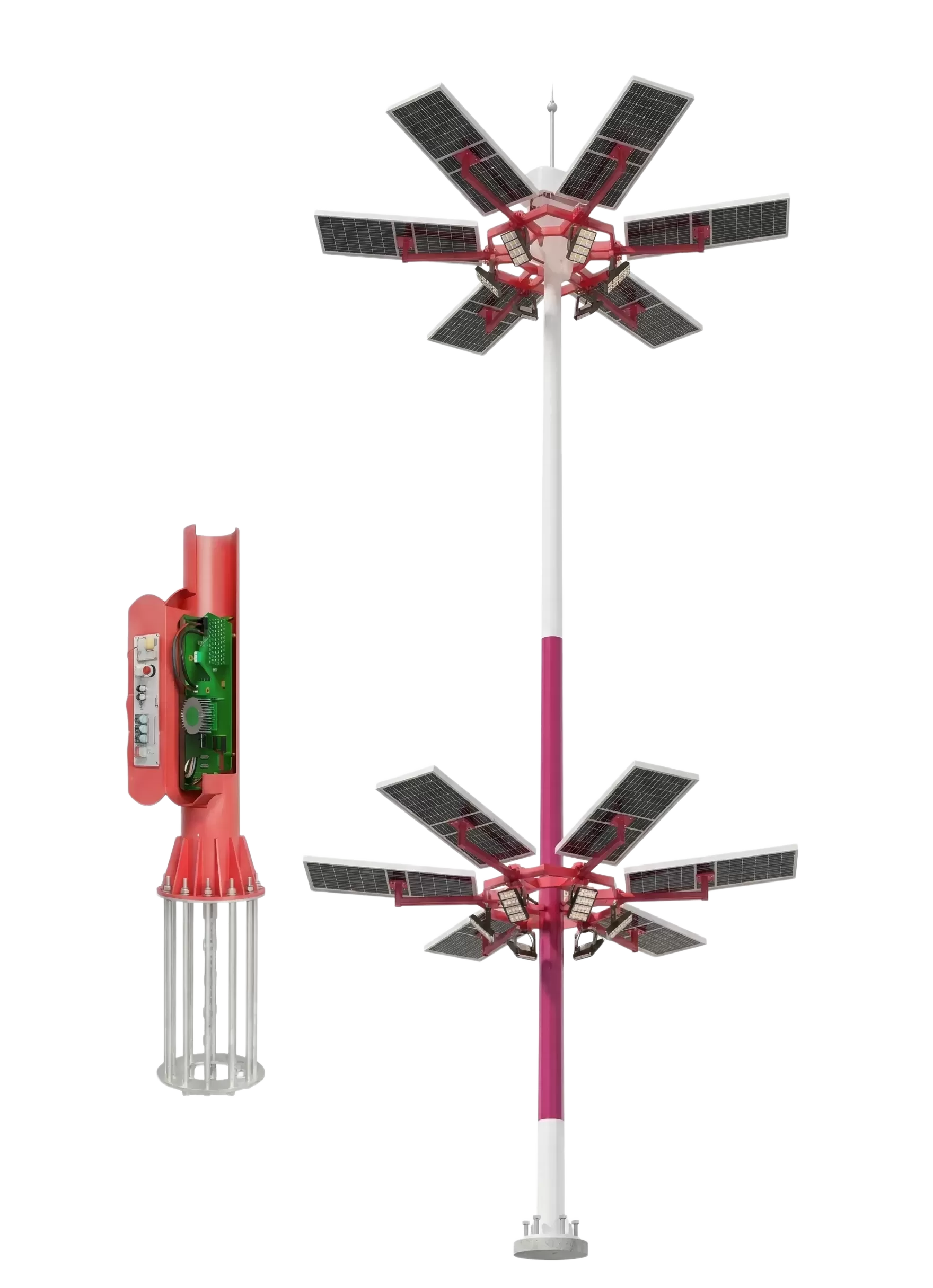
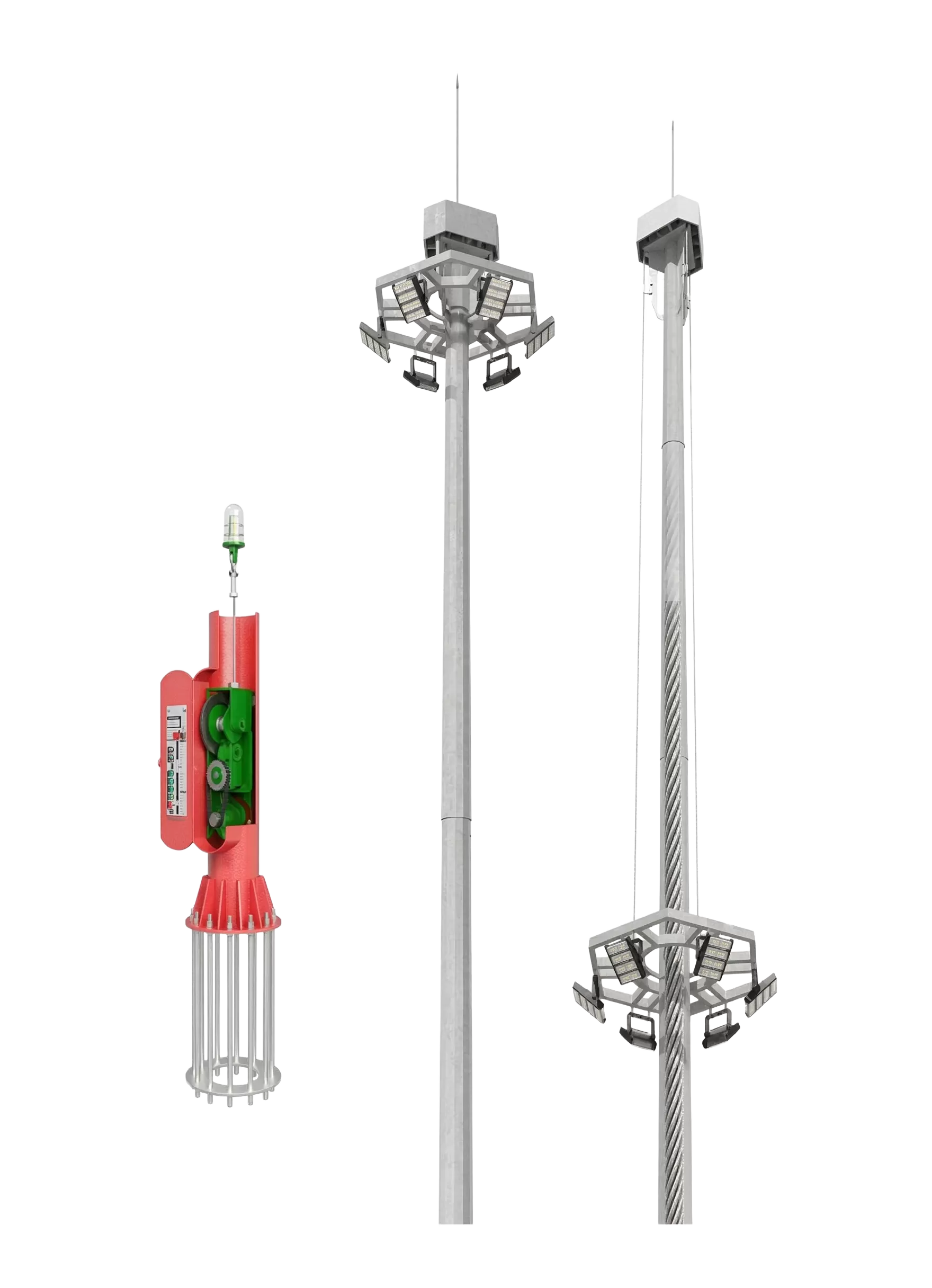
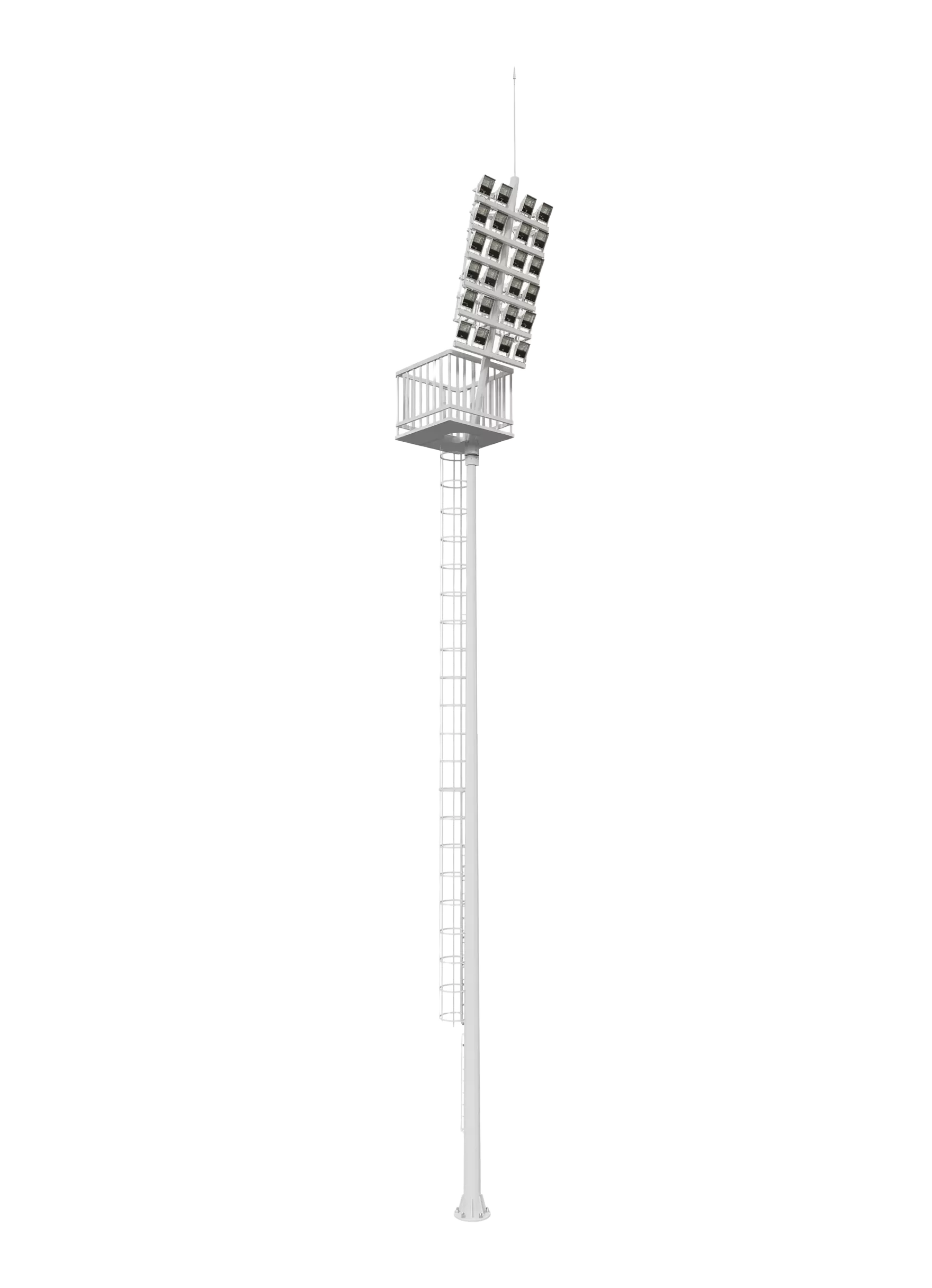
High Mast Poles
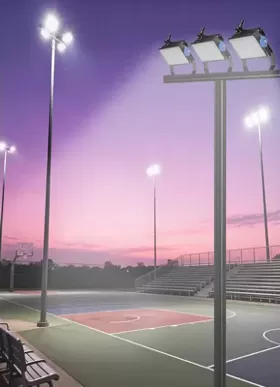
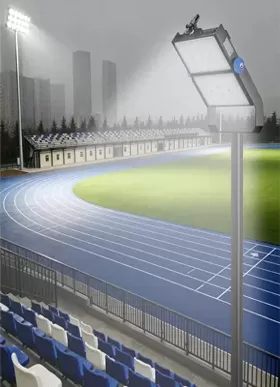
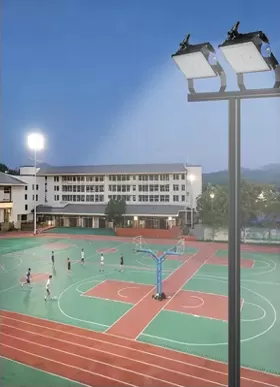
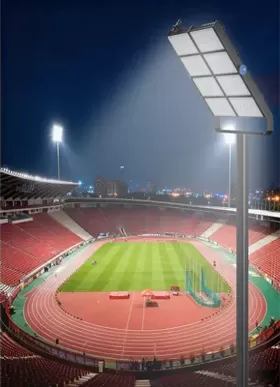
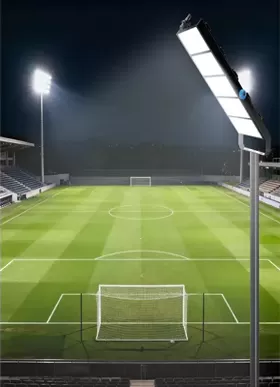
High mast poles are much taller than standard road lighting poles. They are generally used in ports, airports, large intersections, stadiums, logistics centres and industrial areas.
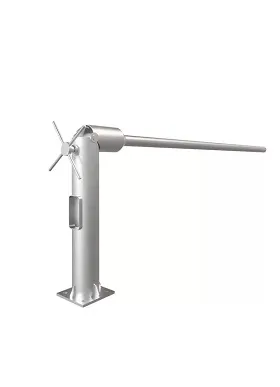
A high mast system may support several luminaires on a lifting frame. Its foundation, raising mechanism and structural design require specialised engineering.
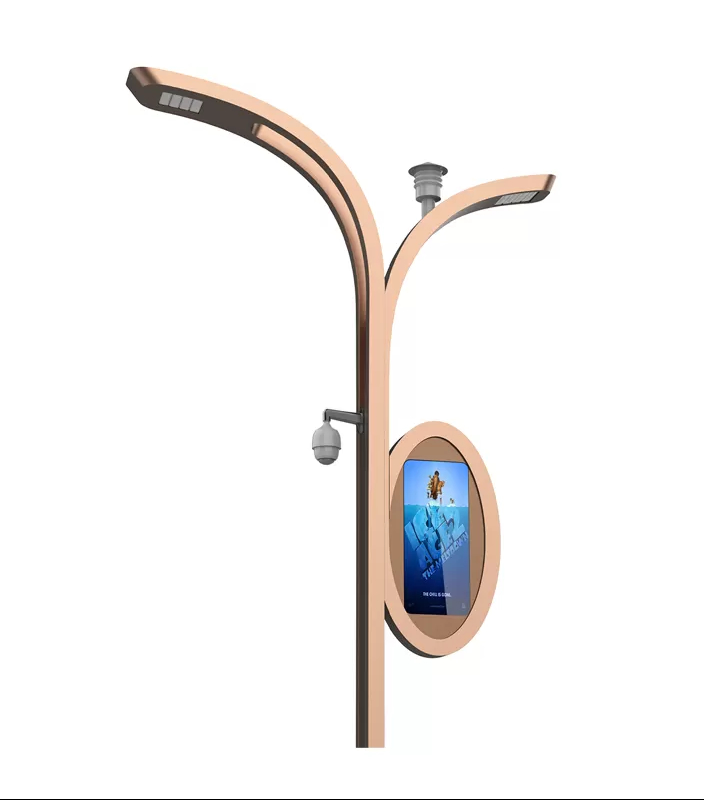
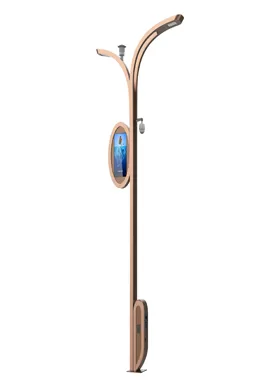
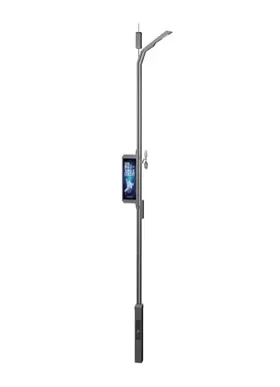
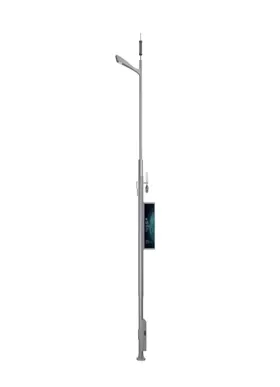
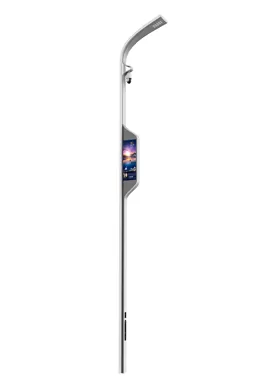
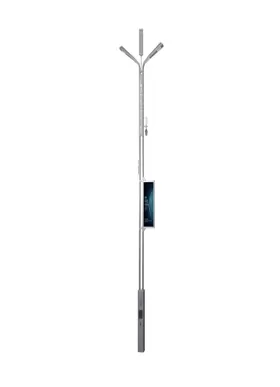
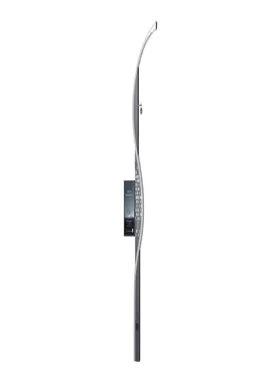
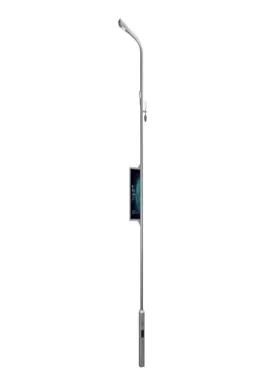
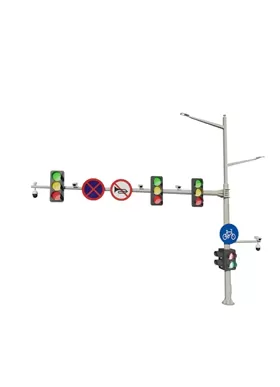
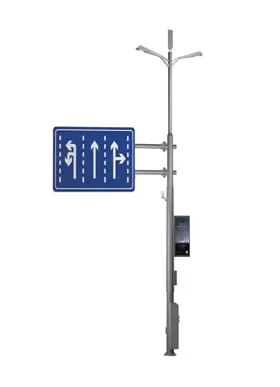
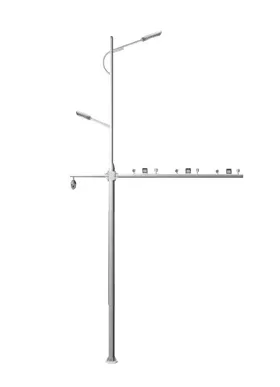
Smart Poles
A smart pole integrates lighting with additional urban equipment.
Depending on the project, a smart pole may support:
· CCTV cameras
· Environmental sensors
· Public Wi-Fi
· LED displays
· Emergency call devices
· Communication equipment
· EV charging systems
Because these devices add weight and wind load, smart poles require more complex structural and electrical planning than standard lighting poles.
Where Are Light Poles Commonly Used?
Light poles are used in many outdoor environments, but each application has different technical requirements.
Roads and Highways
Road lighting poles must provide suitable illumination for drivers and pedestrians. Pole height, spacing and arm length should be coordinated with road width and luminaire distribution.
Parking Lots
Parking area poles normally need broad and uniform light coverage. Single poles may support several luminaires to reduce the number of foundations.
Parks and Public Spaces
Parks and pedestrian areas often use shorter poles with decorative designs. Visual comfort, appearance and glare control are especially important.
Industrial Facilities
Industrial sites may require stronger poles, brighter luminaires and corrosion-resistant finishes. Dust, chemicals and heavy vehicle activity should be considered during product selection.
Residential Developments
Residential streets usually use medium or low-height poles. The lighting should improve visibility without creating excessive glare for nearby homes.
Smart City Projects
Smart city projects use multifunctional poles to combine lighting, data collection, monitoring and public services in one structure.
Phoebus Lighting can customise pole height, shape, bracket configuration and equipment mounting positions according to different application requirements.
Key Light Pole Specifications Buyers Should Confirm
A complete specification helps the manufacturer provide an accurate design and quotation.
Pole Height
Pole height affects lighting coverage, spacing and foundation size. Common heights include 6 metres, 8 metres, 10 metres, 12 metres and 15 metres.
Steel Grade
Q235 and Q345 are commonly used structural steel grades. The appropriate material depends on pole height, loading conditions and project standards.
Wall Thickness
Wall thickness affects pole strength and weight. It should be calculated according to wind speed, fixture load and pole dimensions rather than selected arbitrarily.
Top and Bottom Diameter
Pole diameter influences structural stability. Taller poles normally require a larger bottom diameter.
Pole Shape
Common options include:
· Round conical
· Octagonal
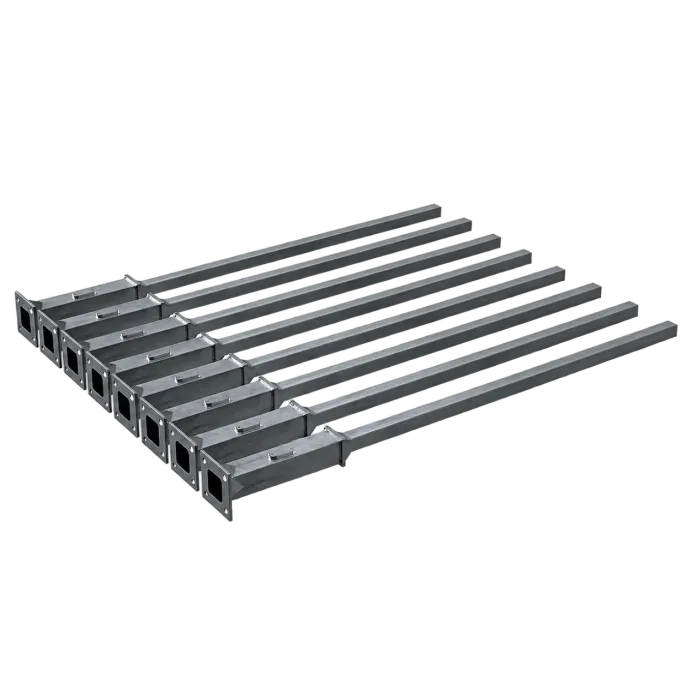
· Square
· Decorative
· Customised shapes
The shape affects appearance, manufacturing and accessory installation.
Surface Treatment
Hot dip galvanized pole is widely used to protect steel poles against corrosion. Powder coating may be added when the project requires a specific colour or decorative finish.
For coastal, humid or industrial environments, buyers should confirm the required coating standard and corrosion resistance.
Wind Resistance
The manufacturer needs the local basic wind speed to calculate the pole structure. Solar panels, cameras and displays must also be included because they increase the wind-exposed area.
Base Plate and Anchor Bolts
Buyers should confirm:
· Base plate dimensions
· Anchor bolt quantity
· Bolt diameter and length
· Bolt circle
· Foundation requirements
The pole drawing should be approved before civil work begins.
How to Select a Suitable Light Pole
The selection process should begin with the lighting application rather than the pole appearance.
Buyers should first identify:
1. Installation location
2. Road or site width
3. Required lighting level
4. Luminaire quantity and weight
5. Required pole height
6. Local wind speed
7. Preferred pole shape
8. Surface treatment
9. Mounted accessories
10. Applicable project standards
For standard road projects, a galvanised steel pole may be sufficient. For parks or commercial spaces, a decorative powder-coated design may be more suitable. Smart city projects require additional space for cables, controllers and communication devices.
Providing complete project information allows the manufacturer to recommend an appropriate structure and avoid unnecessary material costs.
FAQs
What material is commonly used for light poles?
Structural steel is widely used because it provides good strength, fabrication flexibility and cost efficiency. Aluminium and other materials may also be used for specific projects.
What is the standard height of a light pole?
There is no single standard height. Road lighting poles commonly range from 6 metres to 12 metres, while high mast systems can be much taller.
What is the difference between a light pole and a lamp post?
The terms are often used interchangeably. "Light pole" is more common in technical and infrastructure projects, while "lamp post" may refer to decorative or residential lighting structures.
Should outdoor light poles be galvanized?
Hot-dip galvanizing is recommended for many outdoor steel poles because it protects the material against corrosion and reduces maintenance requirements.
Can light poles be customised?
Yes. Pole height, diameter, shape, wall thickness, arm design, colour and surface treatment can be customised according to project requirements. Phoebus Lighting provides high-quality custom solar light & poles.
Can a light pole support cameras or solar panels?
Yes, but the additional equipment weight and wind area must be included in the structural and foundation calculations.
Conclusion
A light pole is an essential structural component of an outdoor lighting system. Its design influences lighting coverage, installation safety, corrosion resistance and long-term operation.
Buyers should evaluate the pole type, application, height, material, wall thickness, surface finish and wind resistance before placing an order. The foundation and anchor bolt arrangement should also be confirmed before installation.
By providing complete project conditions, buyers can work with Phoebus Lighting to develop suitable pole specifications for roads, parks, parking lots, industrial areas and smart city projects.

 English
  français
  Deutsch
  Español
  русский
  português
  العربية
  Afrikaans
  עברי
עברי  Latinae
  Pilipino