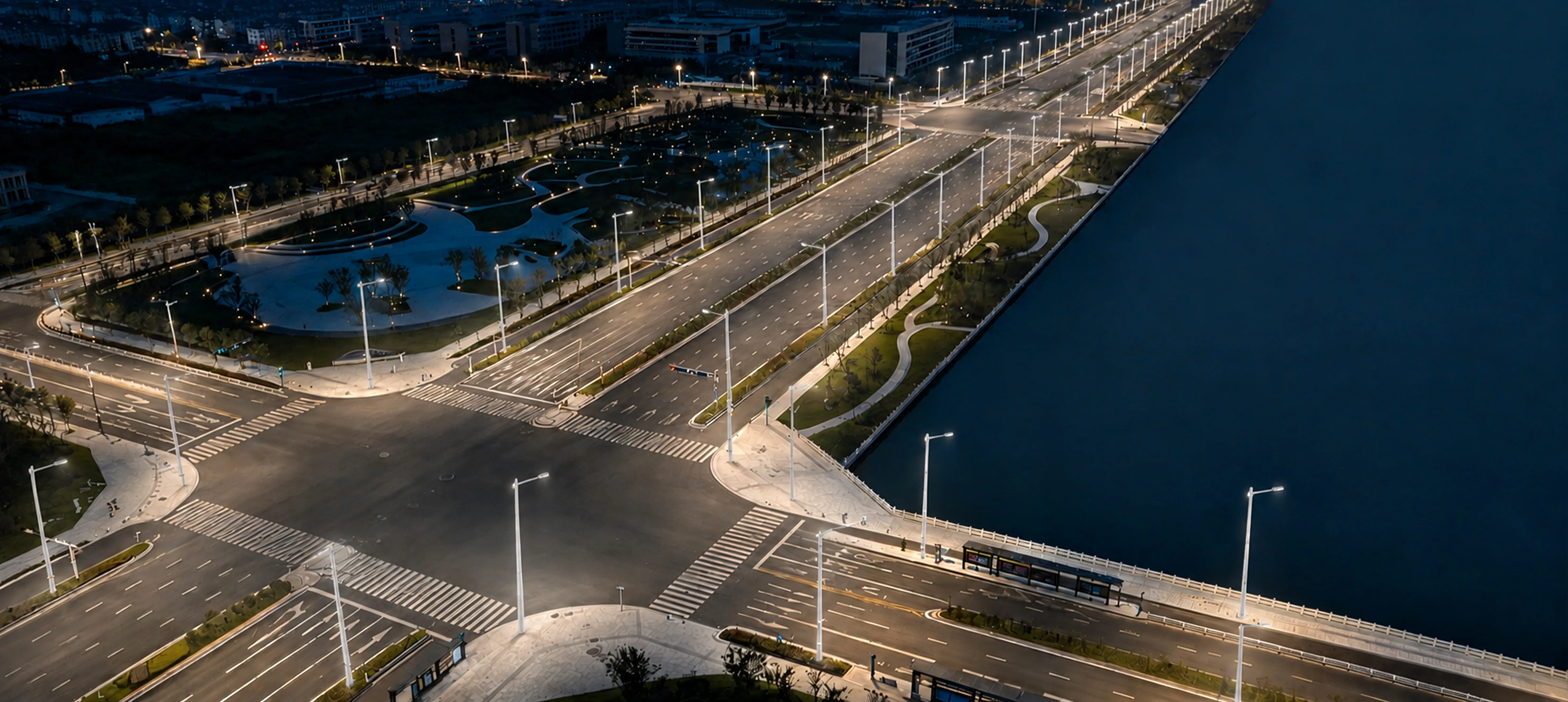
Municipal buyers must balance road safety, energy use, construction conditions, long-term operation and project delivery before selecting specific lights and poles.
Main roads, secondary roads, intersections, sidewalks and public areas need appropriate brightness, distribution and pole spacing. Poor uniformity, glare or dark zones can reduce visibility for drivers, cyclists and pedestrians.
Municipal projects often cover hundreds or thousands of lighting points. Efficient LED or solar systems, scheduled dimming, remote monitoring and fault alarms can help control electricity and routine inspection costs.
Road width, grid access, wind conditions, foundation work, corrosion exposure, installation equipment, spare parts and phased delivery all affect whether the lighting system can be installed and maintained as planned.
Match the lighting system to the road class, power conditions, required coverage, management method and tender specification instead of selecting products by wattage alone.
| Project Condition | Recommended Municipal Lighting System | Why It Fits | What Buyers Should Send |
|---|---|---|---|
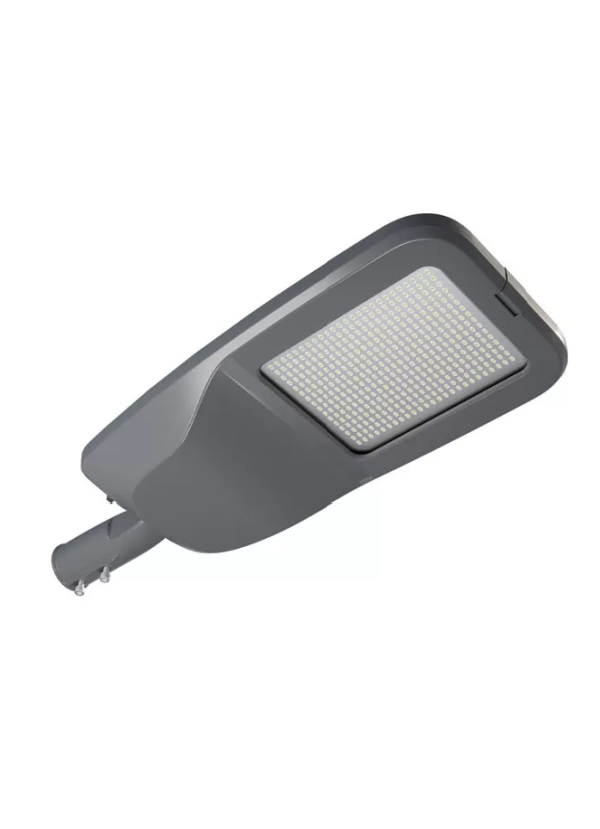
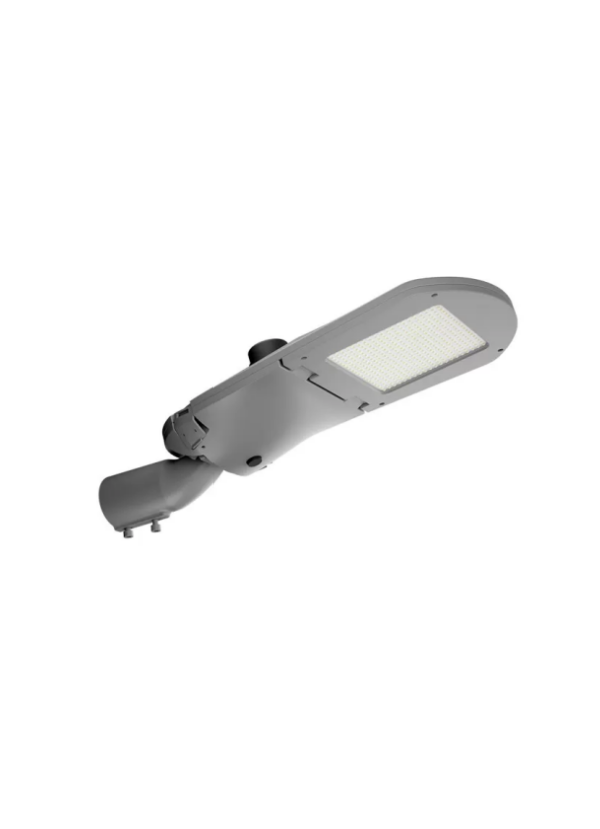
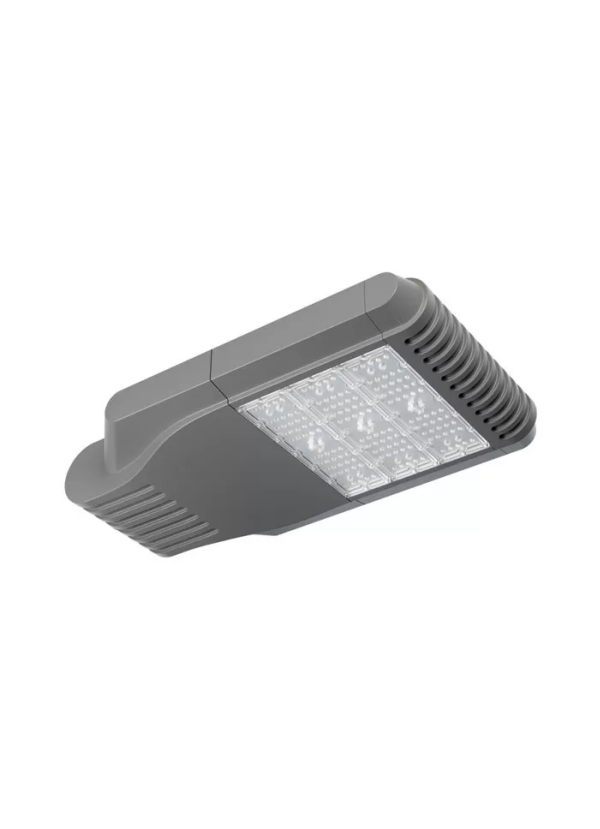
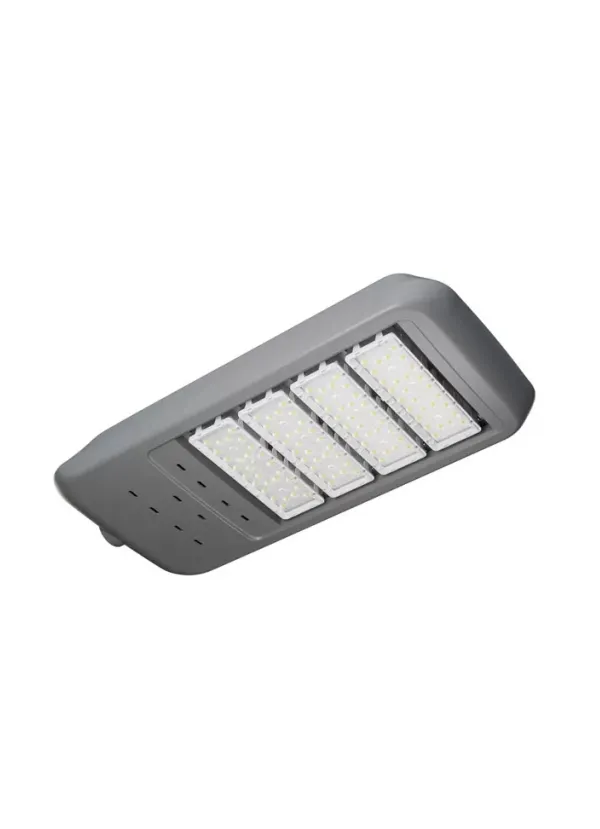
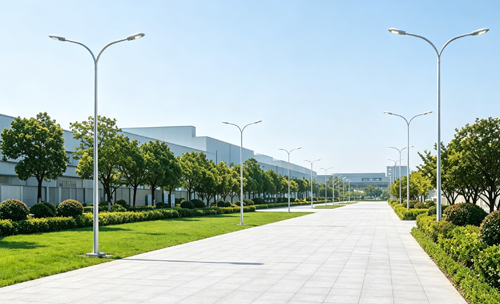
| Urban main or secondary roads with grid power | Grid LED municipal street lighting system | Supports continuous road illumination, project-specific light distribution and centralized electrical design for established municipal networks. | Road class, road width, lane layout, pole spacing, mounting height, target lux or local standard and quantity. |
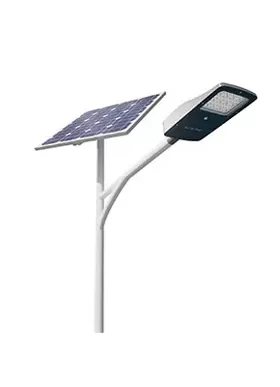
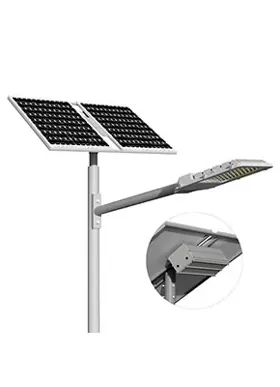
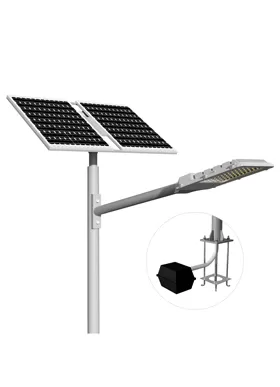
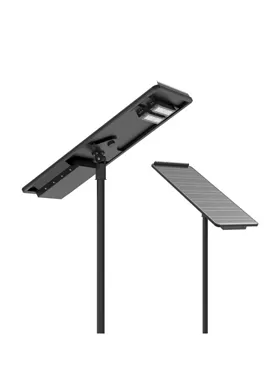
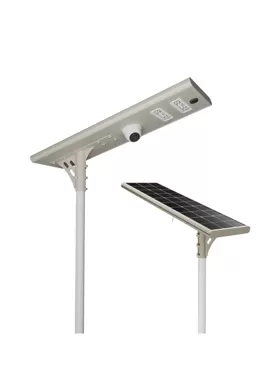
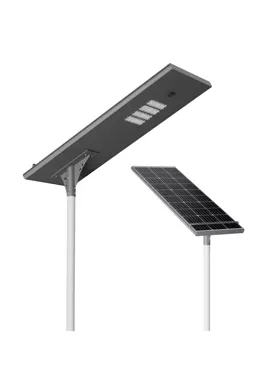
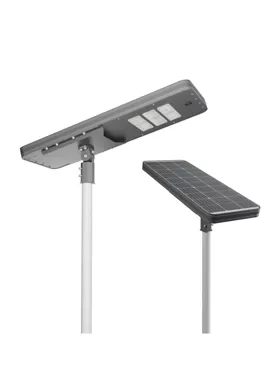
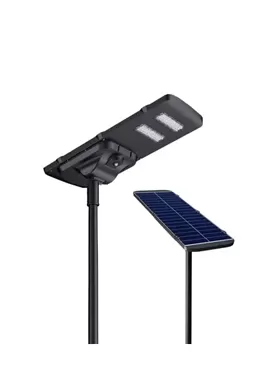
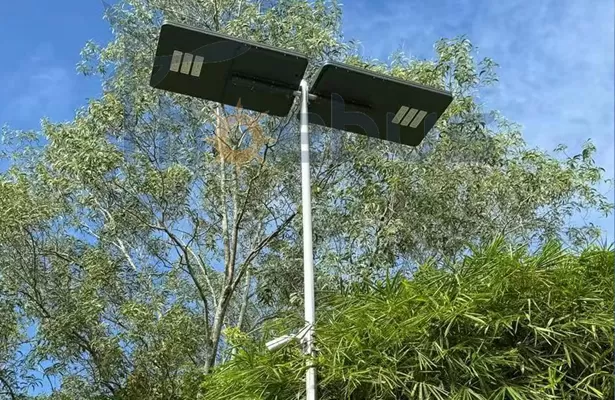
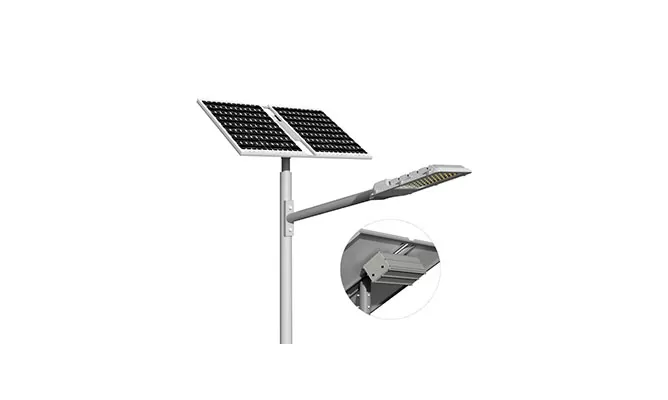
| Suburban roads or new districts with difficult trenching | Solar municipal street lighting system | Reduces dependence on cable trenching and grid extension while allowing independent lighting points to be deployed along dispersed roads. | Installation location, solar conditions, required lighting hours, backup days, road width, pole height and seasonal weather information. |
| Need remote dimming, status monitoring or fault alarms | IoT smart municipal lighting system | Enables centralized control, operating-status visibility and maintenance response for large lighting networks or smart city upgrades. | Control platform requirement, communication method, dimming schedule, sensor needs, system interfaces and number of lighting points. |
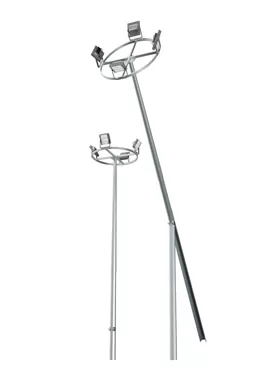
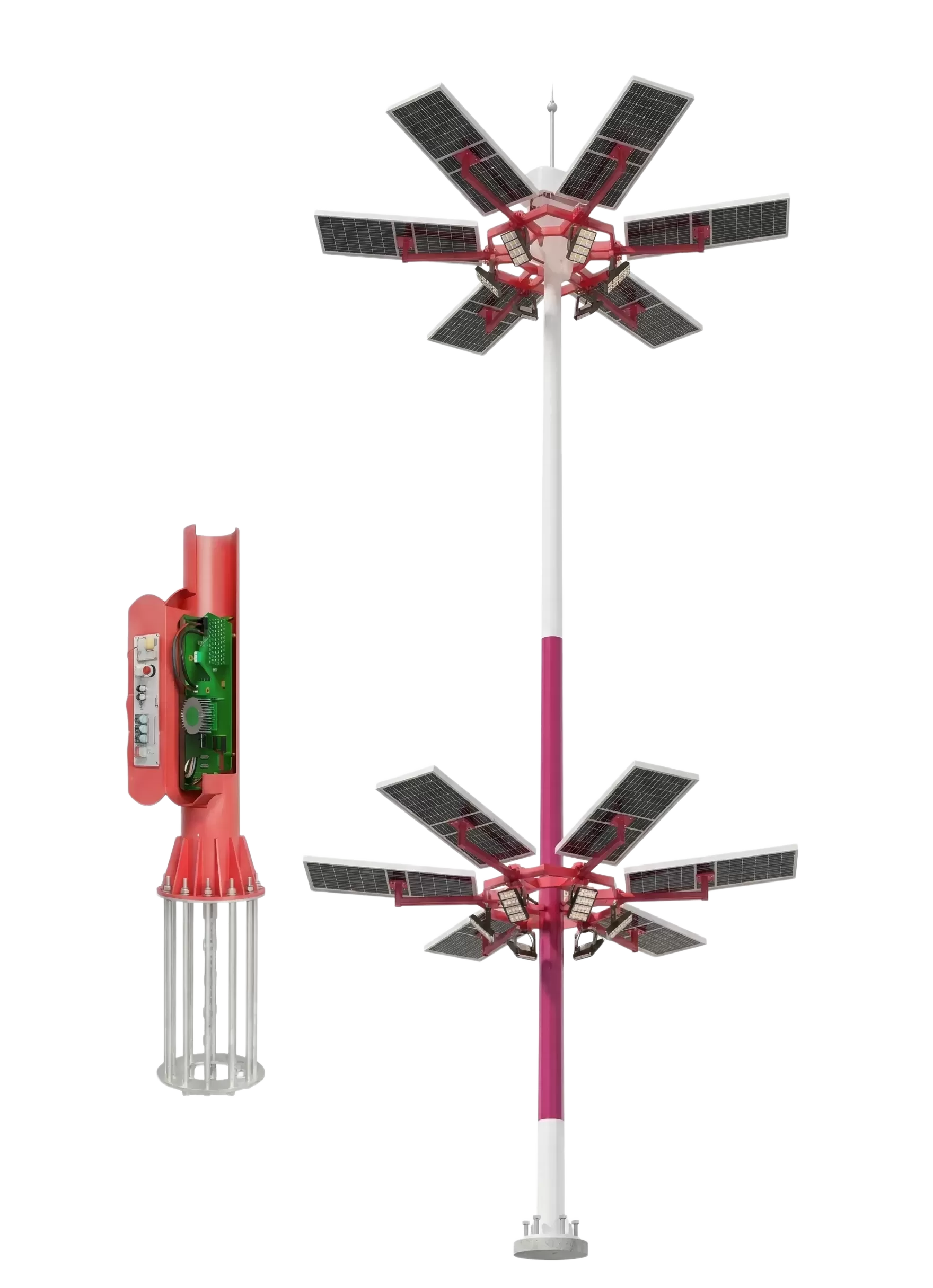
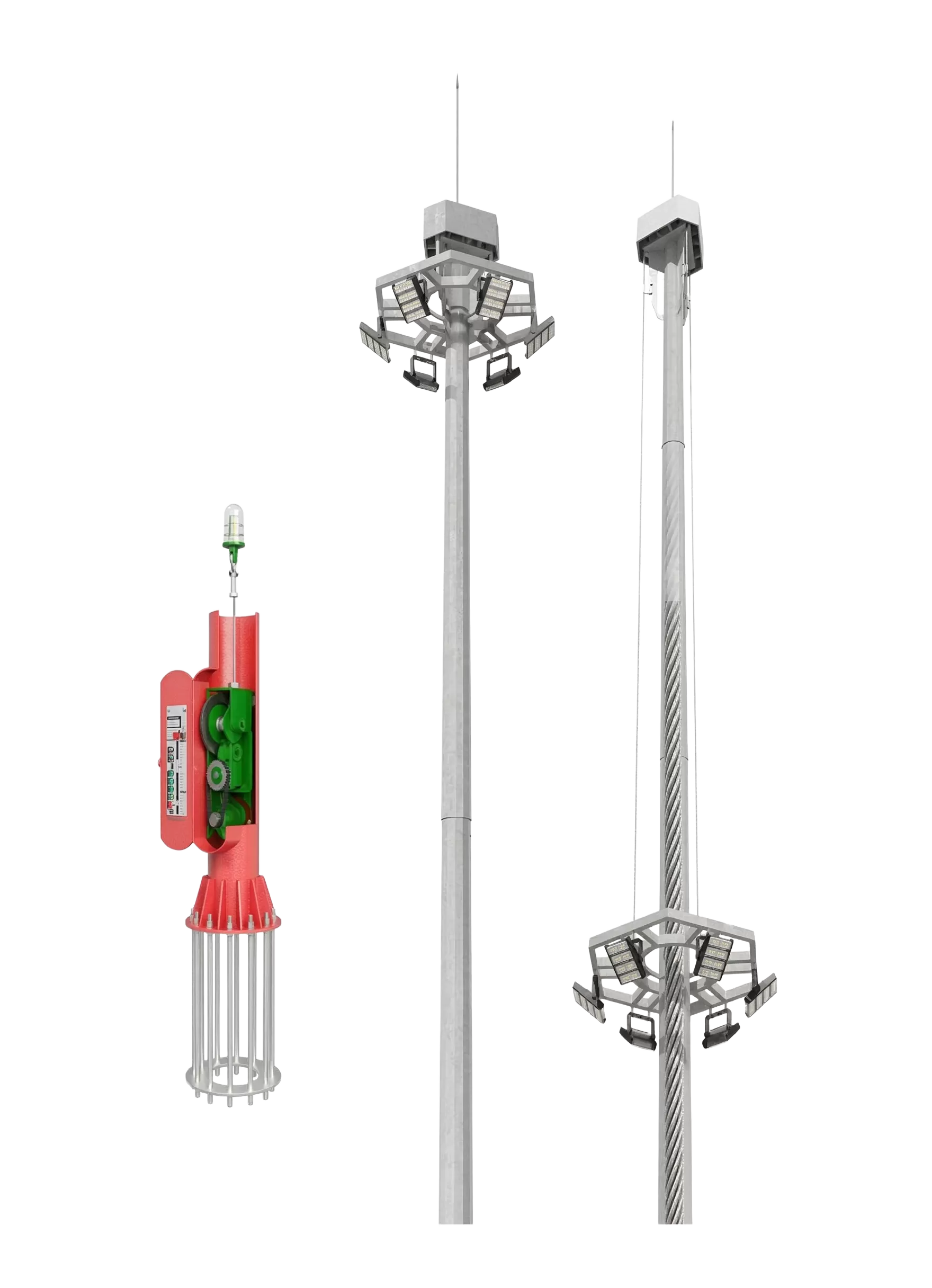
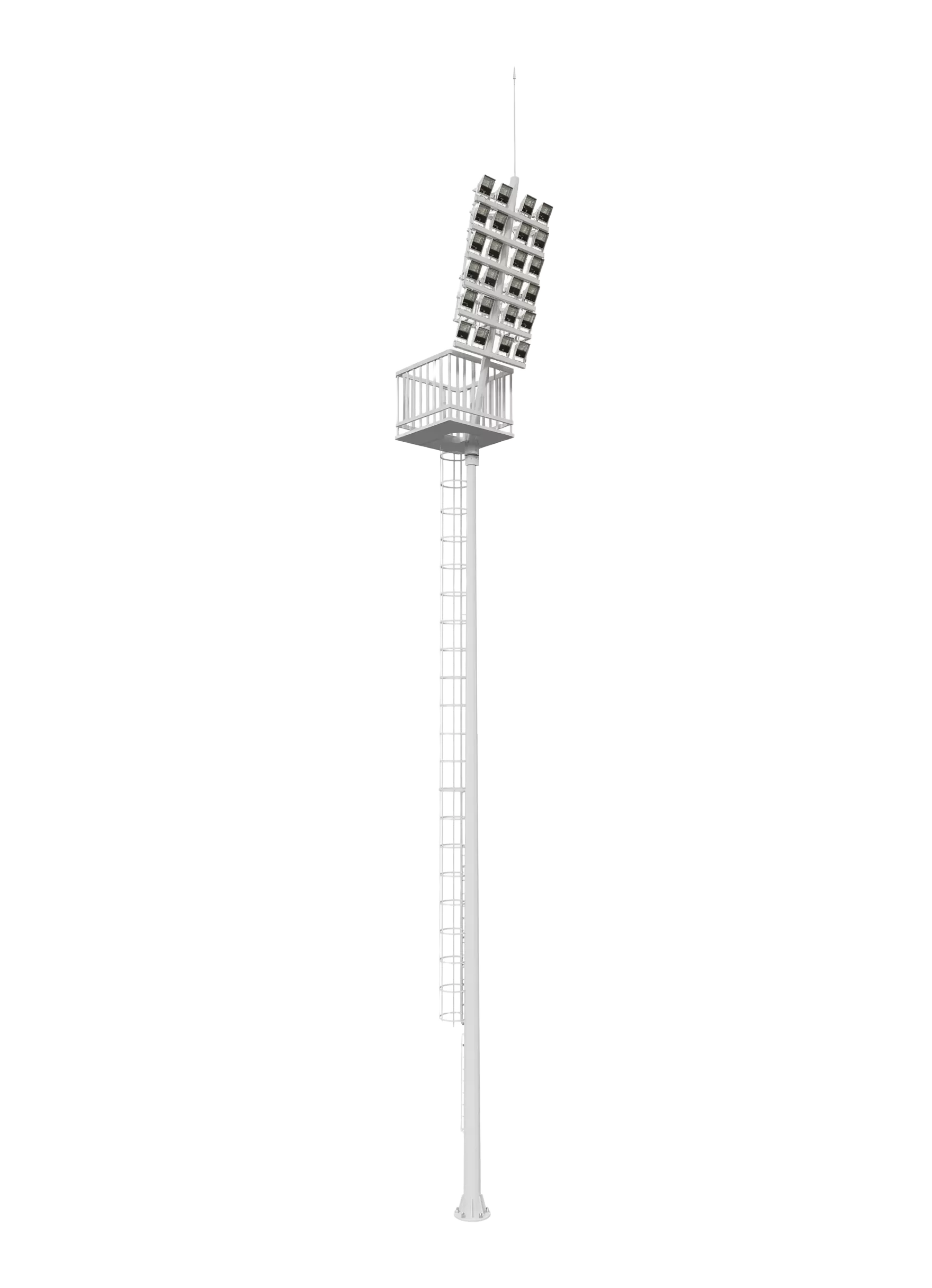
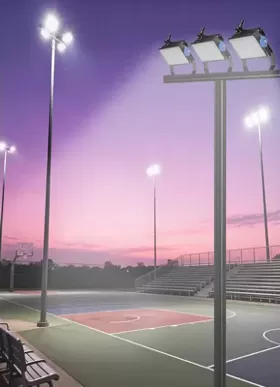
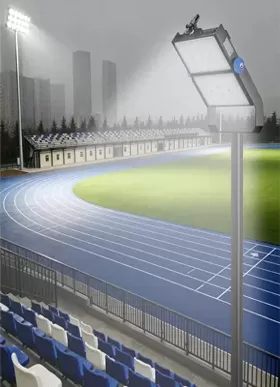
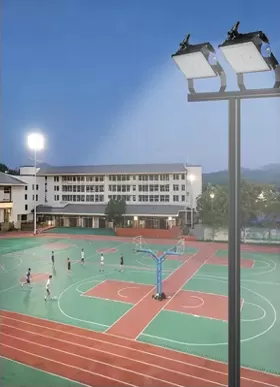
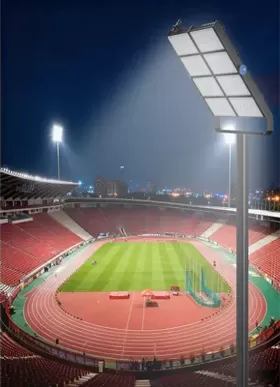
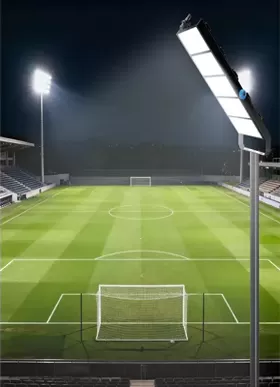
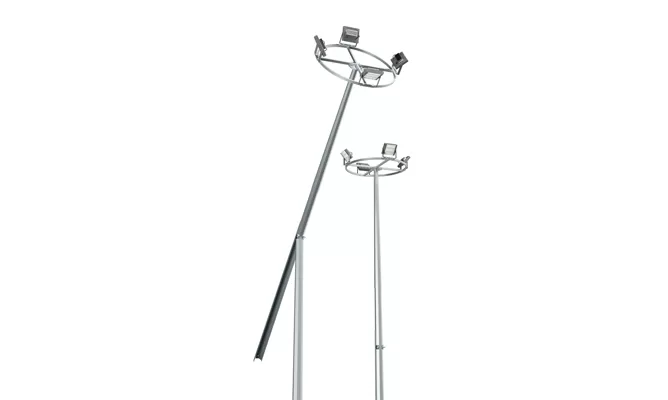
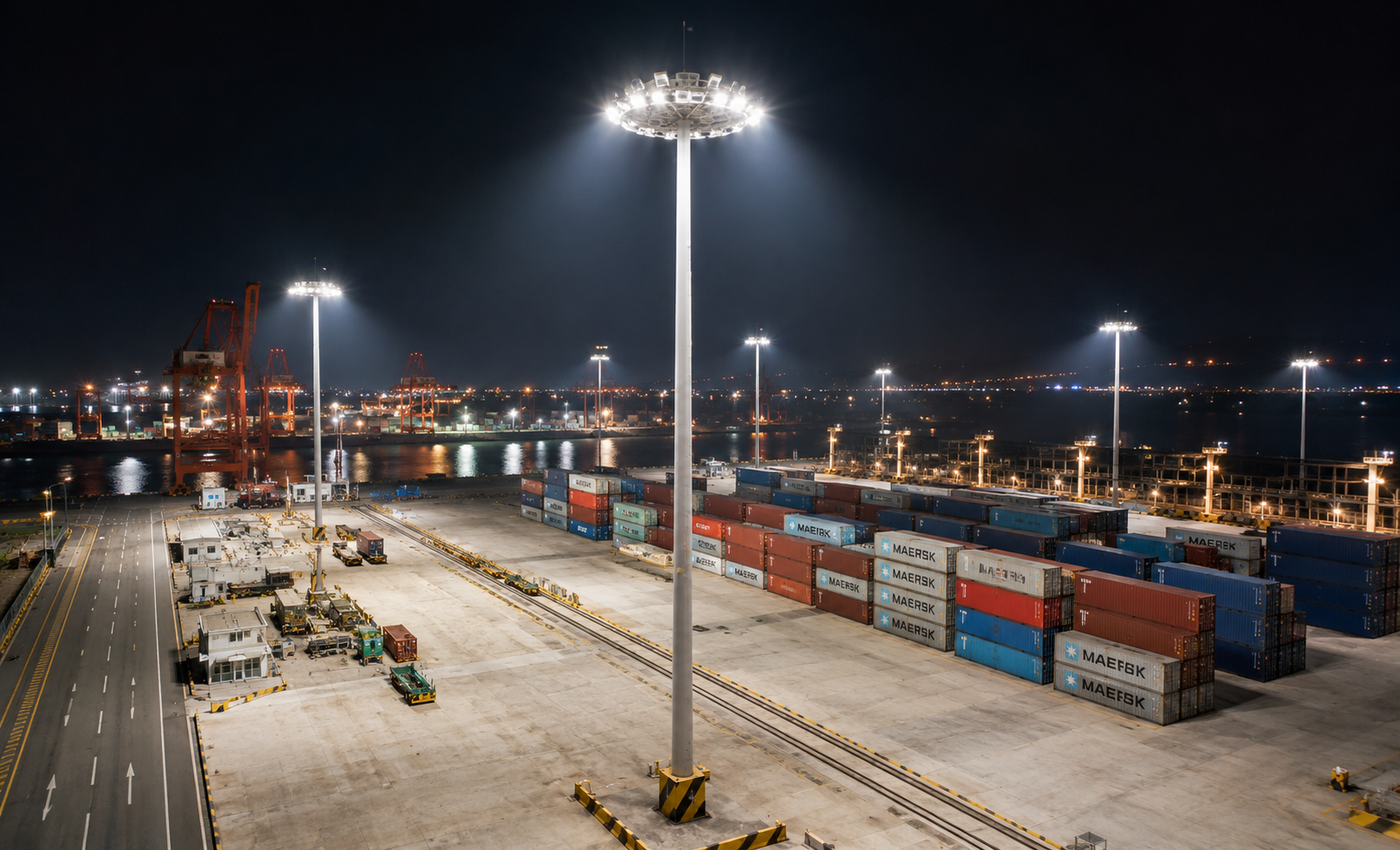
| Large intersections, squares, terminals or service areas | High mast municipal area lighting system | Provides wide-area coverage from fewer pole locations and can simplify the lighting layout for large public or traffic spaces. | Site layout, target coverage, mounting height, target lux, local wind speed, foundation conditions and preferred maintenance method. |
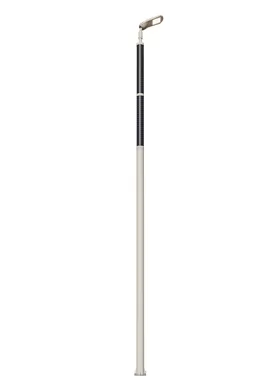
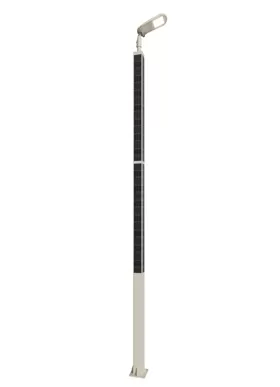
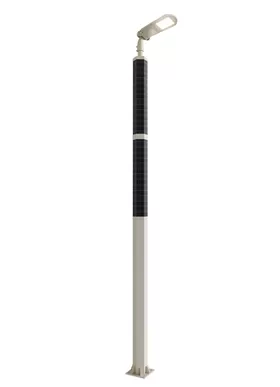
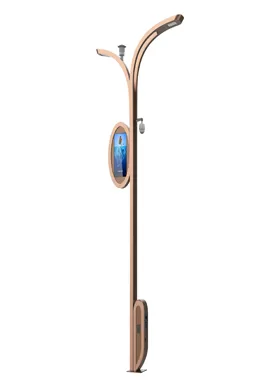
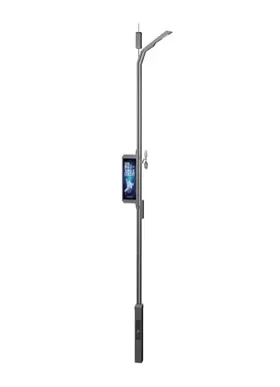
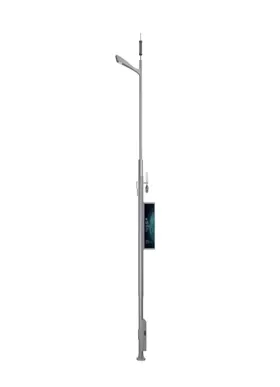
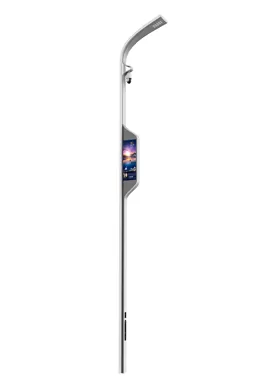
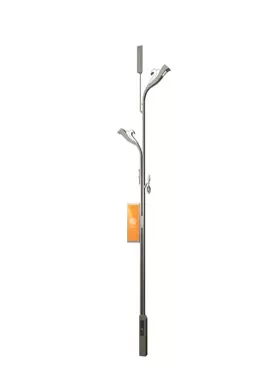
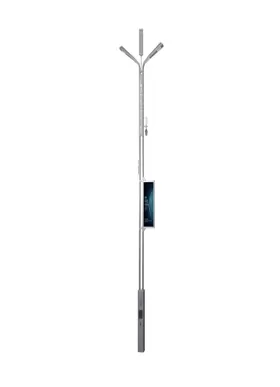
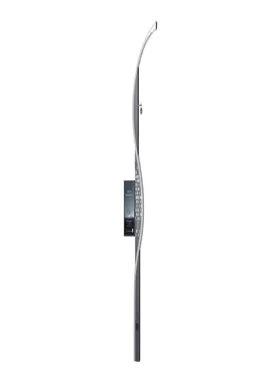
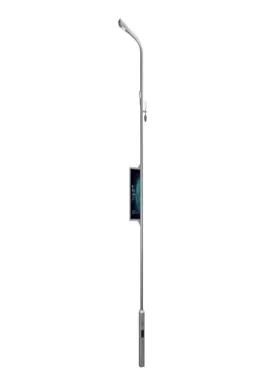
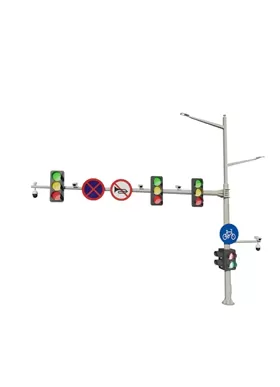
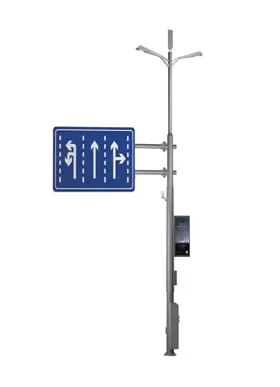
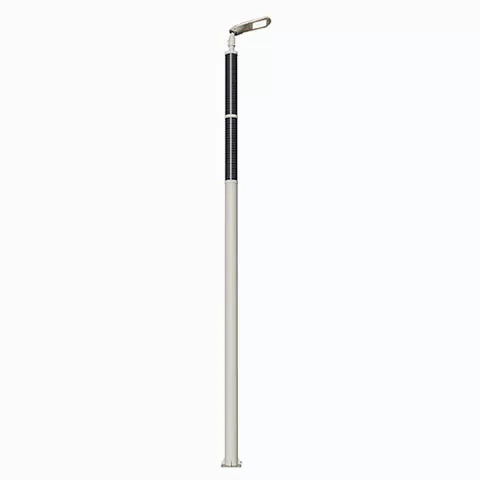
| Urban renewal requires lighting plus municipal devices | Smart or integrated light pole system | Combines lighting with selected functions such as CCTV, road signs, displays, broadcasting, environmental monitoring or charging modules. | Required device list, network and power interfaces, appearance reference, load requirements, installation drawings and control responsibilities. |

These products can be configured for urban roads, suburban streets, township access roads, public paths, new development zones and smart municipal lighting networks.
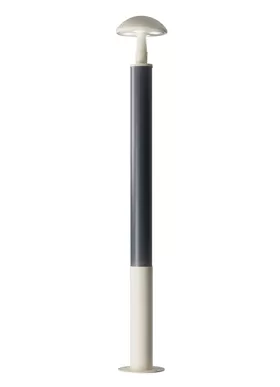
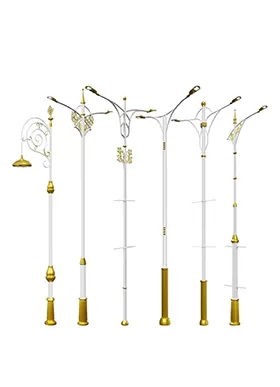
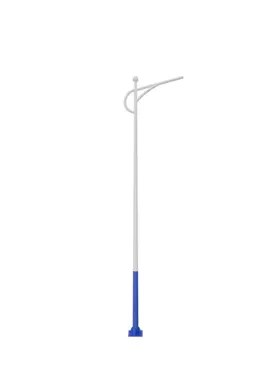
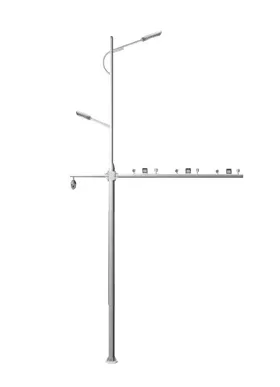
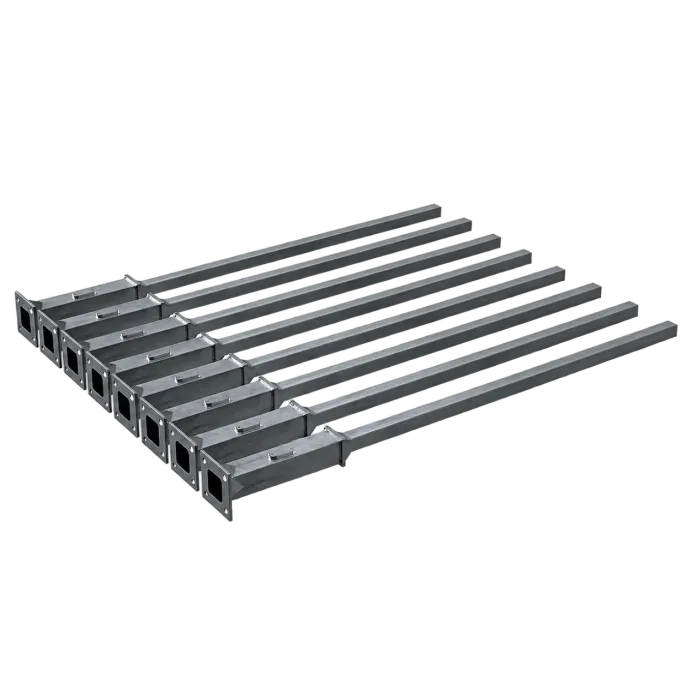
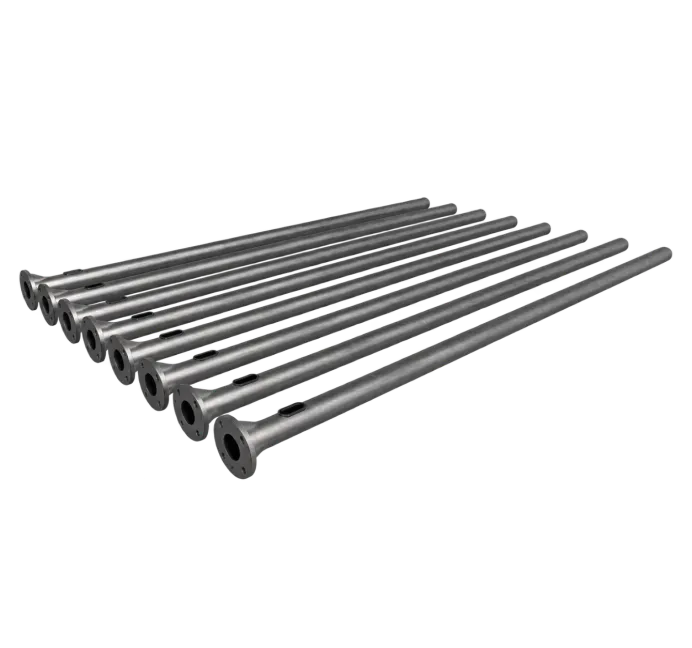
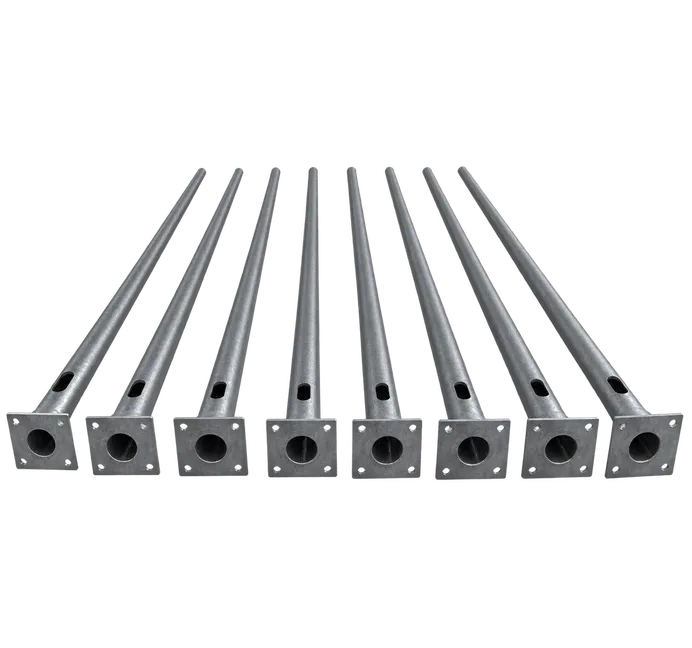
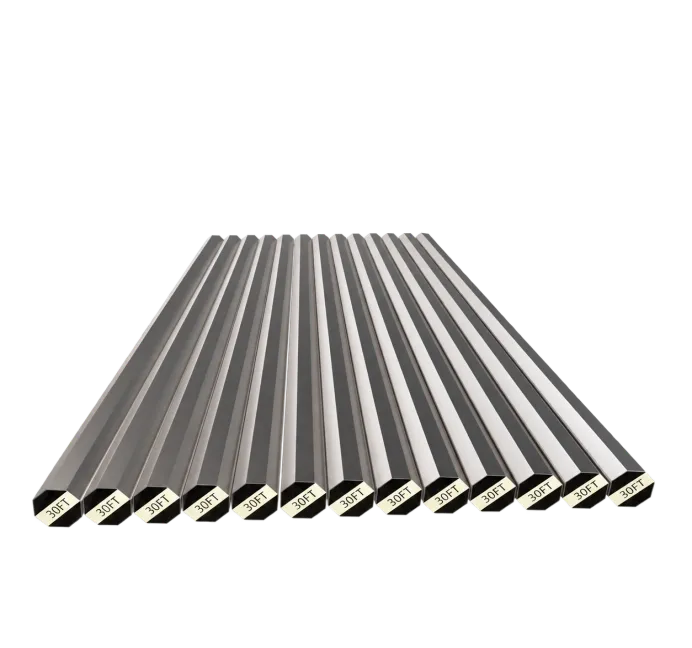
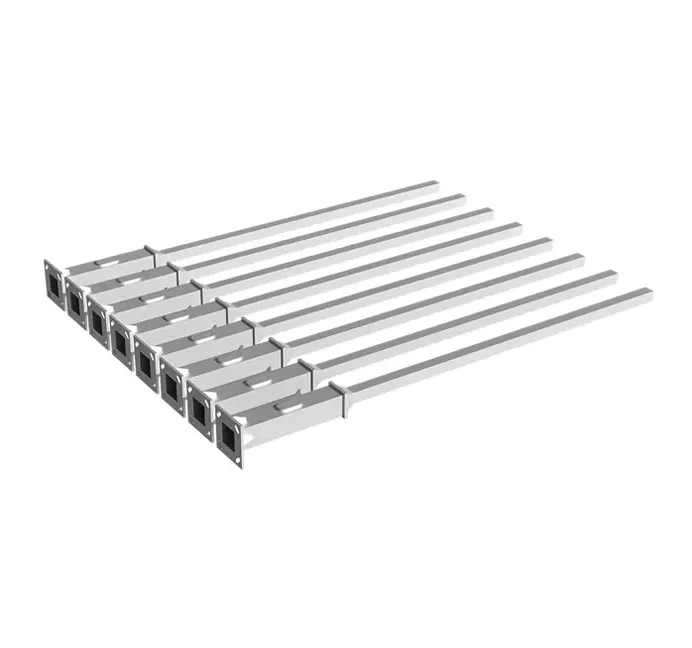
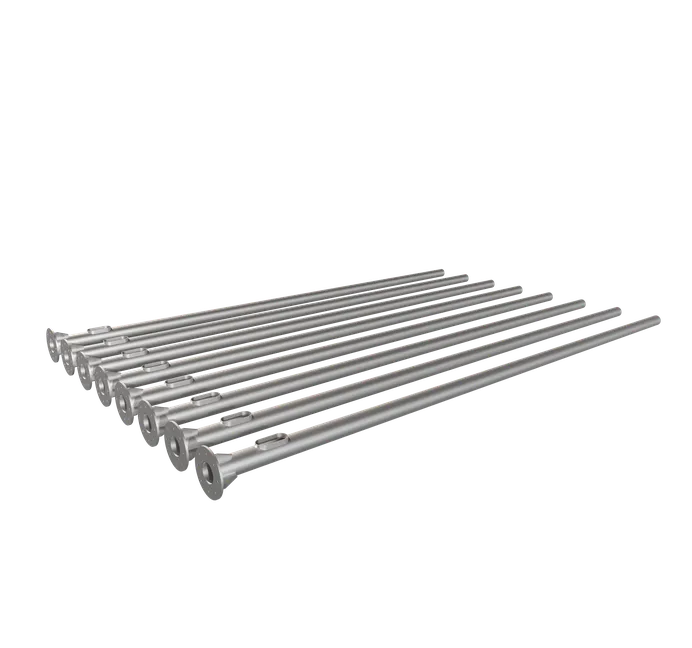
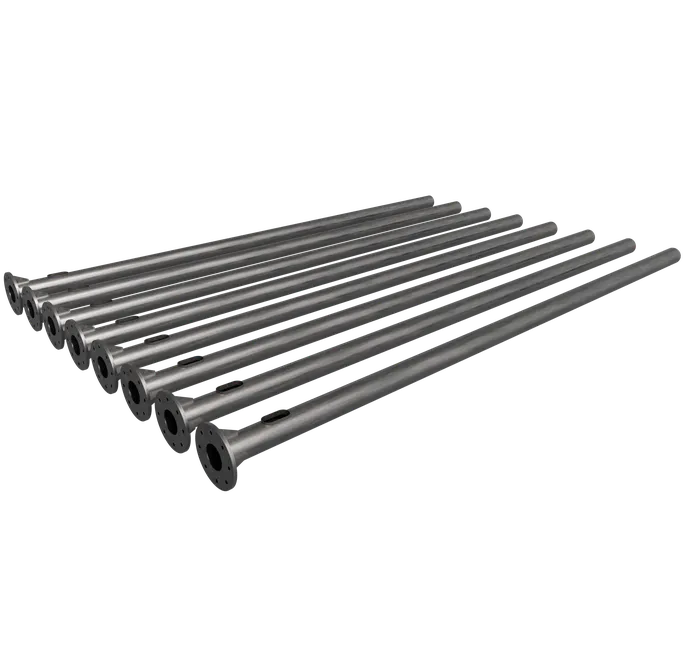
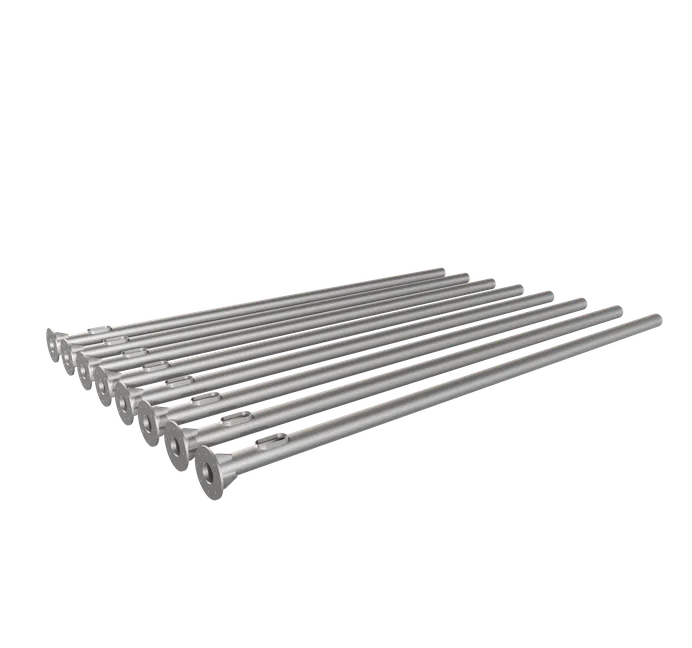
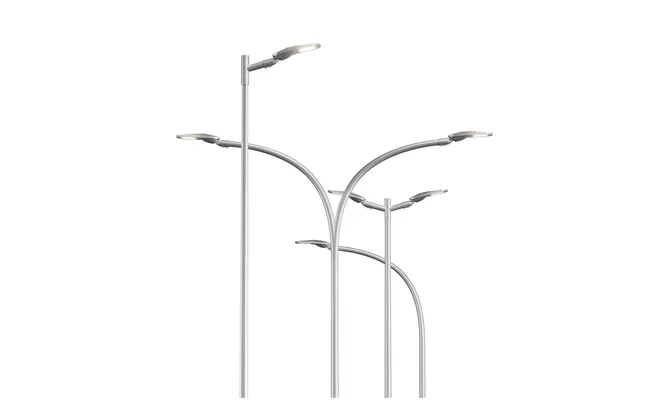
Municipal pole selection must consider mounting height, luminaire and equipment loads, wind conditions, corrosion protection, foundation design, maintenance access and urban appearance.
Phoebus Lighting can combine street lights, poles, solar modules, batteries, controllers, smart devices and installation accessories into a complete municipal lighting system based on road and tender requirements.
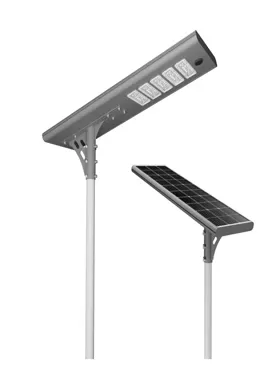
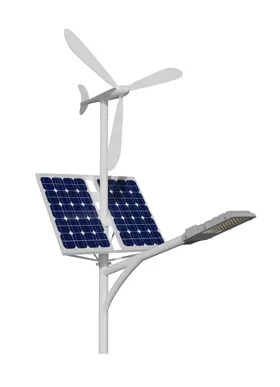
For suburban roads, township roads and new development areas where trenching or grid extension is costly. The system can integrate the fixture, pole, solar panel, battery, controller and mounting accessories.
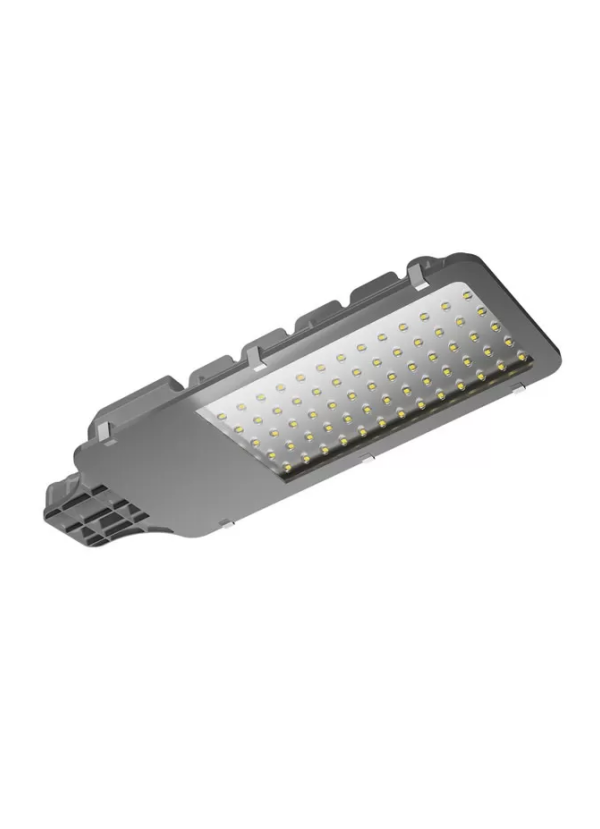
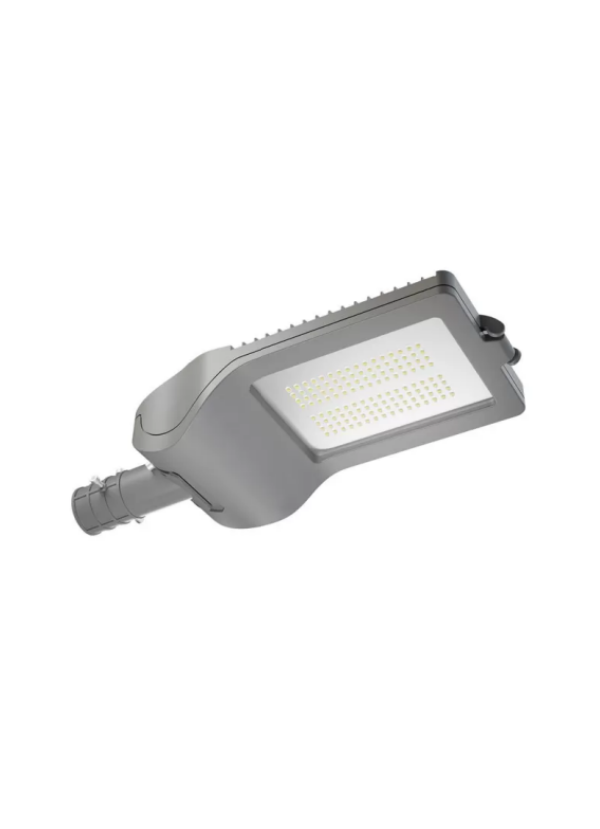
For urban main roads and secondary roads with established power infrastructure. The package can cover LED fixtures, pole and arm configurations, spacing recommendations, electrical requirements and project documentation.
For large lighting networks that need remote control, scheduled dimming, device-status monitoring, fault alarms or integration with selected municipal sensing and service functions.
For intersections, public squares, terminals and service areas requiring wide coverage. The project package can include high mast structure, luminaires, lifting or maintenance configuration and installation-related documentation.
For an accurate quotation, provide the project country and city, road type, road width and length, pole spacing, target mounting height, required illumination or local standard, power conditions, estimated quantity, delivery schedule and whether the project needs LED, solar, smart control, poles or a complete system.
Document availability depends on the selected products and project scope. Buyers can request product datasheets, photometric files, drawings, pole and foundation information, component lists, packing details, compliance documents and other submittals required for technical review. List every tender document in the inquiry so it can be confirmed before ordering.
Grid-powered LED street lights are commonly selected where stable municipal power is available. Solar street lights suit roads where trenching or grid extension is difficult. Smart lighting is useful when remote dimming, status monitoring or fault alarms are required. High mast systems are considered for large areas such as intersections, squares, terminals and service areas.
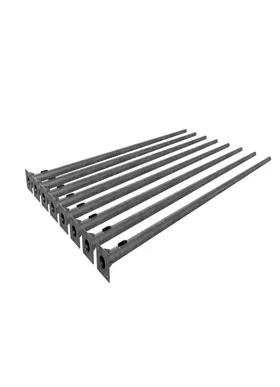
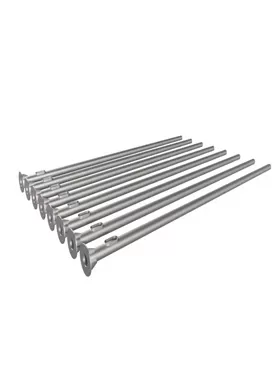
Pole design should be based on luminaire weight and wind area, mounting height, bracket configuration, local wind conditions, soil and foundation requirements, surface treatment and installation method. Buyers should submit these conditions before production and approve the relevant drawings and structural details.
Confirm the required IP and IK ratings, operating temperature, corrosion environment, driver and battery specifications, warranty scope, excluded items, recommended spare parts and claim procedure for the exact model quoted. These points should be written into the technical specification or purchase contract rather than assumed.
Yes. Phoebus Lighting supports project-based configuration and OEM or ODM cooperation for street lights and light poles. For bulk or phased delivery, buyers should provide the total quantity, batch schedule, labeling and logo requirements, packing method, destination port, inspection plan and required shipping documents so production and logistics can be planned in advance.