Surface treatment is an important consideration when purchasing outdoor light poles. Steel poles are exposed to rain, humidity, sunlight, dust and atmospheric pollutants, all of which can cause corrosion or surface deterioration.
Hot-dip galvanizing and powder coating are two common finishing methods. Galvanizing mainly provides corrosion protection, while powder coating offers colour and an additional protective layer.
Phoebus Lighting recommends selecting the finish according to the installation environment, appearance requirements, maintenance plan and expected service life.
What Is a Galvanized Light Pole?
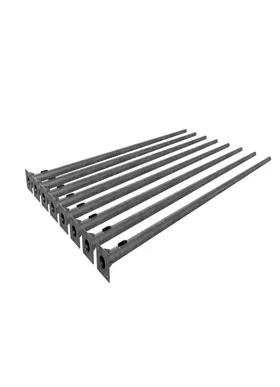
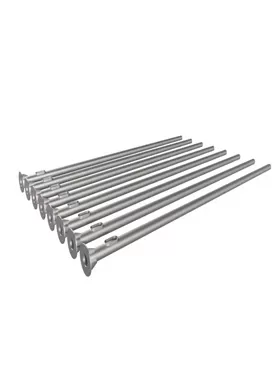
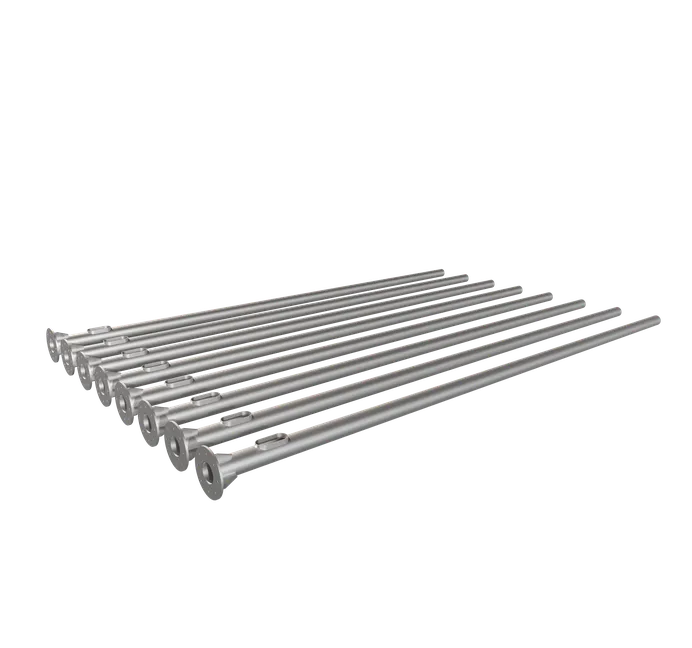
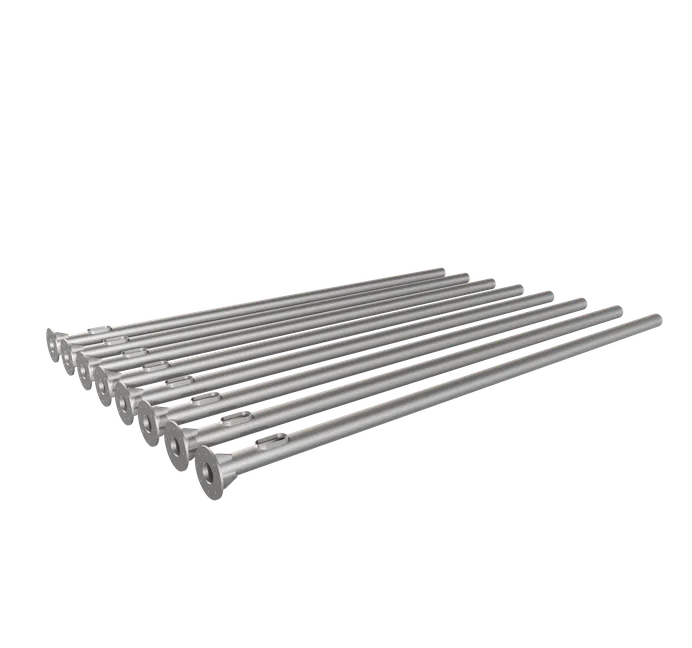
Hot-dip galvanizing is a process in which the fabricated steel pole is immersed in molten zinc. The zinc reacts with the steel surface and forms a protective coating.
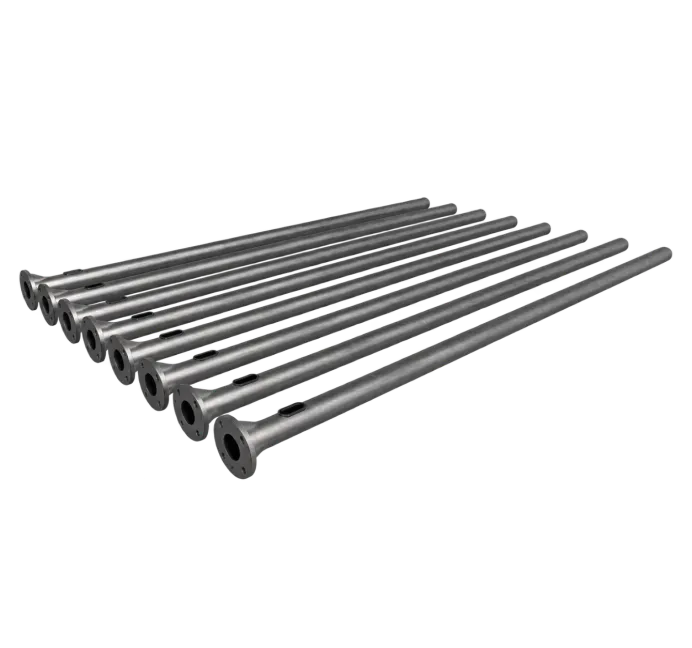
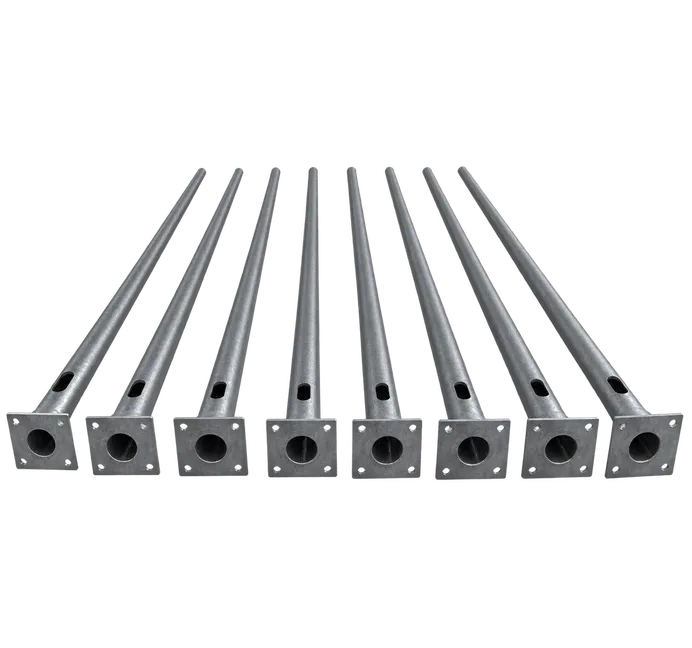
A galvanized street pole is widely used for:
· Urban roads
· Highways
· Industrial areas
· Parking lots
· Coastal regions
· Public infrastructure
The zinc coating protects the steel by separating it from moisture and oxygen. It can also provide protection when minor scratches occur because zinc corrodes before the underlying steel.
Main Advantages of Galvanizing
Hot-dip galvanizing offers several benefits:
· Strong outdoor corrosion resistance
· Protection for internal and external surfaces
· Reduced maintenance requirements
· Long service potential
· Suitability for humid and coastal environments
A galvanized street light pole is often selected for municipal and road projects where durability is more important than decorative appearance.
However, galvanized surfaces may have slight variations in colour, brightness or texture. These differences are normal and do not necessarily affect corrosion resistance.
What Is a Powder Coated Light Pole?
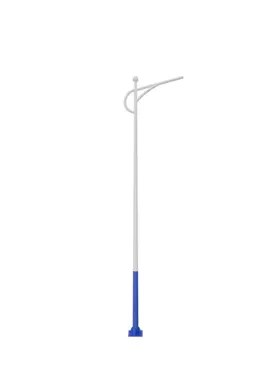
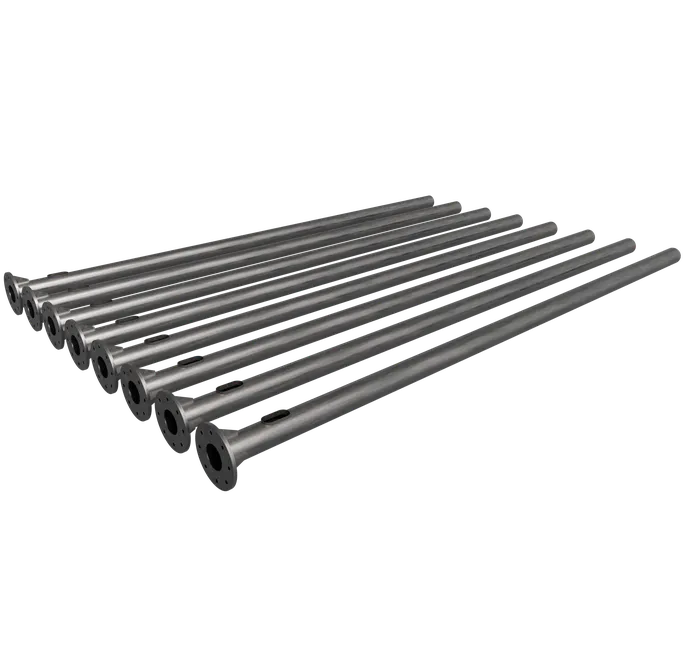
Powder coating applies dry coloured powder to a prepared steel surface. The coated pole is then heated so the powder melts and forms a continuous finish.
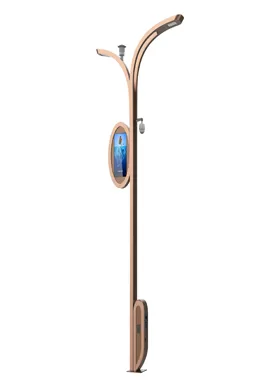
A powder coated pole is commonly used in:
· Parks
· Residential developments
· Commercial streets
· Public squares
· Landscape lighting
· Architectural projects
Powder coating is available in different colours, including black, grey, white, green and customised RAL colours.
Main Advantages of Powder Coating
Powder coating offers:
· A smooth and decorative appearance
· A wide range of colour options
· Good resistance to sunlight and weather
· Easier coordination with buildings and landscapes
· An additional barrier against moisture
It is often selected when the visual appearance of the pole is an important part of the project design.
Galvanized vs Powder Coated Poles
The two finishes have different primary purposes.
Comparison Factor | Galvanized Pole | Powder Coated Pole |
Main purpose | Corrosion protection | Colour and surface protection |
Appearance | Silver or grey zinc finish | Smooth coloured finish |
Colour choices | Limited | Wide range of RAL colours |
Internal protection | Usually included | Mainly external surface |
Typical applications | Roads, highways and industrial areas | Parks, residential and commercial spaces |
Maintenance | Generally low | May require repair if coating is damaged |
Galvanizing is usually the more practical choice for projects exposed to moisture, salt or demanding outdoor conditions.
Powder coating is more suitable when appearance and colour consistency are important. However, powder coating applied directly to untreated steel may not provide the same long-term corrosion resistance as hot-dip galvanizing.
Can Galvanizing and Powder Coating Be Combined?
Yes. A steel pole can first be hot-dip galvanized and then powder coated. This combination is often called a duplex coating system.
The galvanized layer provides corrosion protection, while the powder-coated layer provides colour and an additional environmental barrier.
This option may be suitable for:
· Coastal developments
· High-humidity locations
· Premium residential projects
· City-centre streets
· Architectural lighting
· Projects requiring a long service life
A duplex finish usually costs more than a single coating, but it can provide both durability and a more attractive appearance.
Phoebus Lighting can provide galvanized, powder-coated or combined surface treatments according to the project environment and colour requirements.
Which Finish Is Better for Different Applications?
The best surface finish depends on where the pole will be installed.
Roads and Highways
Hot-dip galvanizing is commonly preferred because road poles must remain outdoors for long periods with limited maintenance.
Parks and Residential Areas
Powder coating is often selected because colour and appearance are important. Black, green and dark grey finishes are commonly used.
Coastal Locations
Hot-dip galvanizing or a duplex coating system is recommended because salt and moisture can accelerate steel corrosion.
Industrial Areas
Galvanizing is generally suitable for industrial sites. Where chemicals or aggressive pollutants are present, additional protective coating may be required.
Commercial and Architectural Projects
Powder coating provides greater design flexibility and can match surrounding buildings, signs or landscape elements.
What Should Buyers Confirm Before Ordering?
Before ordering a finished steel light pole, buyers should confirm:
1. Installation environment
2. Local humidity and rainfall
3. Distance from the coast
4. Required service life
5. Galvanizing standard
6. Zinc coating thickness
7. Powder coating colour
8. Surface preparation method
9. Required coating thickness
10. Packaging and transportation protection
The surface finish should be inspected before shipment. Scratches, exposed steel, peeling coating and serious surface defects should be repaired.
FAQs
Is galvanizing better than powder coating?
Galvanizing generally provides stronger long-term corrosion protection. Powder coating offers more colour options and a smoother appearance.
Can powder coating prevent rust?
Powder coating can protect steel from moisture, but damage to the coating may expose the steel. Galvanizing underneath the powder coating provides stronger protection.
What finish is suitable for coastal areas?
Hot-dip galvanizing or a combined galvanized and powder-coated finish is usually more suitable for coastal locations.
Can galvanized poles be painted in different colours?
Yes. Powder coating can be applied over a properly prepared galvanized surface.
Does powder coating require maintenance?
The coating should be inspected for scratches, peeling or impact damage. Damaged areas may need repair to prevent corrosion.
Conclusion
Galvanized and powder-coated light poles serve different purposes. Galvanizing focuses on corrosion protection and is commonly used for roads, highways and industrial projects. Powder coating provides colour and is suitable for parks, residential areas and architectural environments.
For projects requiring both durability and appearance, hot-dip galvanizing followed by powder coating may be the best option.
By providing information about the climate, installation environment and colour requirements, buyers can work with Phoebus Lighting to select an appropriate surface finish for their outdoor lighting poles.

 English
  français
  Deutsch
  Español
  русский
  português
  العربية
  Afrikaans
  עברי
עברי  Latinae
  Pilipino