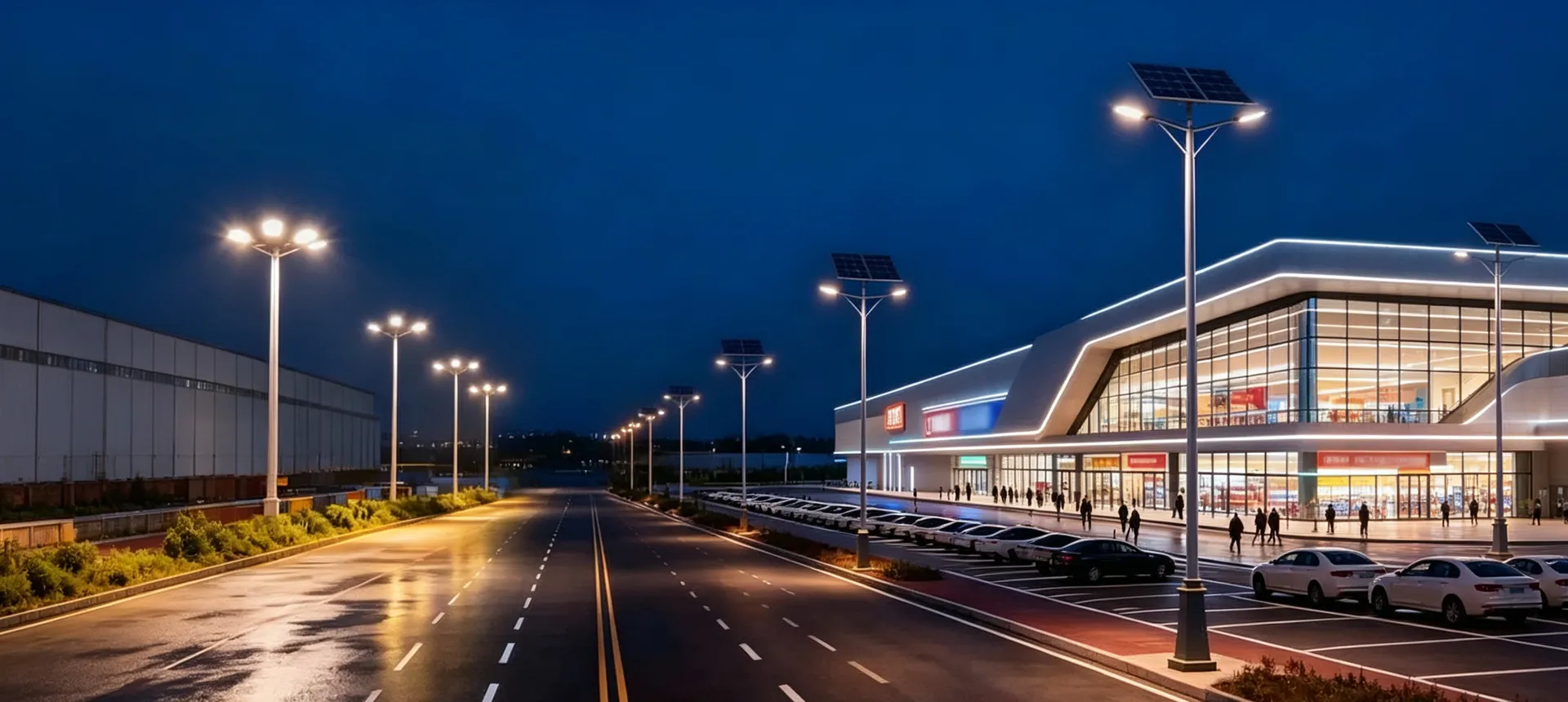
A commercial lighting project must support safe movement, customer experience, brand image and long-term operating efficiency before specific products are selected.
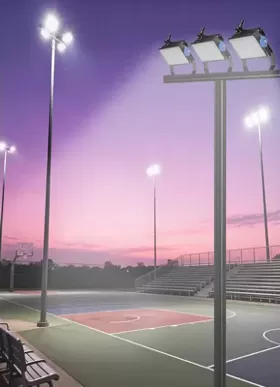
Entrances, internal roads, drop-off areas, walkways and parking connections need consistent illumination without dark zones so customers, staff and vehicles can move safely after sunset.
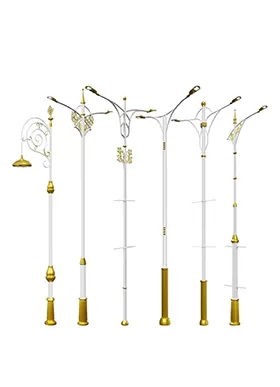
Shopping streets, hotels, office campuses and retail plazas need lighting and pole designs that complement the architecture, highlight key spaces and create a welcoming nighttime identity.
Long operating hours can create high electricity and service costs. Efficient LED optics, scheduled dimming, smart controls and maintainable product structures help control total lifecycle cost.
Use the site layout, business activity, grid access, visual identity and management requirements to choose between LED, solar, high mast, decorative-pole and smart-control options.
| Project Condition | Recommended Commercial Lighting System | Why It Fits | What Buyers Should Send |
|---|---|---|---|
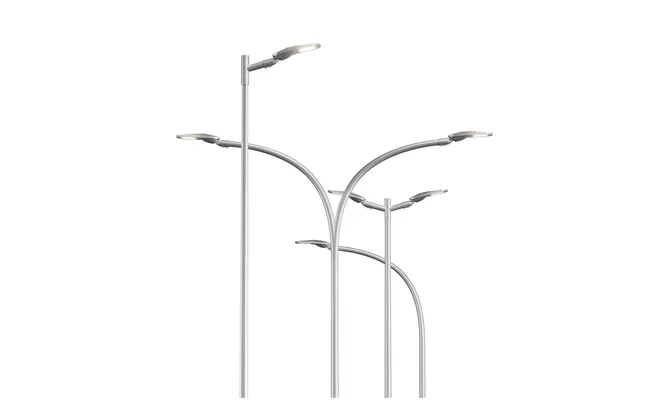
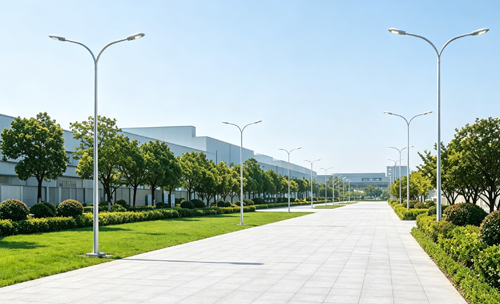
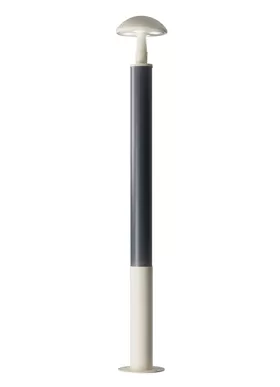
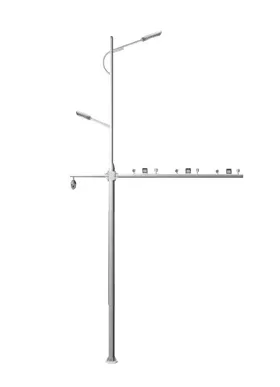
| Retail streets, mall entrances and customer walkways | LED commercial street lighting with decorative poles | Provides controlled, uniform illumination while allowing pole color, arm style and fixture appearance to support the commercial identity. | Site plan, walkway or road width, mounting height, target lux, facade style, pole finish and quantity. |
| Hotel, office or mixed-use campus with long operating hours | Smart LED commercial lighting system | Scheduled dimming, occupancy sensing and remote monitoring can reduce unnecessary energy use while maintaining safe circulation. | Operating schedule, zoning plan, control protocol, sensor requirements, management platform needs and power supply. |
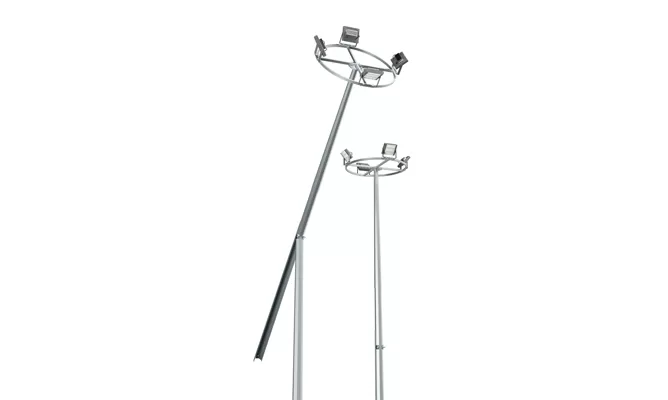
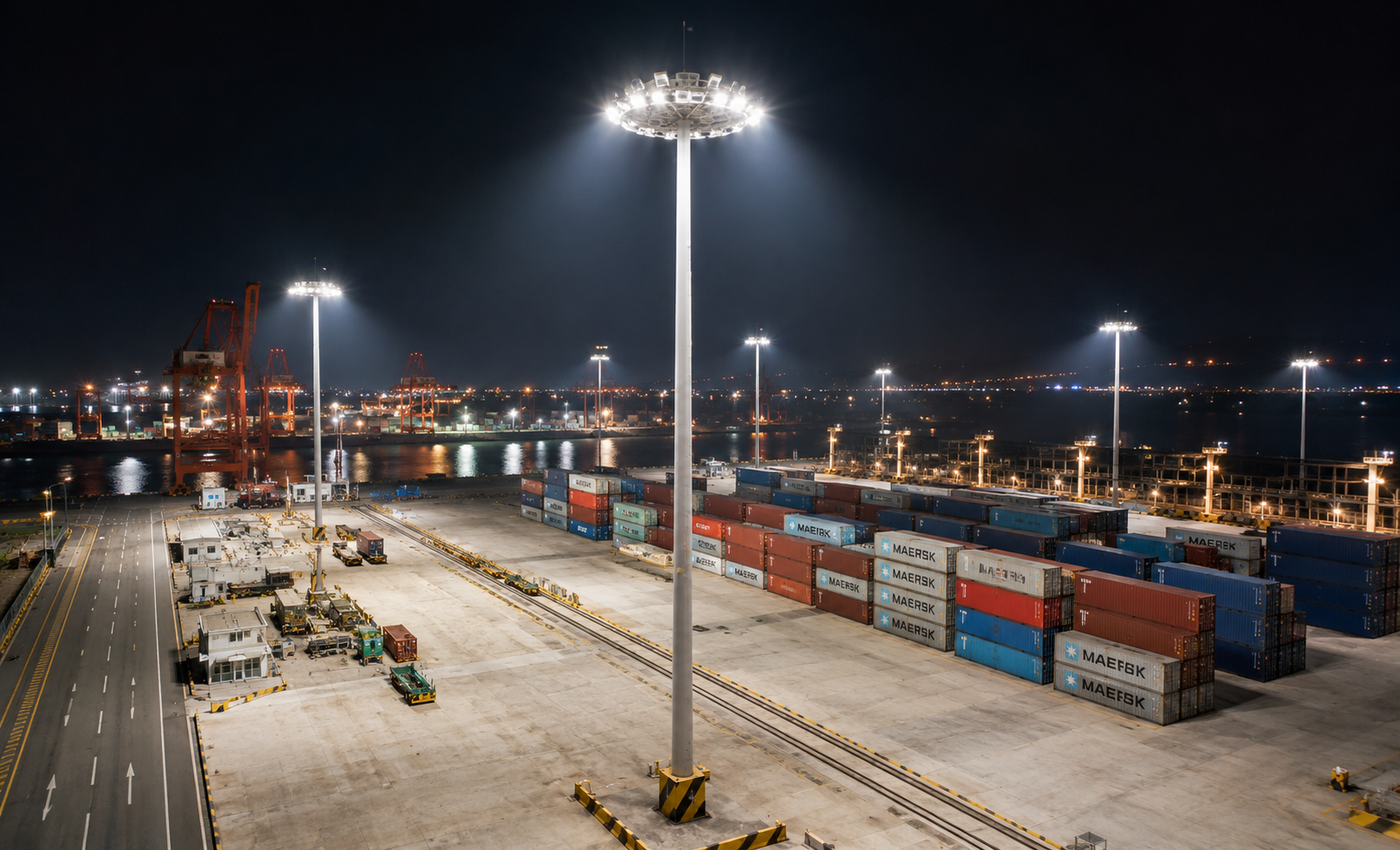
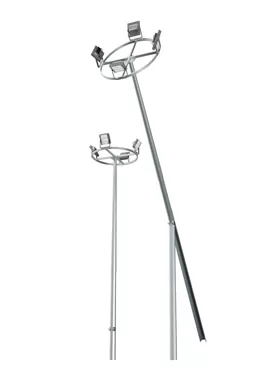
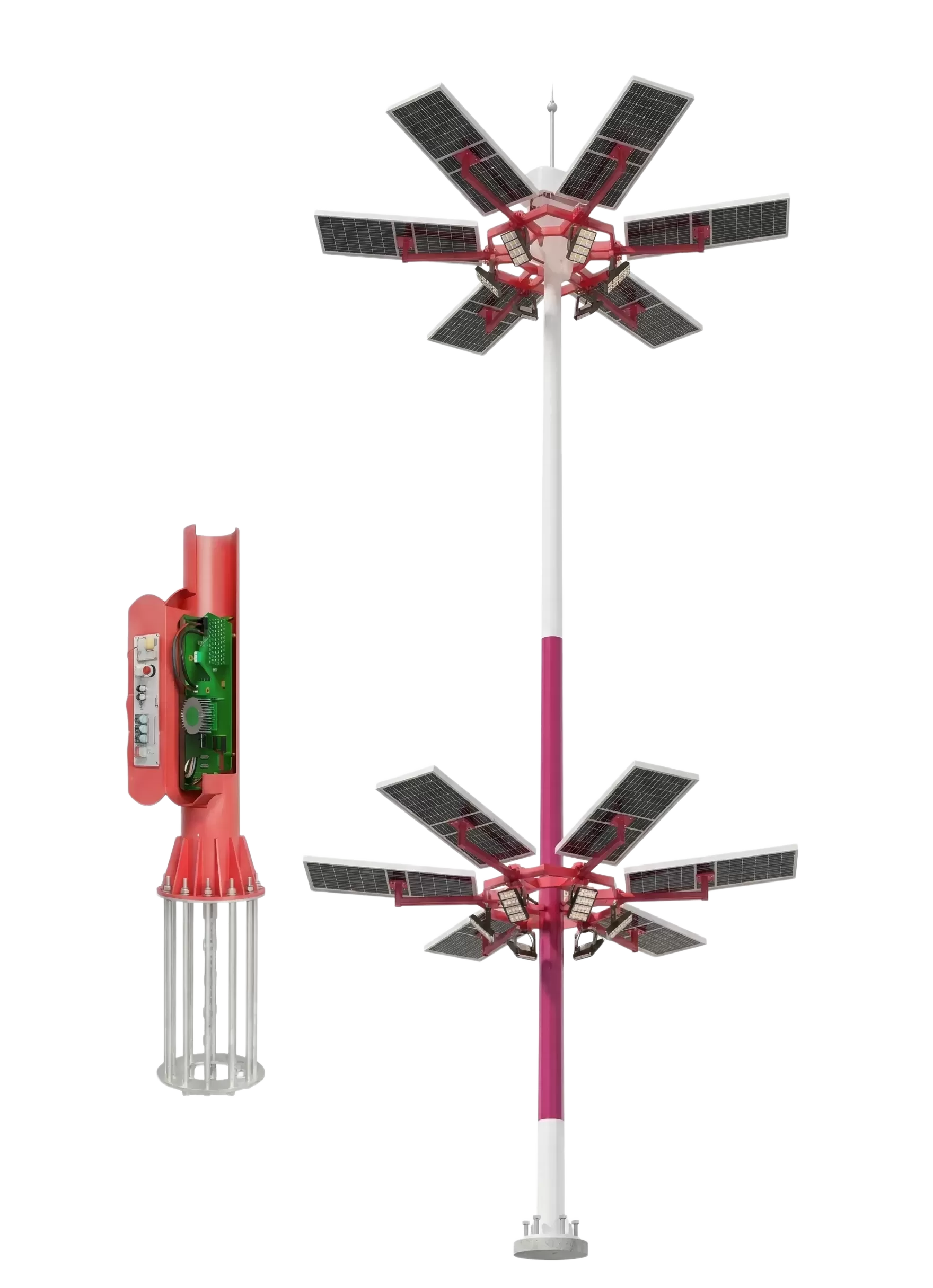
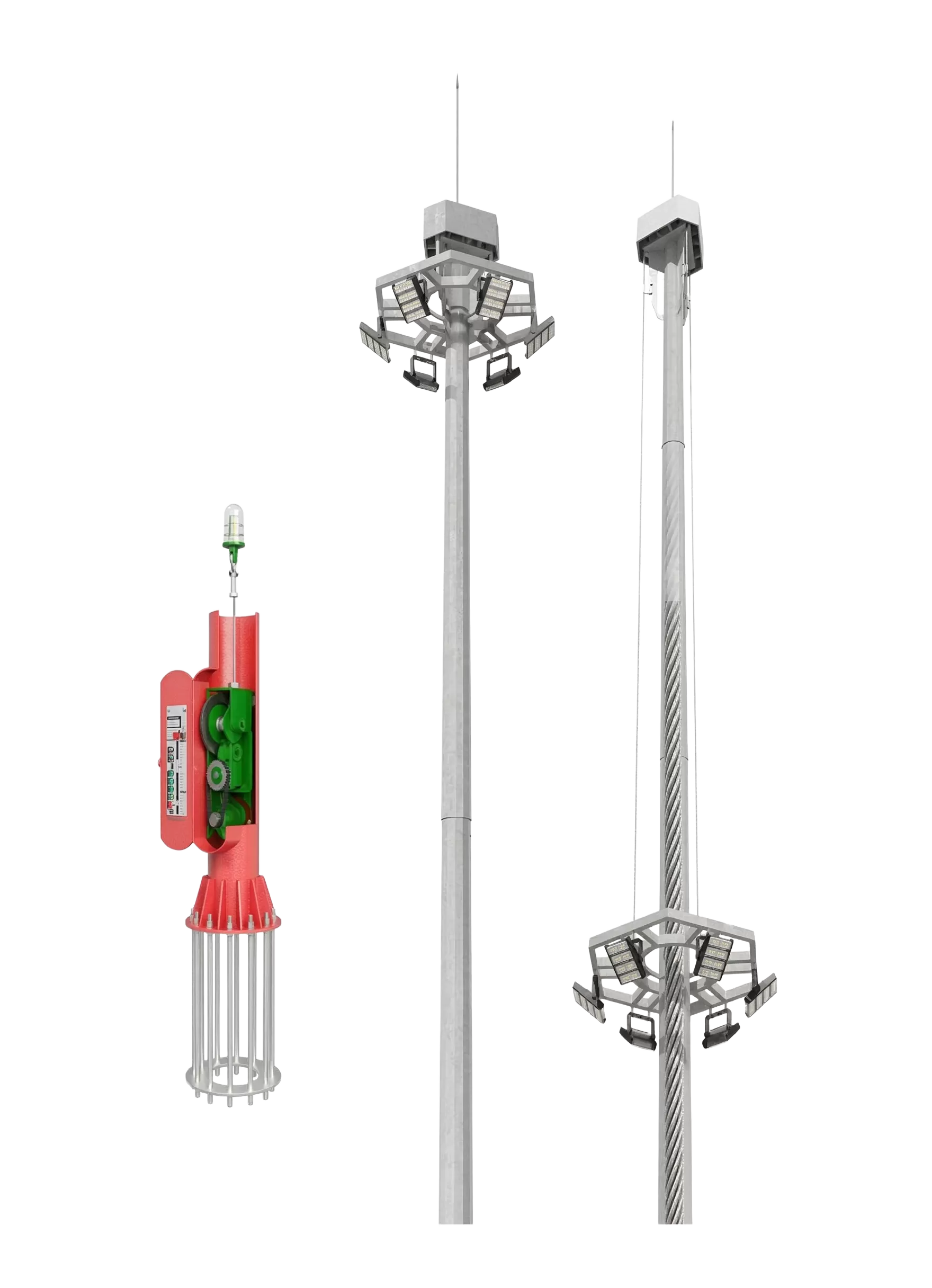
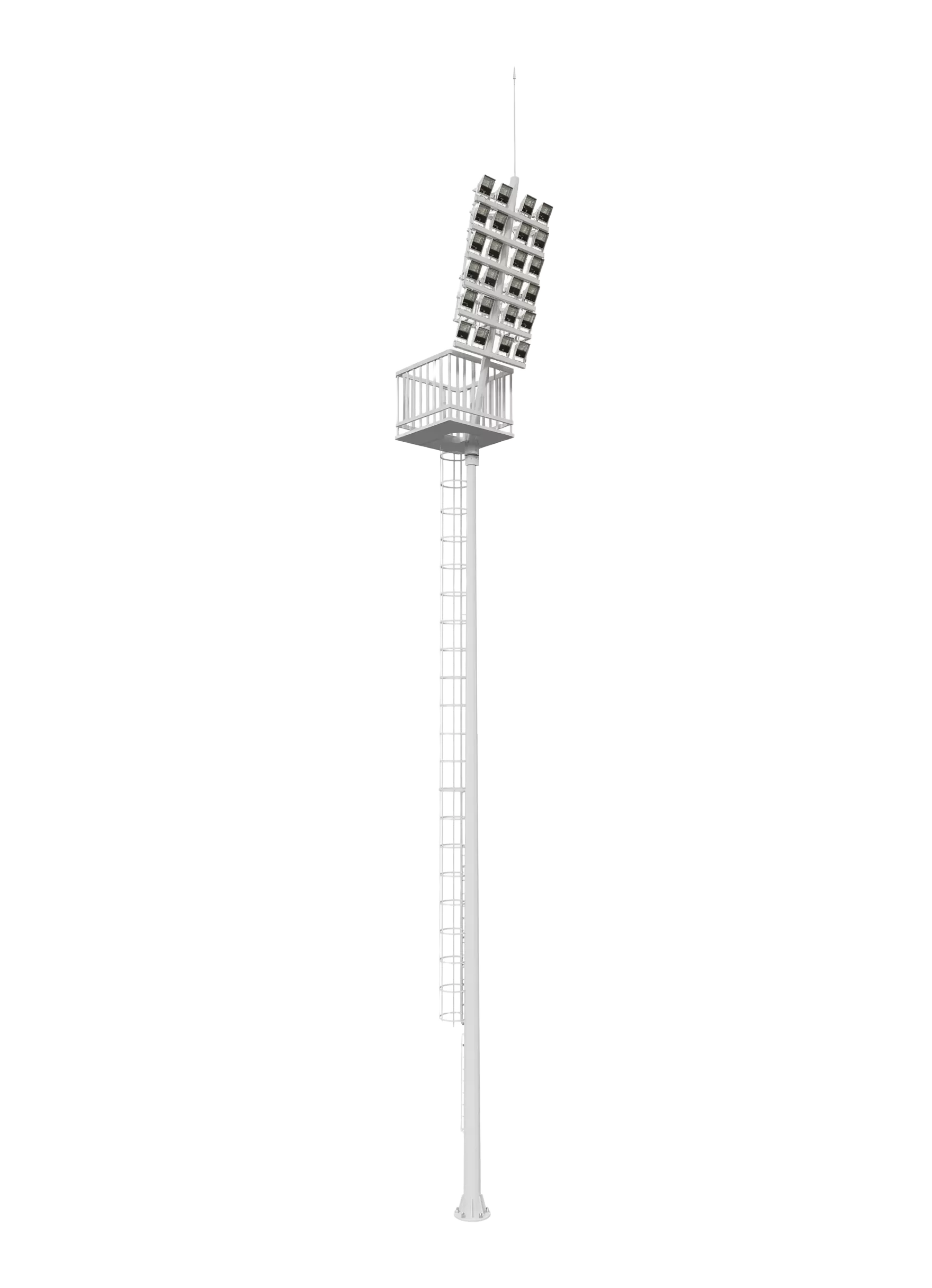
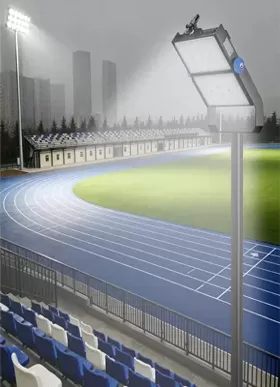
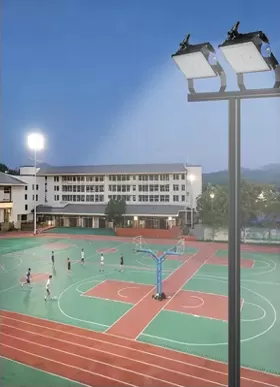
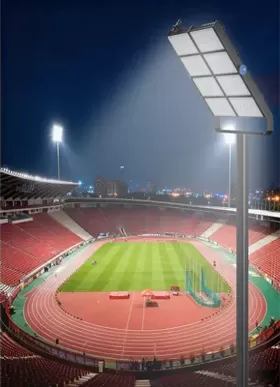
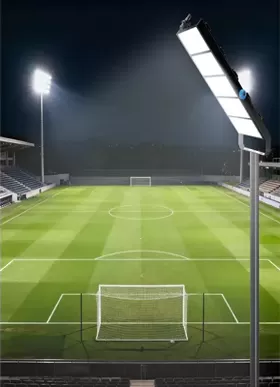
| Large plaza, transport court or open service area | High mast commercial area lighting | A smaller number of high masts can cover a wide open area and reduce pole obstruction, with lifting or access options available for maintenance planning. | Area dimensions, target lux and uniformity, pole-position limits, wind conditions and maintenance preference. |
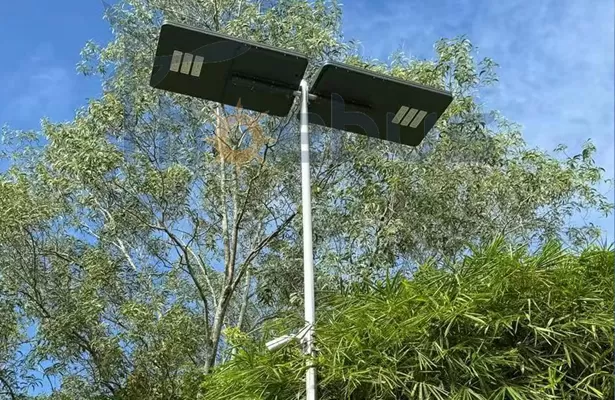
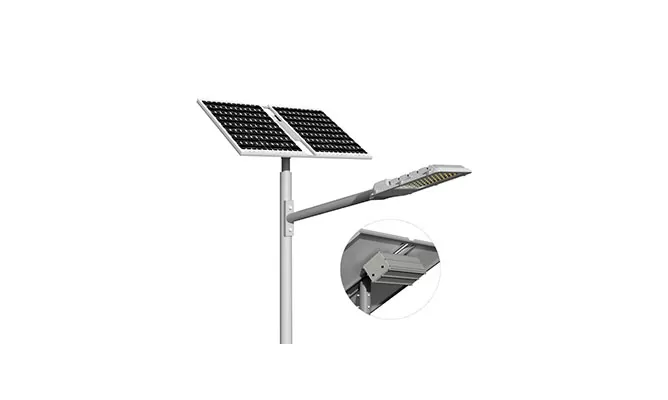
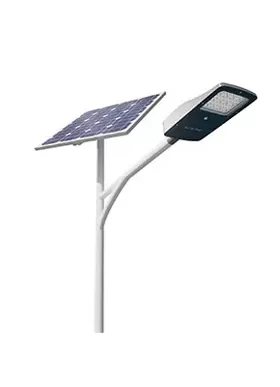
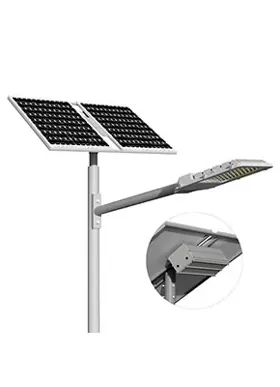
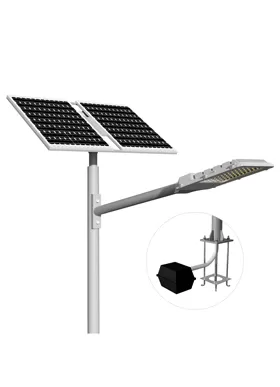
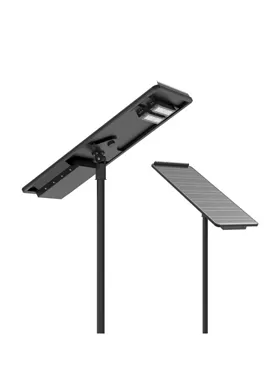
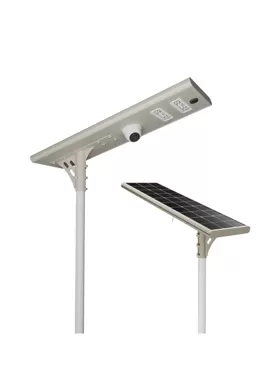
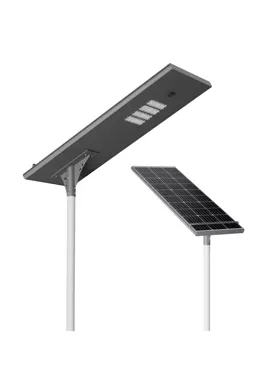
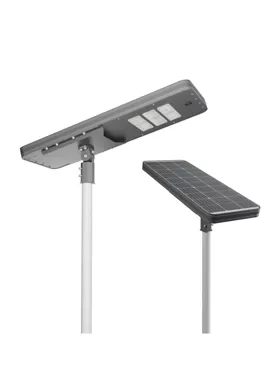
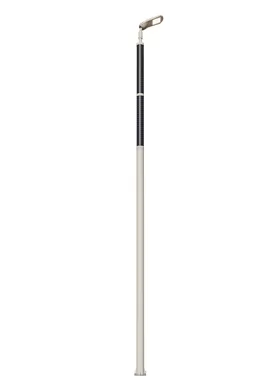
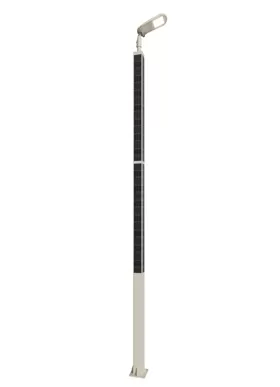
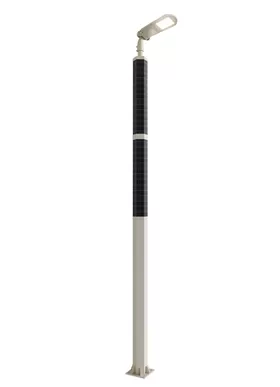
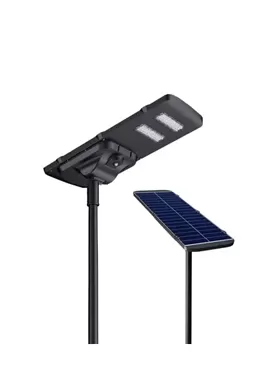
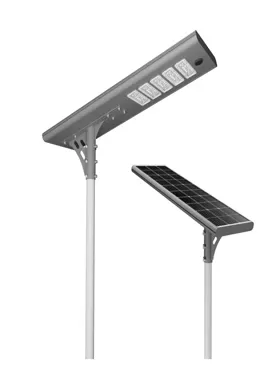
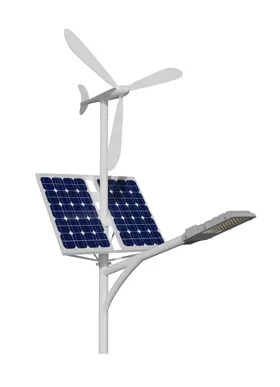
| New development or isolated area where trenching is difficult | Solar commercial lighting system | Off-grid operation reduces cable trenching and can accelerate deployment for remote entrances, secondary roads and separate commercial zones. | Project country, solar conditions, required lighting hours, autonomy days, pole height and site shading information. |
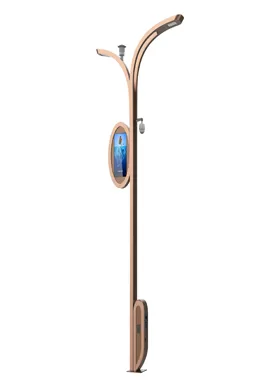
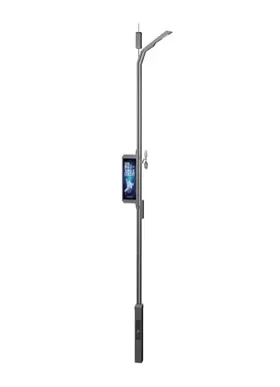
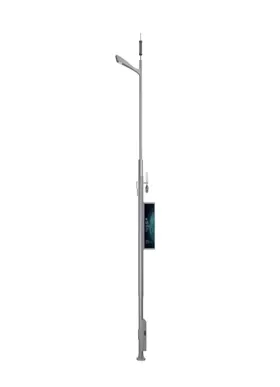
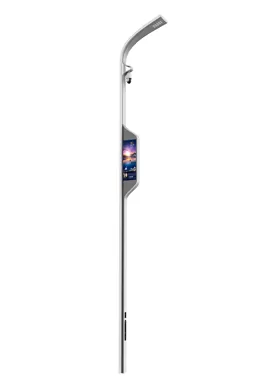
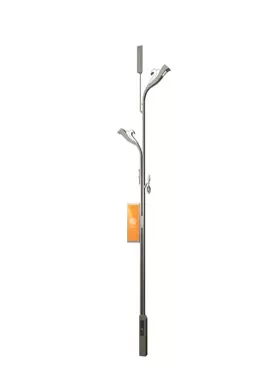
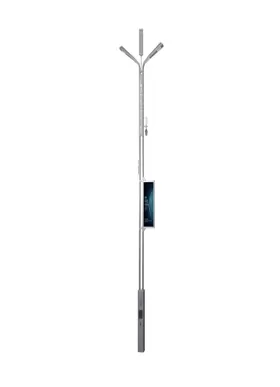
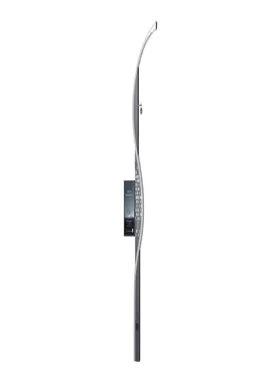
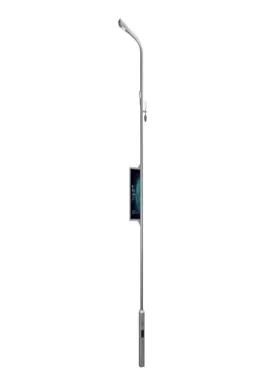
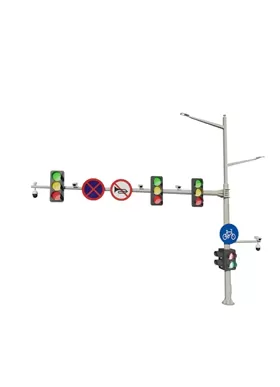
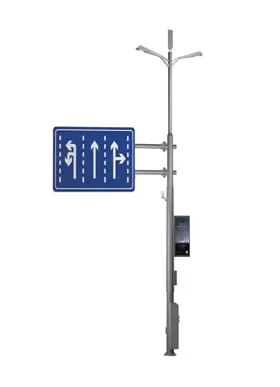
| Commercial district requiring security or public-service functions | Smart or integrated light pole system | Lighting can be combined with CCTV, information displays, emergency communication, environmental monitoring or charging modules in selected zones. | Required modules, network and platform requirements, mounting positions, data interfaces and local approval standards. |
These lighting products can be configured for commercial streets, hotel and office roads, retail plazas, entrances, parking connections and mixed-use developments.
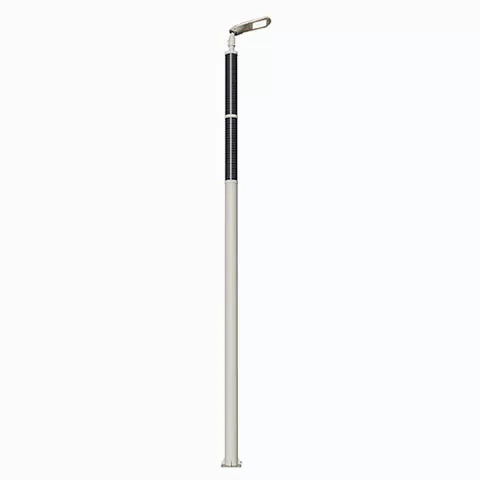
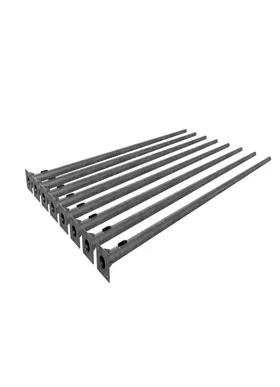
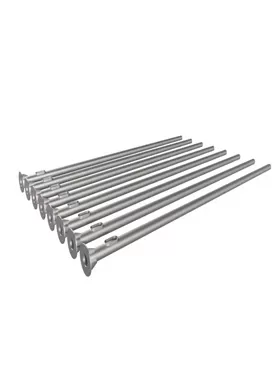
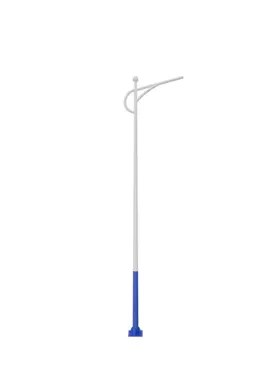
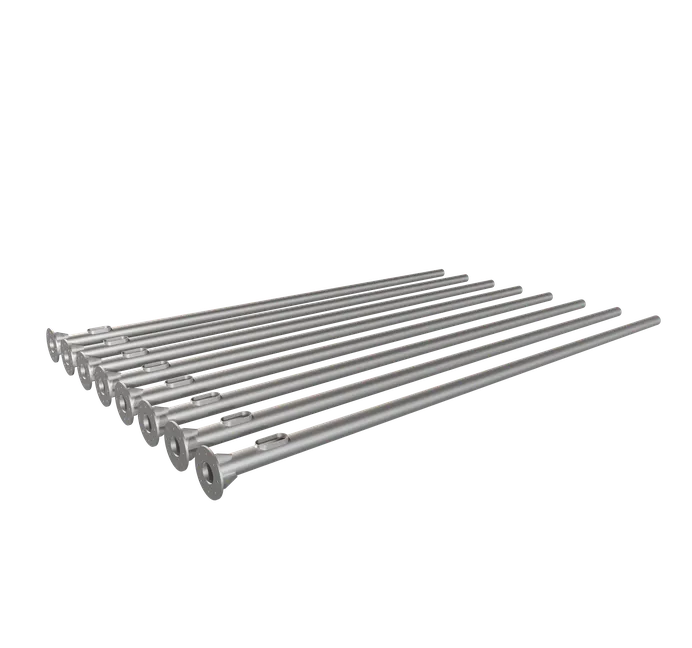
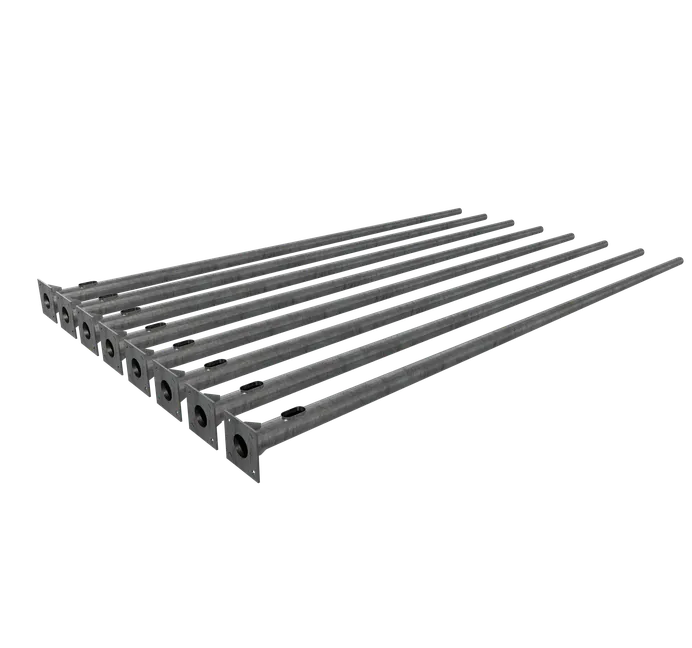
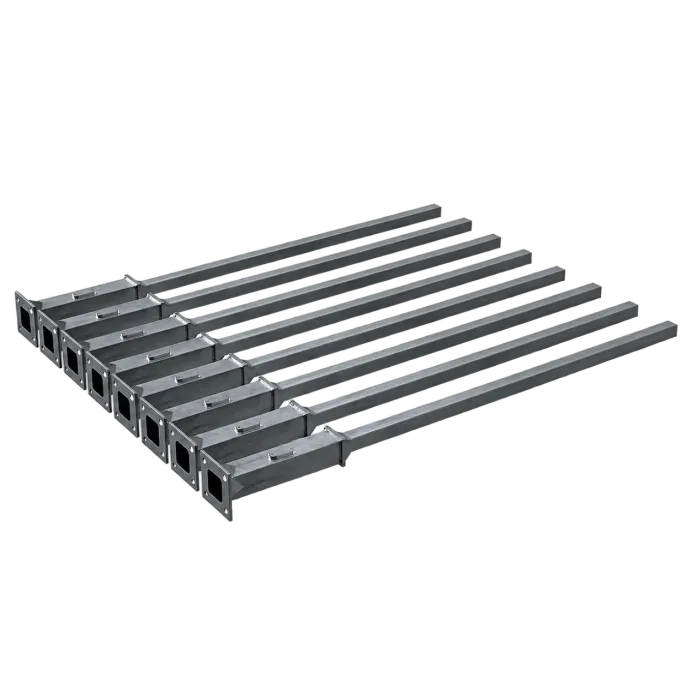
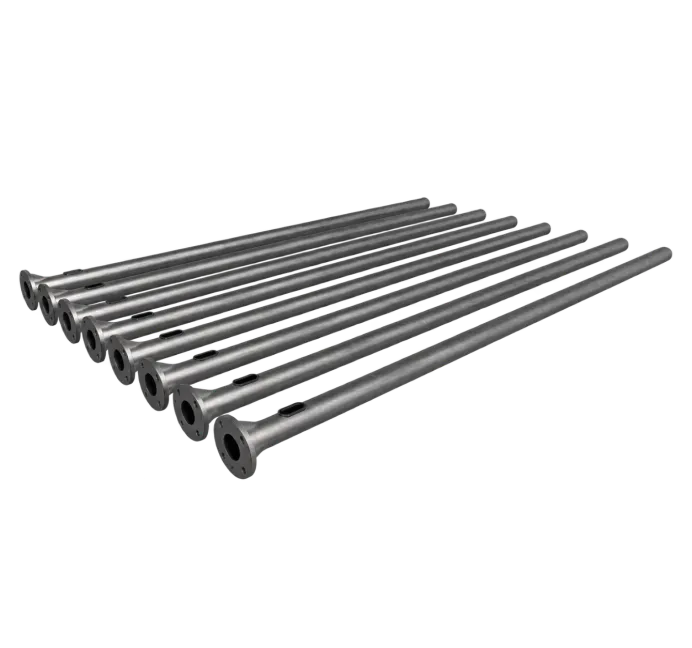
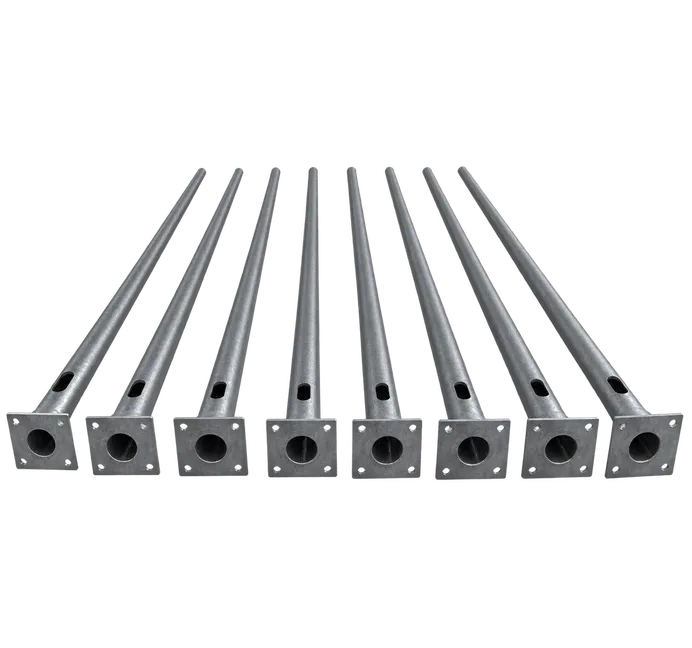
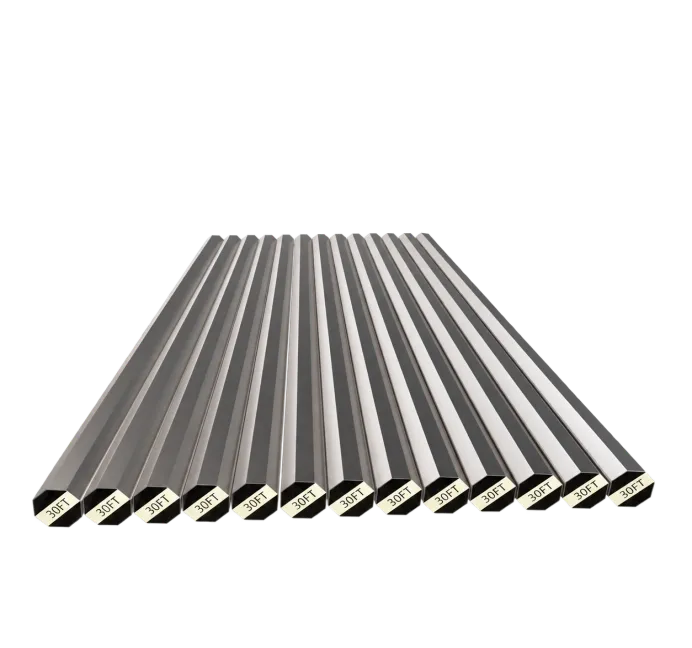
Commercial pole selection affects appearance, mounting height, wind resistance, equipment integration, maintenance access and consistency across the property.
Phoebus Lighting can combine LED or solar lights, decorative or smart poles, high mast options, controllers and accessories into a complete commercial lighting system for project procurement.
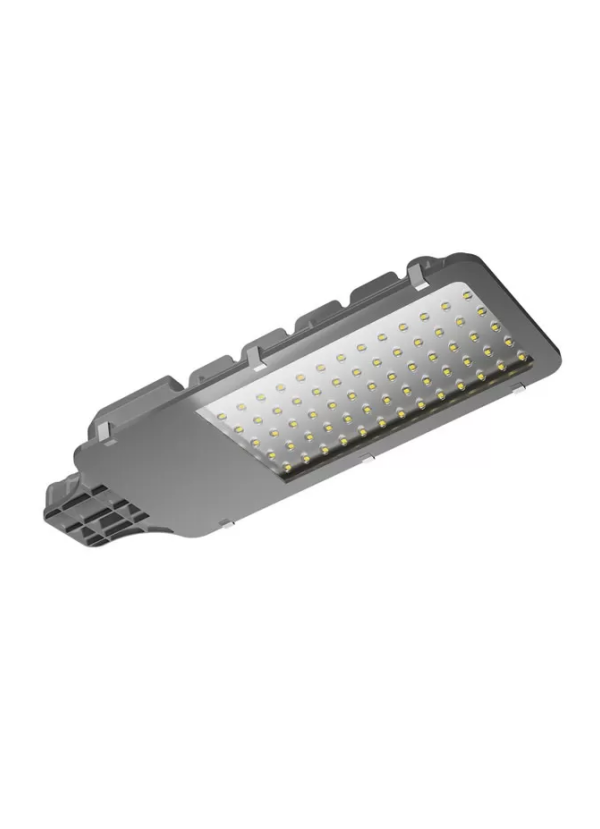
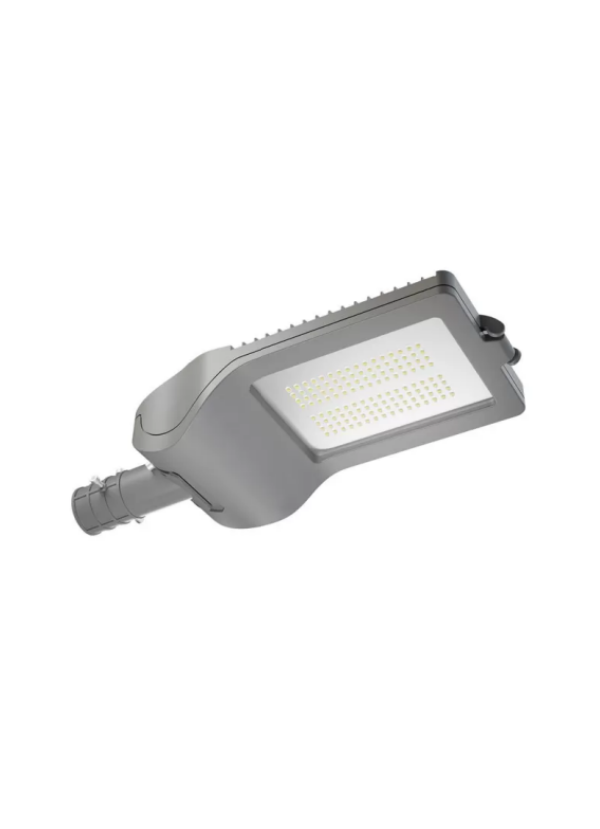
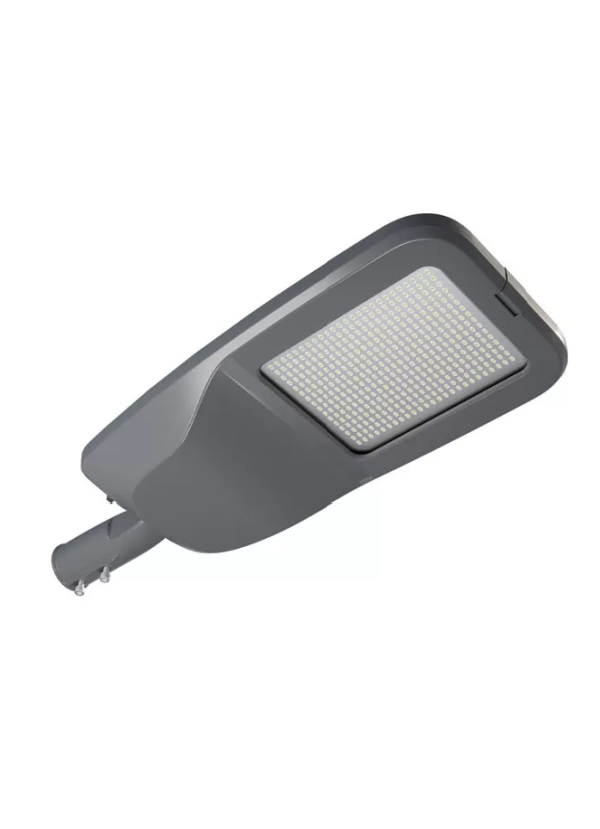
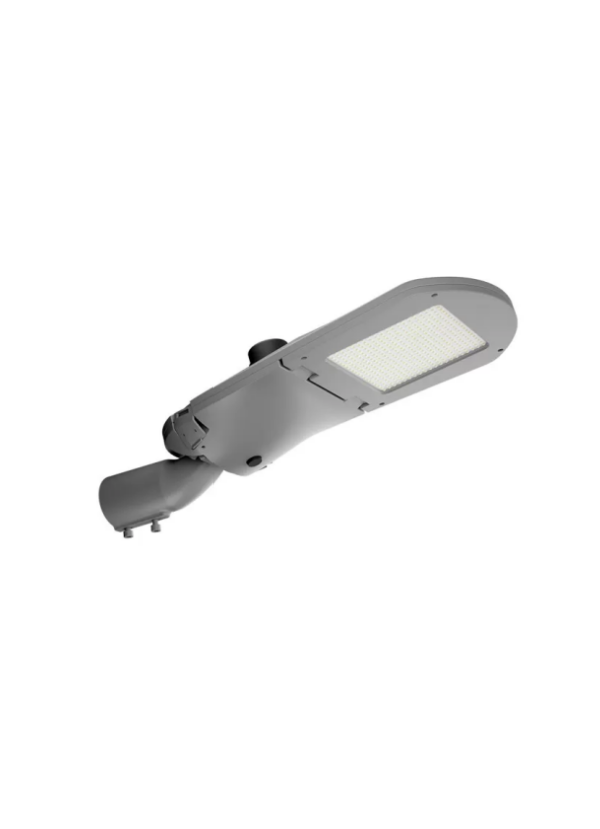
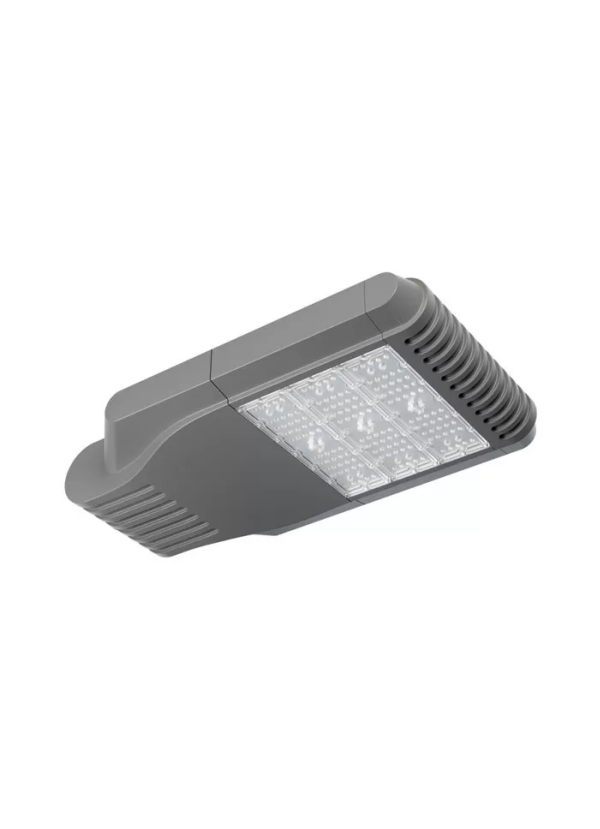
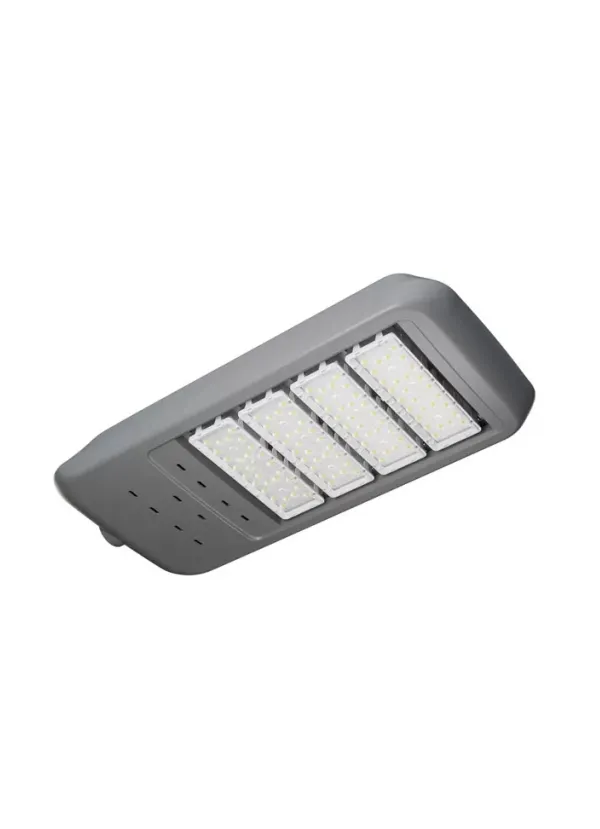
Combines low-glare LED street lights, decorative poles and coordinated finishes for customer walkways, retail streets, entrances and public-facing commercial areas.
Uses zoned LED lighting, suitable pole heights and scheduled or sensor-based controls to support safe commuting, guest comfort and lower overnight energy consumption.
Combines solar luminaires, batteries, controllers, poles and installation accessories for remote entrances, secondary roads and development zones without convenient grid access.
Integrates intelligent lighting with selected CCTV, displays, sensors, emergency functions or charging modules for commercial districts requiring centralized operation and expandable services.
Send the site plan, project country, application zones, road or walkway widths, target illuminance if available, operating hours, power conditions, preferred pole height, estimated quantity, finish or color requirements, smart-control needs and required delivery schedule. This allows the supplier to prepare a more accurate fixture, pole and control-system proposal.
Do not select the system by wattage alone. Buyers should request a lighting calculation based on the site layout, mounting height, pole position, beam distribution, target lux, uniformity and glare limits. IES or LDT files, pole drawings and a proposed spacing plan should be reviewed before the bulk order is confirmed.
Grid-powered LED street lights are usually suitable for linear roads, entrances and pedestrian routes with reliable wiring. Solar lighting is useful where trenching is difficult or where separate off-grid zones are required. High mast lighting is more appropriate for large open plazas, transport courts or expansive parking and service areas that need broad coverage from fewer pole locations.
For tender review or project approval, request product data sheets, photometric files, lighting calculations, pole and foundation drawings, bill of materials, control-system description, applicable test or compliance documents, warranty terms, spare-parts recommendations, packing details and the proposed production and delivery schedule.
Project-based OEM or ODM requirements can be discussed for fixture configuration, pole height and arm design, powder-coated color, decorative appearance, logo, packaging and optional smart modules. Buyers should submit drawings, brand requirements, target quantity and approval procedures so the scope can be confirmed before sampling and mass production.
The quotation should state warranty coverage separately for luminaires, drivers, solar components, controllers and poles. Buyers should also confirm the recommended spare-parts ratio, replaceable modules, packaging method for long poles and fragile components, container-loading plan, shipment marks and whether production can be divided into batches to match the installation schedule.