Choosing a suitable street lighting pole requires more than confirming its height. Buyers must also consider road width, wind conditions, steel grade, pole shape, wall thickness and surface treatment.
An unsuitable pole may result in poor lighting coverage, excessive project costs or reduced structural safety. As an outdoor lighting manufacturer, Phoebus Lighting recommends evaluating the complete installation environment before finalising a pole specification.
This guide explains the main factors buyers should consider when ordering street lighting poles for roads, residential areas, industrial parks and public infrastructure projects.
How to Choose the Right Street Light Pole Height
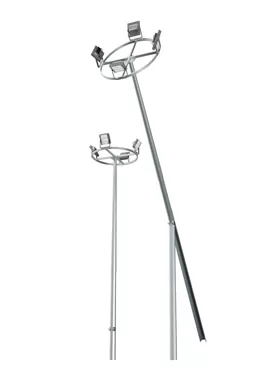
Pole height affects lighting coverage, pole spacing, luminaire power and foundation size. Common heights generally range from 6 metres to 15 metres.
Pole Height | Typical Applications |
4–6 metres | Pathways, gardens and residential areas |
7–9 metres | Urban streets and commercial areas |
10–12 metres | Main roads and industrial zones |
12–15 metres | Highways and large intersections |
A taller pole can illuminate a wider area, but it does not always provide better lighting. The correct height depends on road width, fixture wattage, beam angle and the required illumination level.
For example, a narrow community road may only require a 6-metre pole, while a multi-lane road may require a 10-metre or 12-metre street light pole.
Pole height should be evaluated together with spacing. If poles are too far apart, dark areas may appear. If they are too close, the project may require unnecessary poles, foundations and cables.
Buyers should provide the manufacturer with:
· Road width and number of lanes
· Required illumination level
· Proposed pole spacing
· Luminaire wattage
· Local wind speed
· Installation arrangement
A lighting simulation can help determine the most suitable height and spacing.
Choosing the Right Steel Material
Steel is widely used for lighting poles because it offers good structural strength, fabrication flexibility and cost efficiency.
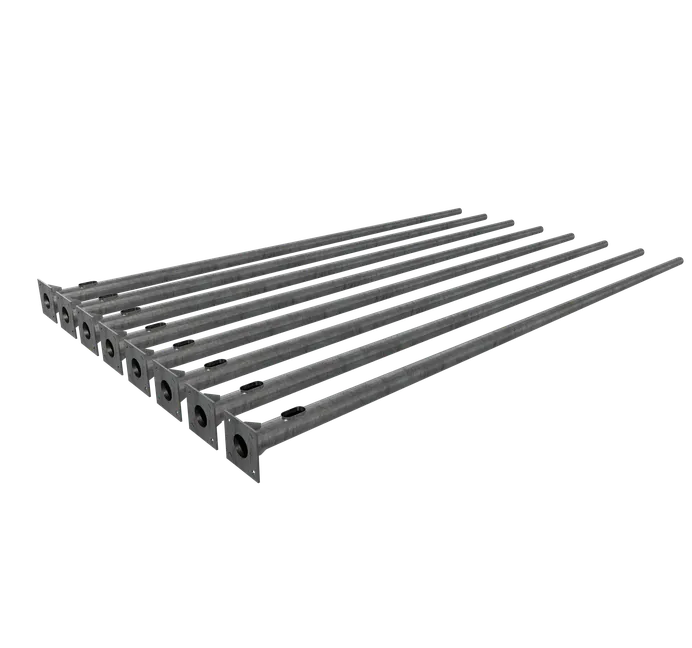
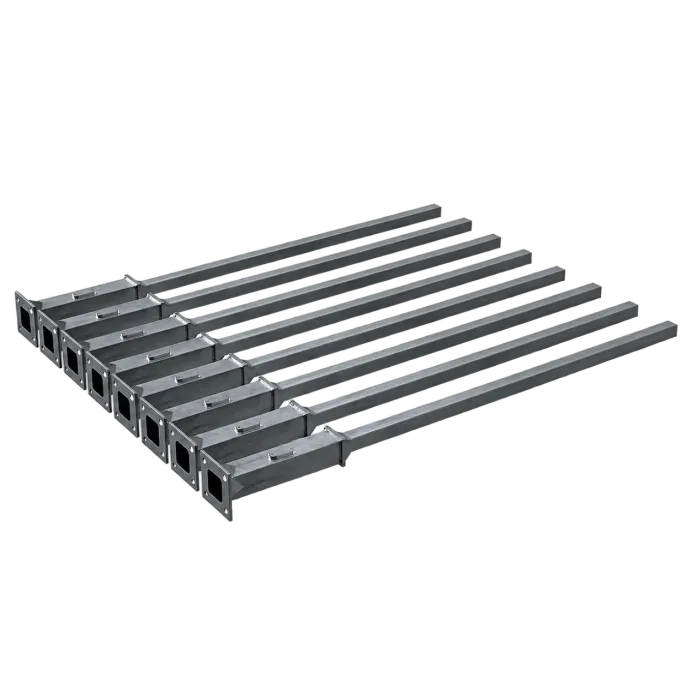
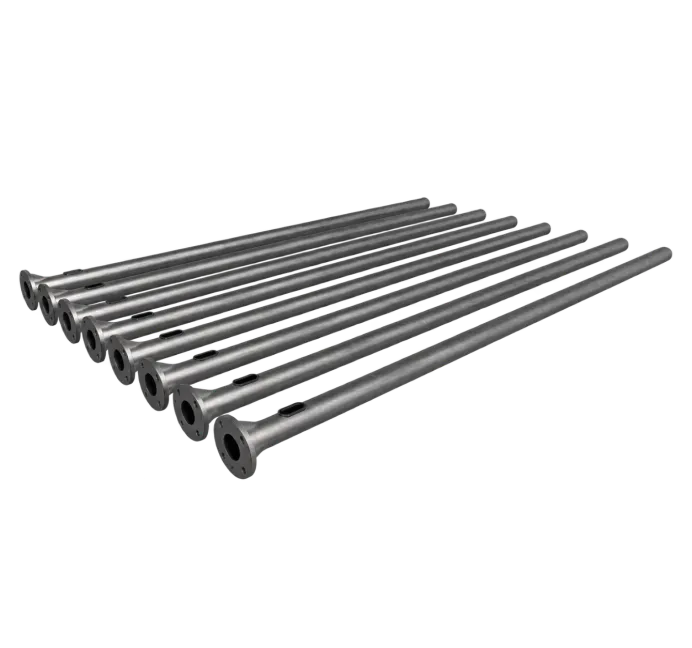
A steel light pole can be manufactured in different heights, diameters, shapes and thicknesses. Q235 and Q345 are two common structural steel grades.
Q235 Steel
Q235 is often used for standard-height poles installed on residential roads, city streets and commercial sites.
Its advantages include:
· Good weldability
· Easy manufacturing
· Wide availability
· Competitive cost
Q345 Steel
Q345 has higher strength and may be used for taller poles, high-wind areas or poles carrying heavier equipment.
However, steel grade is only one part of the design. Pole diameter, wall thickness, fixture weight, arm length and wind pressure must also be considered.
A correctly designed Q235 pole may perform better than a poorly designed Q345 pole. Buyers should therefore review the complete pole specification instead of selecting a product based only on material grade.
How to Determine Pole Wall Thickness
Wall thickness affects pole strength, weight and cost. A thicker pole is not always necessary.
The correct thickness depends on:
· Pole height and diameter
· Steel grade
· Pole shape
· Luminaire weight
· Arm length
· Wind speed
· Additional equipment
A short single-arm pole carrying one LED fixture normally requires less steel than a tall double-arm pole.
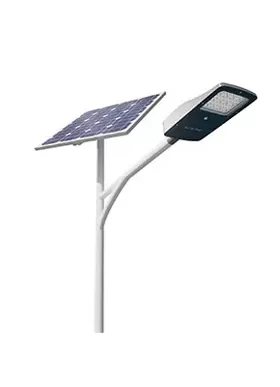
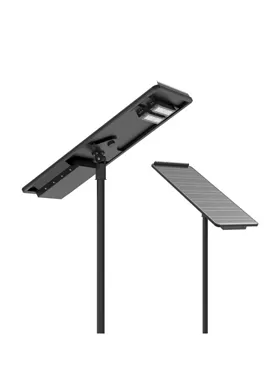
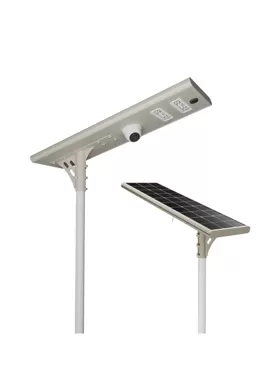
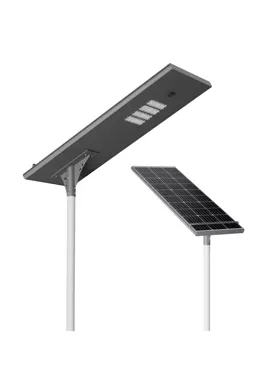
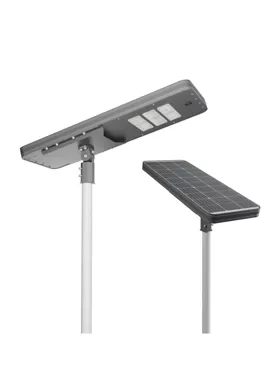
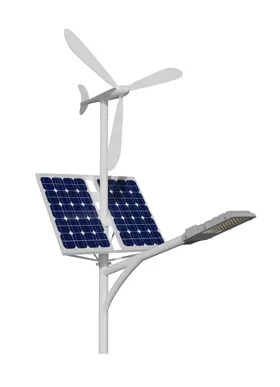
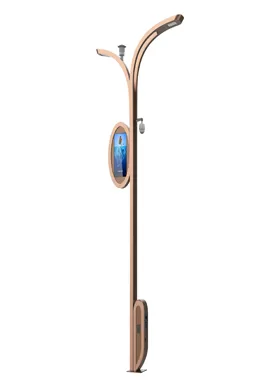
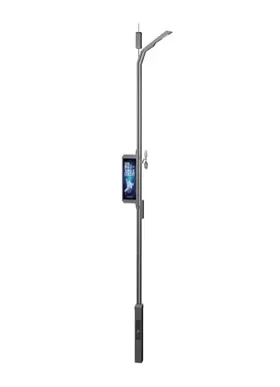
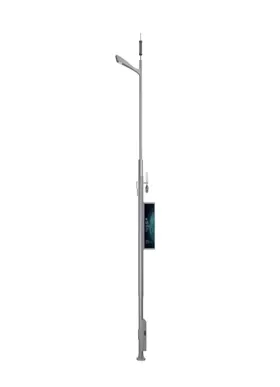
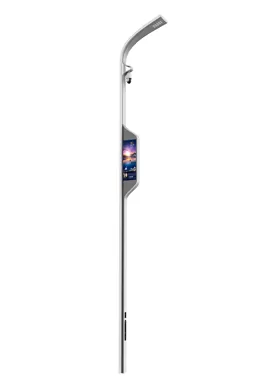
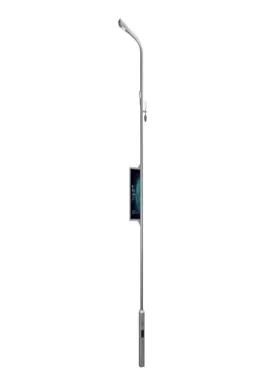
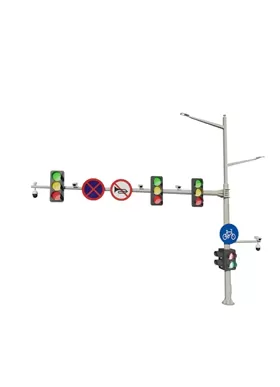
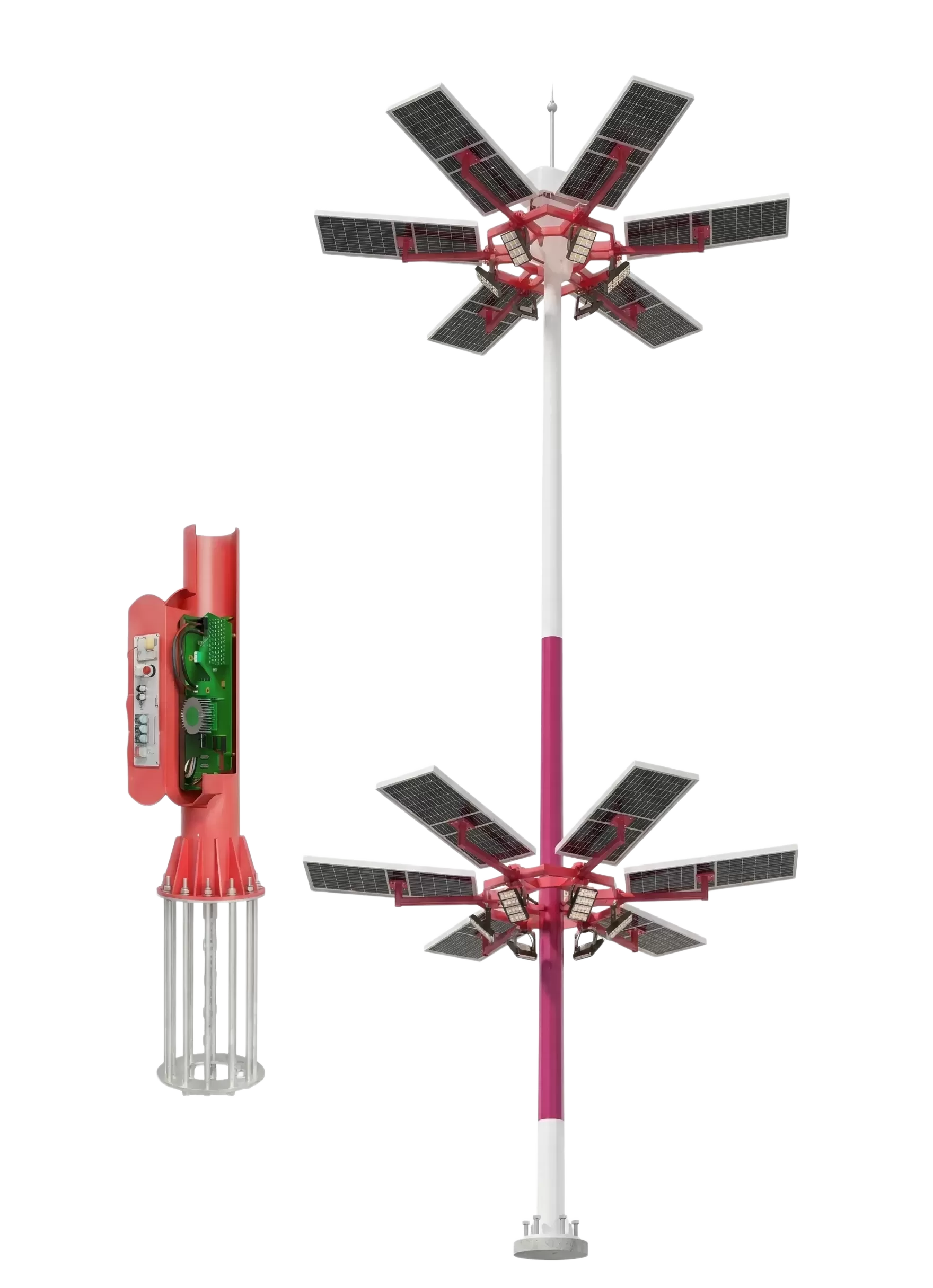
Cameras, solar panels, displays and communication equipment increase both weight and wind load. These accessories must be included in the structural calculation.
Instead of requesting an arbitrary thickness, buyers should provide the complete project conditions and allow the manufacturer to recommend a suitable design.
Conical vs Octagonal Light Poles
Conical and octagonal poles are commonly used in road lighting projects.
Conical Poles
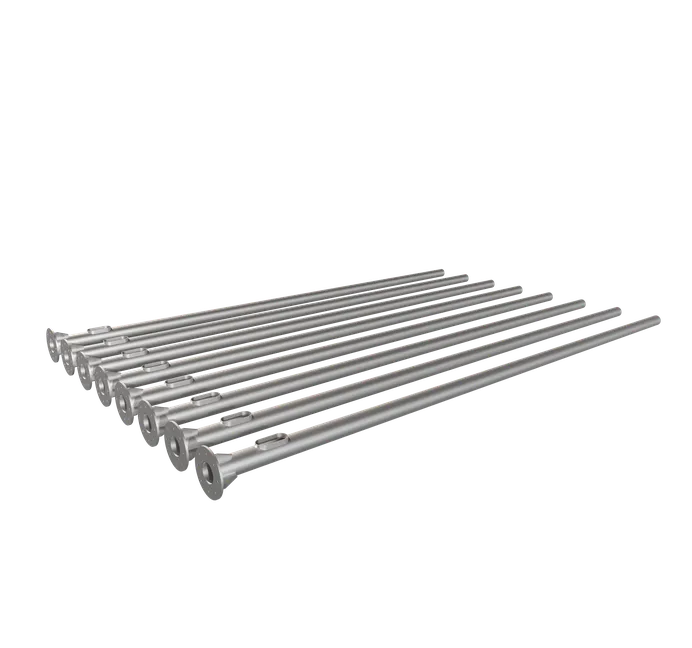
A conical pole has a smooth, gradually tapered circular profile.
Its main advantages include:
· Modern appearance
· Smooth exterior surface
· Good wind flow around the pole
· Suitability for urban and residential projects
Octagonal Poles
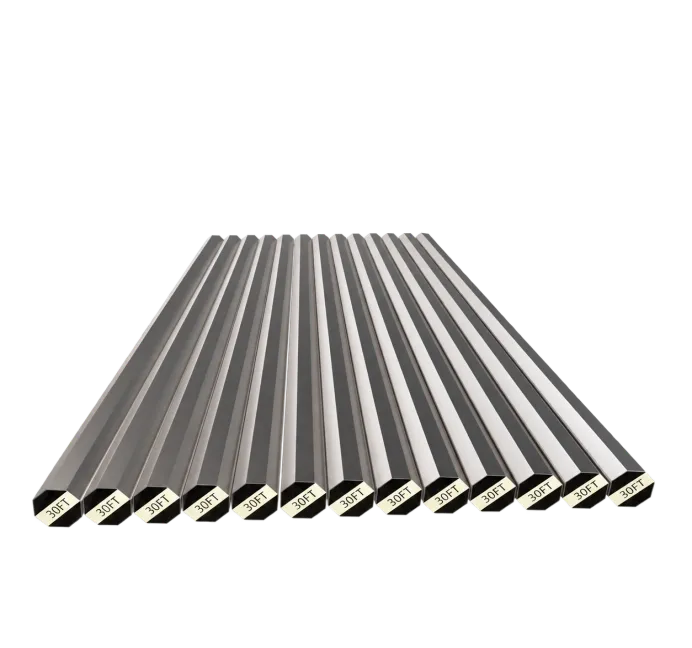
An octagonal pole is formed by bending steel plate into eight sides.
Its main advantages include:
· Good structural rigidity
· Efficient manufacturing
· Convenient bracket alignment
· Suitability for roads and highways
Neither shape is suitable for every project. Conical poles are often selected when appearance is important, while octagonal poles are widely used in standard municipal and infrastructure projects.
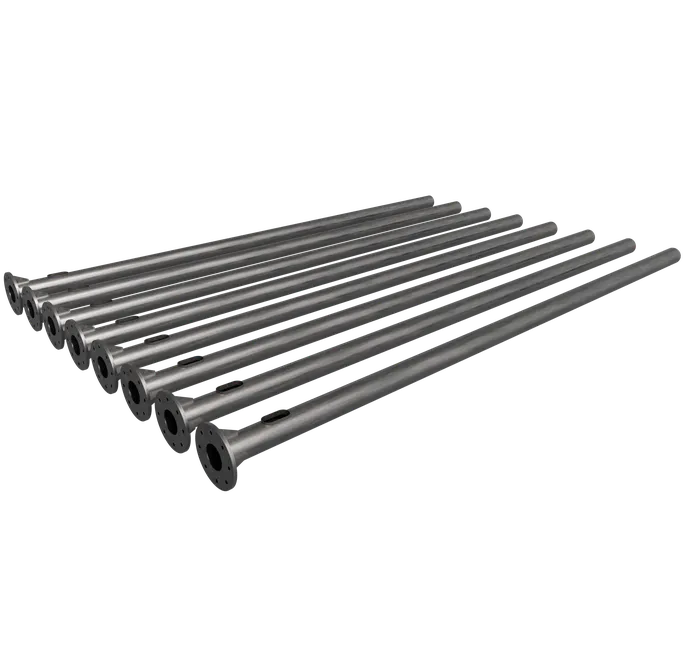
Buyers should also confirm whether the pole will be supplied as a single section, slip-joint structure or flange-connected structure.
Single-Arm vs Double-Arm Poles
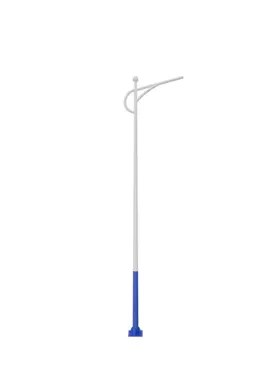
A single-arm pole supports one luminaire and is commonly used for narrow roads, pathways and residential streets.
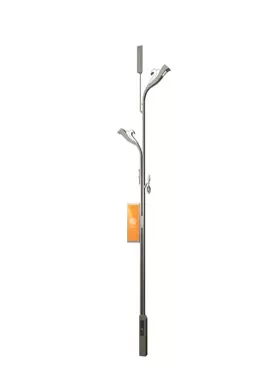
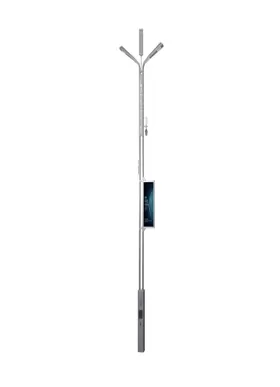
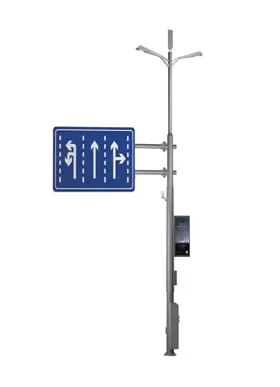
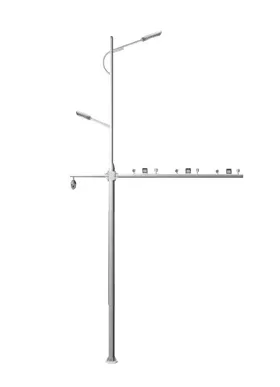
A double-arm pole supports two luminaires, usually facing opposite directions. It is commonly installed on central road medians, wide roads and intersections.
Double-arm designs may reduce the number of required poles, but they also create additional weight and wind load. Buyers should confirm:
· Arm length
· Uplift angle
· Fixture mounting diameter
· Luminaire weight
· Arm direction
These details affect both lighting distribution and structural safety.
Galvanized vs Powder Coated Light Poles
Outdoor poles are exposed to rain, moisture, sunlight and pollution. Surface treatment is therefore necessary to prevent corrosion.
Hot-Dip Galvanizing
Hot-dip galvanizing involves immersing the completed steel pole in molten zinc. The zinc layer protects the steel from moisture and corrosion.
A galvanized pole is suitable for roads, highways, industrial areas and coastal environments.
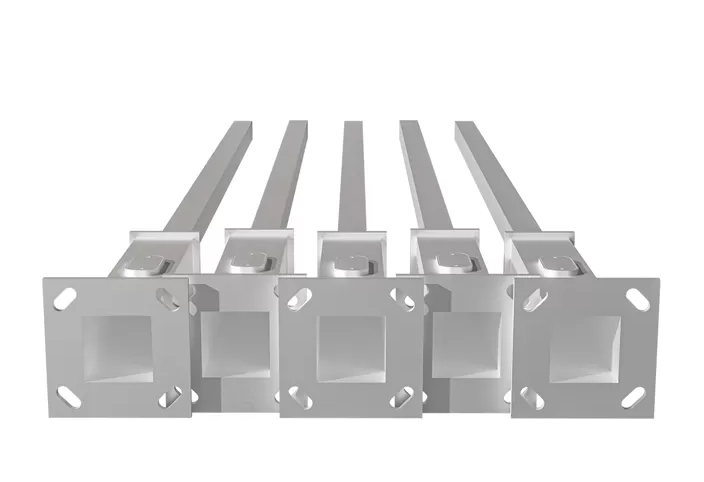
Its main benefits include:
· Strong corrosion resistance
· Long outdoor service life
· Reduced maintenance
· Protection for internal and external surfaces
Buyers should confirm the galvanizing standard and zinc coating thickness before production.
Powder Coating
Powder coating creates a coloured protective layer on the pole surface.
A powder coated pole is commonly used for parks, residential developments, commercial streets and landscape lighting.
Powder coating provides different colour choices, including black, grey, white, green and customised RAL colours.
For stronger protection, powder coating can be applied over a galvanized surface. This combination provides corrosion resistance together with a more decorative appearance.
Base Plate and Foundation Requirements
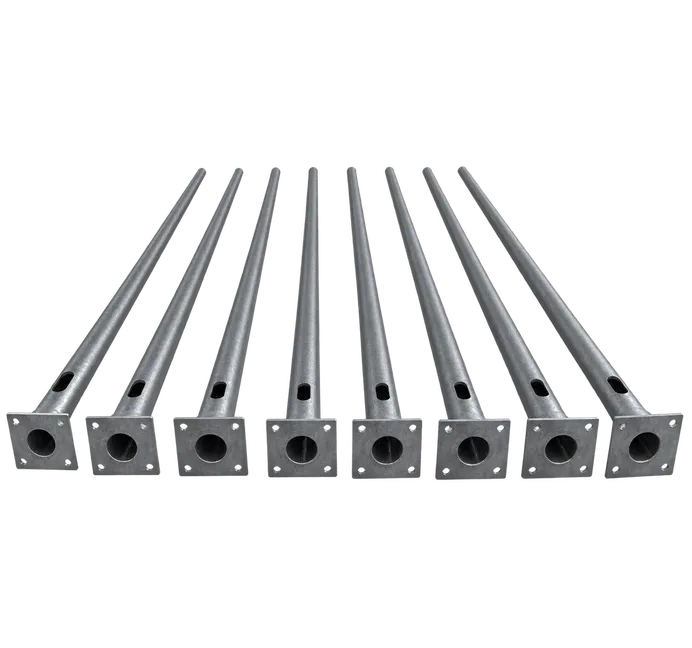
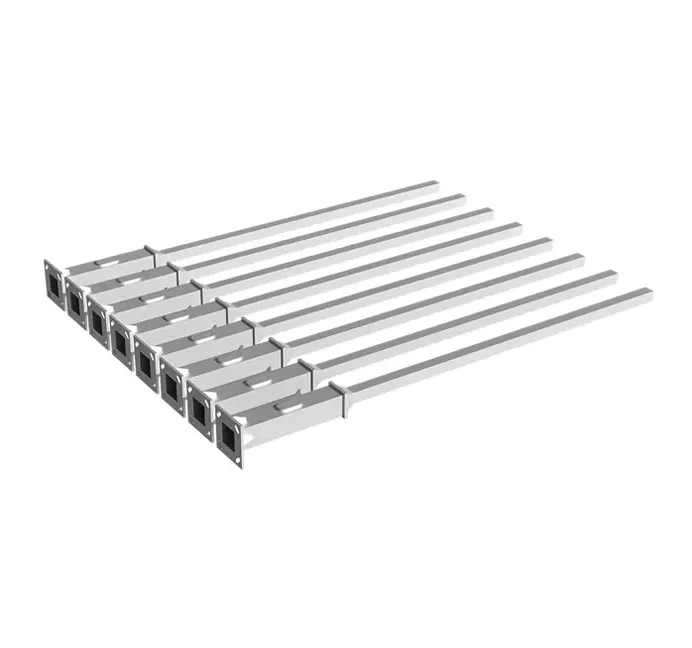
The base plate, anchor bolts and concrete foundation transfer the pole load into the ground.
Buyers should confirm:
· Base plate dimensions
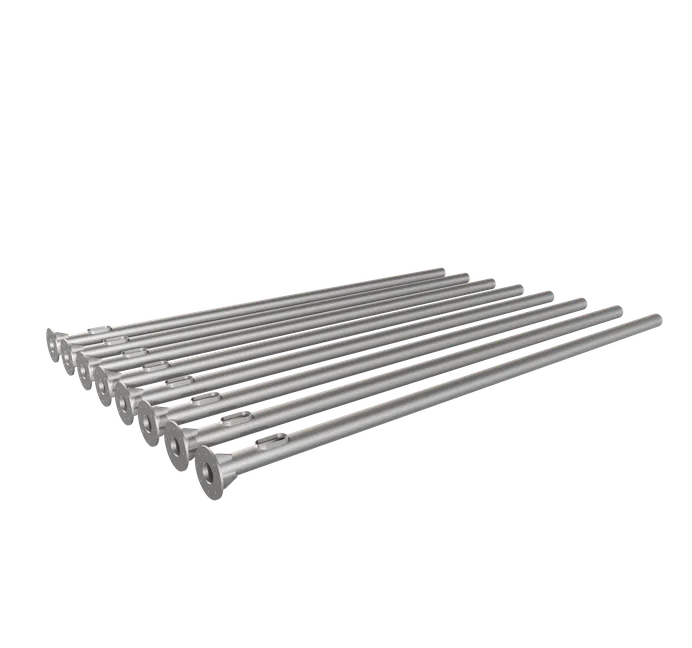
· Anchor bolt quantity and diameter
· Bolt circle size
· Foundation depth
· Cable entry position
· Local soil conditions
The anchor bolt layout should be confirmed before foundation construction. A mismatch between the foundation and pole base can cause installation delays.
Foundation size should be calculated according to pole height, fixture weight, wind load and soil conditions.
Information Buyers Should Provide
A complete inquiry should include:
1. Required quantity
2. Pole height
3. Pole shape
4. Steel grade
5. Wall thickness
6. Single-arm or double-arm design
7. Luminaire weight
8. Local wind speed
9. Surface treatment
10. Required colour
11. Base plate requirements
12. Installation country
When detailed specifications are unavailable, buyers can provide road drawings and lighting requirements. The technical team at Phoebus Lighting can then recommend a pole configuration based on the application, environmental conditions and installation requirements.
FAQs about Street Light Poles
What is the most common street light pole height?
Most street lighting poles range from 6 metres to 12 metres. The correct height depends on road width, fixture output and pole spacing.
Is Q345 steel better than Q235 steel?
Q345 has higher strength, but Q235 is suitable for many standard projects. The final choice should be based on structural requirements.
Which is better, conical or octagonal poles?
Both can provide reliable performance. Conical poles offer a smooth appearance, while octagonal poles are widely used for municipal road projects.
Should light poles be galvanized or powder coated?
Galvanizing provides corrosion protection, while powder coating provides colour and an additional surface layer. Both treatments can also be combined.
Can a pole support cameras or solar panels?
Yes, but the additional weight and wind load must be included in the pole and foundation design.
Conclusion
Selecting the right lighting pole requires coordinated decisions about height, steel grade, thickness, shape, arm configuration and surface finish.
The best pole is not necessarily the tallest or thickest option. It should provide the required lighting coverage, withstand local environmental loads and remain reliable throughout the expected project life.
Before ordering, buyers should provide complete project conditions and review the pole drawing, material specification, surface treatment and foundation requirements. Phoebus Lighting can support project buyers with customised pole specifications for different roads, public spaces and outdoor lighting applications.

 English
  français
  Deutsch
  Español
  русский
  português
  العربية
  Afrikaans
  עברי
עברי  Latinae
  Pilipino