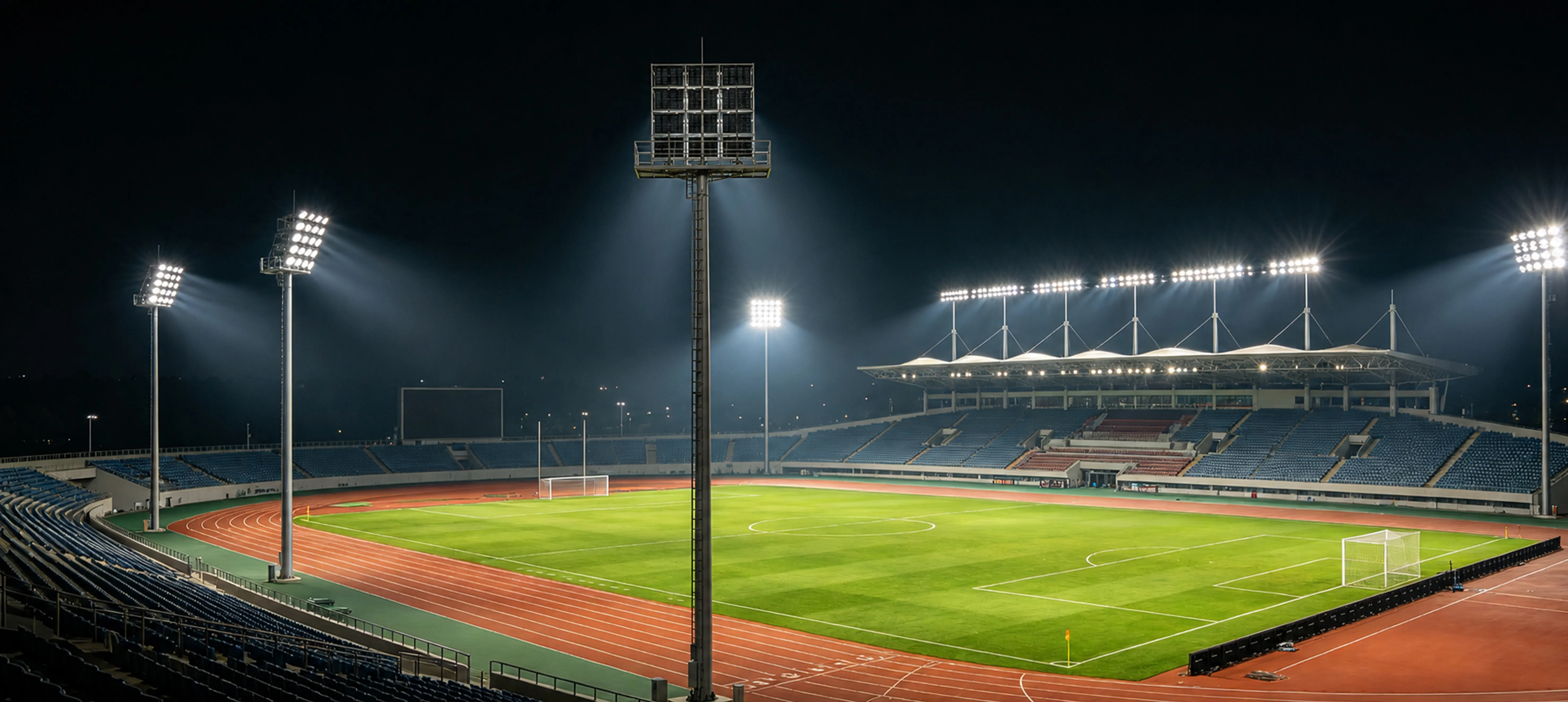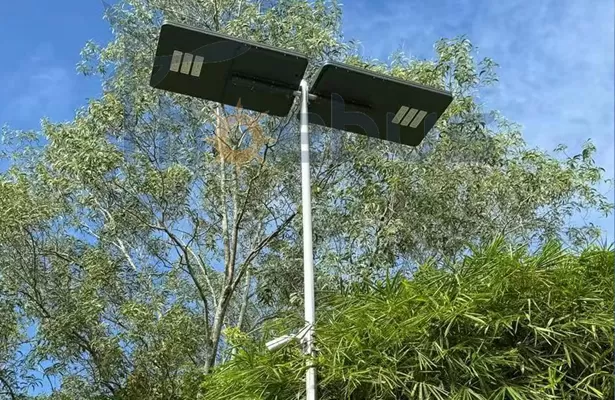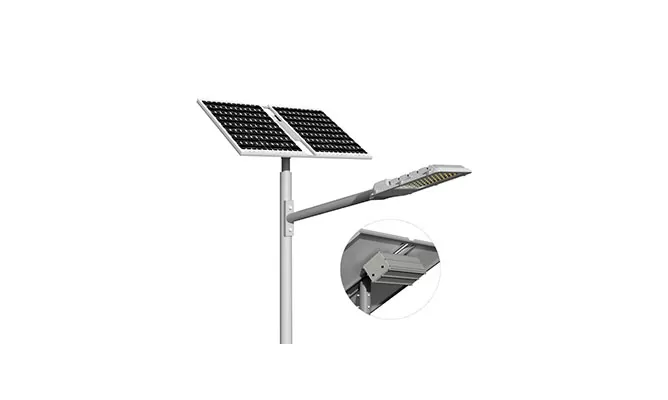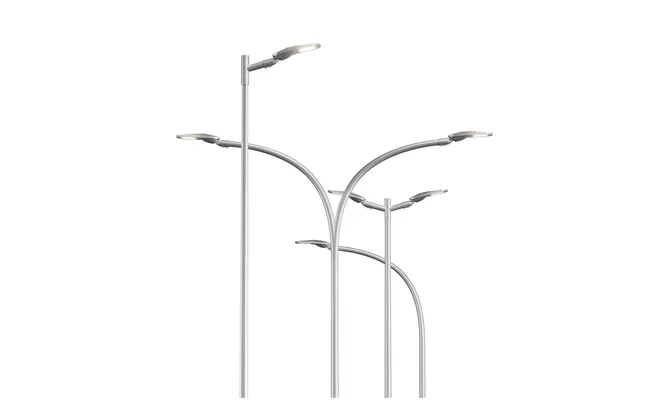
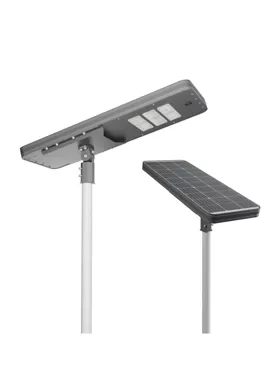
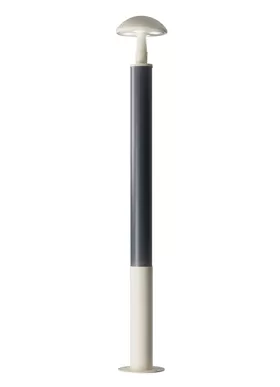
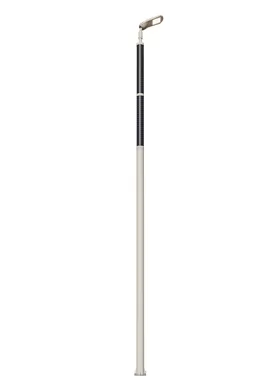
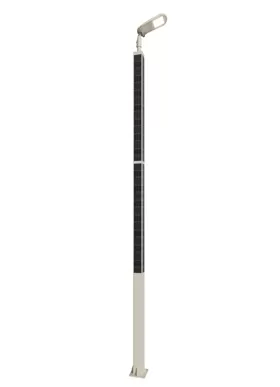
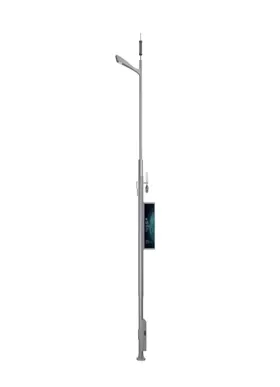
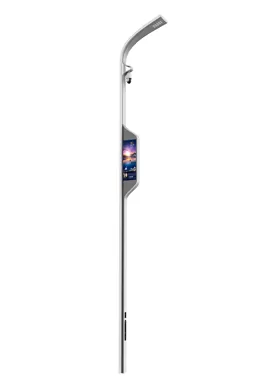
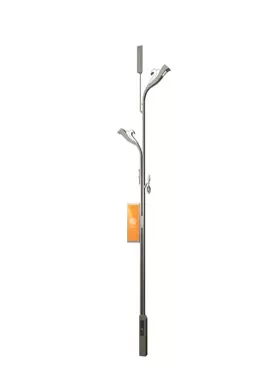
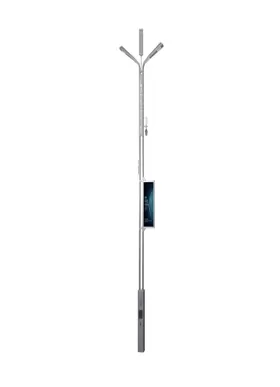
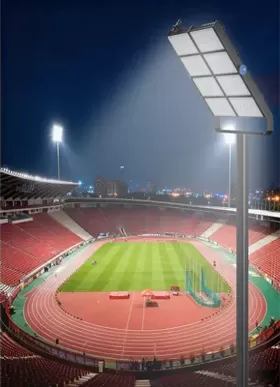
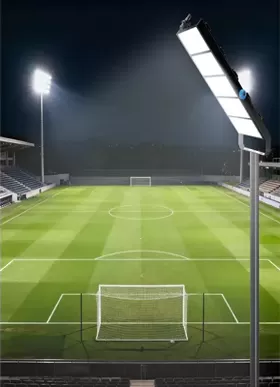
A sports lighting project must balance player visibility, spectator comfort, camera performance, structural safety and lifecycle cost before product selection.
Playing surfaces need consistent horizontal and vertical illumination without dark zones or excessive hotspots. The required result changes between community training, school competition, professional matches and televised events.
Athletes, referees, spectators and cameras must follow fast-moving objects clearly. Poor aiming, uncontrolled glare or unsuitable drivers can reduce visual comfort and affect slow-motion or high-definition recording.
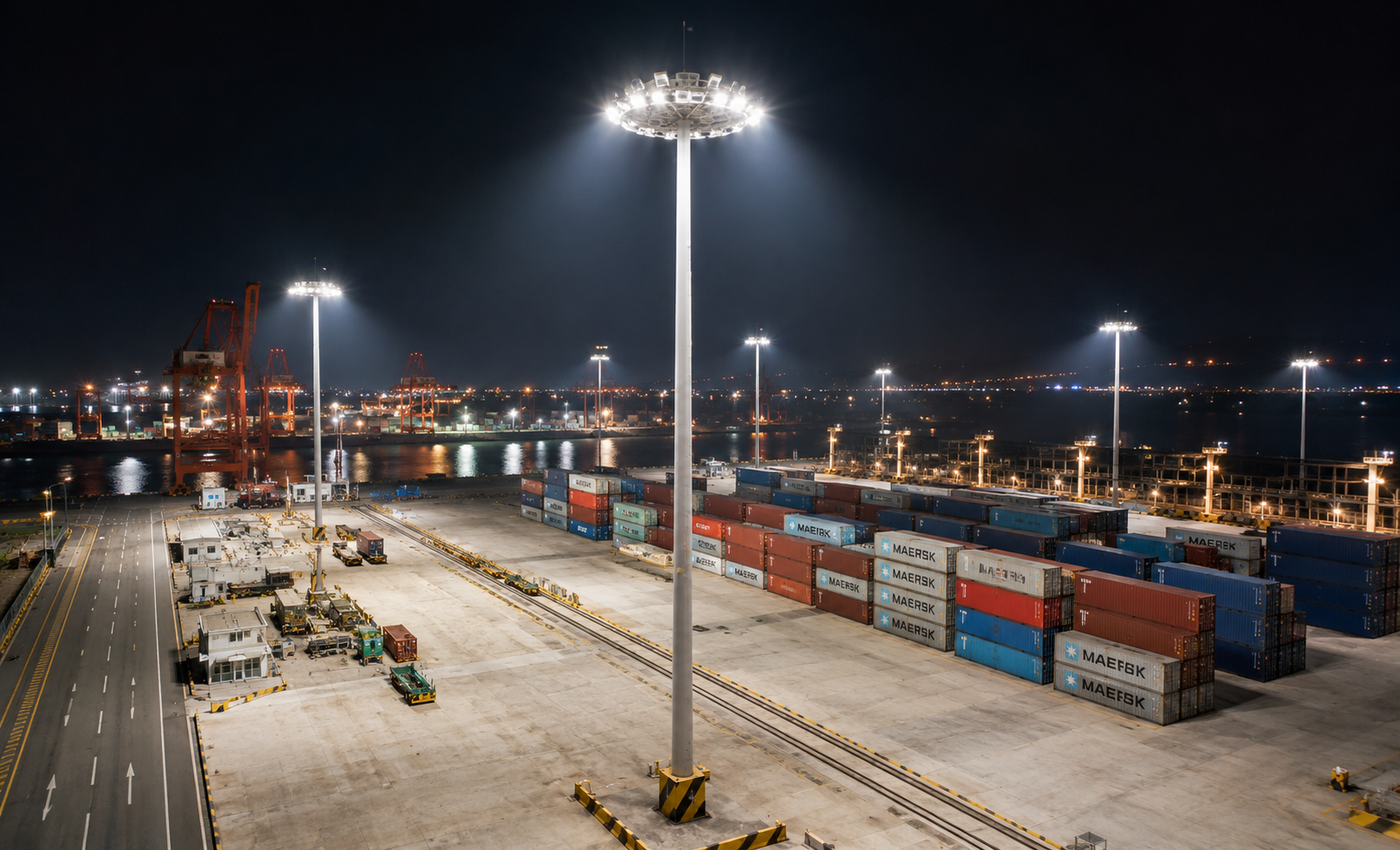
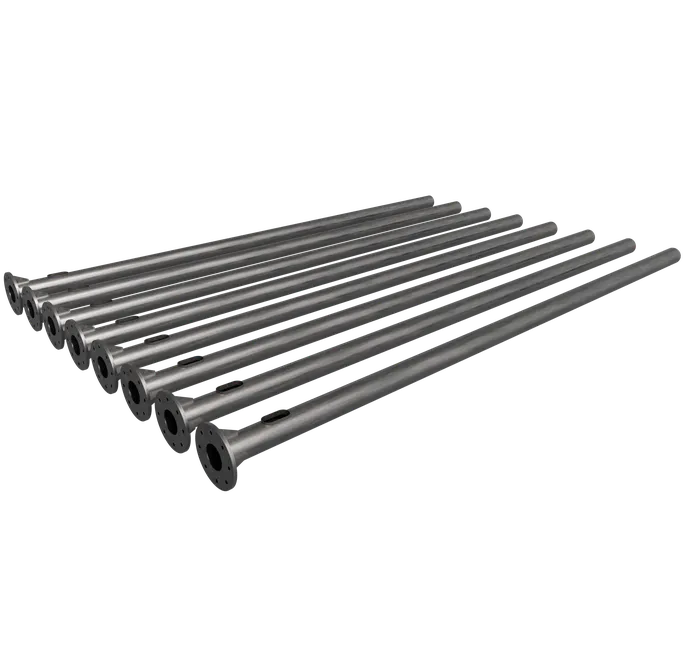
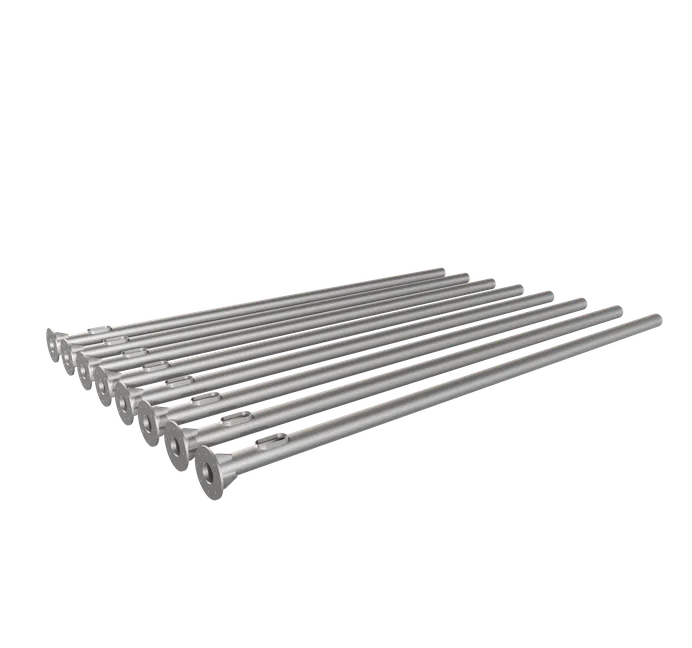
Sports fields often require tall poles or high masts exposed to wind and weather. Buyers must coordinate structural design, foundations, access systems, corrosion protection, spare parts and maintenance procedures before installation.
Use the sport type, field dimensions, usage level, camera requirements and available pole positions to select the correct stadium luminaires, optics, poles and controls.
| Project Condition | Recommended Sports Lighting System | Why It Fits | What Buyers Should Send |
|---|---|---|---|
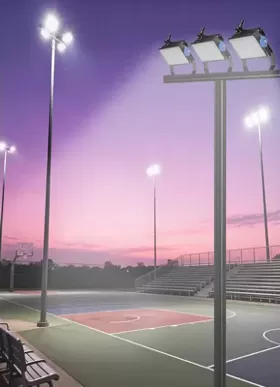
| Community basketball, tennis or multi-use courts | Outdoor sports court lighting system | Supports recreational and training use with controlled beam distribution, practical pole layouts and reduced glare for nearby users. | Court dimensions, sport type, target lux, operating hours, pole positions, voltage and quantity. |
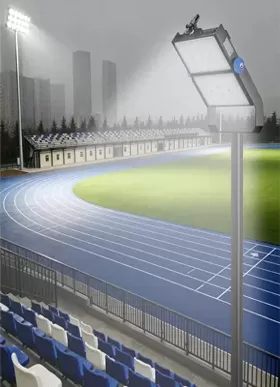
| Running track with field-event zones | Athletics track and field lighting system | Provides continuous linear lighting around the track while strengthening visibility in jumping, throwing and infield areas. | Track layout, field-event locations, stand positions, competition level and required horizontal or vertical illuminance. |
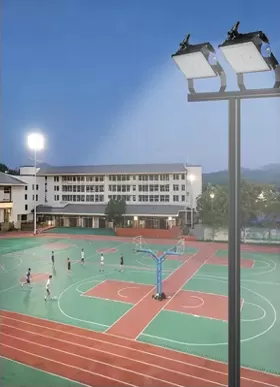
| School or campus sports ground | Campus stadium lighting system | Balances student safety, training quality, school budgets and multi-sport scheduling across football, athletics and outdoor courts. | Site plan, sports list, class schedule, available power, pole restrictions, budget range and delivery schedule. |
| Professional multi-purpose venue | Comprehensive stadium lighting system | Supports multiple competition modes, spectator areas, camera positions and centralized control with higher uniformity and engineering requirements. | Architectural drawings, seating and roof data, competition class, camera plan, target lighting metrics and control requirements. |
| Full-size football or soccer field | Football field lighting system | Uses field-specific optical distribution and high mast layouts to improve visibility in penalty areas, midfield, sidelines and camera-facing zones. | Pitch size, training or match level, broadcast needs, pole coordinates, local wind speed and desired switching modes. |
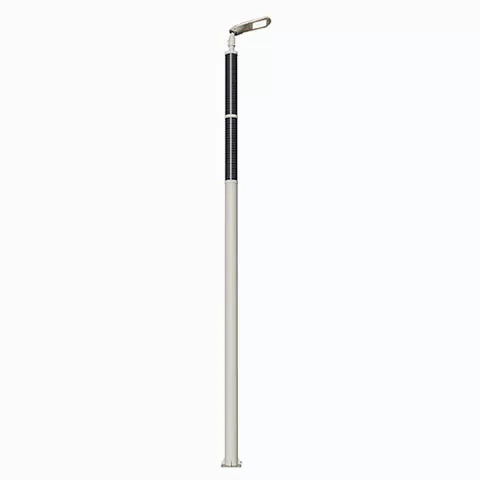
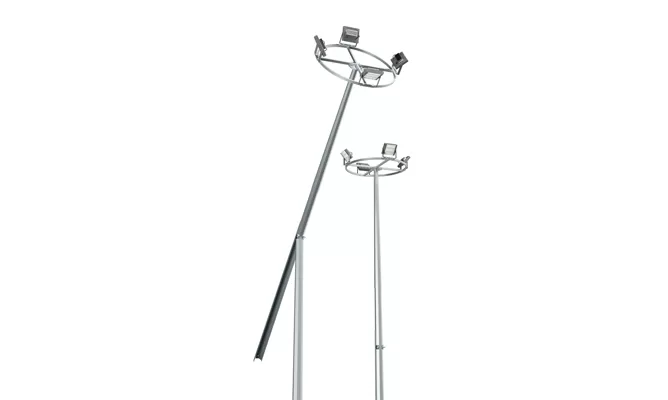
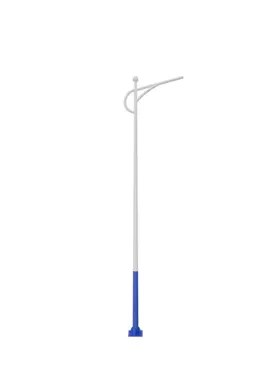
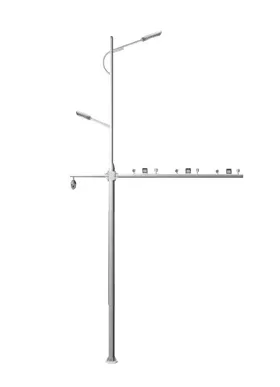
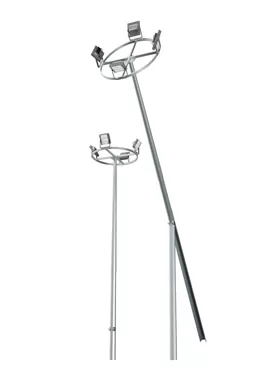
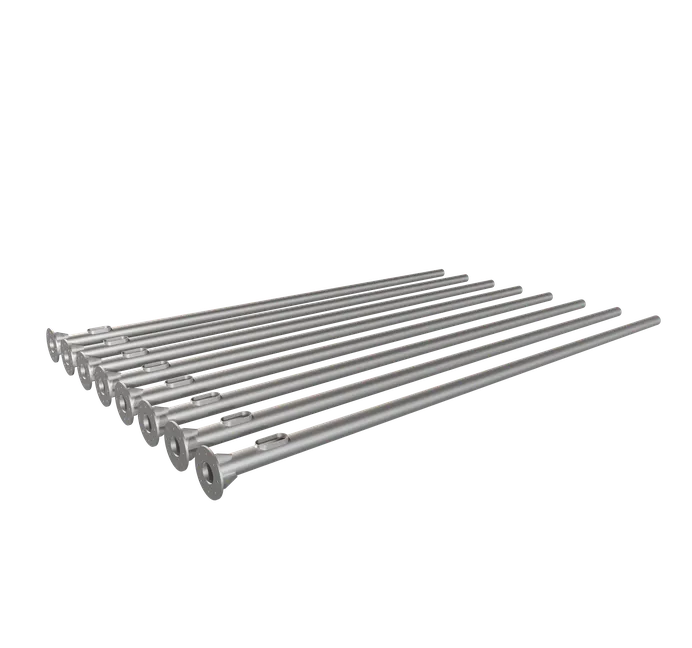
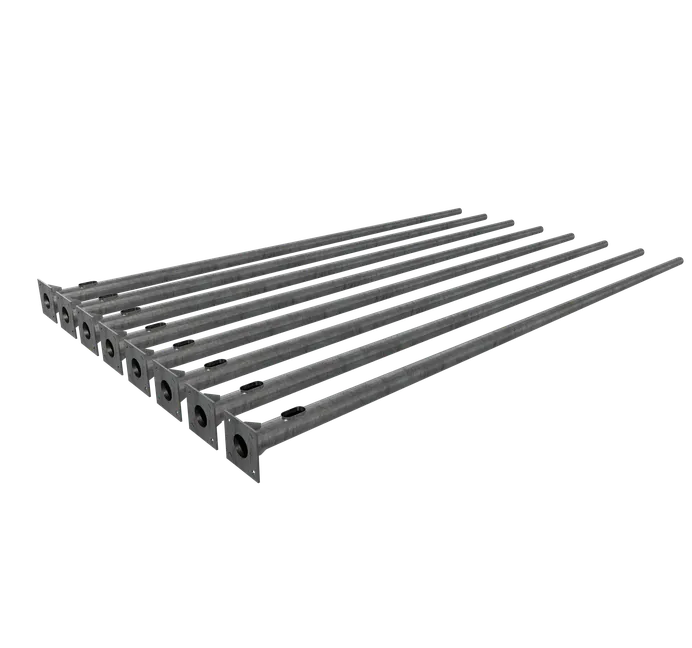
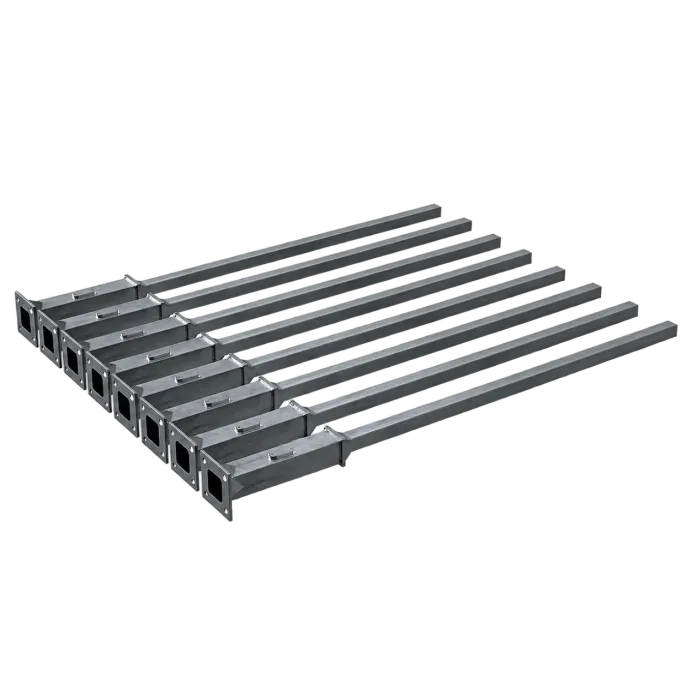
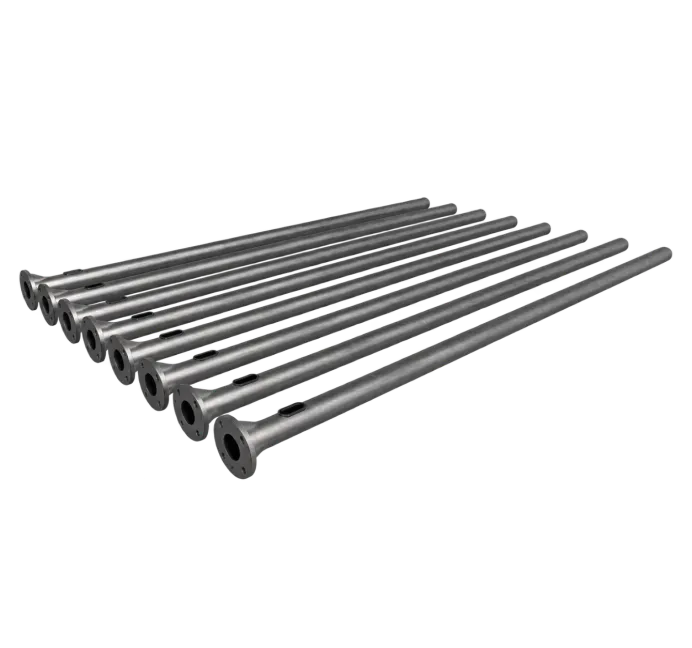
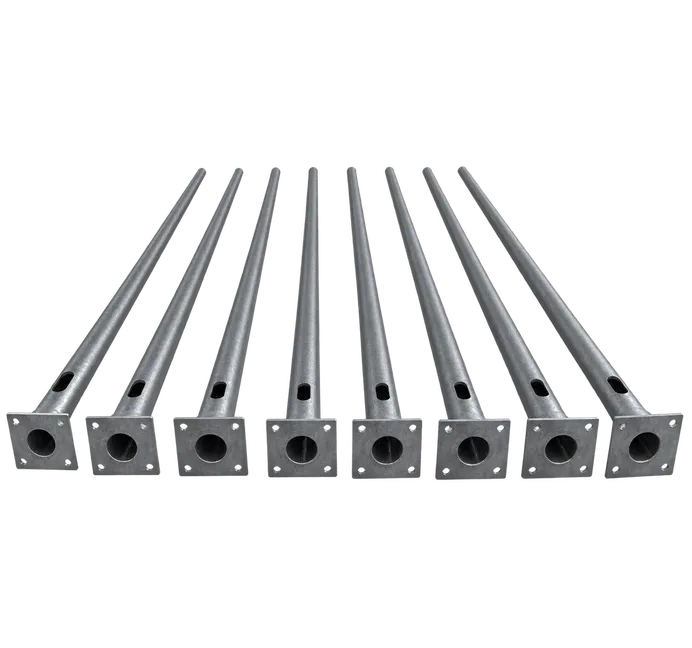
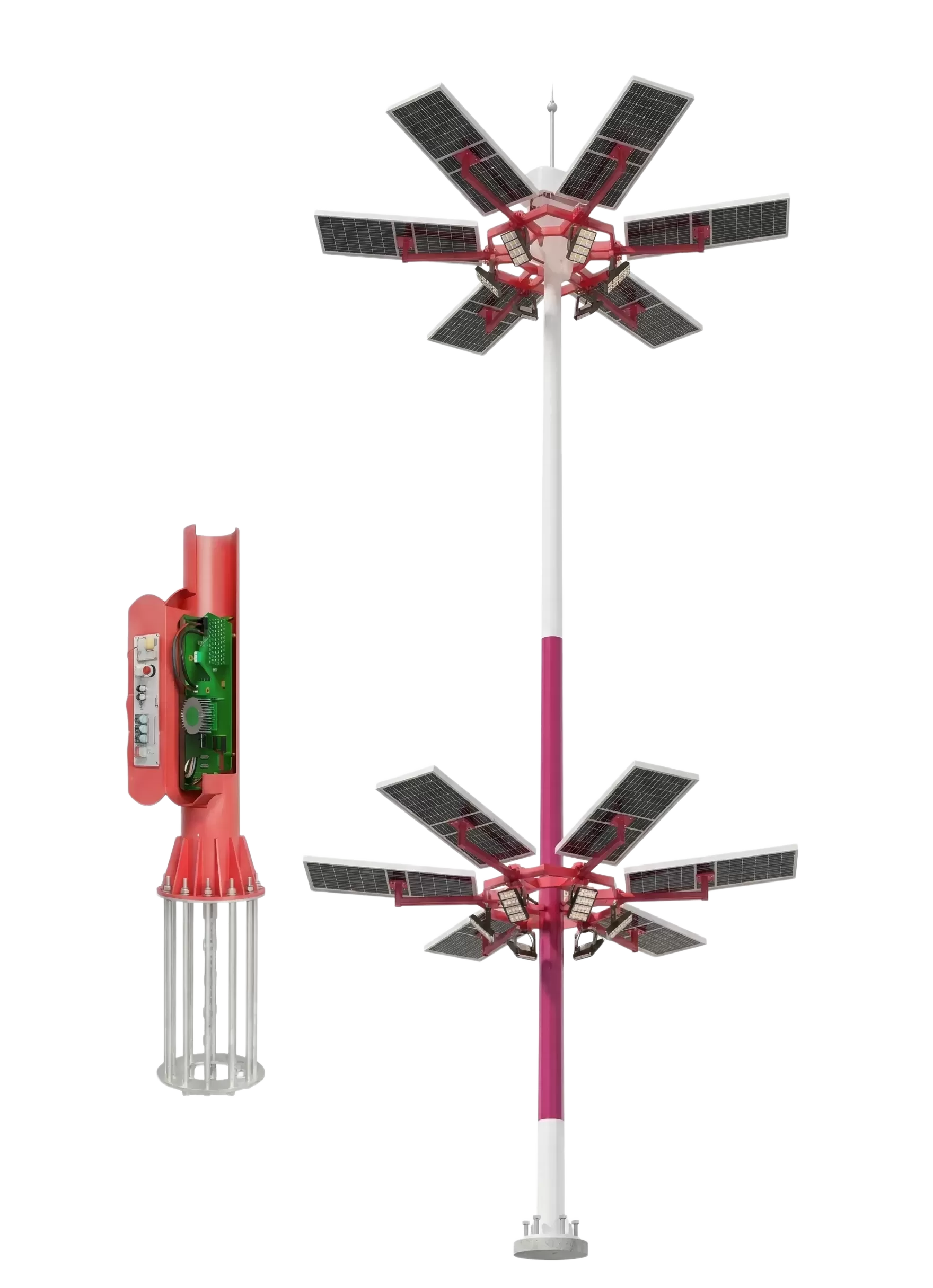
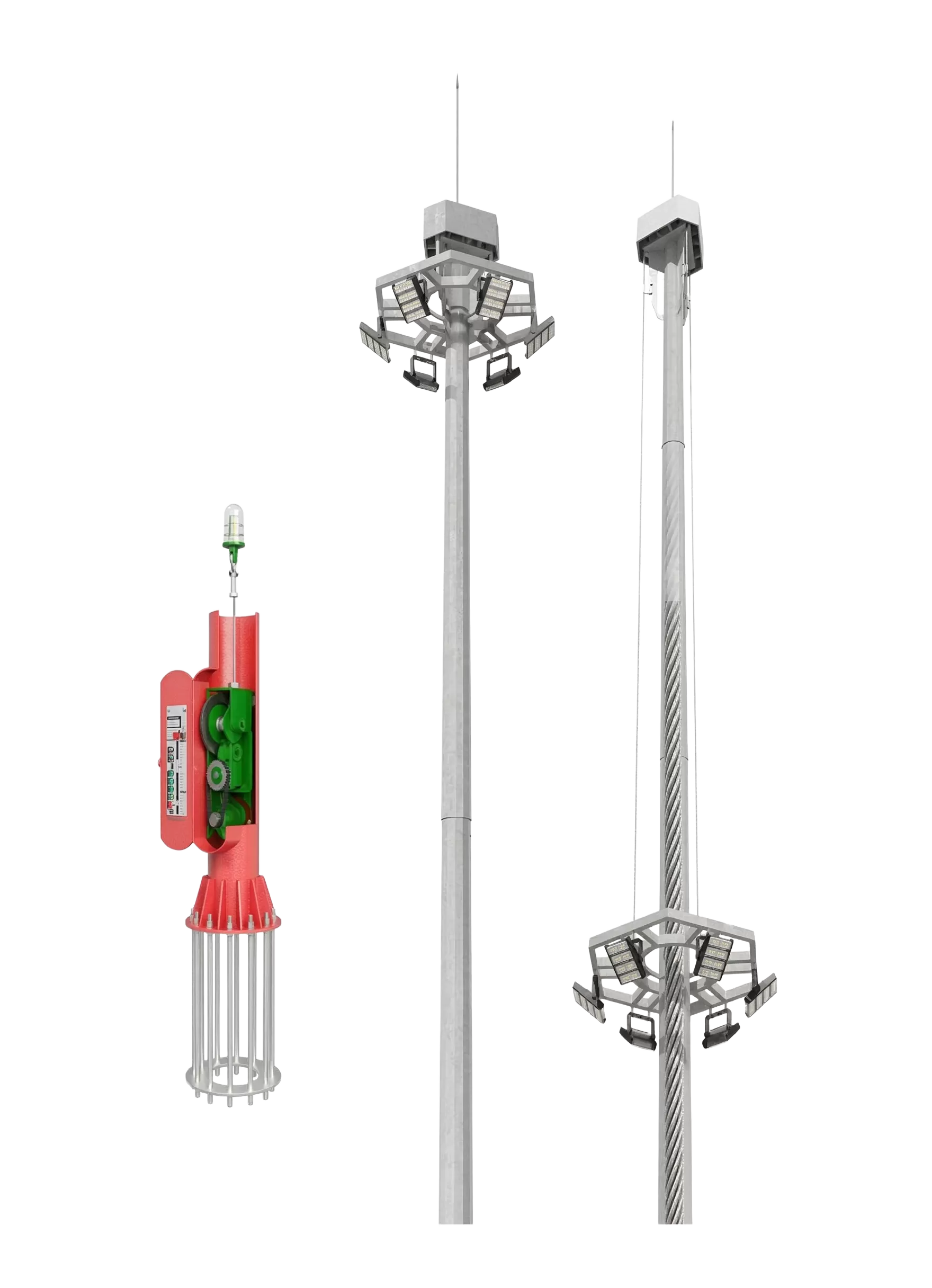
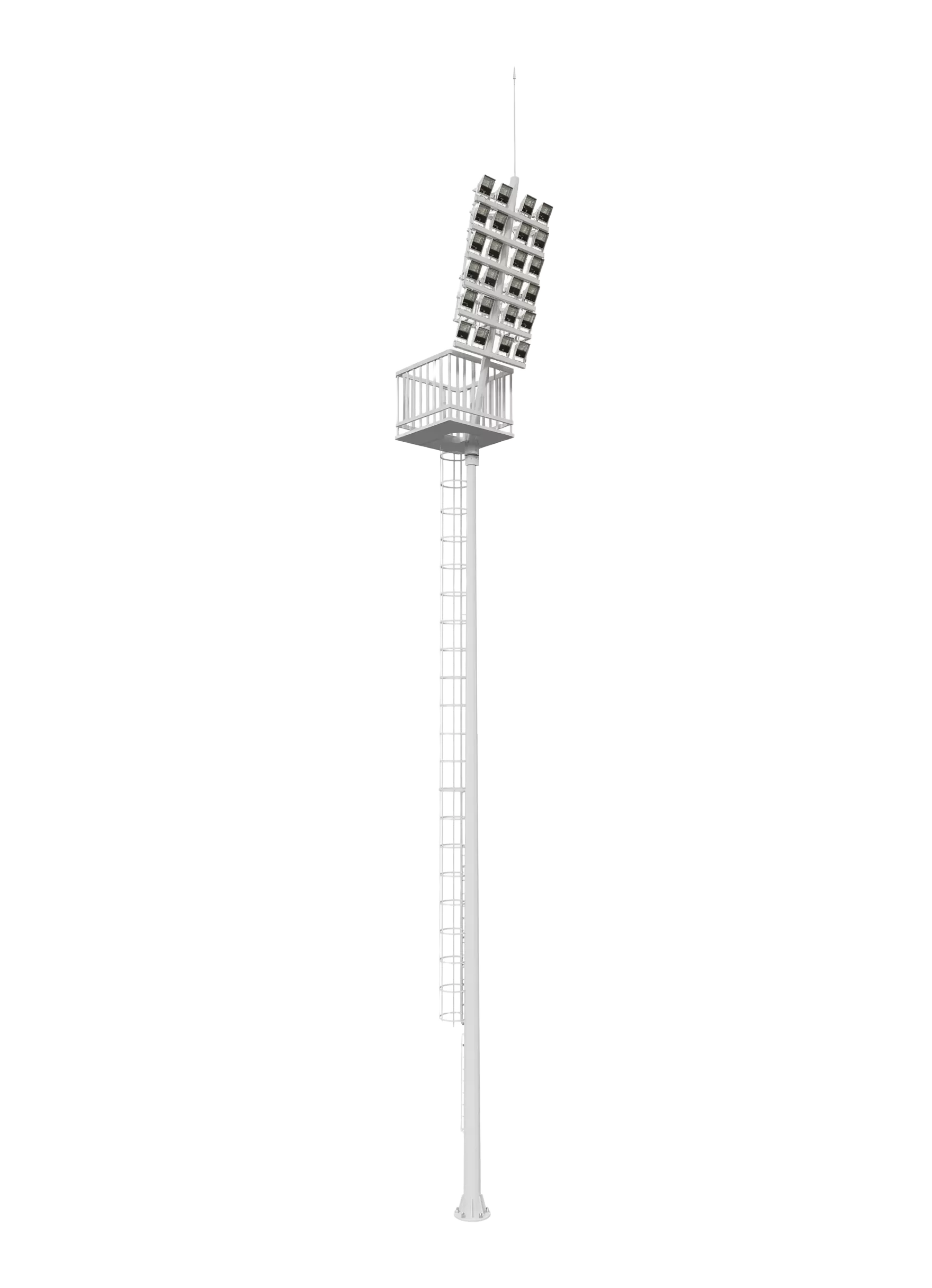
For sports projects, pole height and structure influence coverage, aiming angles, glare, wind resistance, maintenance access and the total number of installation points.
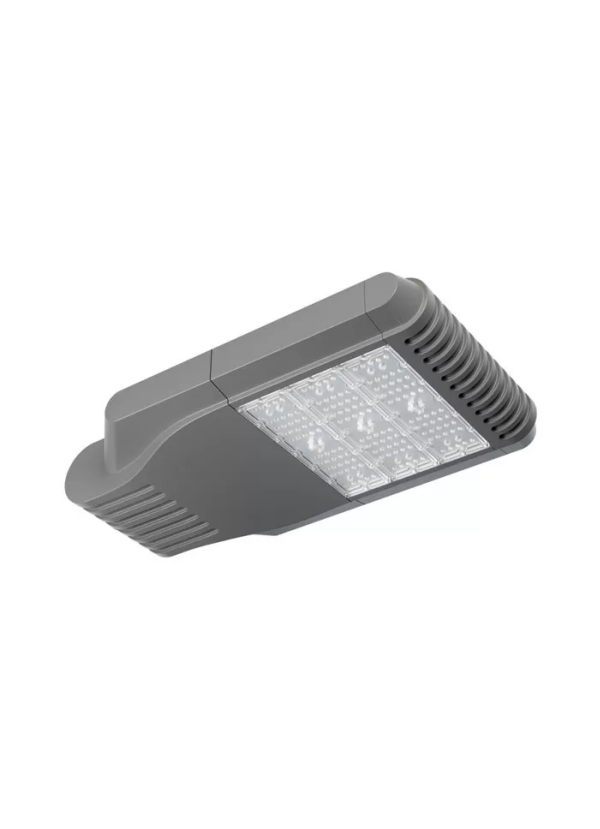
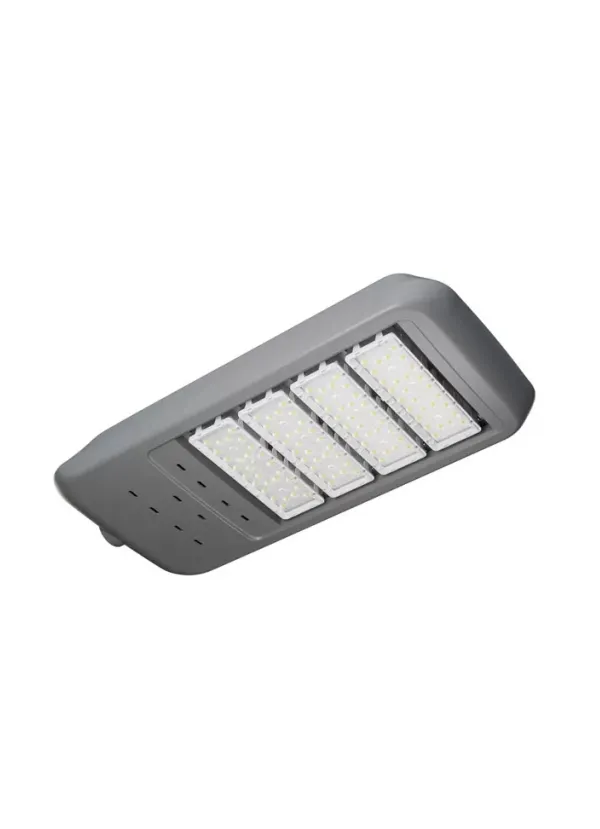
Phoebus Lighting can combine stadium luminaires, high mast poles, brackets, foundations, control equipment, cables, surge protection and accessories into a complete sports lighting system.
For basketball, tennis and multi-use courts requiring economical LED floodlighting, controlled glare, practical pole heights and straightforward switching.
Combines lighting for training fields, athletics tracks and school competitions with multi-zone operation, durable poles and manageable lifecycle costs.
For professional matches and large venues requiring higher illuminance, improved uniformity, precise aiming, high mast structures and multiple operating scenes.
Designed around camera positions, vertical illuminance, flicker performance, color quality and separate training, match and broadcast control modes.
Send the sport type, field dimensions, site layout or CAD drawing, intended use level such as training, competition or broadcast, target illuminance and uniformity, available pole positions, local voltage, maximum wind speed, project country and required delivery date. If the tender already specifies glare, color rendering, flicker or vertical illuminance limits, include those documents as well.
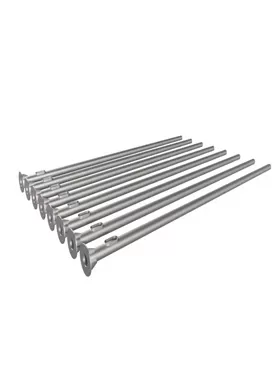
Request IES or LDT photometric files, a project lighting calculation or simulation, luminaire datasheets, driver and surge protection information, pole drawings, foundation and anchor bolt details, wind-load calculations, coating specifications, certificates and a bill of materials. The simulation should show average and minimum illuminance, uniformity, aiming points and glare-related results for the required sports level.
Pole height and layout depend on field size, sport type, spectator seating, camera positions, required lux level, vertical illuminance and available installation zones. Small outdoor courts may use shorter perimeter poles, while full-size football fields and comprehensive stadiums normally require taller sports poles or high masts. Buyers should approve the lighting simulation and structural drawings before production.
For competition and broadcast projects, confirm horizontal and vertical illuminance, uniformity, glare control, color rendering, color temperature, flicker performance and compatibility with slow-motion or high-definition cameras. Ask the supplier to match the required competition class and provide test reports, photometric calculations and circuit zoning for training, match and broadcast modes.
The purchase contract should separately state warranty terms for LED luminaires, drivers, control equipment, poles, lifting systems and electrical accessories. Buyers should also confirm the recommended spare-part ratio, replacement modules or drivers, maintenance access, lowering-system operation, after-sales response and the technical documents supplied with each shipment.