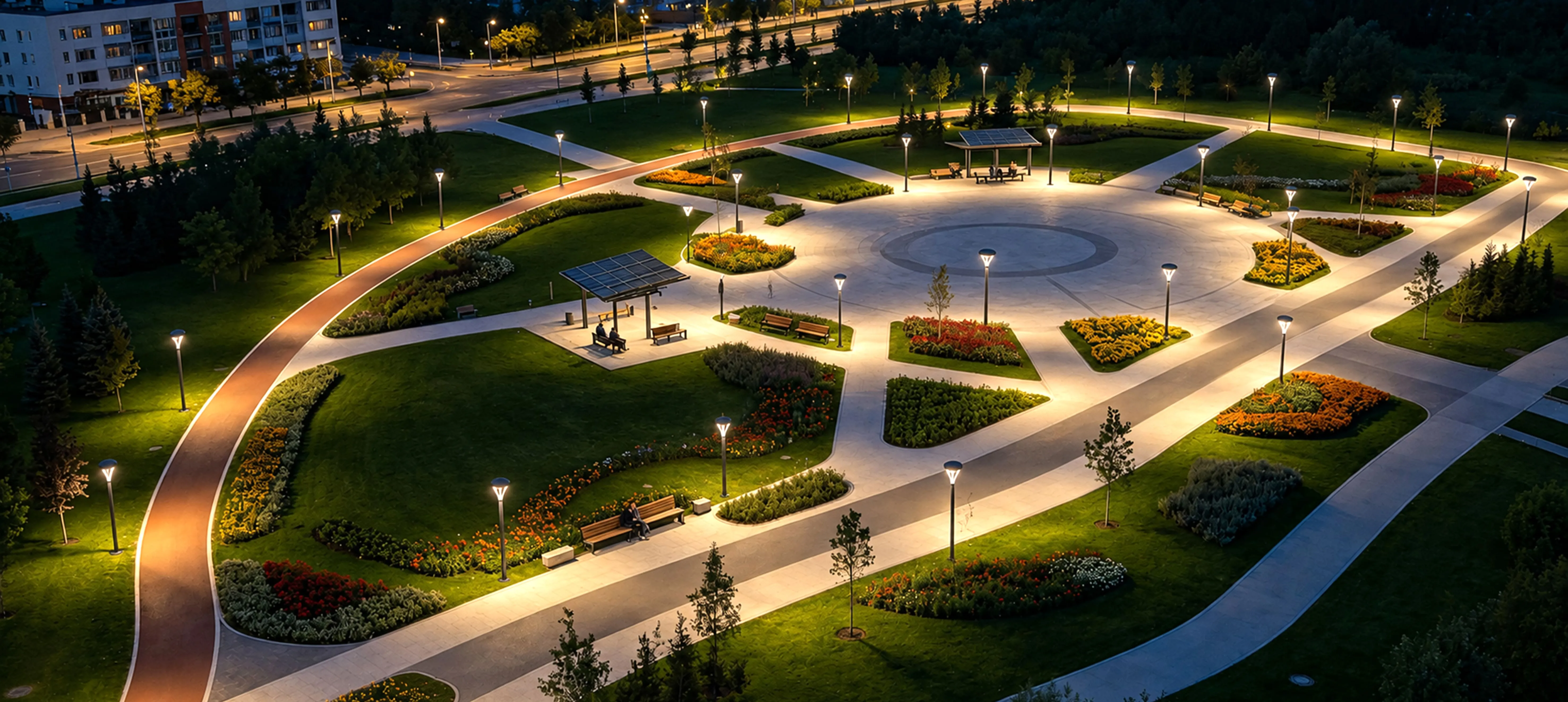
A successful park lighting project must improve nighttime safety while protecting visual comfort, landscape character and long-term operating budgets.
Main paths, entrances, stairs, bridges and parking connections need continuous illumination so pedestrians, cyclists and maintenance teams can move safely after sunset.
Lighting near lawns, seating areas and water features should provide clear visibility without harsh glare, excessive spill light or a commercial road-lighting appearance.
Large parks often contain scattered paths, mature trees and areas where trenching is difficult. Solar options, efficient LEDs and serviceable components can reduce installation disruption and lifecycle cost.
Compare power access, path use, landscape style, operating schedule and maintenance conditions before selecting LED, solar, decorative or smart park lighting.
| Project Condition | Recommended Park Lighting System | Why It Fits | What Buyers Should Send |
|---|---|---|---|
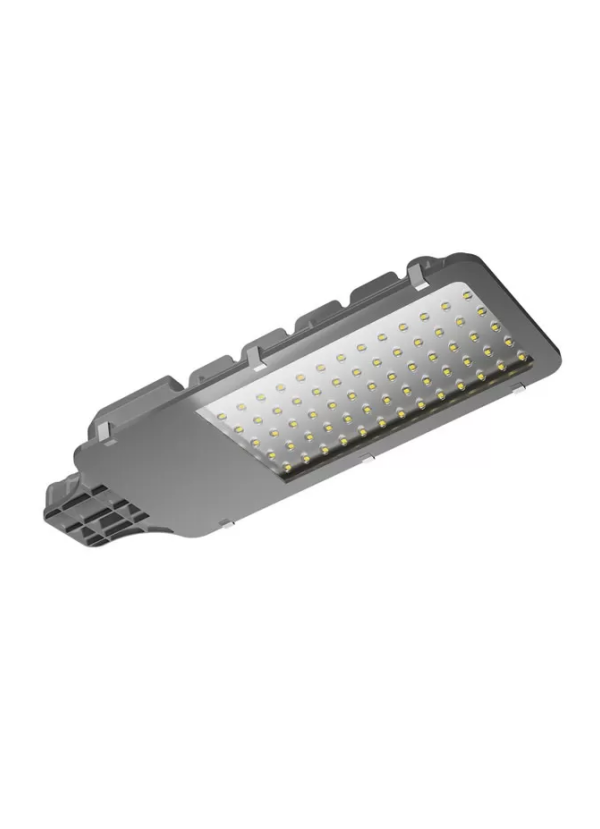
| Main park roads with existing grid power | Grid-powered LED park street lighting | Provides stable illumination for vehicle and pedestrian routes and supports scheduled dimming or centralized switching. | Site plan, road and path widths, pole locations, target lux level, operating hours and estimated quantity. |
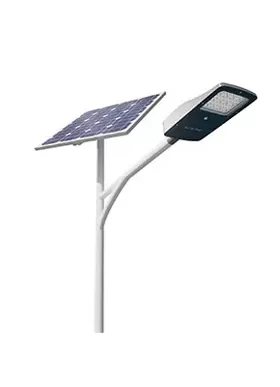
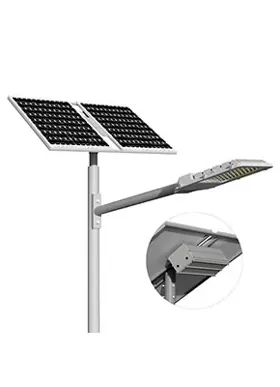
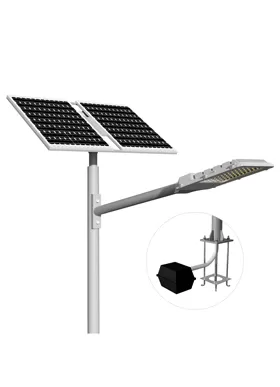
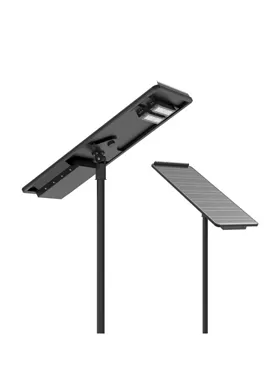
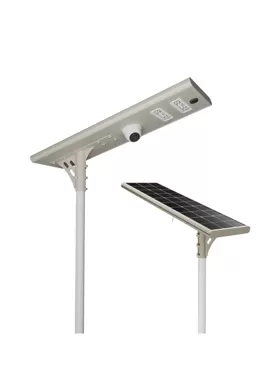
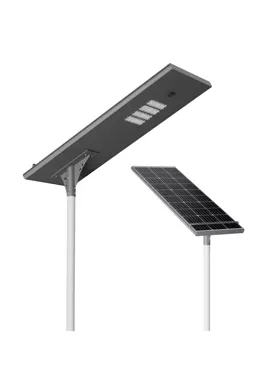
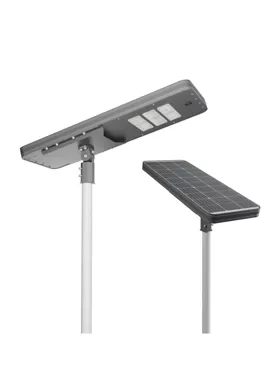
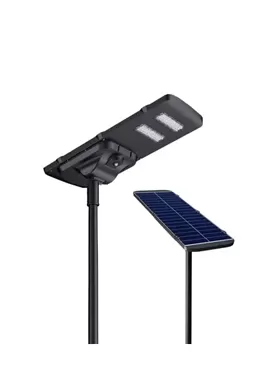
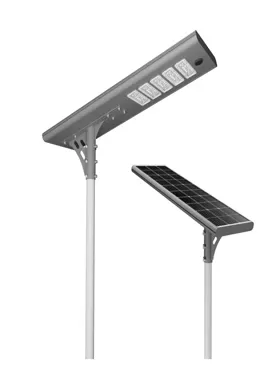
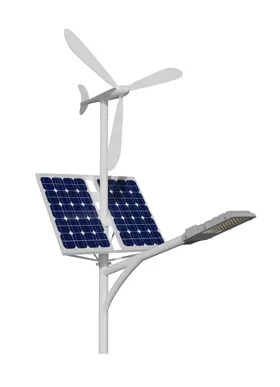
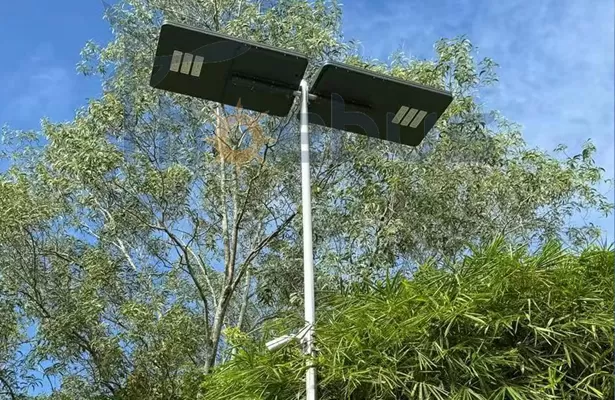
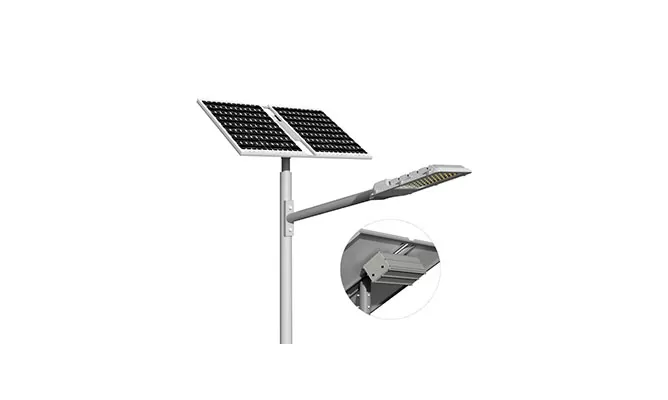
| Scattered paths or areas where trenching is difficult | Solar street lights for park pathways | Avoids underground cabling, reduces landscape disruption and supports faster installation in distributed areas. | Project country, sunshine data, required lighting hours, backup days, tree shading and path width. |
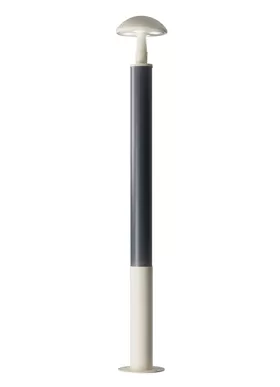
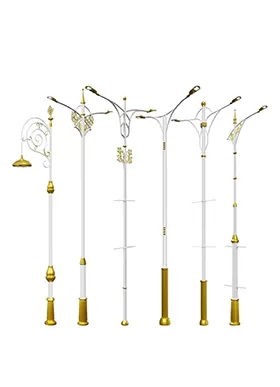
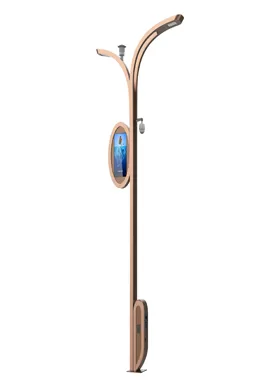
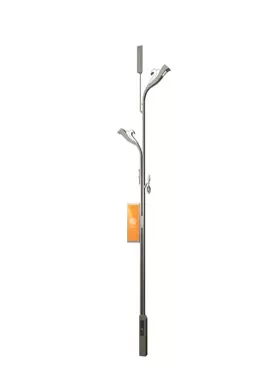
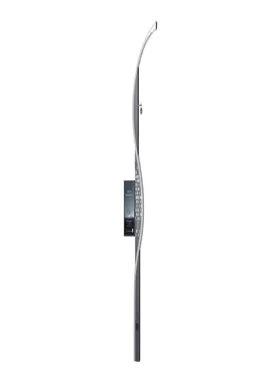
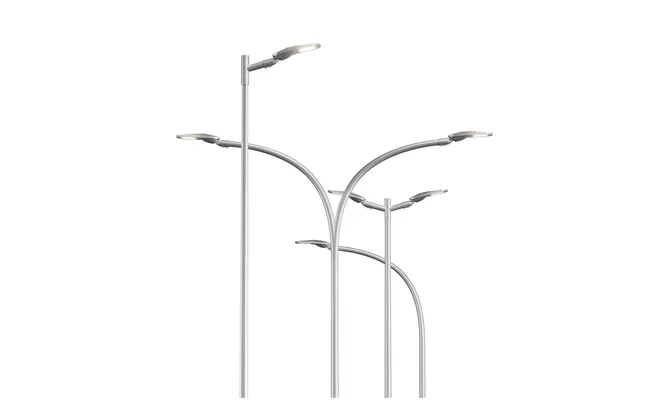
| Entrance plazas, landmarks and landscaped public spaces | Decorative park light pole system | Combines functional lighting with a coordinated pole style, finish and architectural identity. | Design references, pole height, arm style, color, foundation conditions and installation photos. |
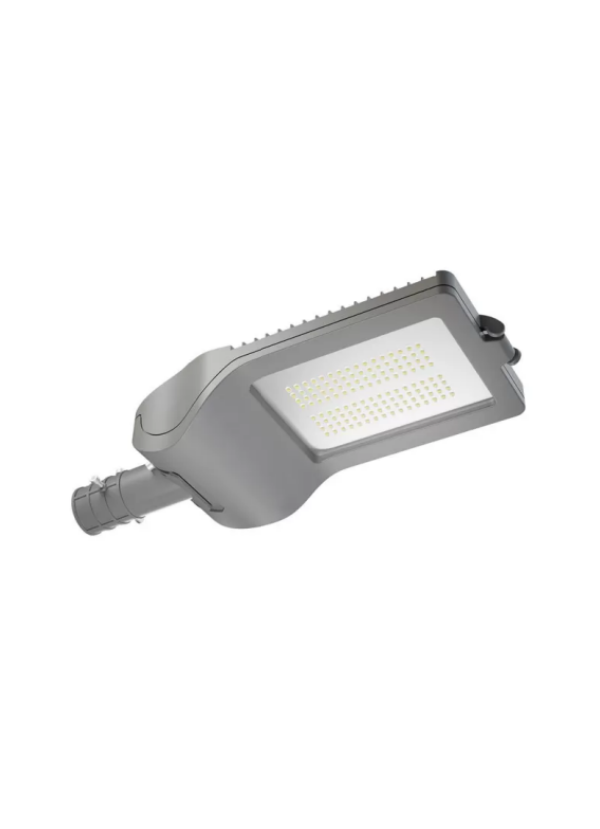
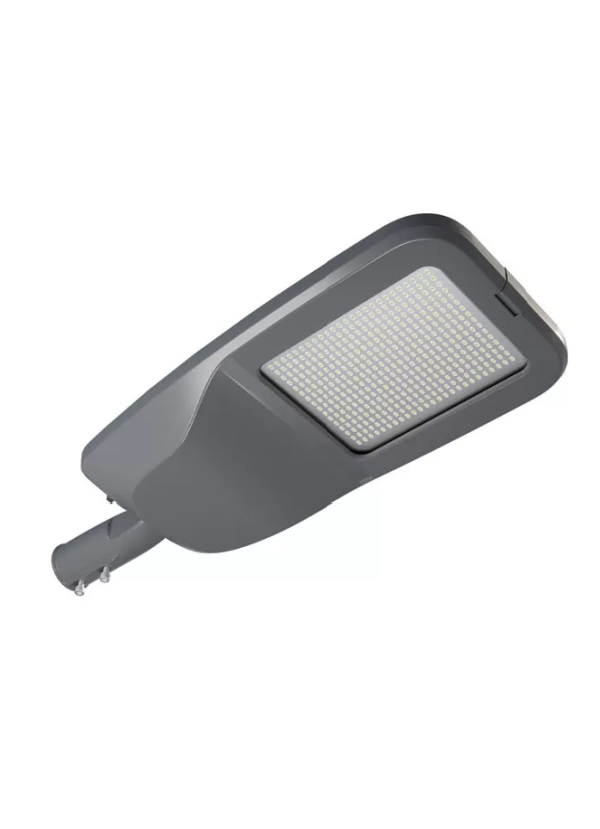
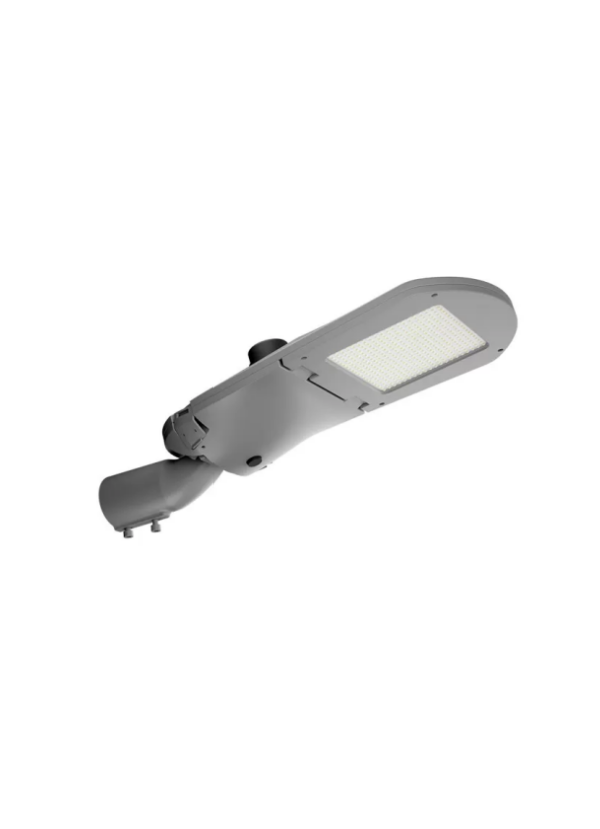
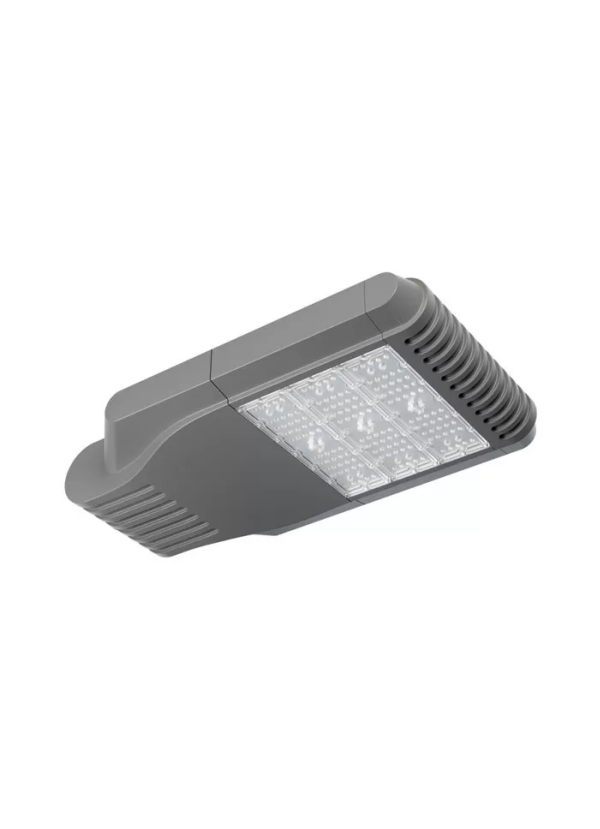
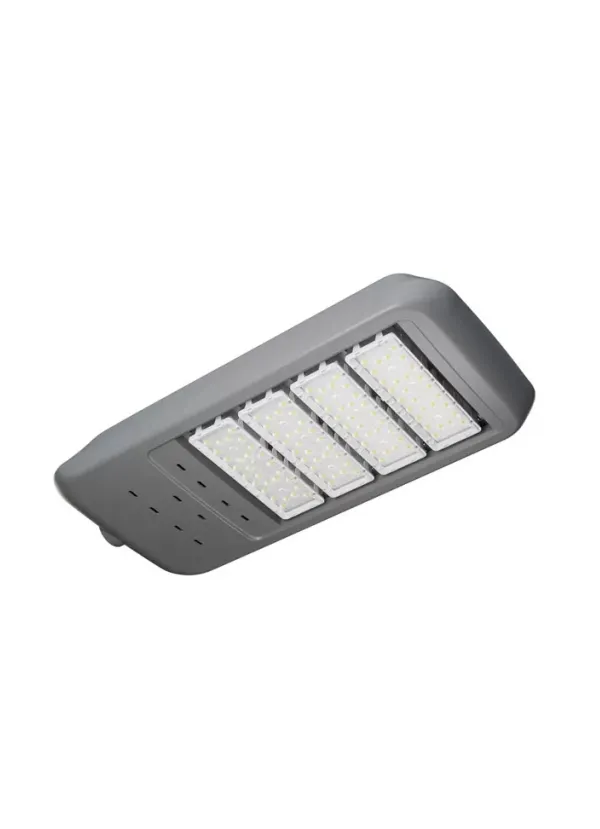
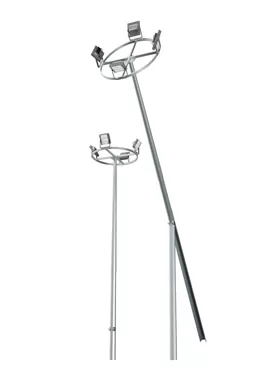
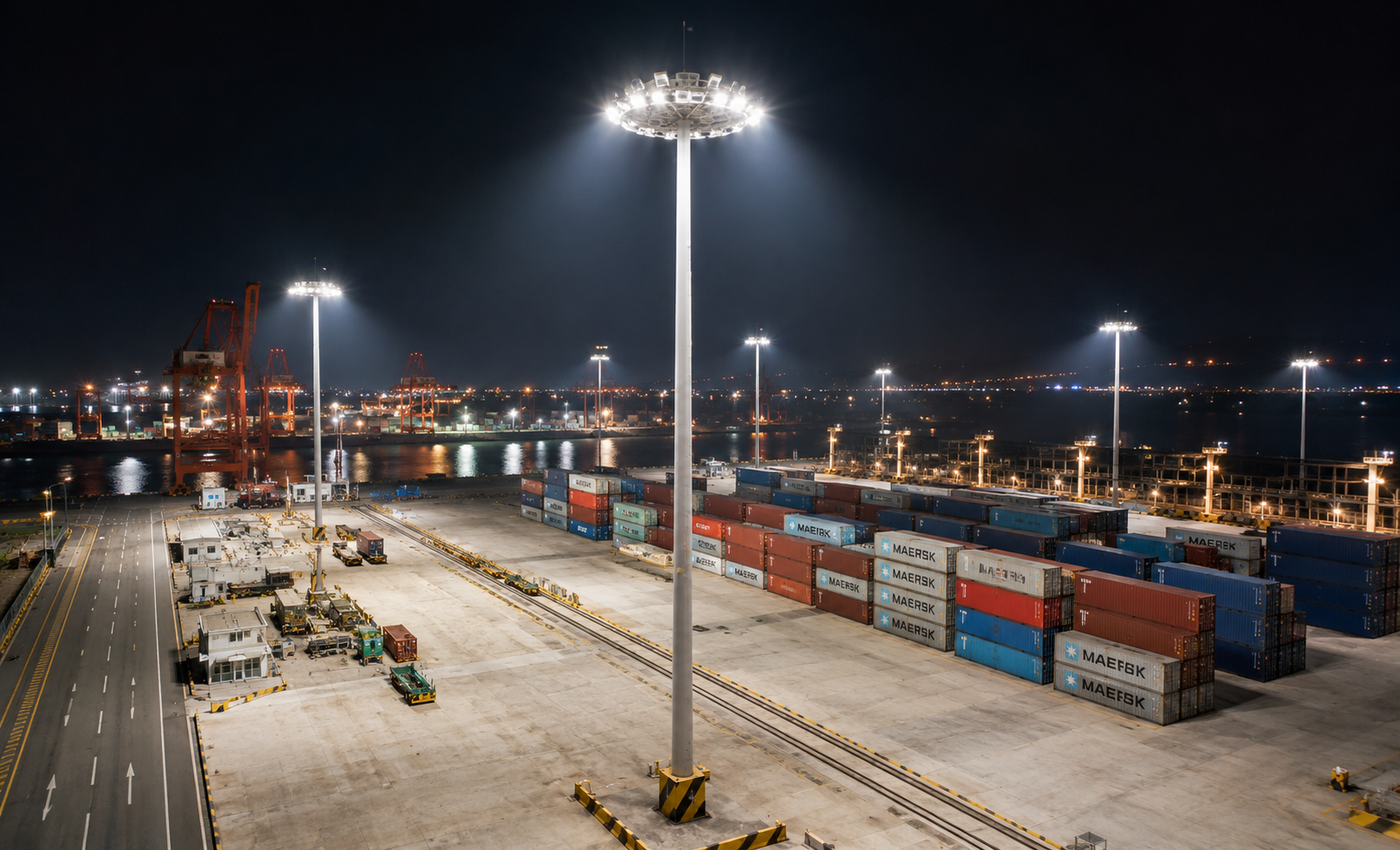
| Busy recreation zones or large entrance and parking areas | LED street lights with optimized optics | Supports wider, more uniform coverage where visitor activity, parking circulation and security visibility are priorities. | Area dimensions, mounting height, camera locations, target illuminance and glare requirements. |
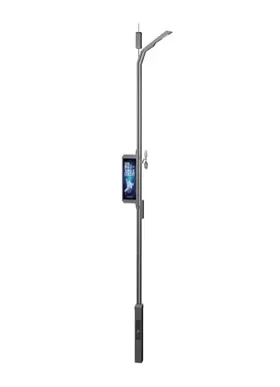
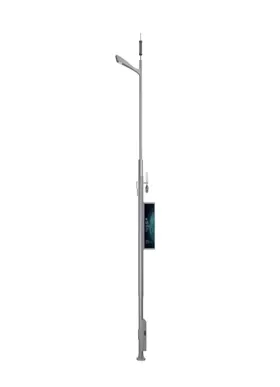
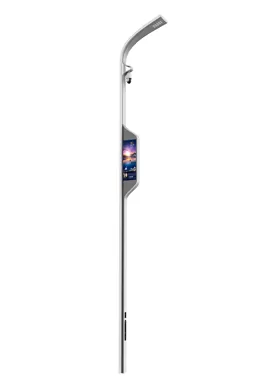
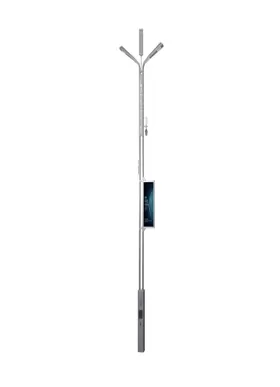
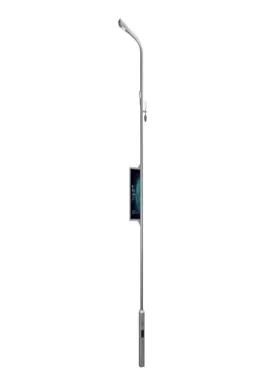
| Managed parks requiring adaptive brightness and fault alerts | Smart park lighting system | Enables scheduled dimming, motion-based brightness, energy monitoring and faster maintenance response. | Control functions, communication method, platform requirements, zoning plan and maintenance workflow. |

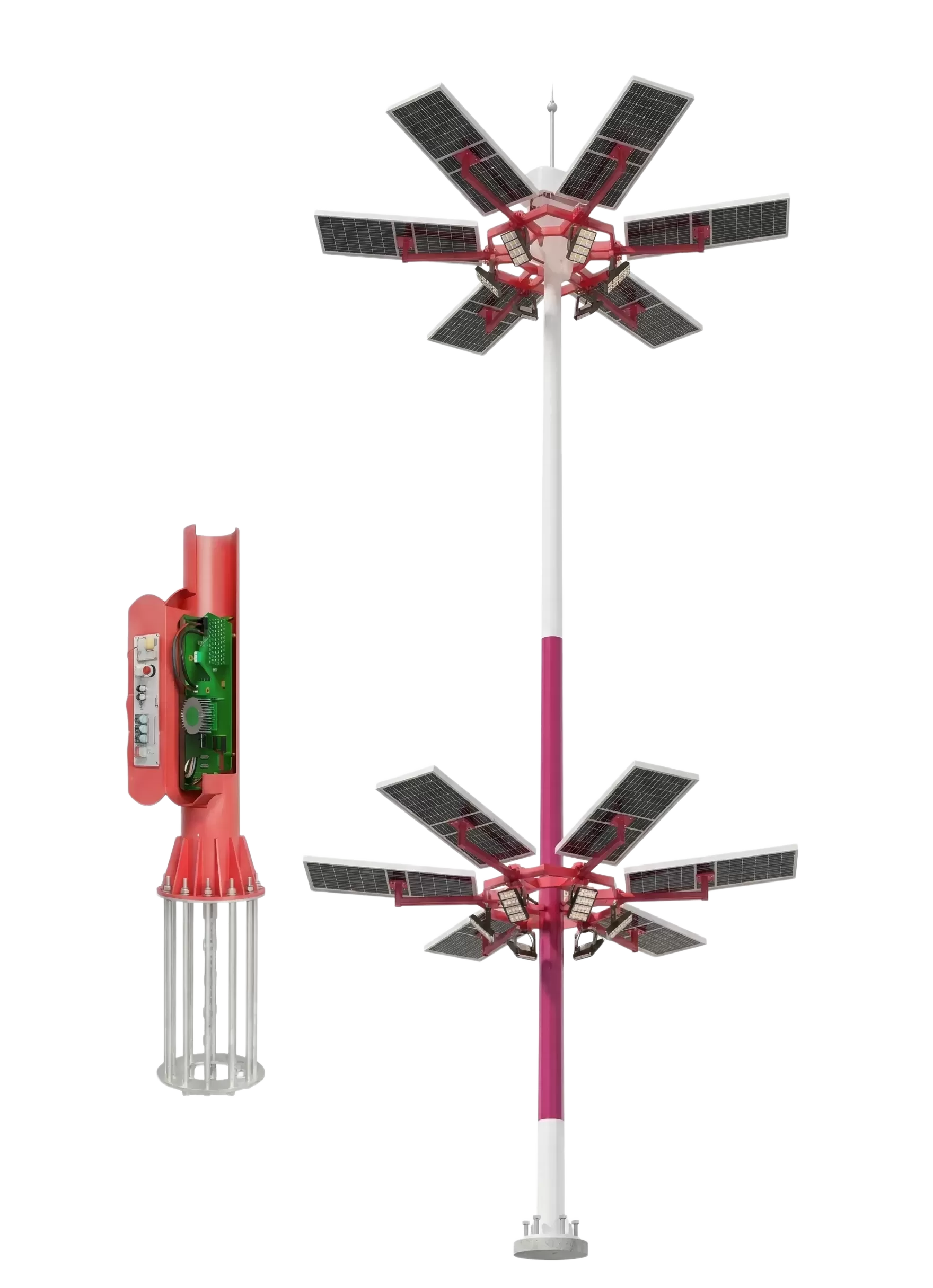
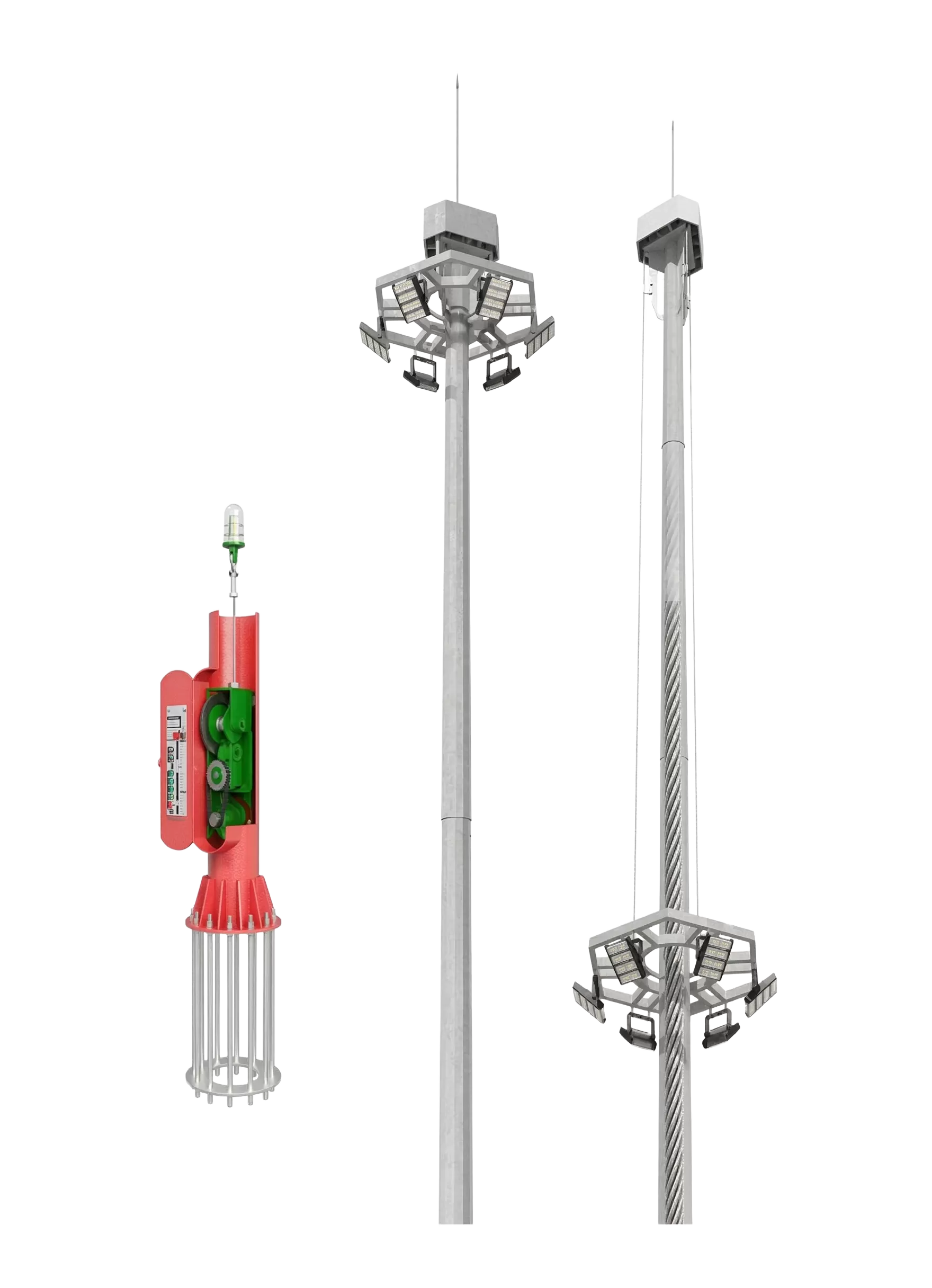
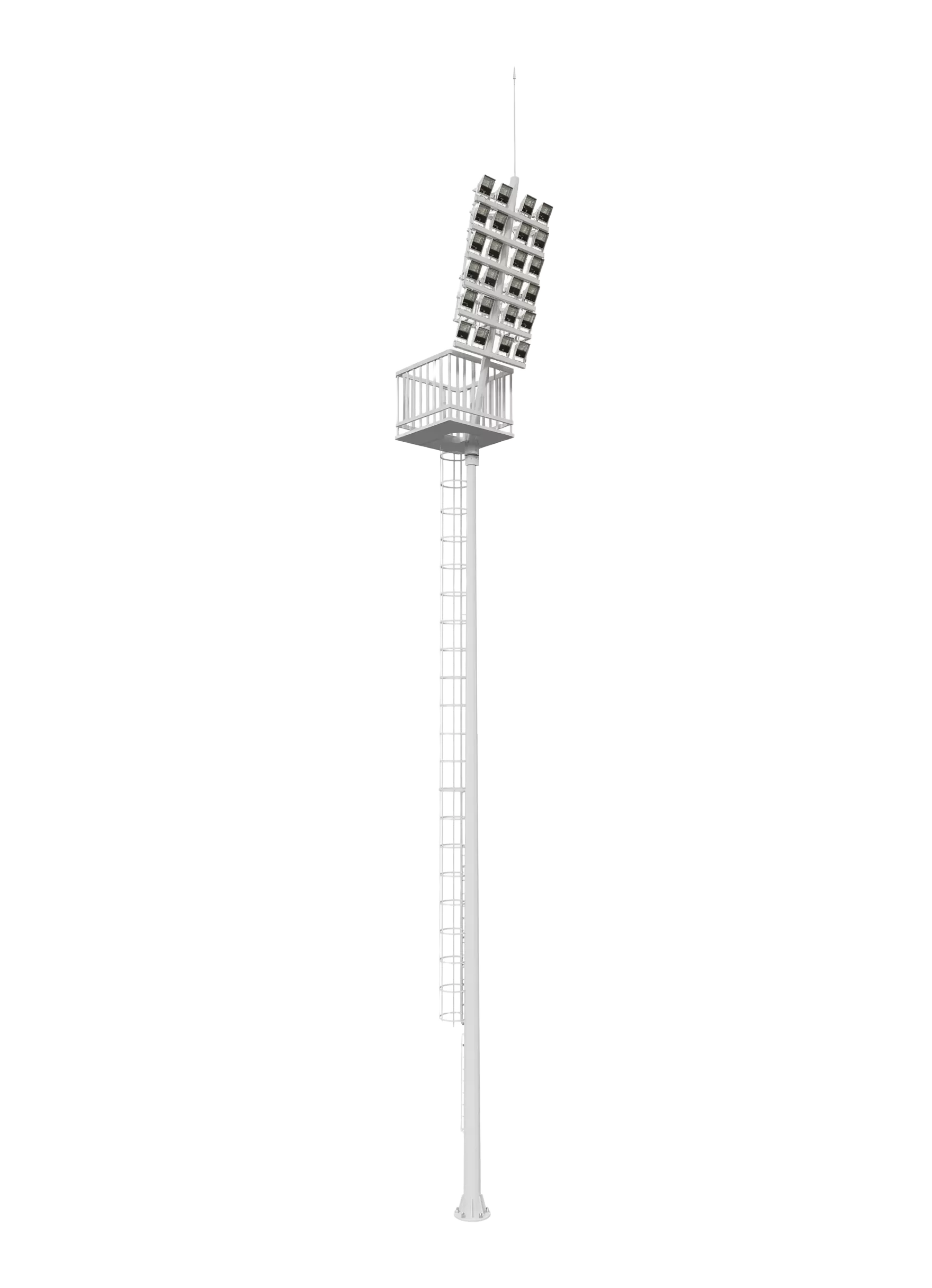
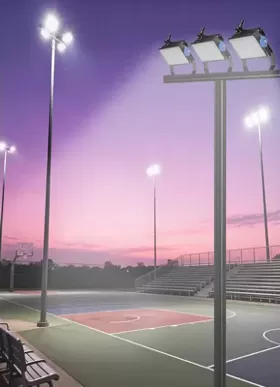
These products support park roads, pedestrian paths, entrances, recreation areas, greenways and small parking zones with different power and control conditions.
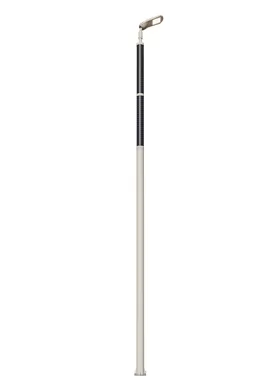
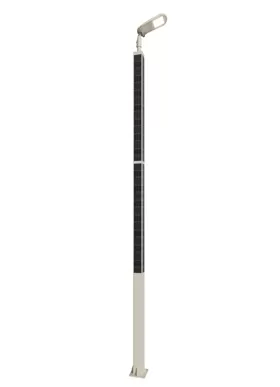
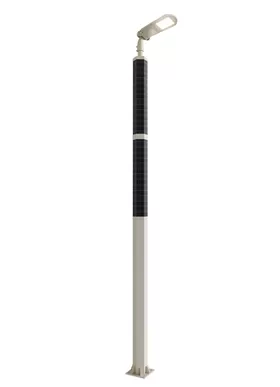
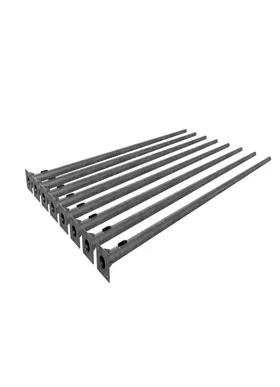
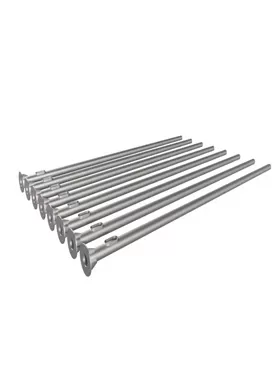
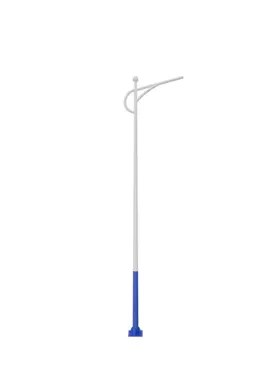
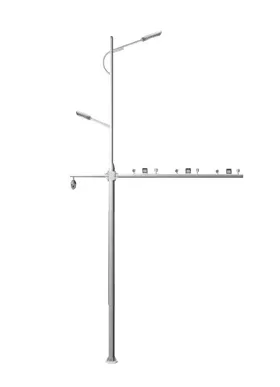
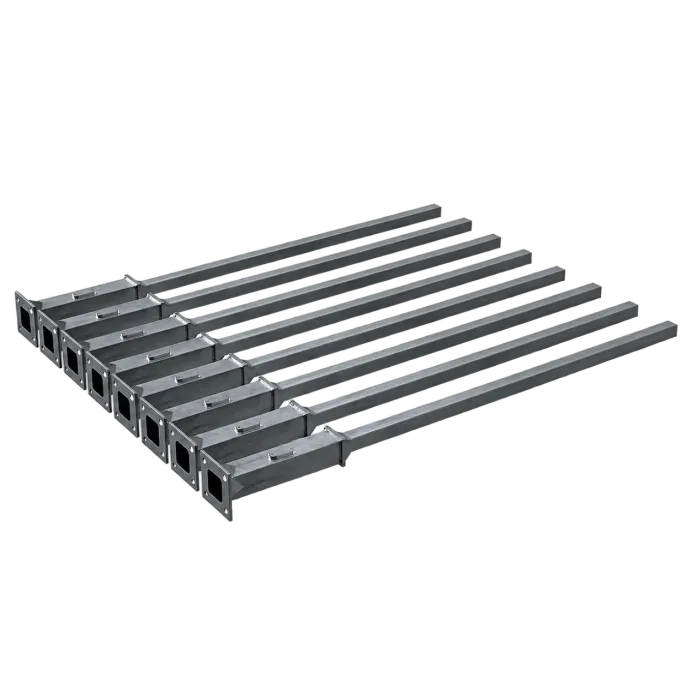
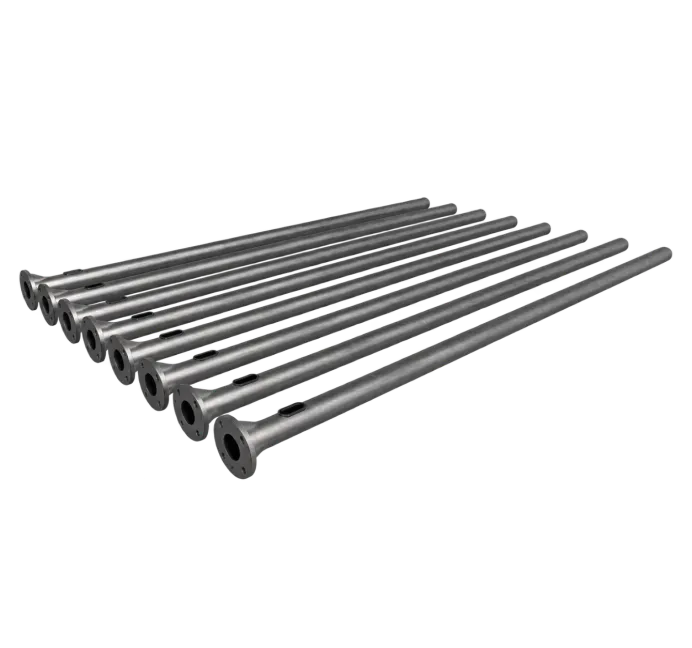
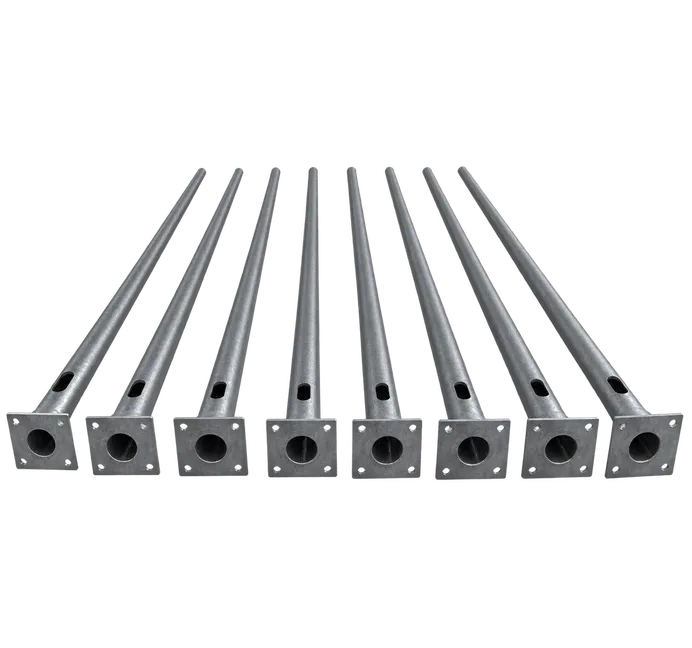
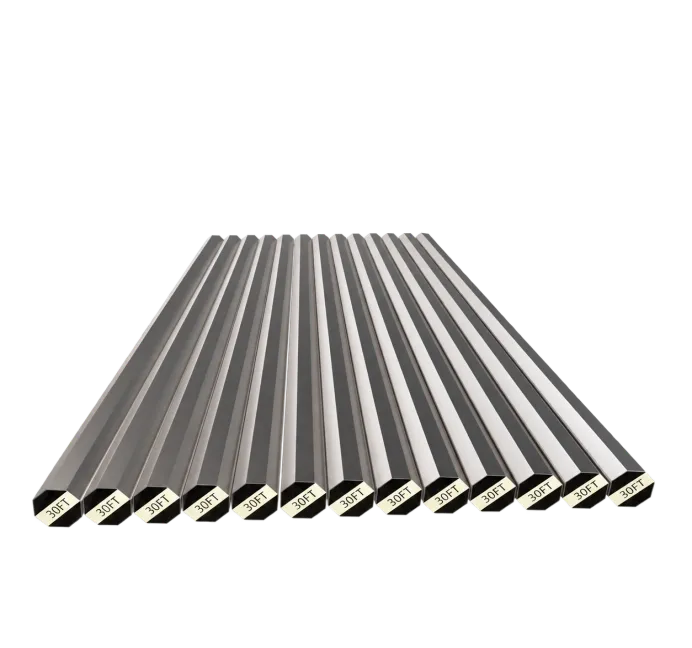
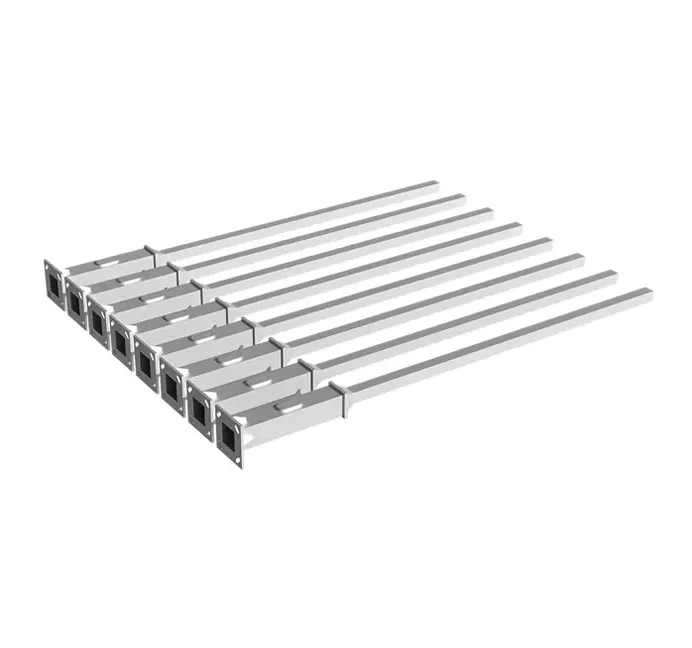
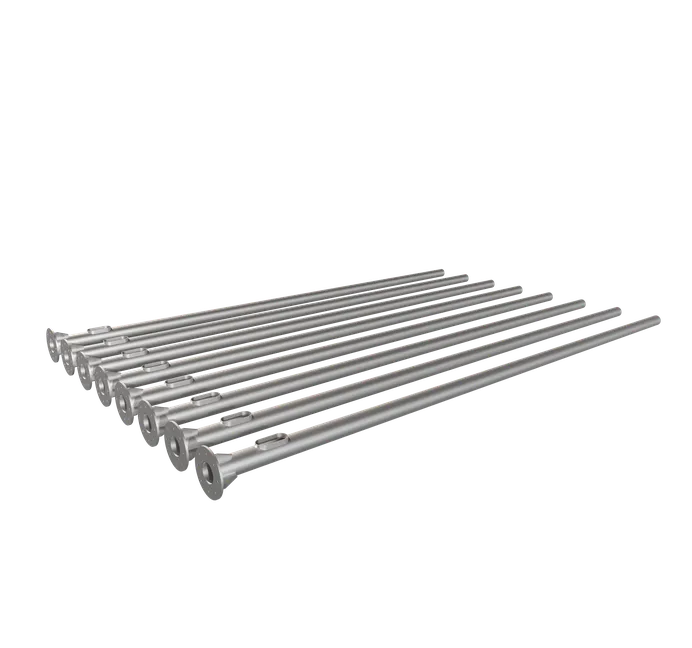
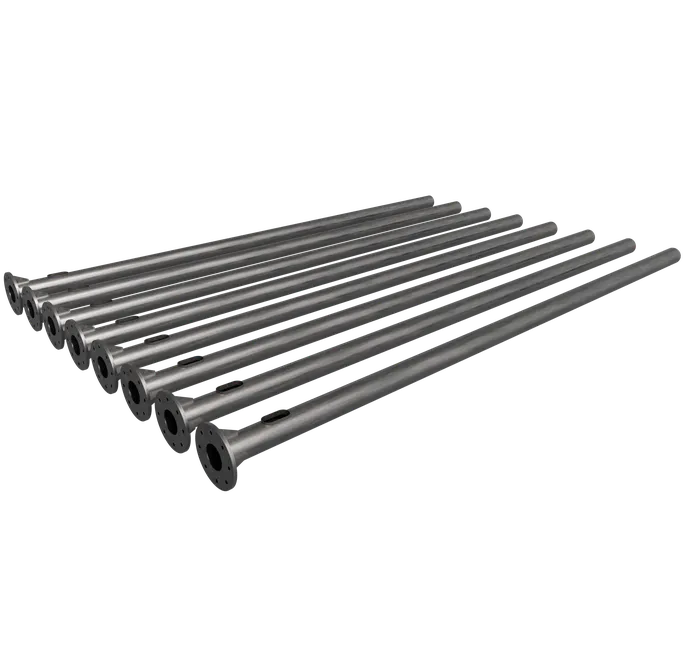
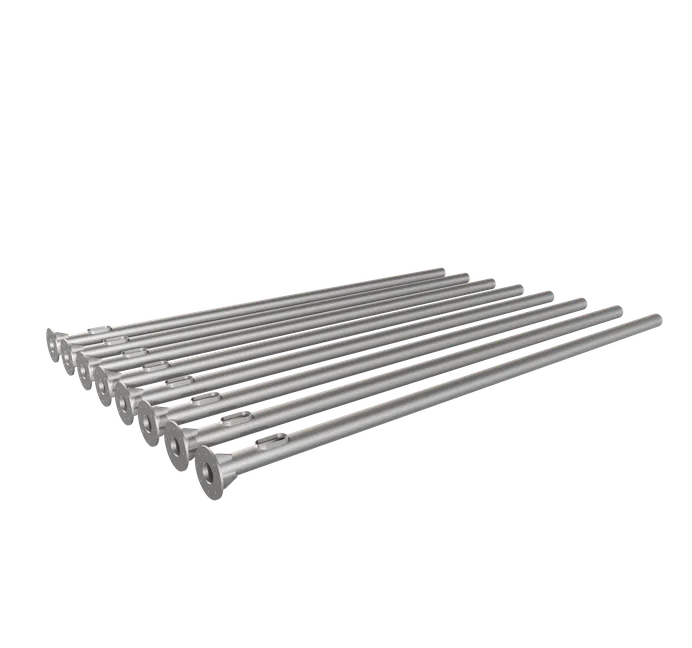
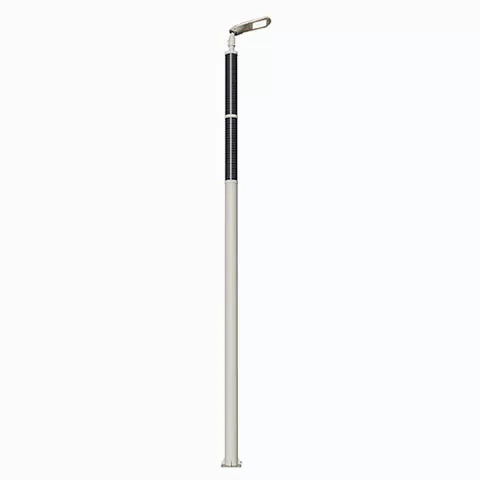
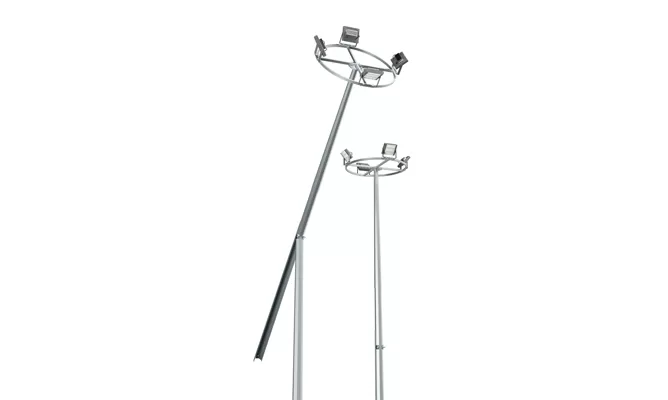
Park poles must balance mounting height, structural safety, corrosion resistance, maintenance access and visual consistency with the surrounding landscape.
Phoebus Lighting can combine park street lights, poles, solar modules, batteries, controllers and accessories into a complete park lighting system based on the site layout, operating hours and visual requirements.
For greenways, natural trails and distributed paths where trenching should be minimized. The package can include solar luminaires, poles, batteries, controllers, foundations and installation accessories.
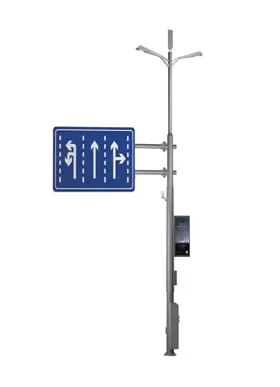
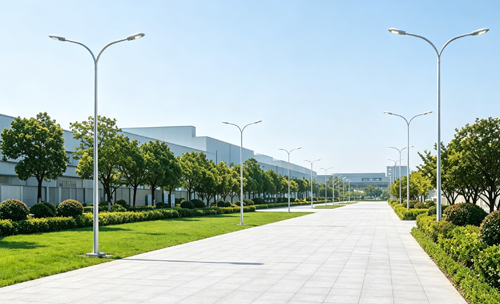
For main park roads, parking connections and busy pedestrian routes requiring stable output, optimized pole spacing, centralized switching and scheduled dimming.
For entrances, plazas, waterfront walks and landmark areas where luminaires, pole style, finish and landscape identity must be coordinated as one project package.
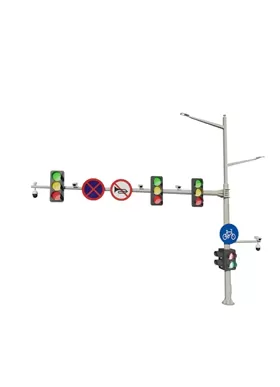
For managed parks that need zoned control, motion-based dimming, energy monitoring, fault alerts or integration with selected cameras and public-space management functions.