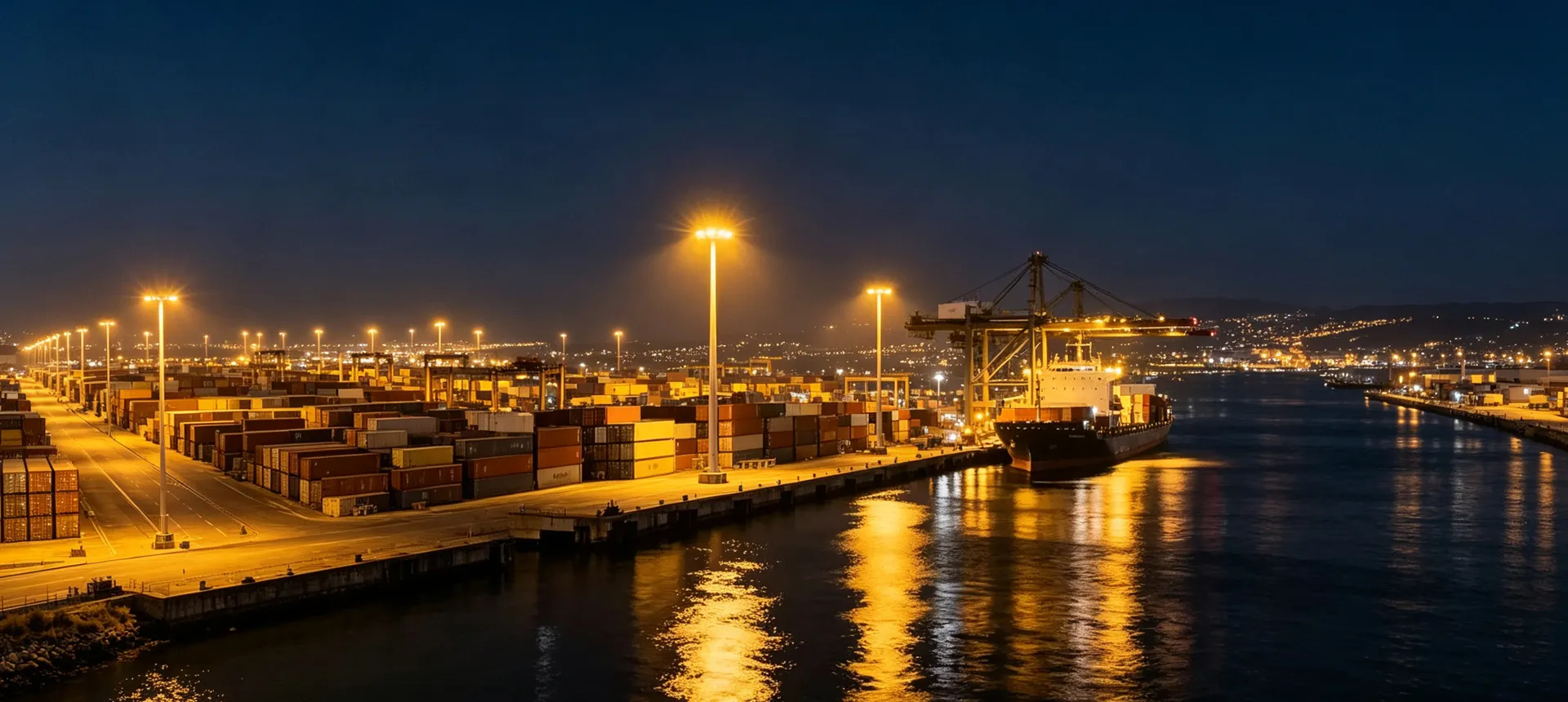
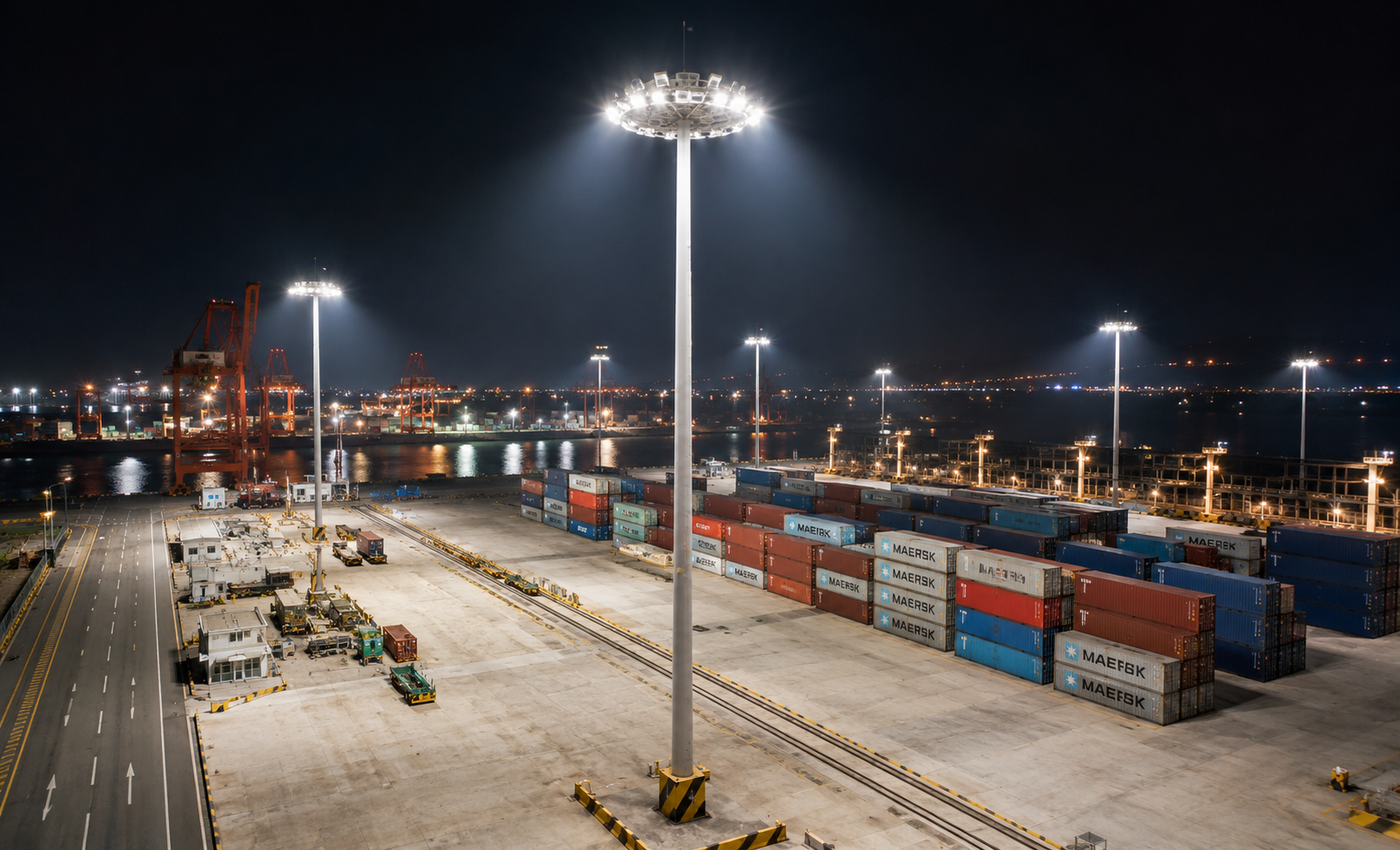
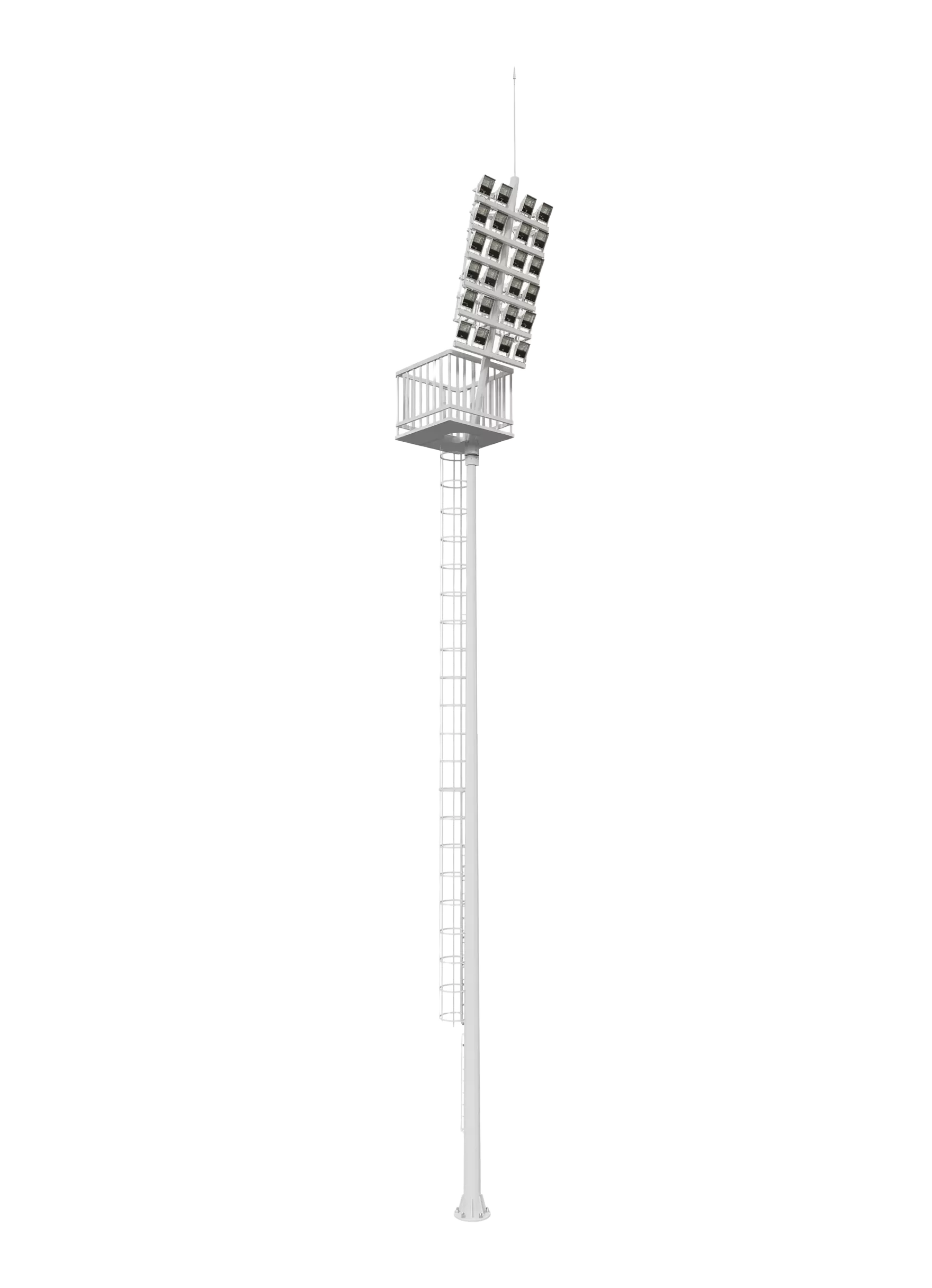
| Large container yard or open terminal apron | LED high mast lighting system | Multiple luminaires on fewer high masts provide broad, uniform coverage while preserving vehicle and crane movement space. | CAD layout, yard dimensions, container stacking height, target lux, uniformity, pole restrictions and wind speed. |
| Quay, berth or bulk cargo loading area | High mast with asymmetric LED optics | Directs light toward working surfaces and vehicle lanes while controlling spill light toward water, vessels and operator sightlines. | Quay length, working width, crane positions, loading zones, glare restrictions and mounting locations. |
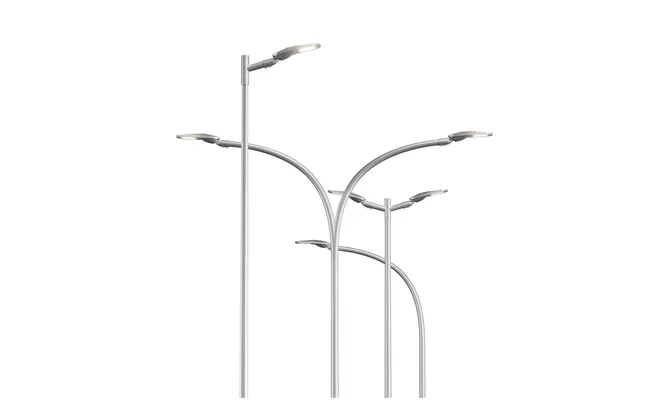
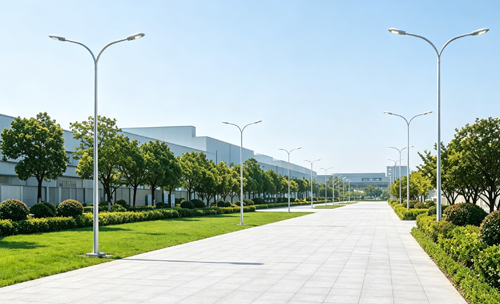
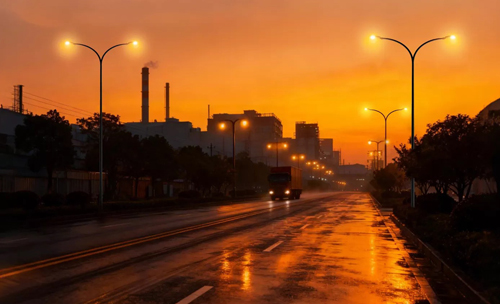
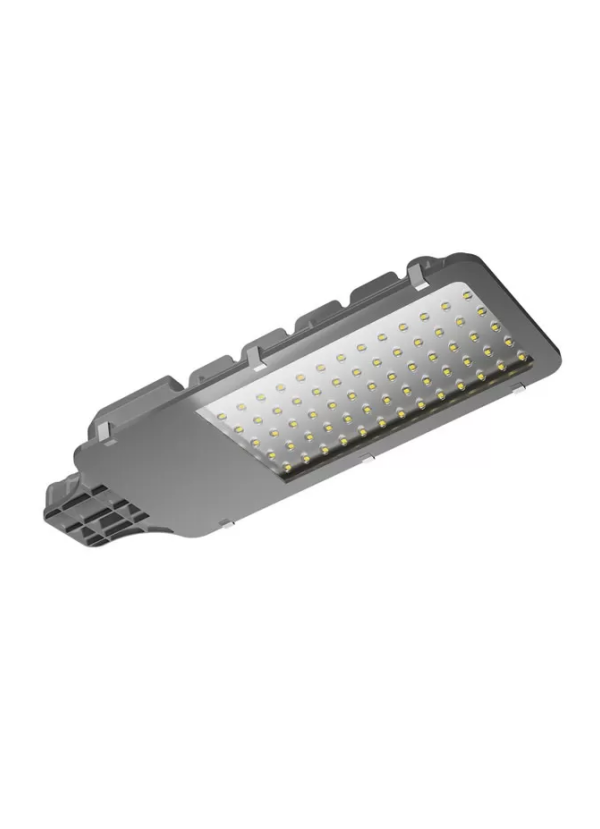
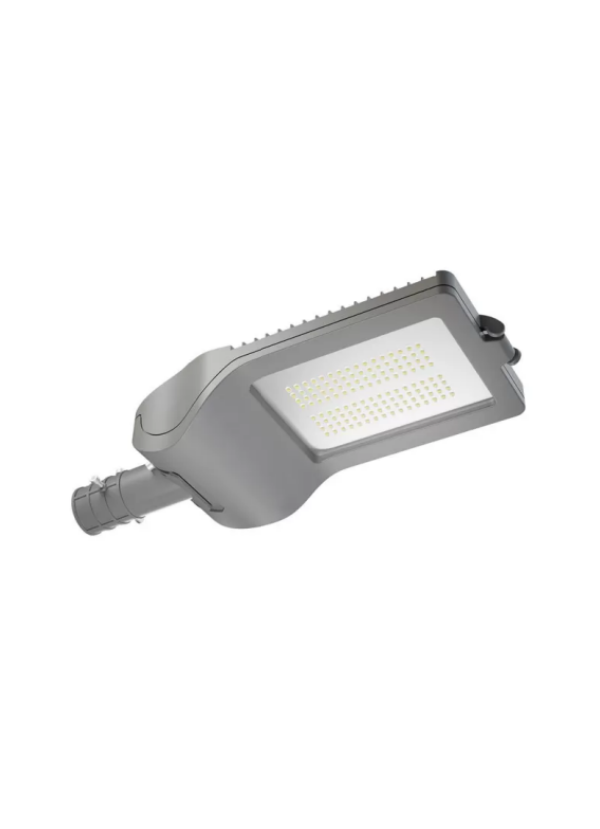
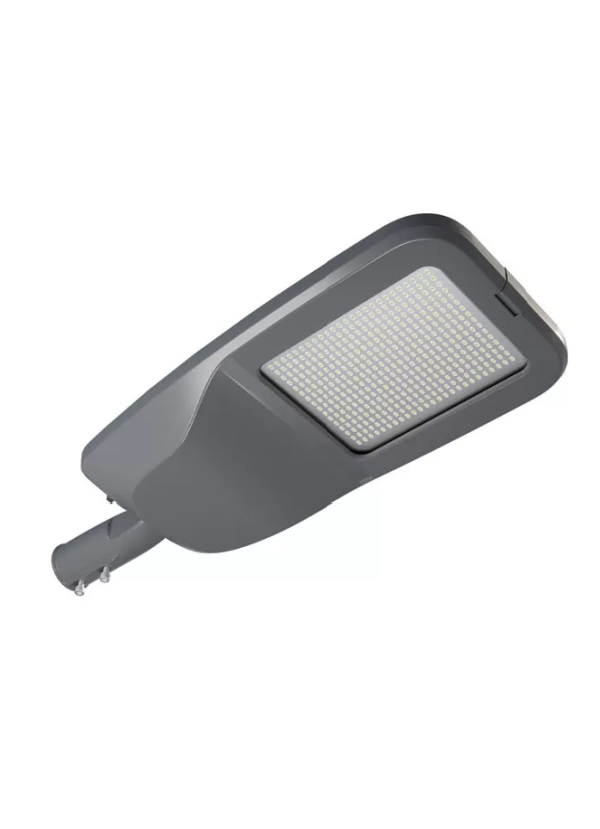
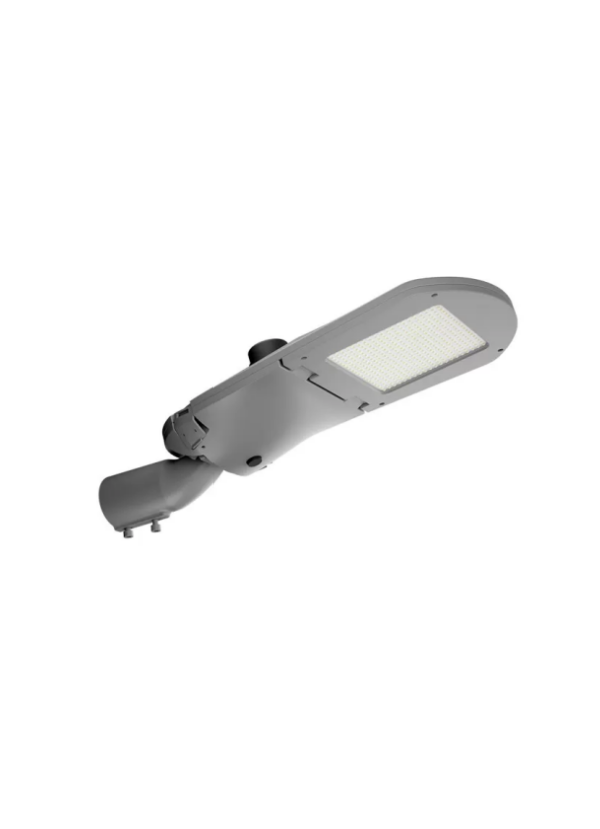
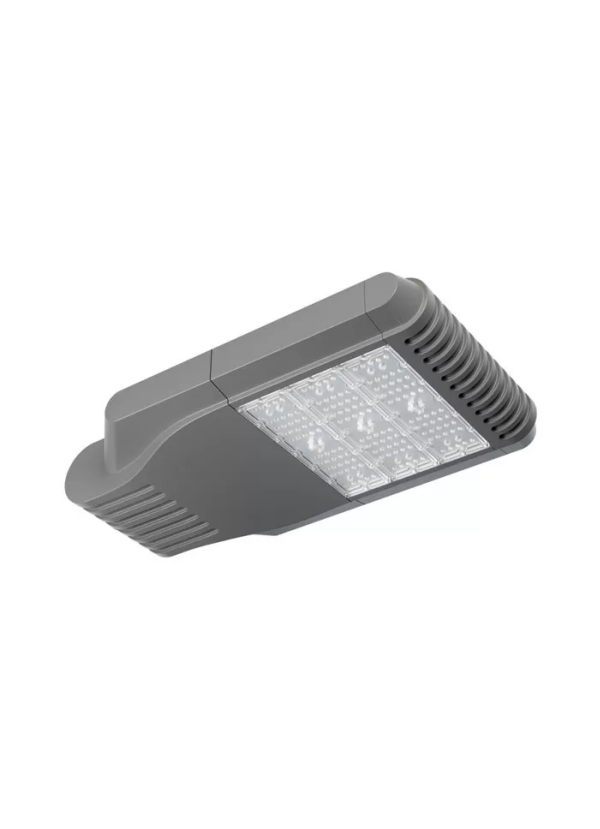
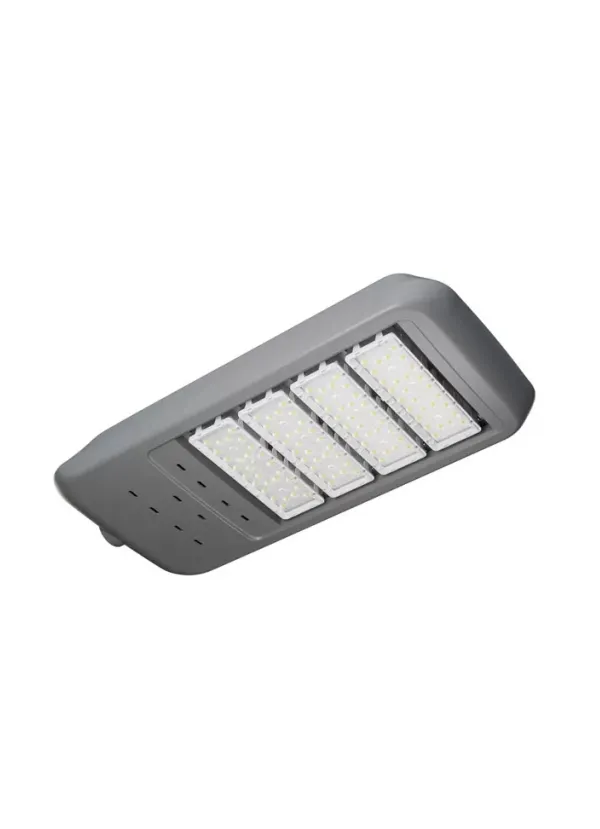
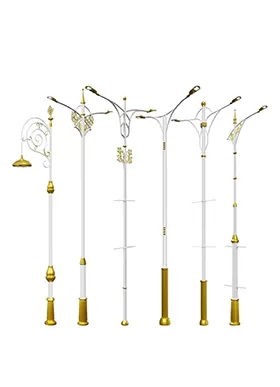
| Port access roads, internal roads and gate lanes | LED street lighting system | Provides continuous linear illumination for trucks, staff vehicles, checkpoints and pedestrian crossings. | Road width, lane count, pole spacing, power supply, required brightness and estimated quantity. |
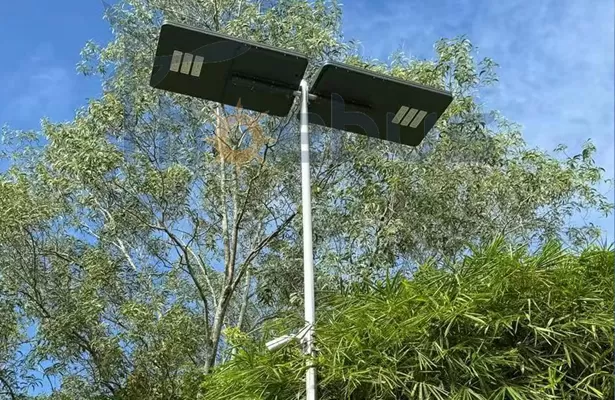
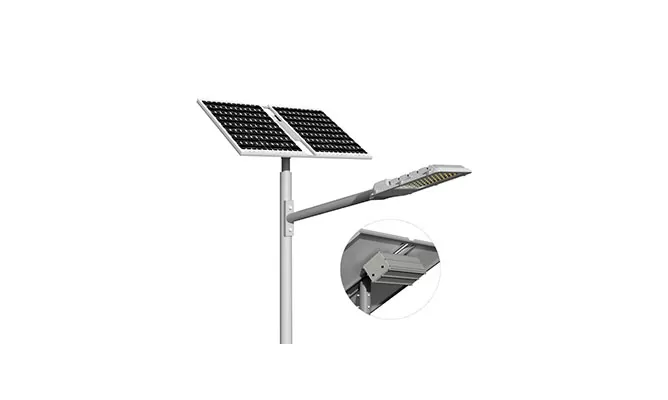
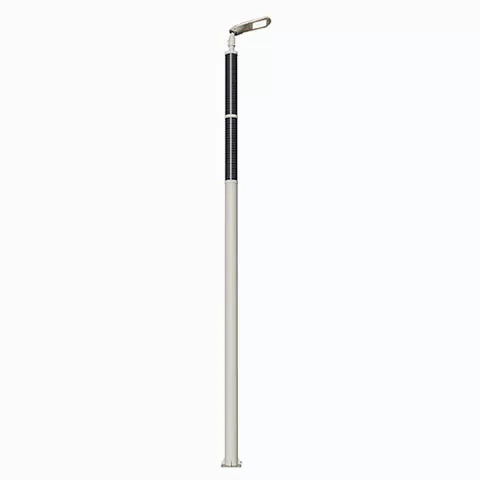
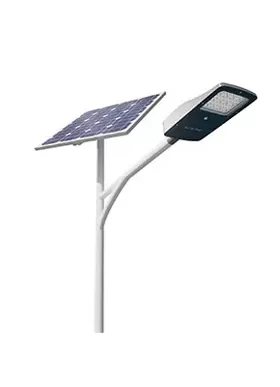
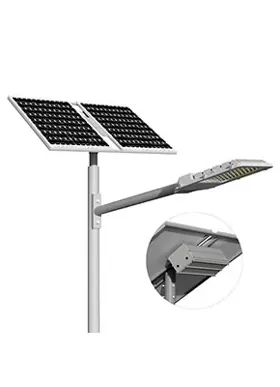
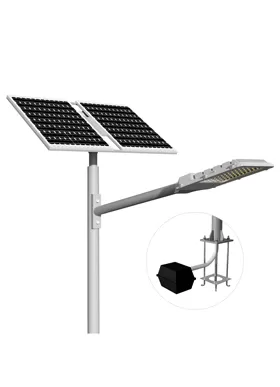
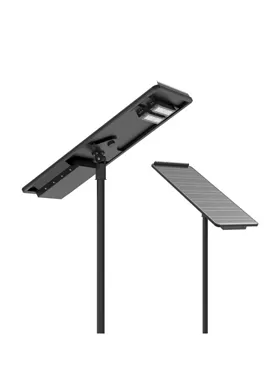
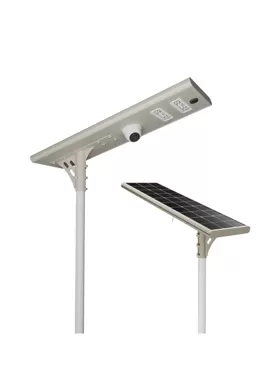
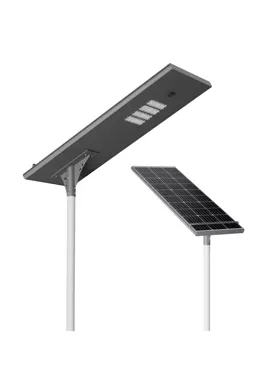
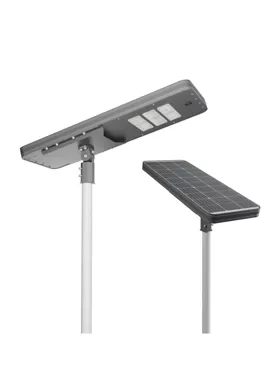
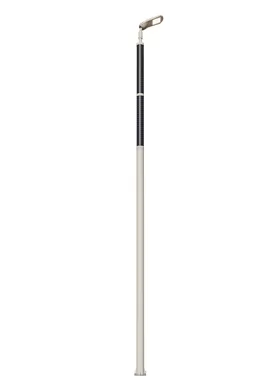
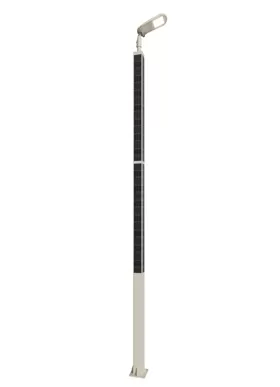
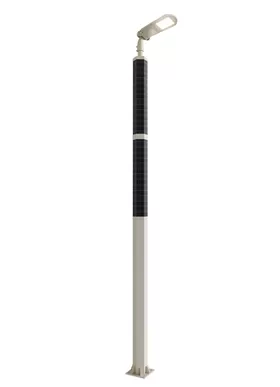
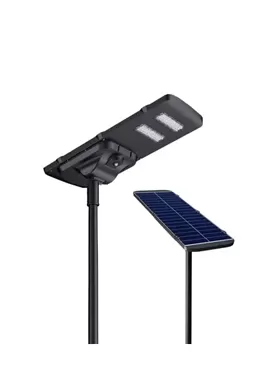
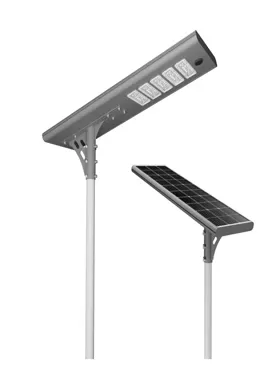
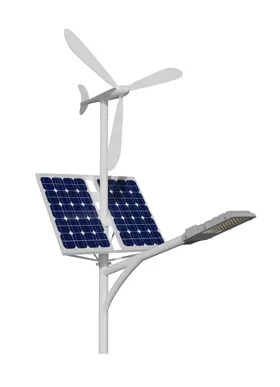
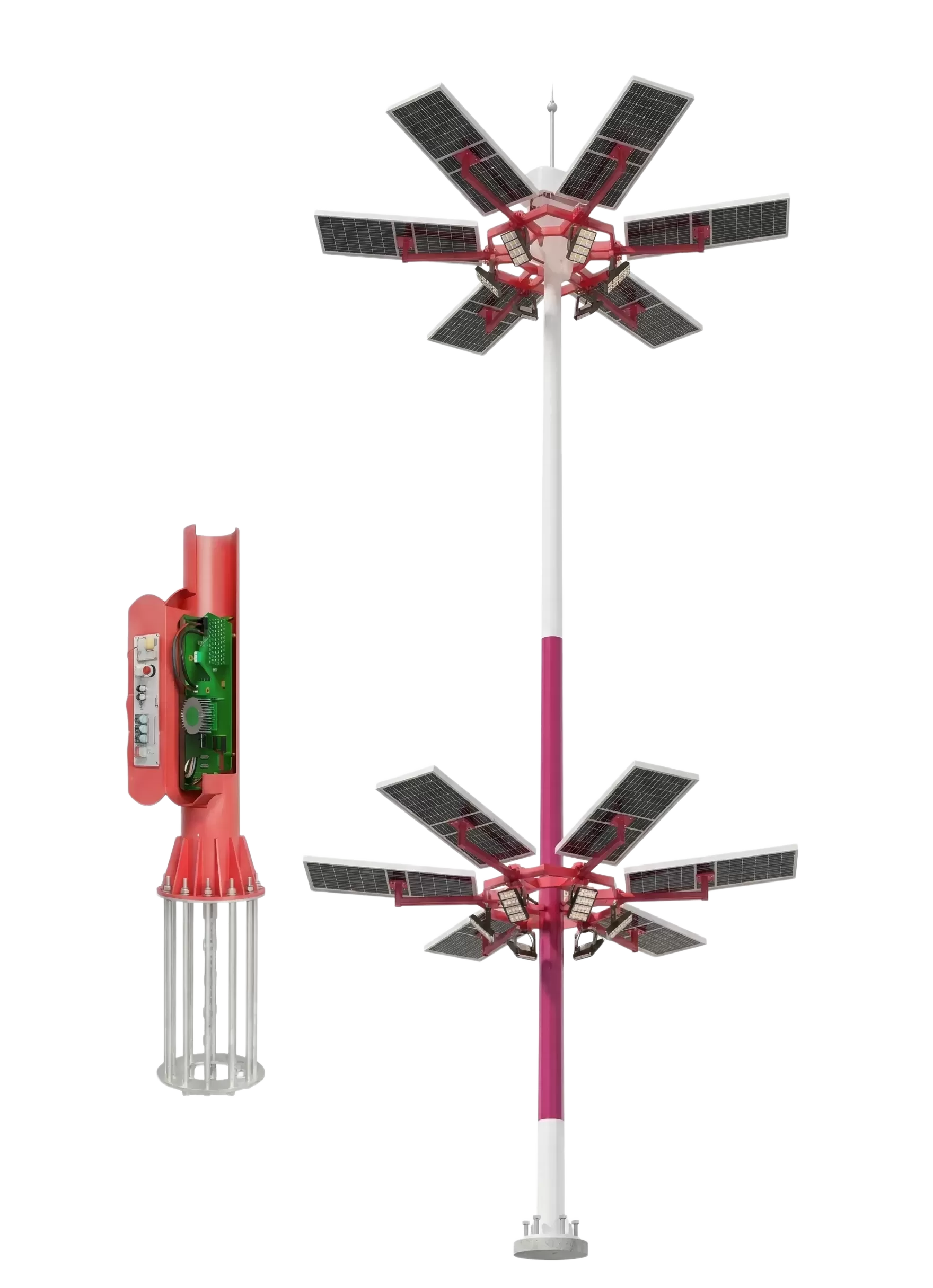
| Remote perimeter road or difficult cable installation | Smart solar street lighting system | Off-grid lighting reduces trenching and supports perimeter patrol routes, secondary gates and remote security areas. | Country, solar conditions, operating hours, autonomy requirement, road width and monitoring needs. |
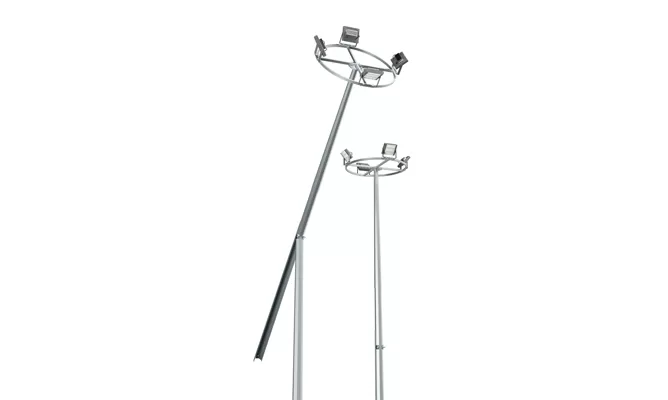
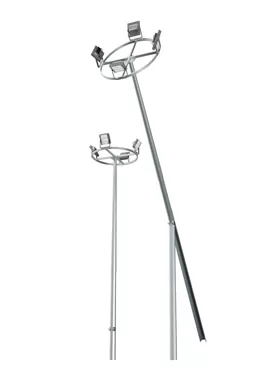
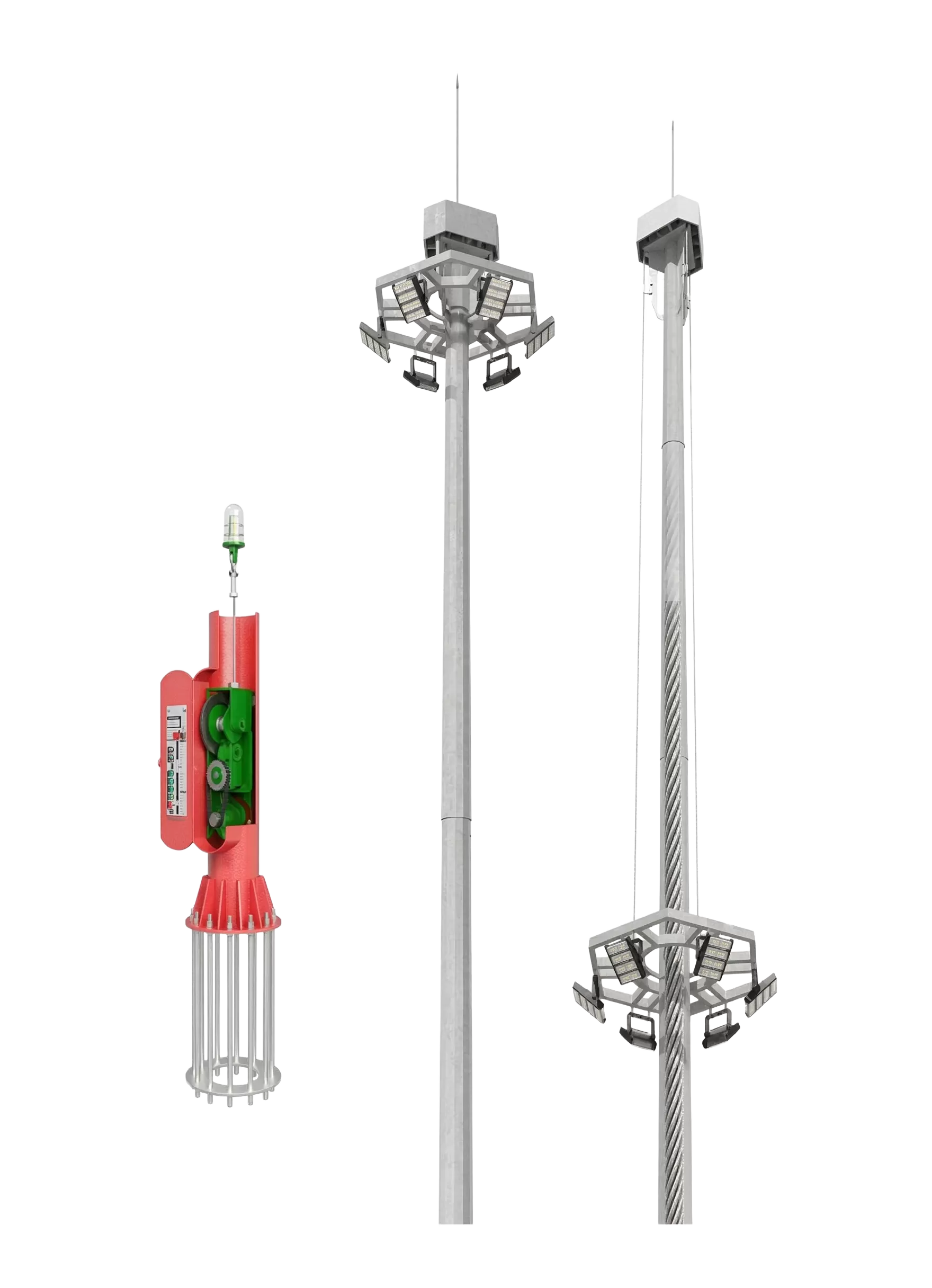
| Need safer maintenance in a busy terminal | High mast with lifting system | The luminaire ring can be lowered for inspection and repair, reducing high-altitude work and interference with cargo operations. | Mast height, luminaire load, maintenance policy, control method, available service area and safety requirements. |

 English
  français
  Deutsch
  Español
  русский
  português
  العربية
  Afrikaans
  עברי
עברי  Latinae
  Pilipino