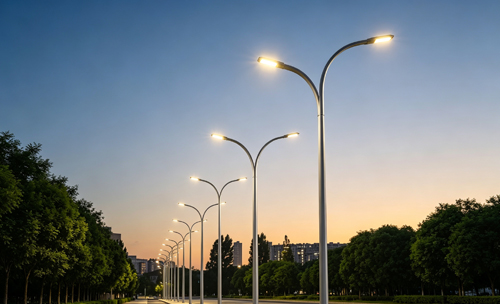
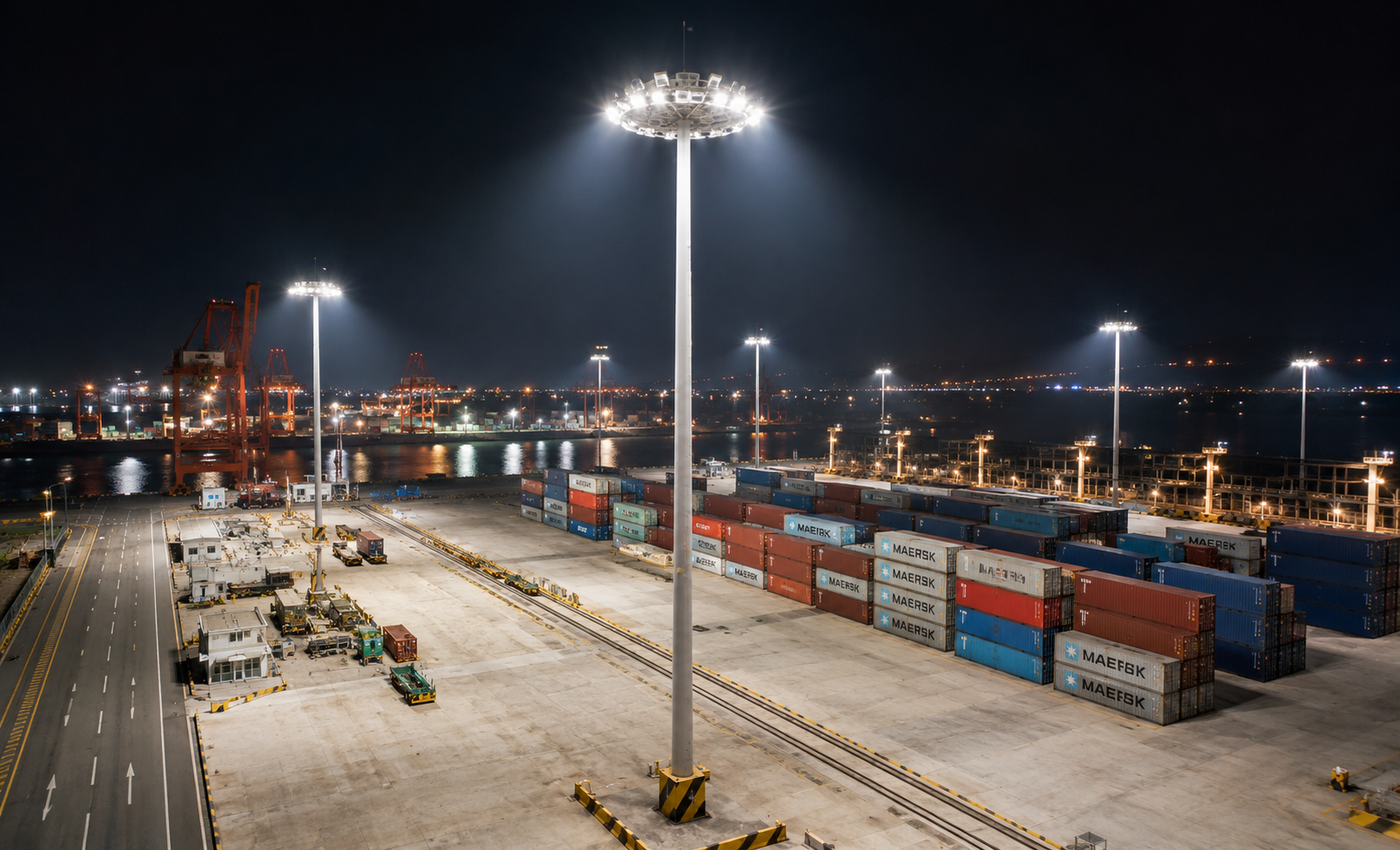
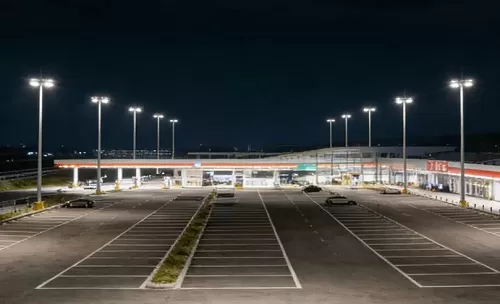
Steel is one of the most widely used materials for outdoor lighting poles because it combines structural strength, fabrication flexibility and relatively economical production costs. However, selecting a pole involves more than simply choosing steel.
Buyers must also consider the steel grade, wall thickness, pole height, shaft diameter, luminaire weight, arm length and local wind conditions. An unsuitable material specification may increase costs or reduce structural reliability.
Phoebus Lighting recommends evaluating the complete loading conditions before confirming whether Q235 or Q345 steel should be used.
Why Is Steel Commonly Used for Light Poles?
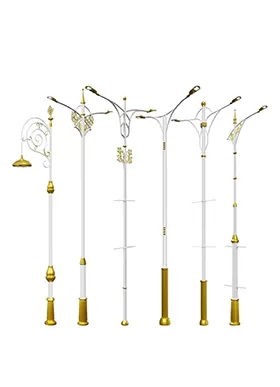
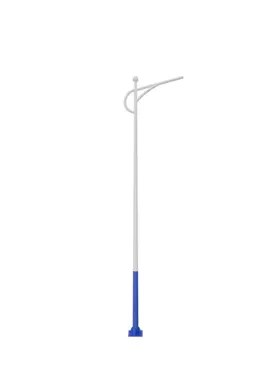
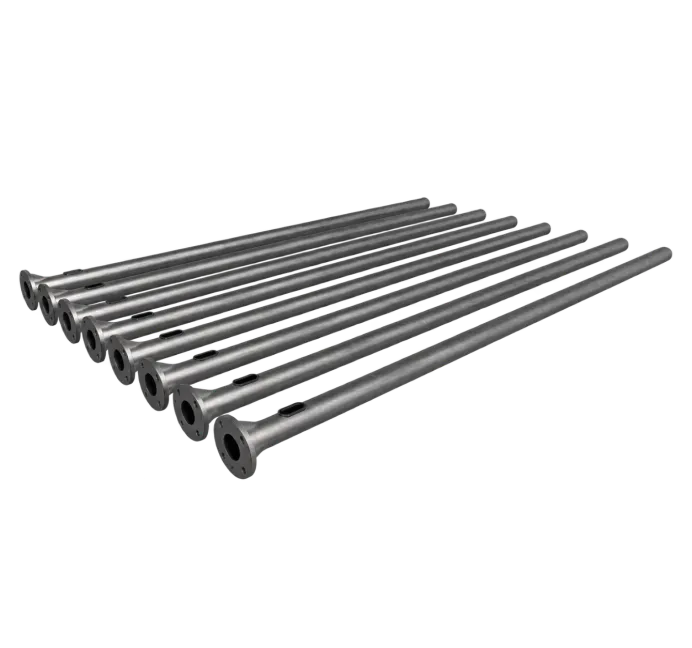
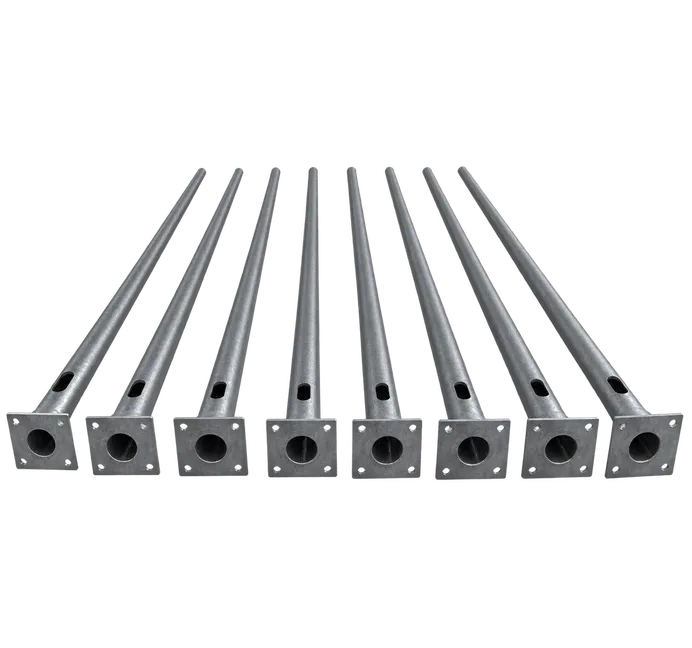
A steel street light pole can be manufactured in different heights, shapes, diameters and arm configurations.
Steel is commonly selected because it offers:
· Good structural strength
· Reliable welding performance
· Flexible forming and fabrication
· Suitability for tapered pole designs
· Compatibility with galvanizing and powder coating
· Competitive cost for large projects
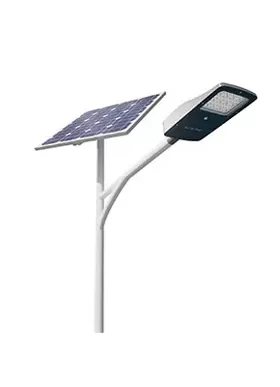
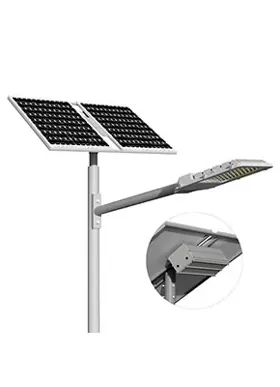
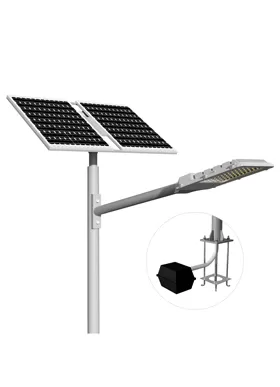
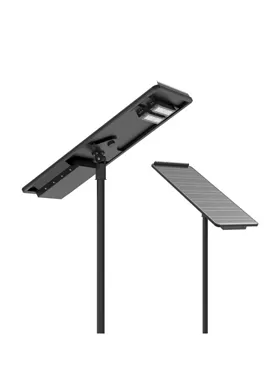
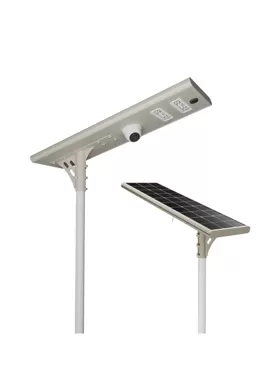
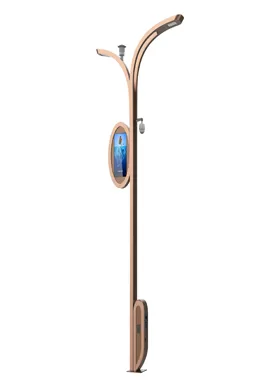
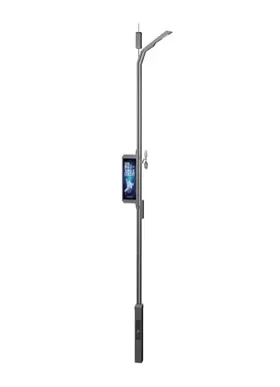
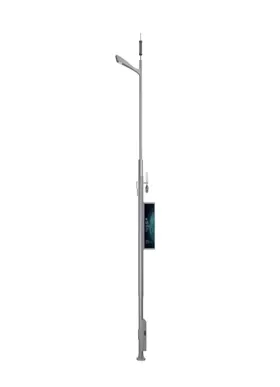
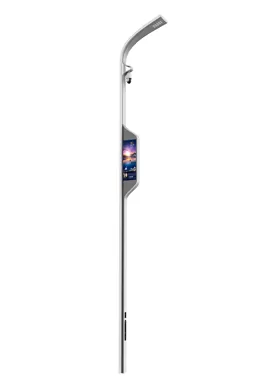
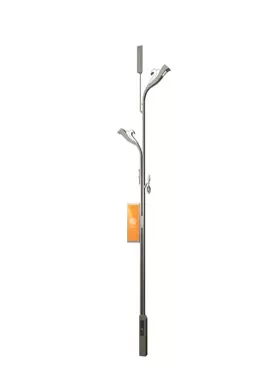
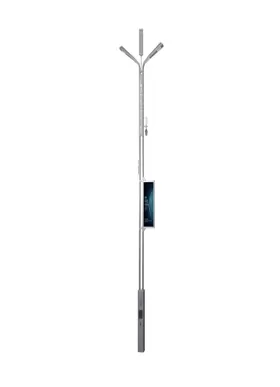
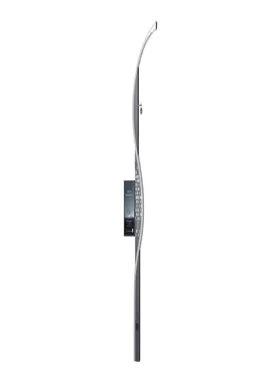
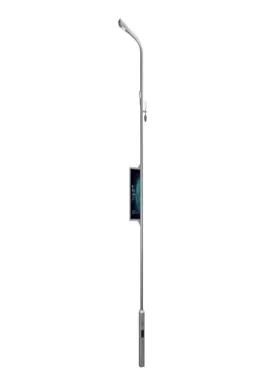
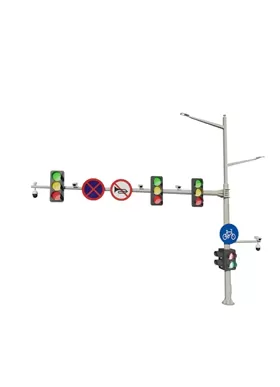
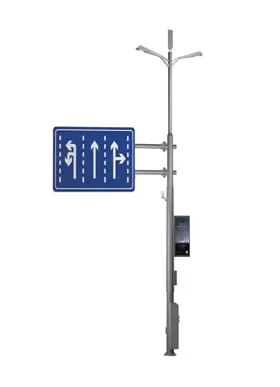
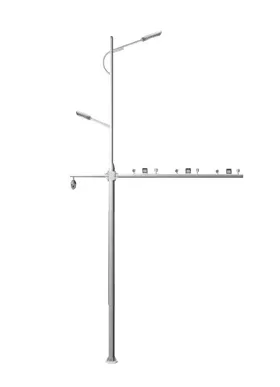
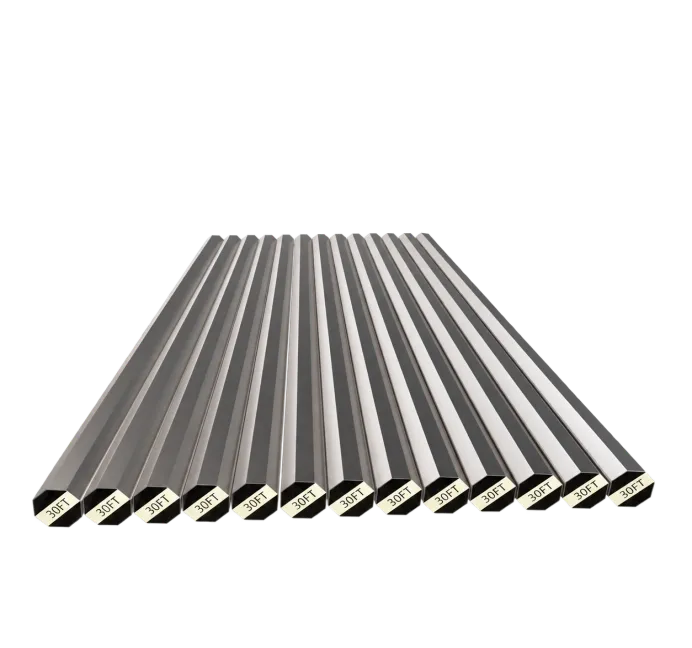
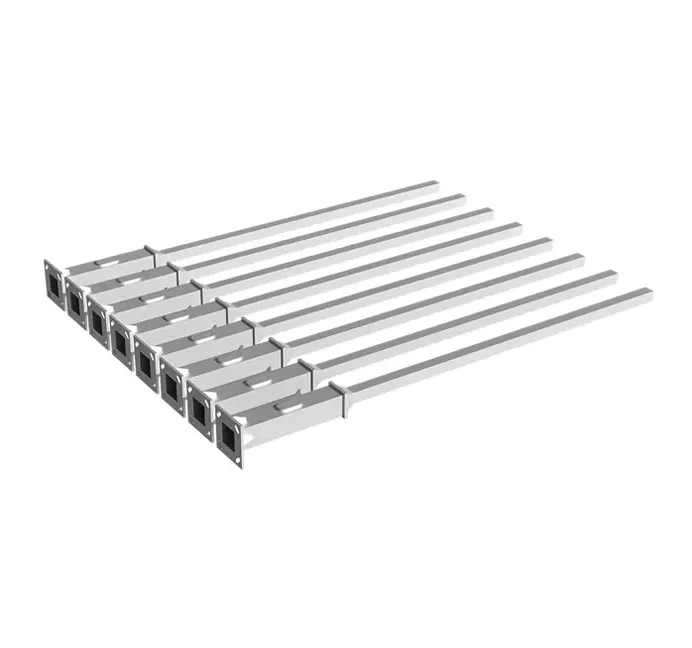
Steel street light poles can be manufactured as conical, octagonal, square or decorative structures. They may also support single arms, double arms, solar panels, cameras and smart city devices.
The final performance depends on both the steel material and the structural design.
What Is Q235 Steel?
Q235 is a commonly used carbon structural steel. It is widely applied in standard lighting poles, building structures and general steel fabrication.
Its main advantages include:
· Good weldability
· Easy cutting and forming
· Wide material availability
· Relatively low cost
· Suitability for standard pole structures
Q235 may be used for residential roads, urban streets, parks, parking areas and commercial projects.
It is often suitable for shorter and medium-height poles when the shaft diameter and wall thickness are correctly designed.
However, the use of Q235 should still be checked against the required wind resistance, pole height and fixture load.
What Is Q345 Steel?
Q345 is a higher-strength structural steel. Its greater yield strength can make it suitable for taller poles or more demanding loading conditions.
Typical applications may include:
· Tall road lighting poles
· High-wind locations
· Double-arm poles
· Poles supporting heavy luminaires
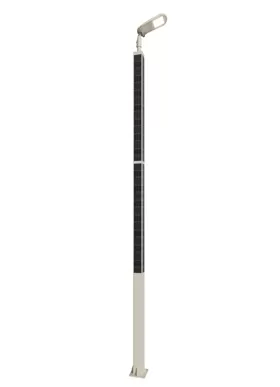
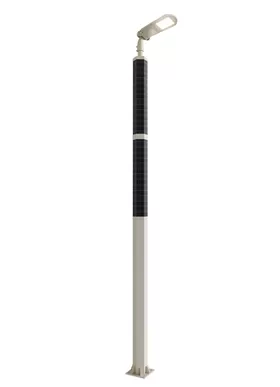
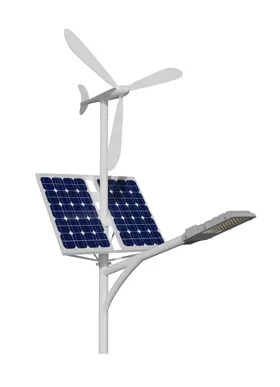
· Solar lighting poles
· Smart poles carrying multiple devices
Q345 may allow the manufacturer to achieve the required structural strength without simply increasing the wall thickness.
However, higher-strength steel does not automatically make a pole safer. The design must still consider welding quality, pole diameter, base plate dimensions, anchor bolts and foundation conditions.
Q235 vs Q345: Main Differences
Comparison Factor | Q235 Steel | Q345 Steel |
Strength level | Standard structural strength | Higher structural strength |
Common applications | Standard road and public lighting | Taller or more heavily loaded poles |
Material cost | Generally lower | Generally higher |
Fabrication | Easy to form and weld | Suitable for demanding structures |
Typical project conditions | Moderate height and wind load | Higher wind load or additional equipment |
Q235 is often sufficient for a standard street light pole. Q345 may be preferred when the pole is taller, carries more equipment or is installed in a high-wind region.
The final selection should be based on structural calculations rather than price alone.
How Is Light Pole Thickness Selected?
Pole wall thickness affects strength, weight, production cost and transportation.
A thicker pole may provide greater load capacity, but unnecessary thickness increases:
· Steel consumption
· Pole weight
· Material cost
· Shipping cost
· Installation requirements
· Foundation load
The correct thickness depends on several factors.
Pole Height
Taller poles experience greater bending forces and normally require stronger shaft designs.
Top and Bottom Diameter
A larger bottom diameter can increase structural stability. The required thickness should therefore be evaluated together with the pole taper and diameter.
Luminaire and Bracket Weight
The pole must support the total weight of the luminaire, arm and accessories. Double-arm designs normally carry greater loads than single-arm structures.
Wind Speed
Wind pressure acts on the pole shaft, arms, luminaires and any additional equipment. The project's local design wind speed should always be provided.
Additional Equipment
Solar panels, cameras, displays, sensors and communication devices increase both weight and wind-exposed area.
The appropriate light pole size should therefore be determined from the complete project configuration.
Why Thicker Is Not Always Better
Some buyers specify thicker steel because they assume it always provides better quality. In practice, pole design is more complex.
A pole with excessive wall thickness may be unnecessarily expensive and difficult to transport. Meanwhile, a pole with a suitable thickness but an incorrect diameter, base plate or foundation may still be unsafe.
The manufacturer should evaluate:
1. Pole height
2. Steel grade
3. Top and bottom diameter
4. Wall thickness
5. Luminaire weight
6. Arm length
7. Wind speed
8. Access door size
9. Base plate dimensions
10. Foundation conditions
Phoebus Lighting can adjust the steel grade, shaft diameter and thickness according to these project requirements.
How Does Surface Treatment Affect Steel Poles?
Steel poles require surface protection because untreated steel can corrode when exposed to moisture and outdoor pollutants.
Hot-Dip Galvanizing
A galvanized steel pole is coated with zinc to protect the steel from rust.
Hot-dip galvanizing is commonly used for:
· Roads and highways
· Industrial areas
· Parking lots
· Coastal regions
· Public infrastructure
The zinc coating can protect both external and many internal surfaces of the pole.
Powder Coating
A powder coated steel pole has a coloured protective finish.
Powder coating is often selected for:
· Parks
· Residential developments
· Commercial streets
· Landscape projects
· Architectural lighting
For projects requiring both corrosion resistance and colour, powder coating may be applied over a galvanized surface.
What Documents Should Buyers Request?
For larger projects, buyers may request technical documents to verify the pole material and design.
These may include:
· Steel material certificate
· Pole production drawing
· Wall thickness specification
· Wind-load calculation
· Welding inspection record
· Galvanizing report
· Base plate drawing
· Anchor bolt layout
· Foundation recommendation
The drawing should clearly show the pole height, diameter, thickness, bracket design and access door position.
FAQs
Is Q345 always better than Q235?
No. Q345 has higher strength, but Q235 is suitable for many standard lighting projects. The correct grade depends on the complete structural design.
What thickness is commonly used for steel light poles?
There is no single standard thickness. It depends on pole height, diameter, steel grade, fixture load and wind speed.
Can Q235 steel be used for a 12m pole?
It may be possible if the pole diameter and thickness are properly designed. Structural calculations should be completed before confirming the material.
Does a double-arm pole require thicker steel?
It may require a stronger structure because it supports two luminaires and longer brackets. The final thickness depends on the total load.
Why are steel poles galvanized?
Galvanizing protects the steel from corrosion and helps reduce outdoor maintenance requirements.
Can steel light poles be customised?
Yes. Steel grade, pole height, diameter, thickness, shape, arm configuration and surface finish can all be customised.
Conclusion
Q235 is a practical material for many standard road and public lighting projects, while Q345 may be selected for taller poles, higher wind loads or heavier equipment.
Wall thickness should not be chosen independently. It must be evaluated together with the pole height, diameter, arm length, fixture weight and installation environment.
By providing complete technical information, buyers can work with Phoebus Lighting to select a steel grade and thickness that balance structural safety, manufacturing cost and long-term outdoor performance.

 English
  français
  Deutsch
  Español
  русский
  português
  العربية
  Afrikaans
  עברי
עברי  Latinae
  Pilipino