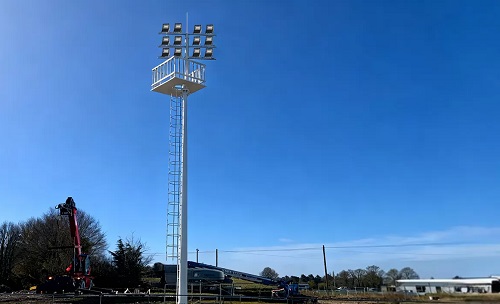
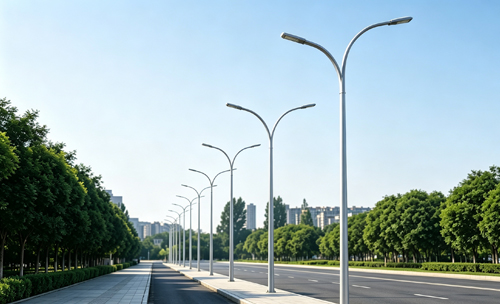
Outdoor light poles are continuously exposed to rain, humidity, dust, sunlight and changing temperatures. Without suitable surface protection, steel may gradually corrode, reducing the pole’s appearance, strength and service life.
Hot-dip galvanizing is one of the most common corrosion protection methods used for steel lighting poles. It creates a zinc coating over the fabricated steel surface and helps protect both external and internal areas of the pole.
Phoebus Lighting uses hot-dip galvanizing for different road, industrial and public lighting projects where long-term outdoor durability is required.
What Is a Hot Dip Galvanized Light Pole?
A hot dip galvanized pole is a steel pole that has been immersed in molten zinc after fabrication.
During the process, zinc reacts with the steel surface and forms several protective alloy layers. The outer zinc coating separates the steel from moisture and oxygen, which are the main causes of rust.
Compared with paint applied directly to untreated steel, hot-dip galvanizing generally provides more complete coverage. Zinc can reach corners, welded sections and many internal surfaces that may be difficult to protect with conventional spraying.
This treatment is widely used for lighting poles installed in:
· Roads and highways
· Industrial areas
· Parking lot lighting solutions
· Coastal regions
· Public infrastructure
· Residential developments
· Commercial outdoor areas
How Does the Hot-Dip Galvanizing Process Work?
The galvanizing process normally begins after the pole shaft, base plate, access door and other structural components have been fabricated.
1. Surface Cleaning
The steel surface must be cleaned before galvanizing. Oil, grease, rust and welding residues can prevent the zinc from bonding correctly.
Cleaning may include degreasing, rinsing and acid treatment.
2. Flux Treatment
The cleaned pole is treated with a flux solution. This helps prevent surface oxidation before immersion and improves the reaction between the steel and molten zinc.
3. Zinc Immersion
The complete pole is immersed in a bath of molten zinc. The zinc reacts with the steel and creates a bonded protective coating.
The immersion time depends on the pole dimensions, steel thickness and galvanizing conditions.
4. Cooling and Inspection
After removal from the zinc bath, the pole is cooled and inspected.
The manufacturer checks for:
· Uncoated areas
· Excessive zinc accumulation
· Sharp surface points
· Drainage problems
· Surface damage
· Coating thickness
Minor differences in brightness, colour or surface texture may occur. These variations do not necessarily reduce corrosion resistance.
Main Benefits of Hot-Dip Galvanizing
A galvanized light pole offers several practical benefits for outdoor lighting projects.
Strong Corrosion Resistance
The zinc coating protects the underlying steel from direct exposure to rain, humidity and air.
Zinc also provides sacrificial protection. When a small area is scratched, the surrounding zinc corrodes before the exposed steel, helping slow the development of rust.
Protection for Internal Surfaces
Lighting poles are often hollow. Moisture can enter through cable openings, access doors or condensation.
Hot-dip galvanizing can protect many internal surfaces as well as the outside of the pole. This is an important advantage because internal corrosion may be difficult to inspect or repair after installation.
Reduced Maintenance
Galvanized poles usually require less frequent repainting than untreated steel poles.
Lower maintenance requirements can be especially valuable for highways, industrial areas and remote locations where inspection and repair work may require lifting equipment or traffic control.
Long-Term Outdoor Performance
The service life of a galvanized pole depends on zinc coating thickness, climate, pollution, maintenance and installation conditions.
When correctly specified and produced, galvanizing can provide reliable protection over a long operating period.
Suitable for Different Pole Designs
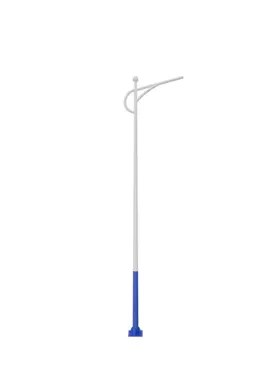
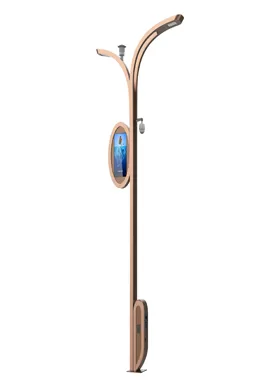
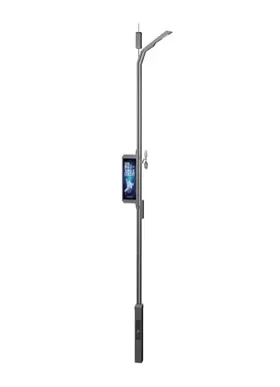
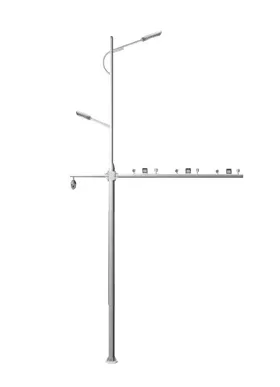
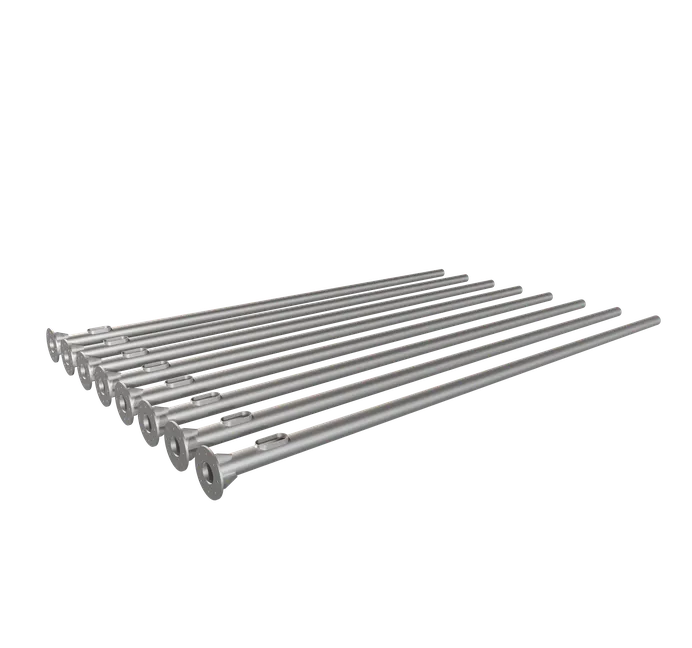
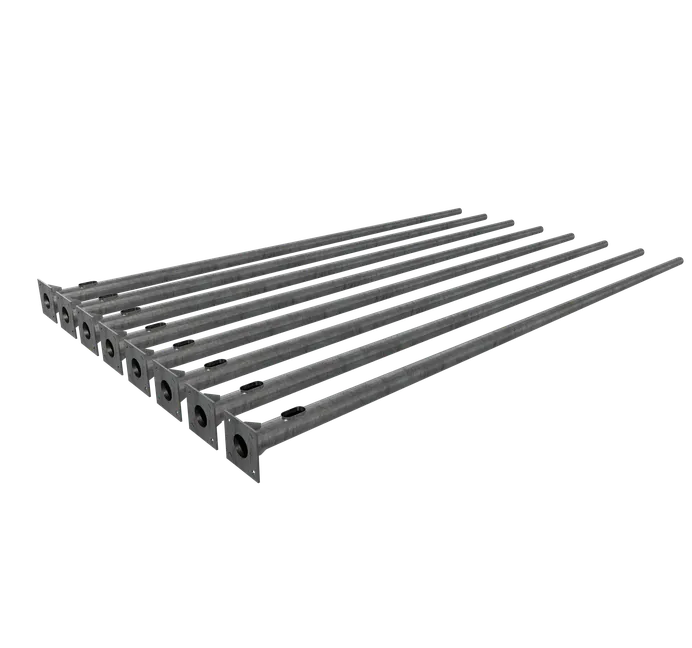
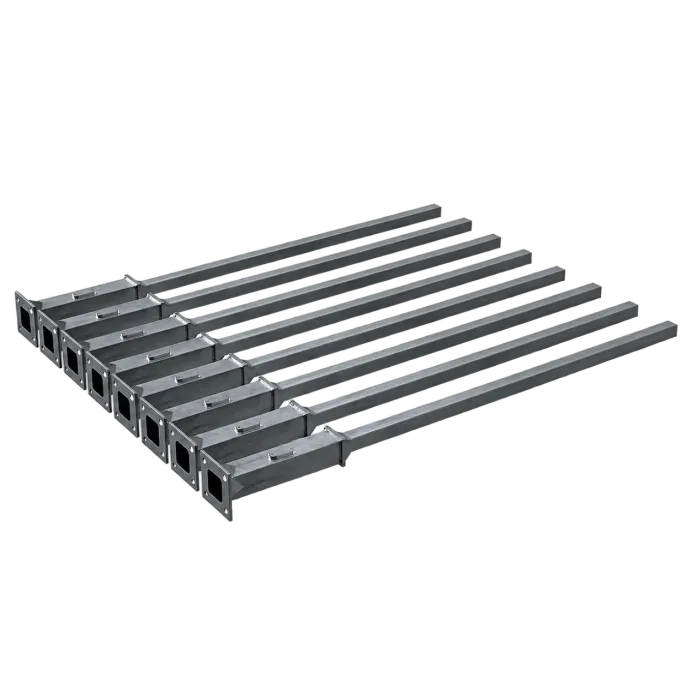
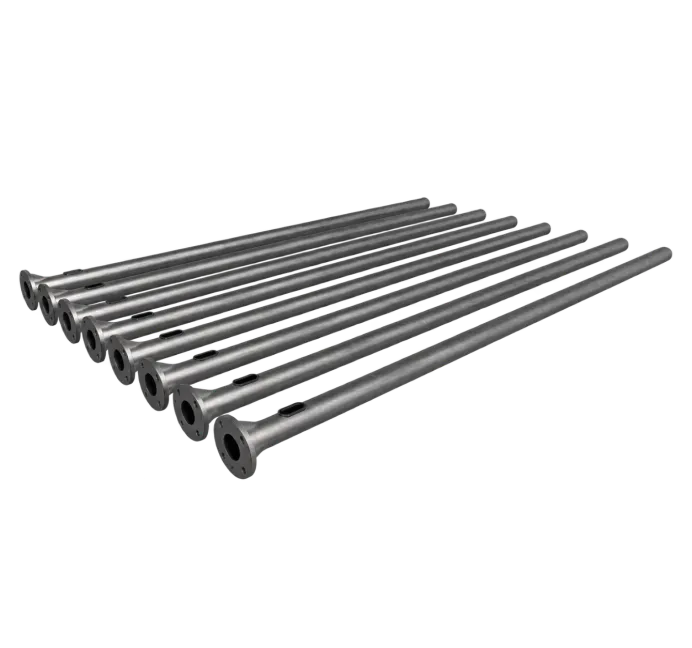
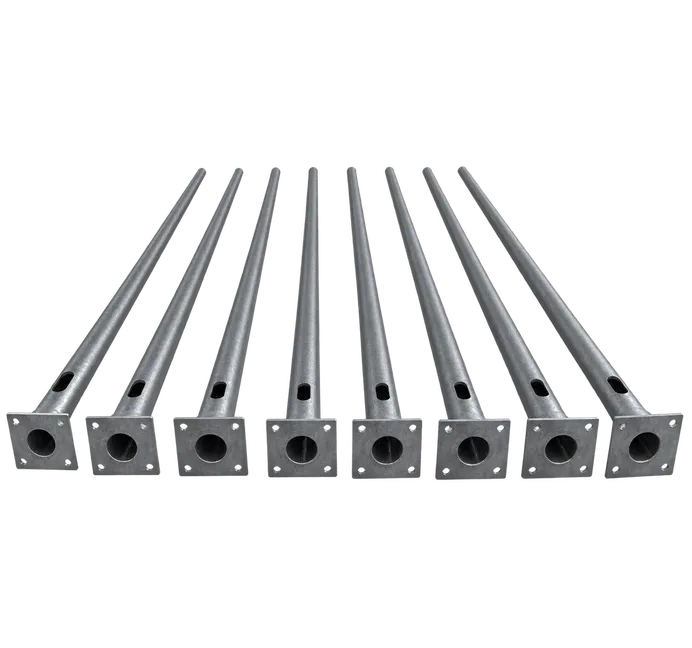
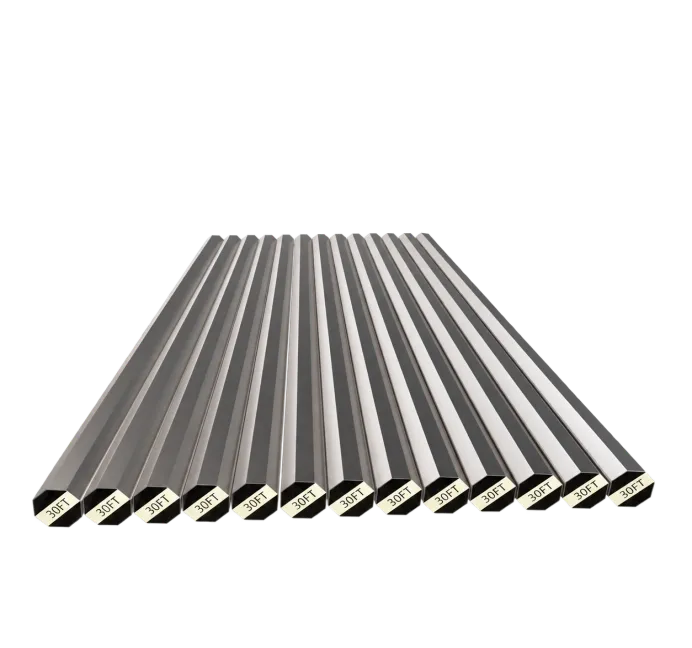
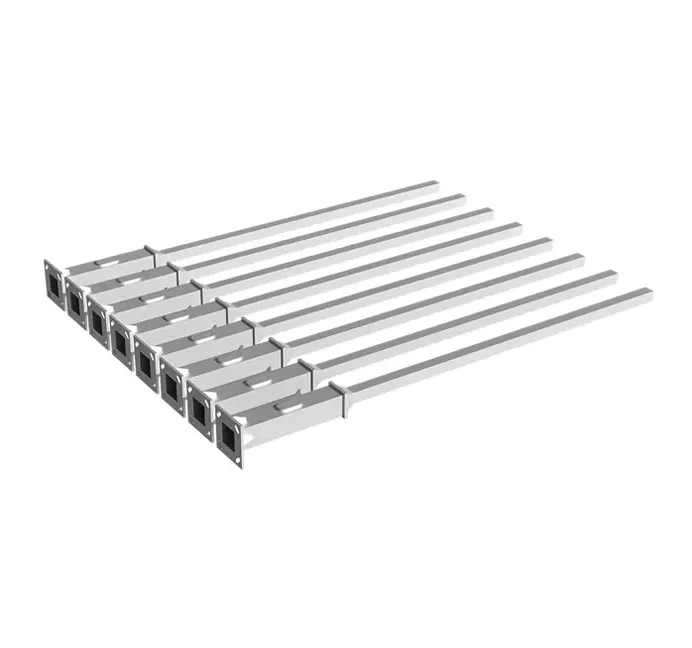
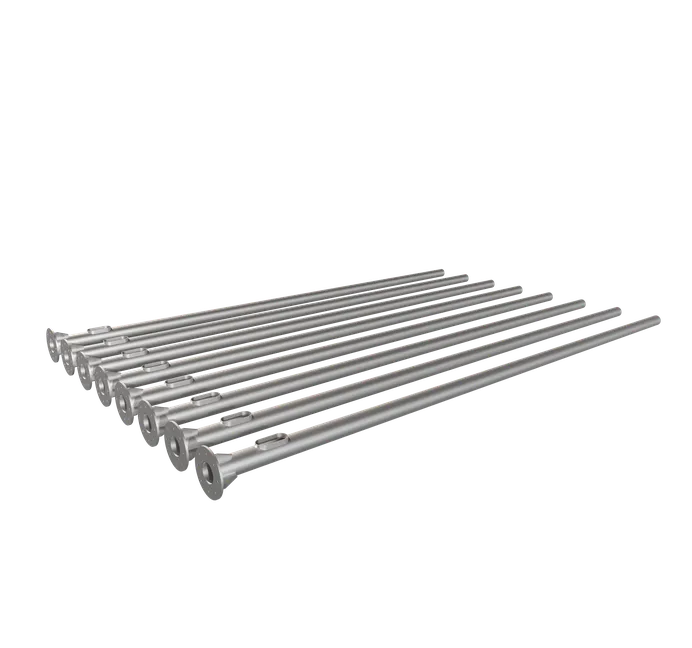
Hot-dip galvanizing can be applied to different pole shapes and sizes, including conical, octagonal, square, single-arm and double-arm structures.
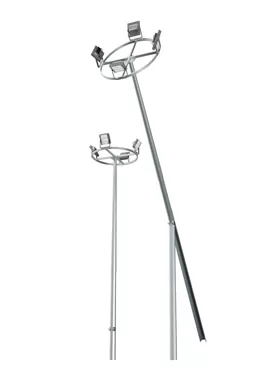
A galvanized finish can therefore be used for both a standard street light pole and larger customised structures.
Where Are Galvanized Light Poles Used?
Hot-dip galvanized poles are suitable for many outdoor environments.
Roads and Highways
Road light poles must remain outdoors for many years with limited maintenance. Galvanizing helps protect the pole from rainfall, road spray and changing temperatures.
Coastal Areas
Salt in the air can accelerate steel corrosion. Galvanized poles are commonly selected for coastal roads, ports and seaside developments.
For highly corrosive environments, buyers may also request powder coating over the galvanized surface.
Industrial Facilities
Factories, logistics centres and industrial parks may contain dust, moisture or atmospheric pollutants. Galvanizing provides a practical protective layer for outdoor poles in these locations.
Parking Areas
Parking lot poles are exposed to weather and possible impact damage. A galvanized finish can reduce the risk of corrosion around small scratches or worn areas.
Public Infrastructure
Galvanized poles are commonly used for municipal roads, intersections, public squares and transport facilities because of their durability and relatively low maintenance requirements.
Galvanized Pole vs Powder Coated Pole
Galvanized poles and powder coated poles have different main purposes.
Hot-dip galvanizing primarily provides corrosion protection. Powder coating provides colour, a smooth finish and an additional external barrier.
For projects where appearance is important, powder coating can be applied over a galvanized surface. This combined finish offers:
· Zinc-based corrosion protection
· Customised colour
· Improved visual appearance
· Additional protection from the environment
Parks, residential developments and commercial streets may use this combined treatment when both durability and appearance are required.
What Specifications Should Buyers Confirm?
When purchasing a steel light pole, buyers should not simply request “galvanized finish.” The coating requirements should be clearly defined.
Important information includes:
1. Applicable galvanizing standard
2. Required zinc coating thickness
3. Pole height and dimensions
4. Steel grade and wall thickness
5. Internal and external coating requirements
6. Installation environment
7. Distance from the coast
8. Surface appearance requirements
9. Additional powder coating requirements
10. Inspection and test documentation
Drainage and ventilation openings should also be considered during the design stage. Poorly positioned openings can affect zinc flow during galvanizing and may lead to uneven coating or trapped zinc.
Phoebus Lighting can adjust pole fabrication details and surface treatment according to the project environment and technical requirements.
FAQs
Does hot-dip galvanizing prevent all rust?
It significantly reduces corrosion, but no coating is completely maintenance-free. Service life depends on the coating thickness, environment and physical damage.
Can a galvanized pole be powder coated?
Yes. Powder coating can be applied over a properly prepared galvanized surface to provide colour and additional protection.
Is galvanizing suitable for coastal projects?
Yes. It is commonly used in coastal environments. More aggressive locations may require thicker coatings or a combined galvanized and powder-coated finish.
Does galvanizing change the strength of the pole?
Galvanizing is mainly a surface protection process. The pole’s structural strength still depends on steel grade, diameter, wall thickness and design.
Can the inside of a steel pole be galvanized?
Yes. The immersion process can coat many internal surfaces when the pole has suitable drainage and ventilation openings.
Why does a galvanized surface sometimes look uneven?
Variations in steel composition, cooling and zinc reaction can create differences in brightness or texture. These differences do not always indicate a quality problem.
Conclusion
Hot-dip galvanizing protects steel light poles from moisture, rust and demanding outdoor conditions. It offers strong corrosion resistance, internal surface protection and reduced maintenance requirements.
The process is suitable for roads, highways, parking lots, coastal areas, industrial facilities and public infrastructure projects.
Before ordering, buyers should confirm the galvanizing standard, coating thickness, installation environment and inspection requirements. Phoebus Lighting can provide customised galvanized pole solutions based on pole dimensions, structural loads and local environmental conditions.

 English
  français
  Deutsch
  Español
  русский
  português
  العربية
  Afrikaans
  עברי
עברי  Latinae
  Pilipino