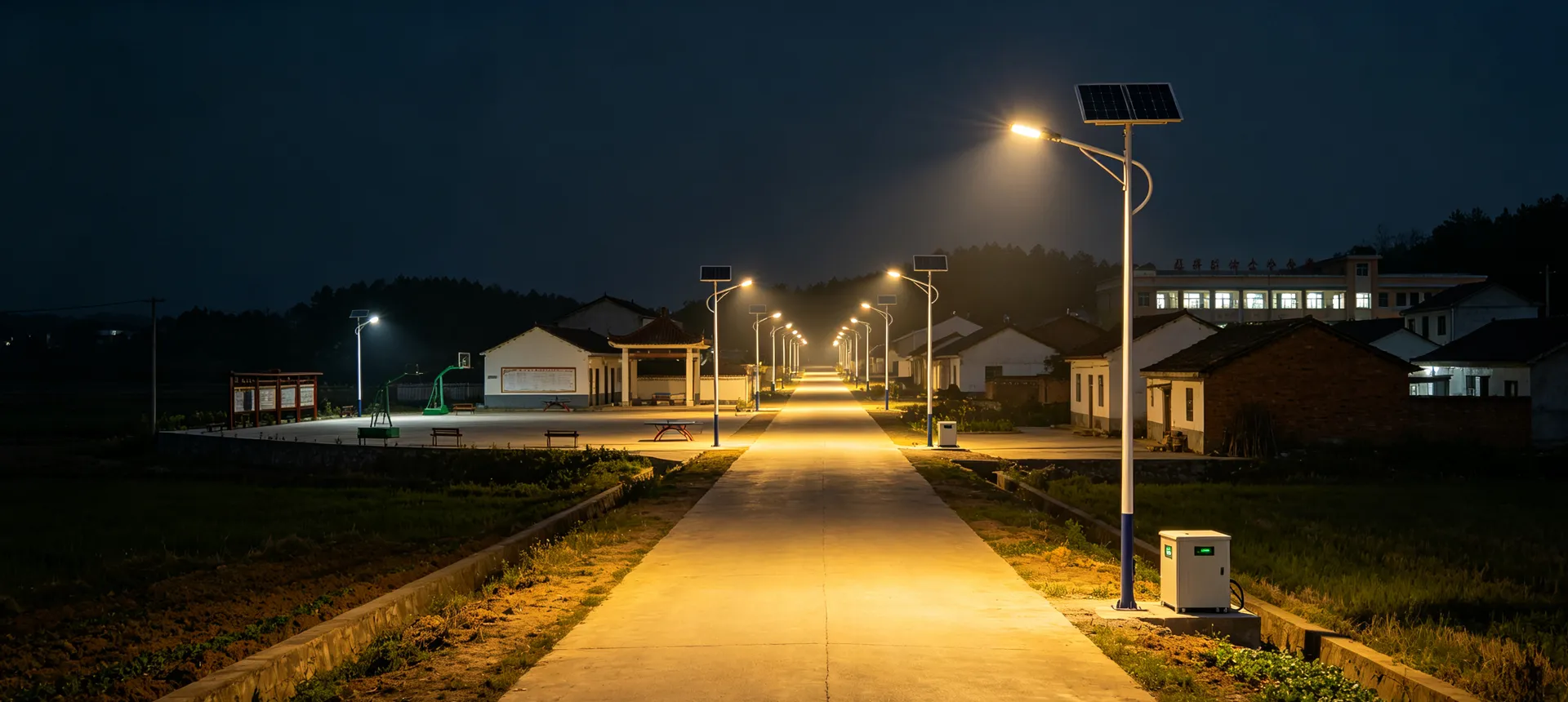
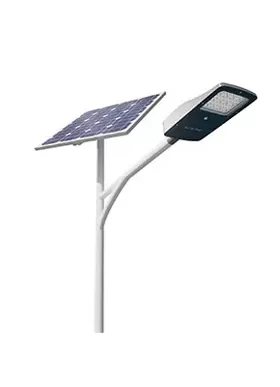
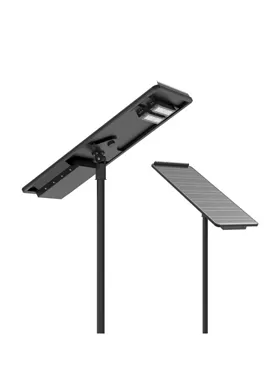
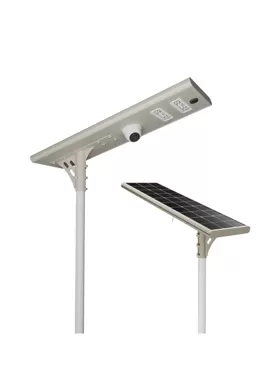
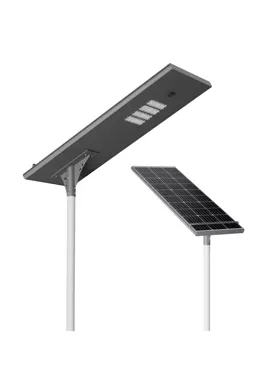
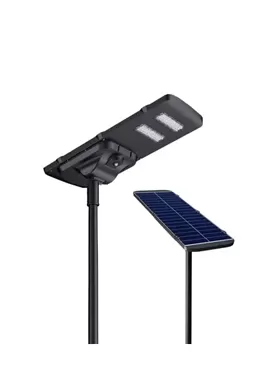
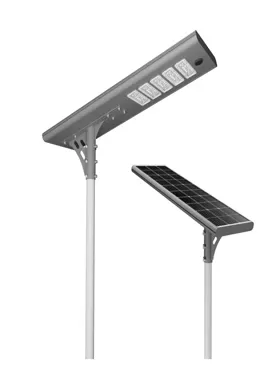
| Narrow village roads and fast deployment | New all-in-one solar street light system | Integrated components require no underground cabling and reduce installation work for distributed village lighting points. | Road width, pole spacing, operating hours, installation country, quantity and required cloudy-day backup. |
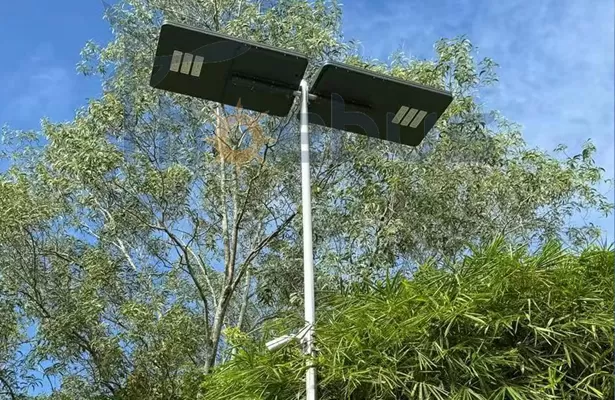
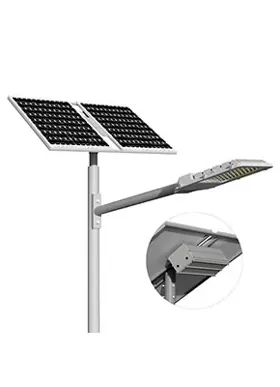
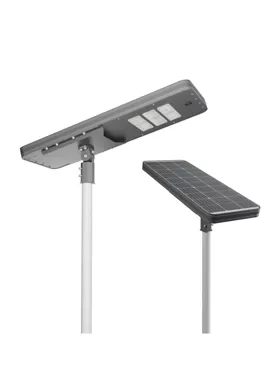
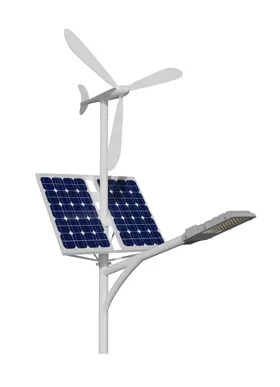
| Need longer backup or flexible component sizing | Split solar street light with lithium battery | Separate panels, batteries and lamps allow project-specific sizing and easier component replacement for township access roads. | Worst-month sunshine data, load schedule, target autonomy, pole height, road layout and local temperature range. |
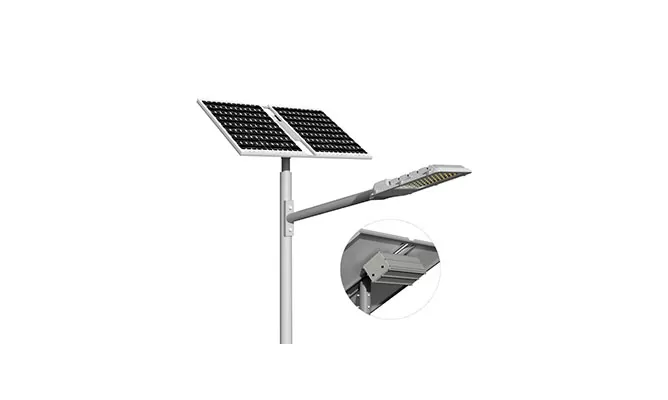
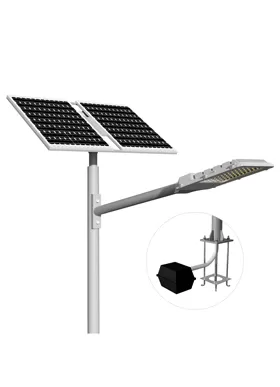
| Budget-sensitive project or harsh climate | Split solar street light with gel battery | Gel battery systems can support cost-controlled rural projects and are suitable when temperature adaptability and sealed construction are priorities. | Climate conditions, battery-box location, lighting hours, rainy-day requirement, quantity and maintenance preference. |
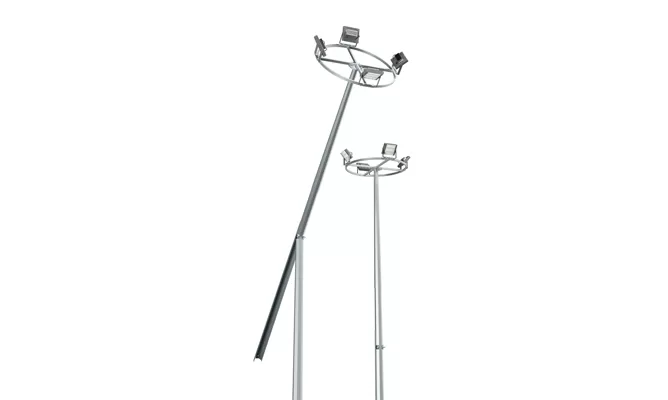
| Large rural network with limited inspection staff | IoT rural solar lighting system | Remote status monitoring, dimming and fault alarms reduce repeated travel for manual inspection across distant villages. | Number of sites, communication coverage, platform needs, dimming schedule, alarm requirements and operator access. |
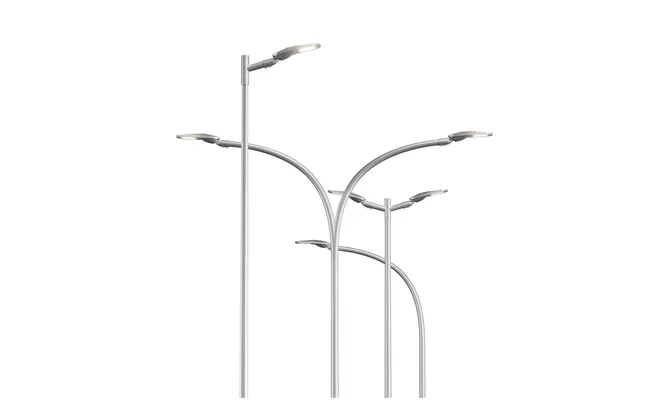
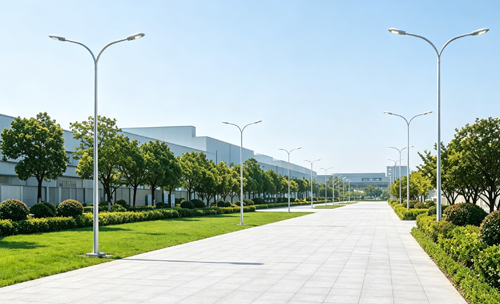
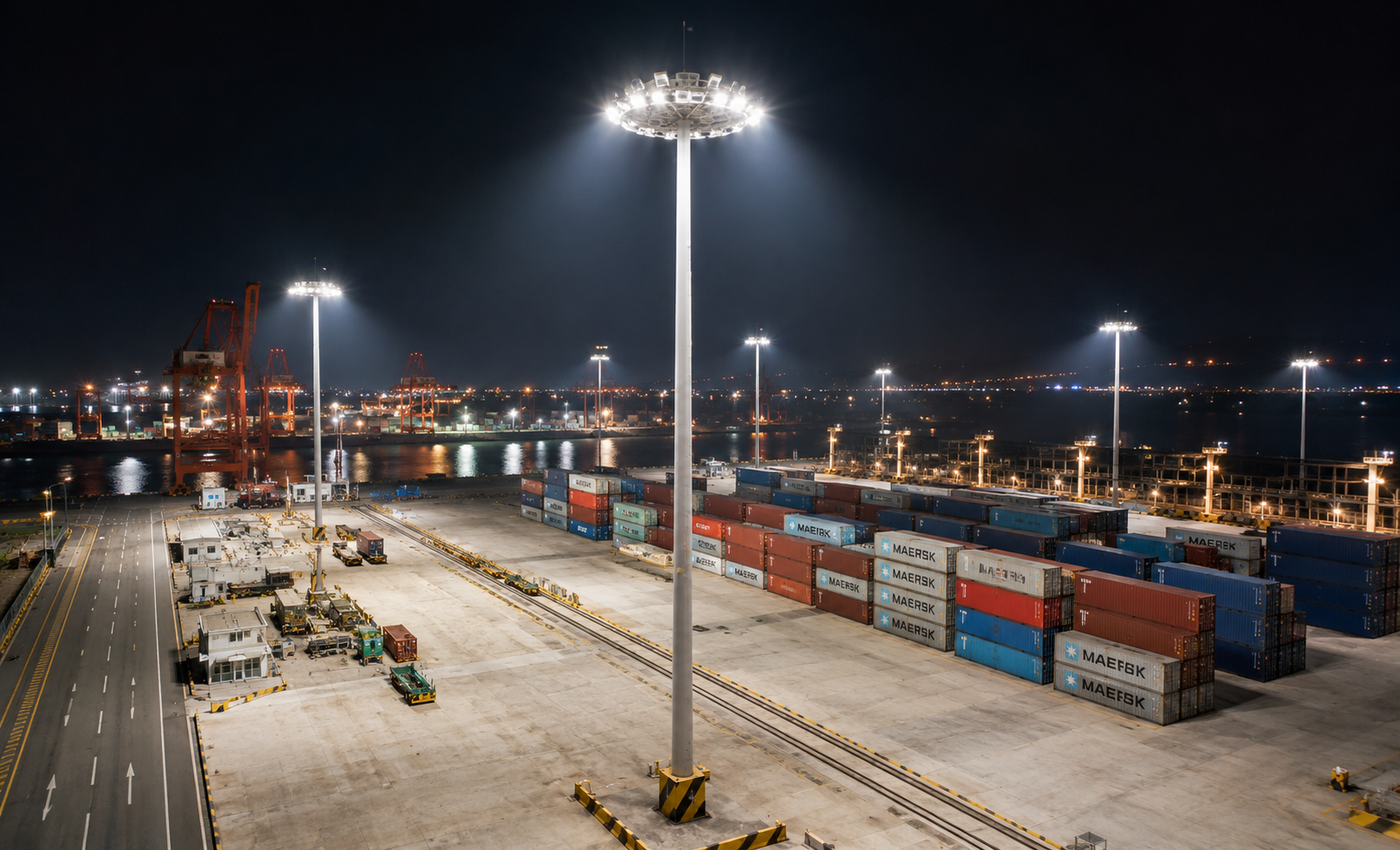
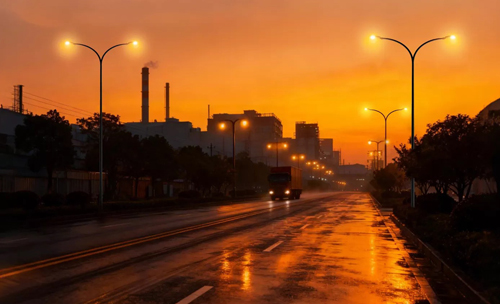
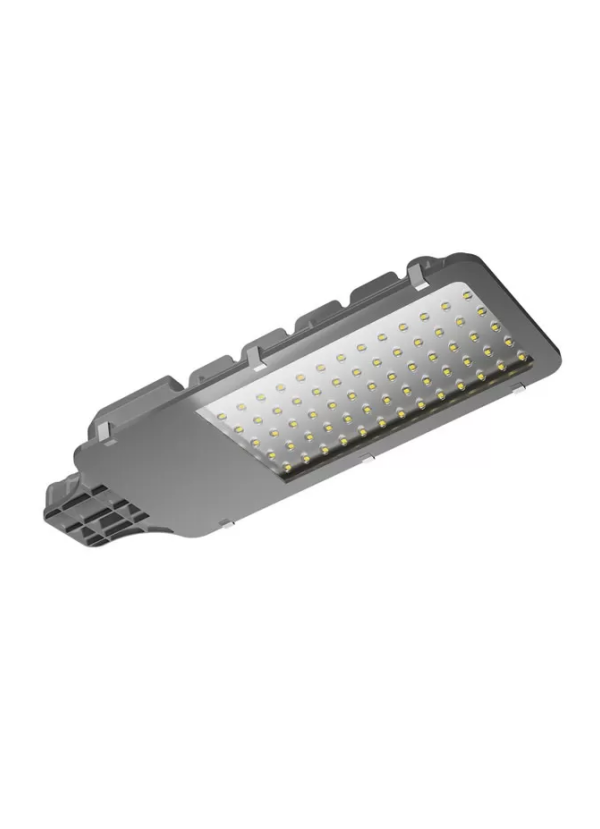
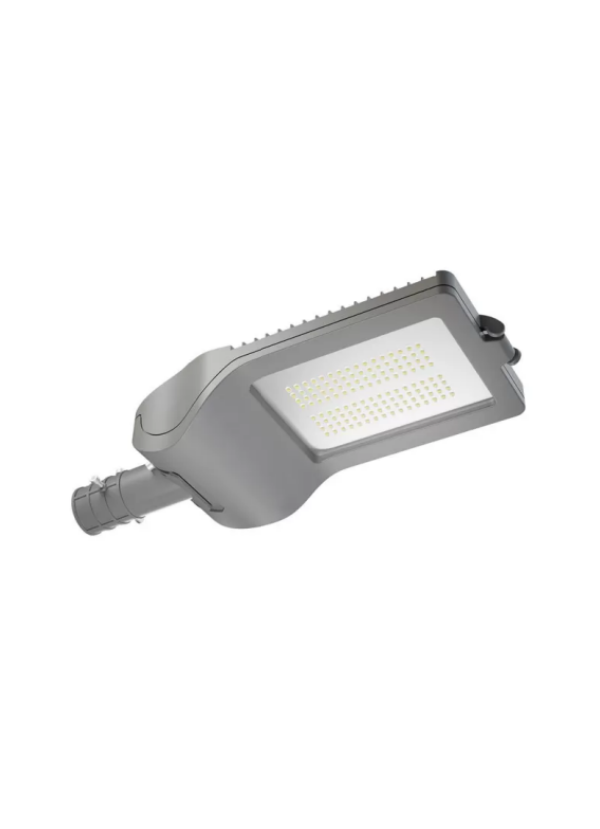
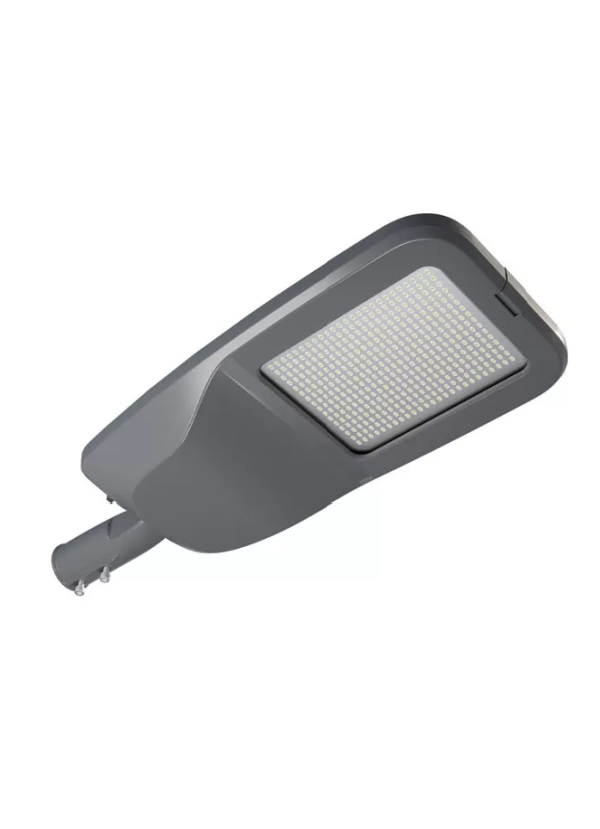
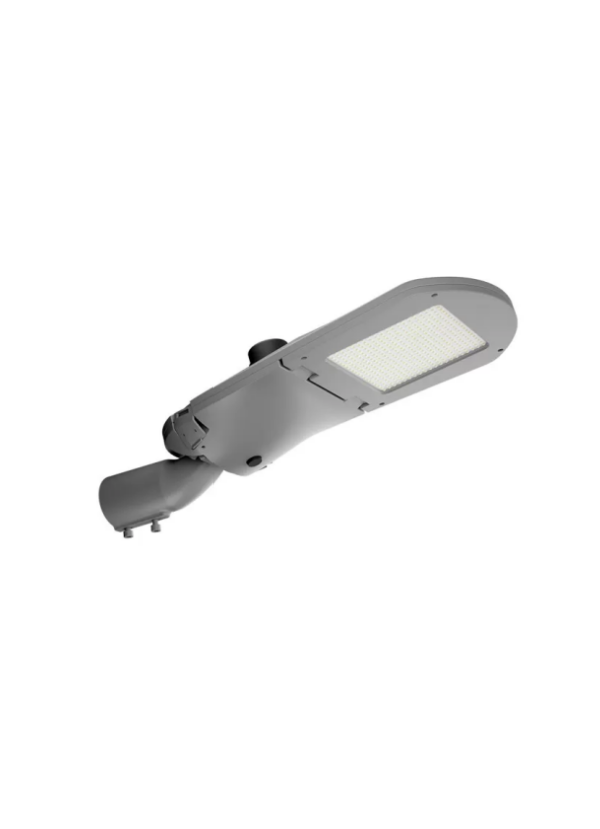
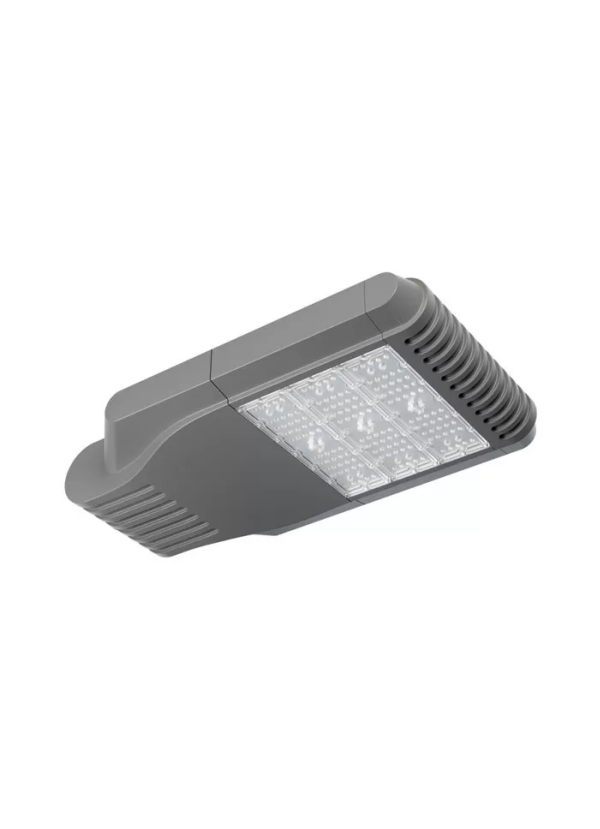
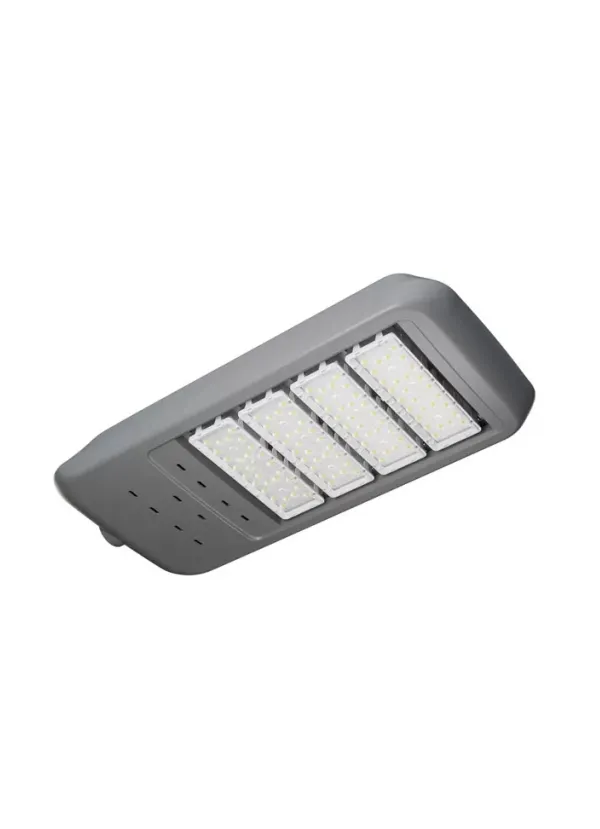
| Township main road with stable grid connection | Grid LED rural road lighting system | Grid-powered LED lighting provides stable output where cabling already exists and electricity supply is reliable. | Road classification, width, pole layout, mounting height, target illuminance, voltage and estimated quantity. |








 English
  français
  Deutsch
  Español
  русский
  português
  العربية
  Afrikaans
  עברי
עברי  Latinae
  Pilipino