As solar lighting technology continues to evolve, choosing the right system has become more critical than ever. Among the most widely adopted solutions today are all in one solar street light systems and split solar street light systems. Each offers unique structural designs, installation methods, and performance advantages depending on application scenarios.
For project planners, municipalities, and contractors, understanding the differences between these two options is essential for maximizing efficiency, cost-effectiveness, and long-term reliability.
This guide provides a comprehensive comparison of integrated solar street light and split type solar light systems—helping you make an informed decision while aligning with real-world project needs.
Understanding All In One Solar Street Light
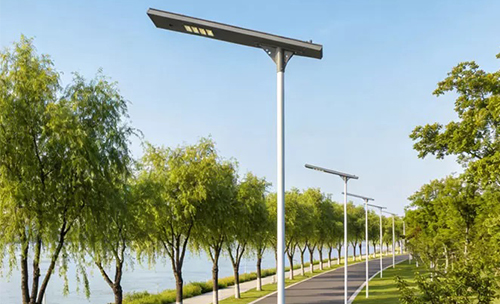
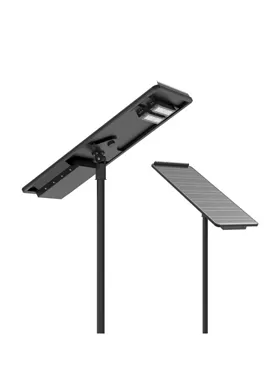
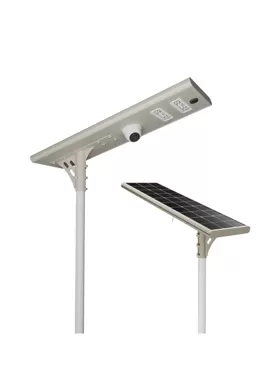
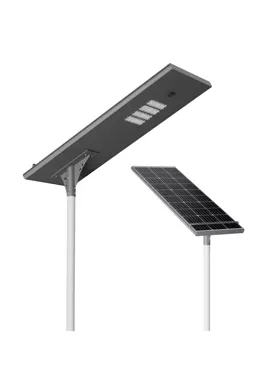
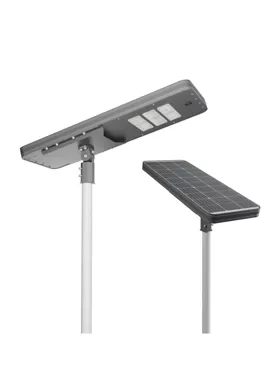
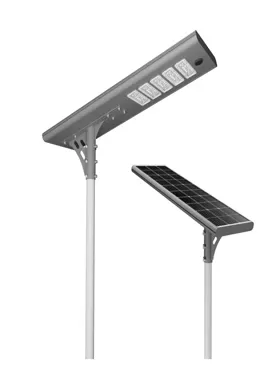
An all in one solar LED light, also known as integrated solar street light, combines all key components into a single compact unit. This includes:
Solar panel
LED light source
Lithium battery
Controller
Motion sensor (optional)
These components are pre-assembled into one housing, creating a sleek and streamlined design.
Key Features
Compact design: Everything is integrated into one unit
Easy installation: No complex wiring required
Smart control systems: Often includes motion sensors and automatic dimming
Modern appearance: Suitable for urban and residential areas
Based on Phoebus light product design, these lights are engineered for fast deployment and minimal labor costs, making them ideal for projects where installation efficiency is critical.
Understanding Split Solar Street Light
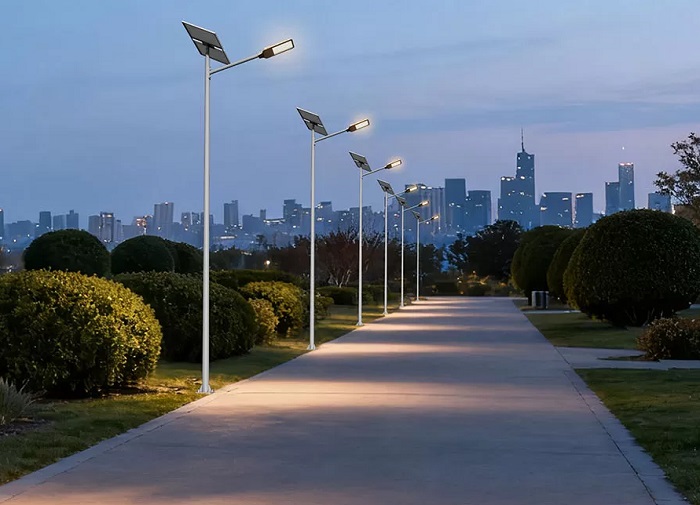
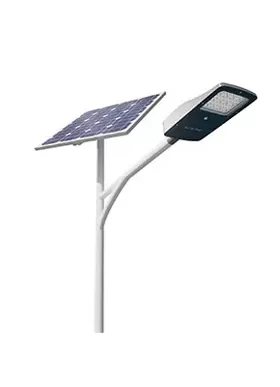
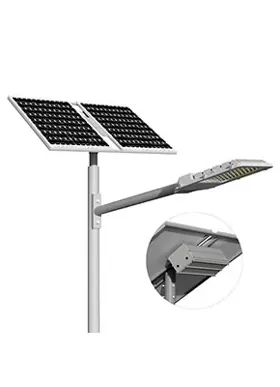
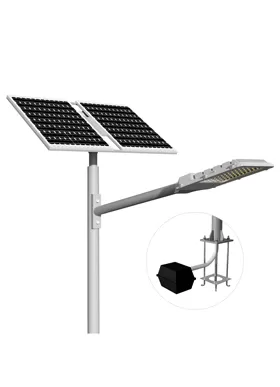
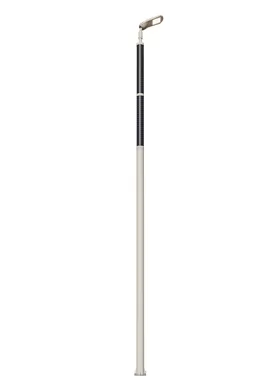
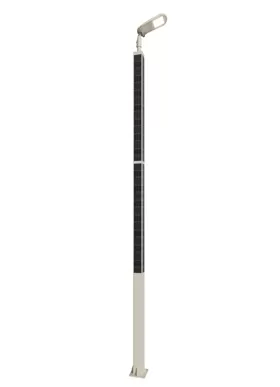
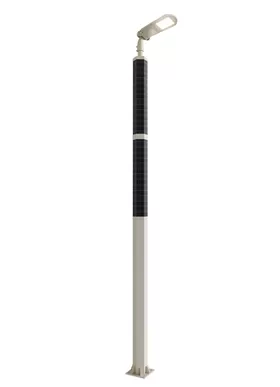
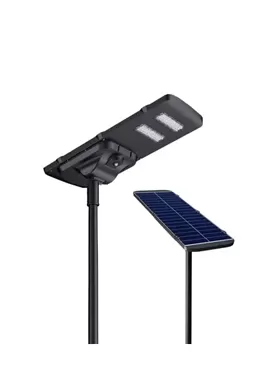
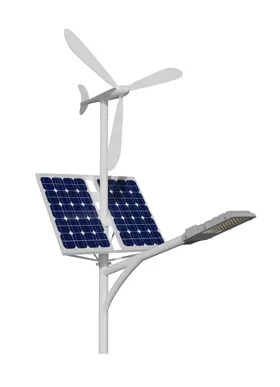
A split solar street light separates its components into different parts:
Solar panel (installed independently)
LED lamp head
Battery (often placed in a box or underground)
Controller (external or integrated)
This modular structure allows greater flexibility in system configuration.
Key Features
Flexible installation: Components can be positioned for optimal sunlight exposure
Higher power capability: Supports larger solar panels and batteries
Customizable design: Adaptable to different project scales
Enhanced performance in complex environments
Phoebus lighting's split type solar street types are designed to deliver stable performance across large-scale infrastructure projects, especially where higher illumination and longer runtime are required.
Practical Comparison: In the Field
To better understand how these two systems differ in real-world applications, here’s a detailed comparison:
| Feature | All In One Solar Street Light | Split Solar Street Light |
|---|
| Design Structure | Fully integrated | Separate components |
| Installation | Quick and simple | More flexible, requires planning |
| Aesthetic | Sleek and modern | Traditional but adaptable |
| Power Capacity | Moderate | High capacity |
| Maintenance | Easy access (single unit) | Modular servicing |
| Application Scale | Small to medium projects | Medium to large projects |
| Installation Cost | Lower labor cost | Slightly higher due to complexity |
| Performance Flexibility | Fixed configuration | Highly customizable |
Field Insights
Urban streets & residential areas: Integrated systems perform exceptionally well due to ease of installation and aesthetics.
Highways & industrial zones: Split systems provide stronger illumination and longer operational duration as solar highway lights.
Remote areas: Both work well, but split systems offer more adaptability for challenging conditions.
When to Use What?
Choosing between a split type solar light and an all in one solar street light depends on your specific project requirements.
Choose All In One Solar Street Light If:
You need fast and cost-effective installation
The project scale is small to medium
Aesthetic appearance is a priority
Maintenance resources are limited
Choose Split Solar Street Light If:
You require higher power output and longer lighting hours
The project involves large roads, highway lighting, or industrial areas
Installation conditions are complex (e.g., shading issues)
Custom system configuration is needed
As a professional solar street light manufacturer, Phoebus offers both solutions to meet diverse project needs, ensuring optimal performance without compromise.
FAQs
1. Which type of solar street light is more suitable for large-scale infrastructure projects?
Split-type solar street lights are generally more suitable due to their higher power capacity and flexible configuration options.
2. Are all in one solar street lights reliable for long-term use?
Yes, modern solar street light integrated integrated systems are designed with durable materials and intelligent control systems, ensuring reliable performance over time.
3. Which system is easier to install?
All in one solar street lights are significantly easier and faster to install because they require no complex wiring.
4. How do I choose the right solar street light for my project?
You should consider project size, installation conditions, required brightness, and budget. Consulting a professional solar street light manufacturer like Phoebus Lighting can help you determine the best solution.
Conclusion
Both all in one solar street lights and split solar street lights are excellent solutions, each designed for different application scenarios.
By understanding their differences and aligning them with your project requirements, you can achieve optimal lighting performance and long-term value.
For reliable, high-quality solutions, working with an experienced solar street light manufacturer like Phoebus Lighting ensures that your project benefits from both advanced technology and proven expertise.





 English
  français
  Deutsch
  Español
  русский
  português
  العربية
  Afrikaans
  עברי
עברי  Latinae
  Pilipino