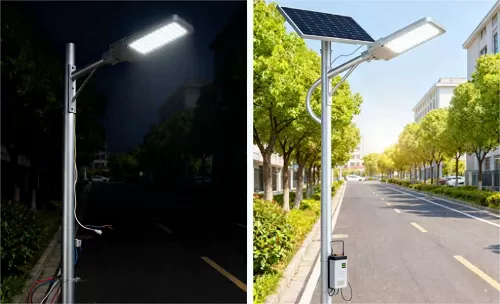
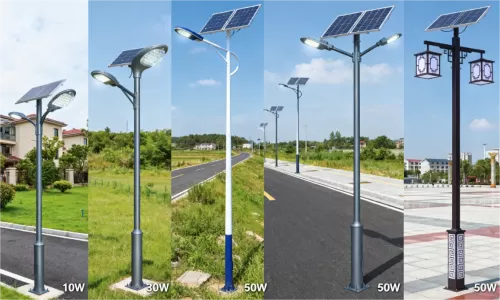
A high mast light is a tall-area lighting system typically installed at heights of 12 to 50 meters (40–165 feet), designed to illuminate large outdoor spaces with minimal poles and uniform light distribution. It consists of a high-strength pole, a crown or headframe carrying multiple luminaires, and often a motorized lowering system for maintenance. High mast lighting is widely used in highways, ports, airports, and stadiums where wide coverage, safety, and operational efficiency are critical.
What Is High Mast Light?
High mast lighting refers to an elevated lighting system engineered for large-area illumination. Unlike conventional street lights mounted at lower heights, high mast systems are designed to deliver broad, uniform lighting coverage from a single point.
Key Components
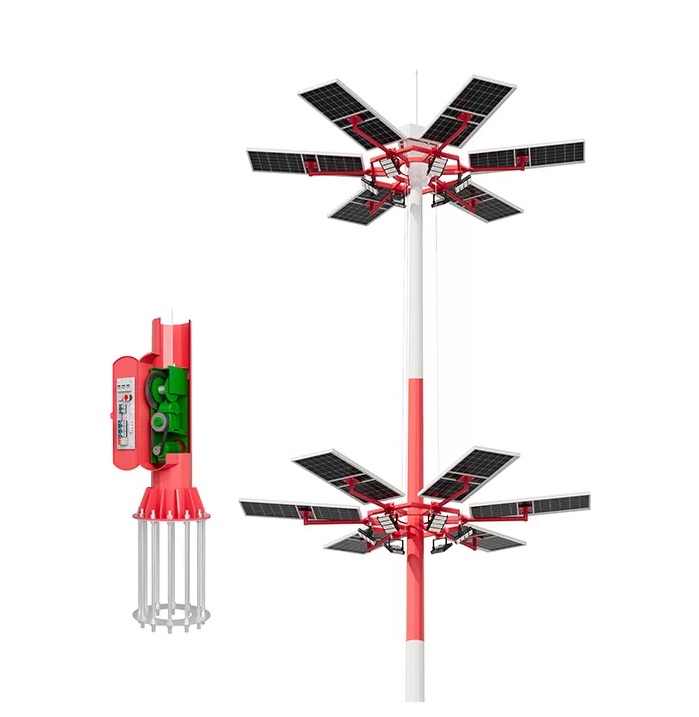
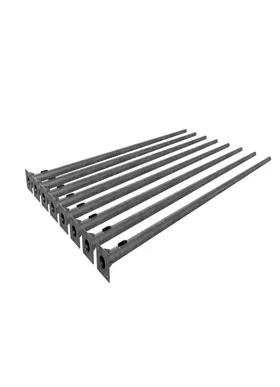
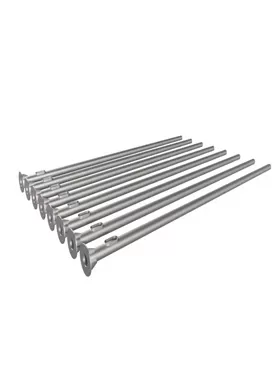
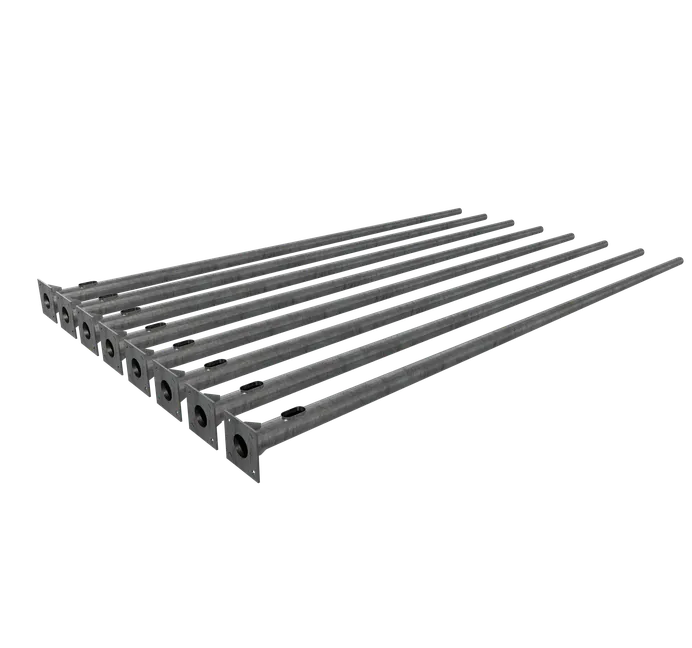
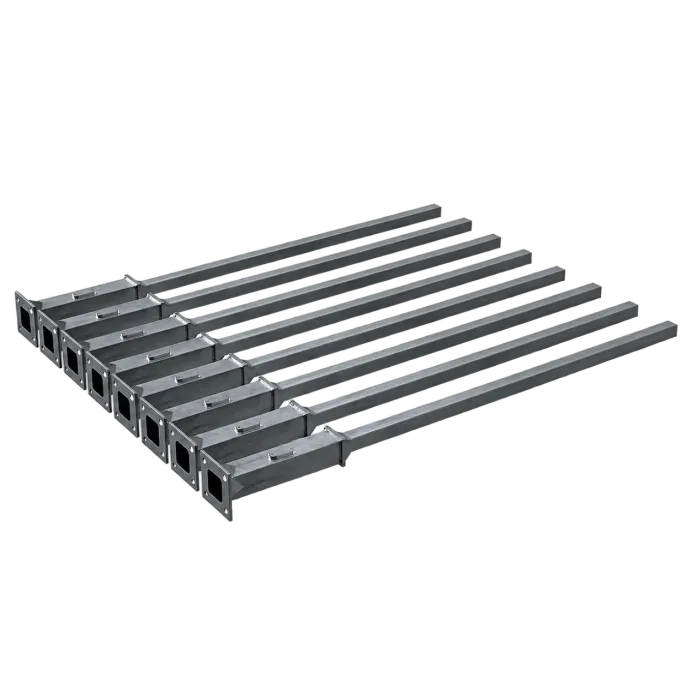
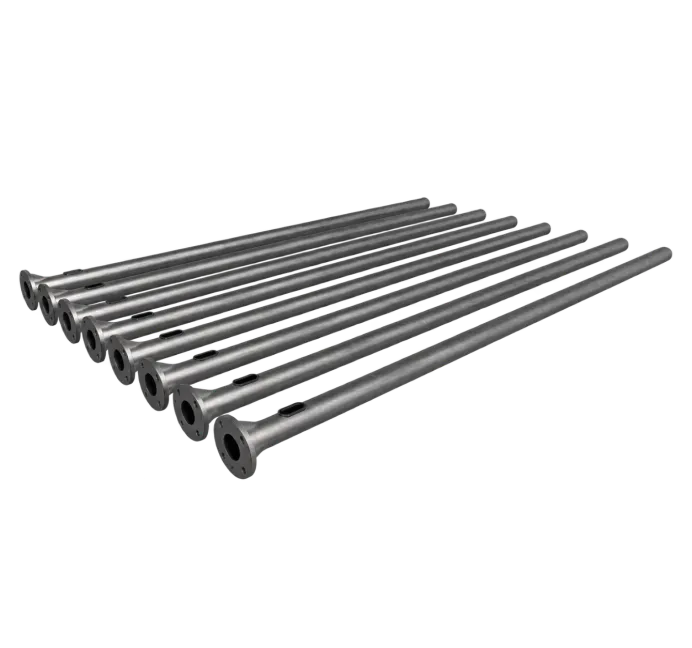
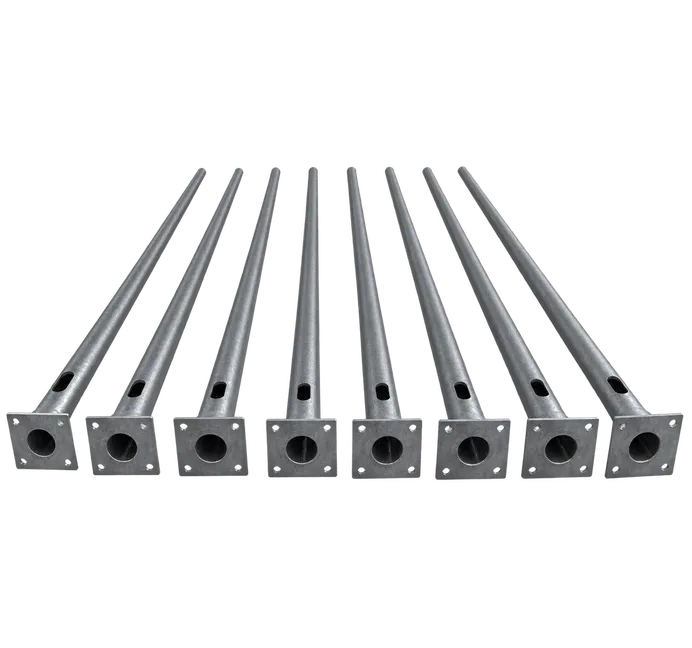
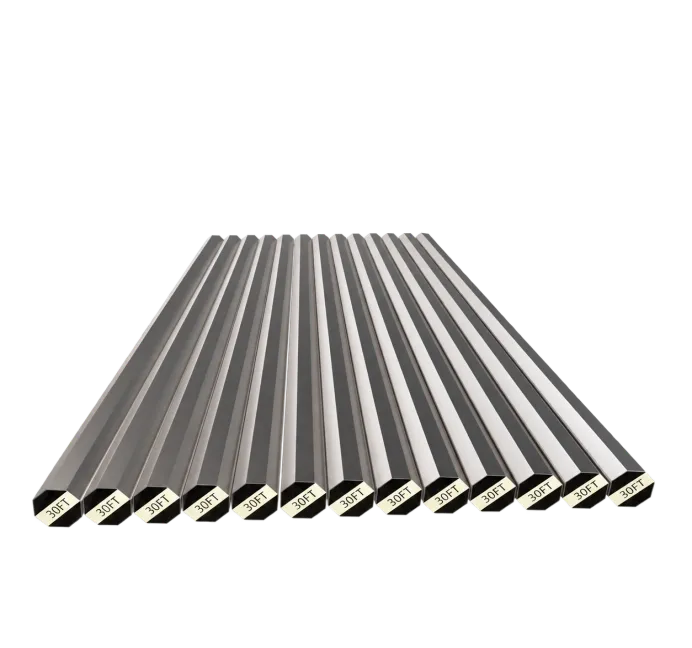
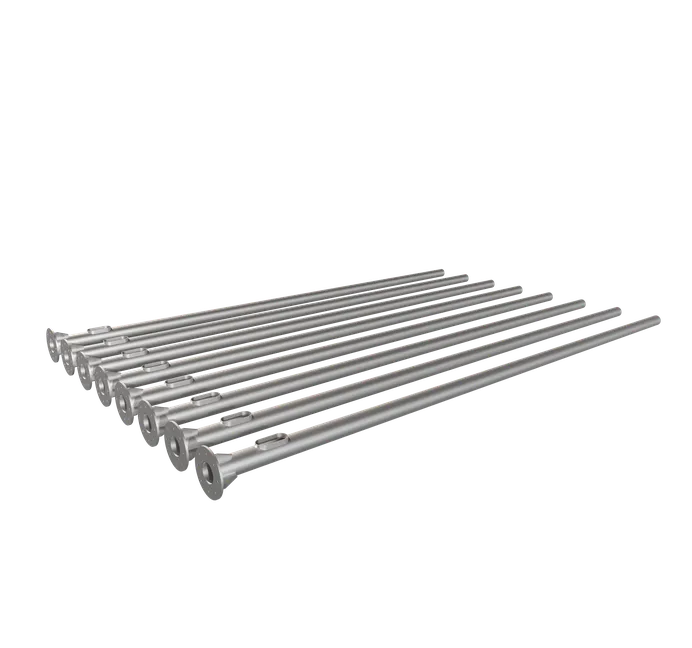
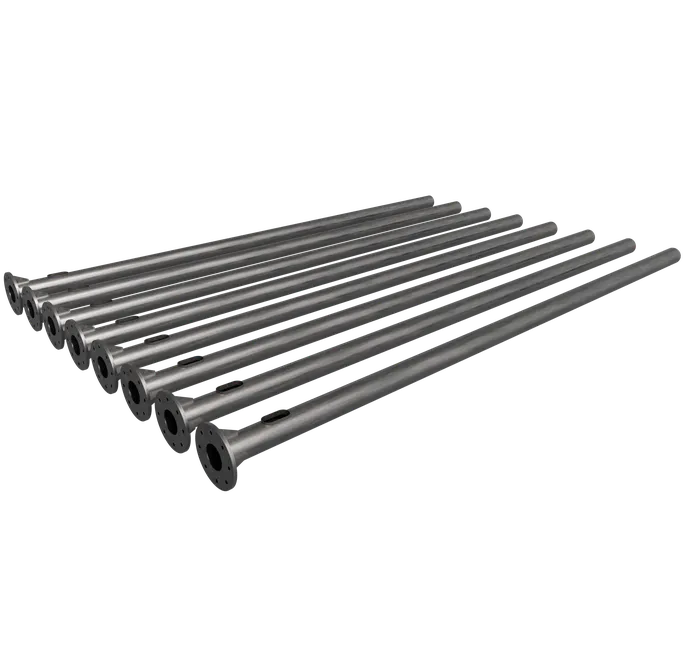
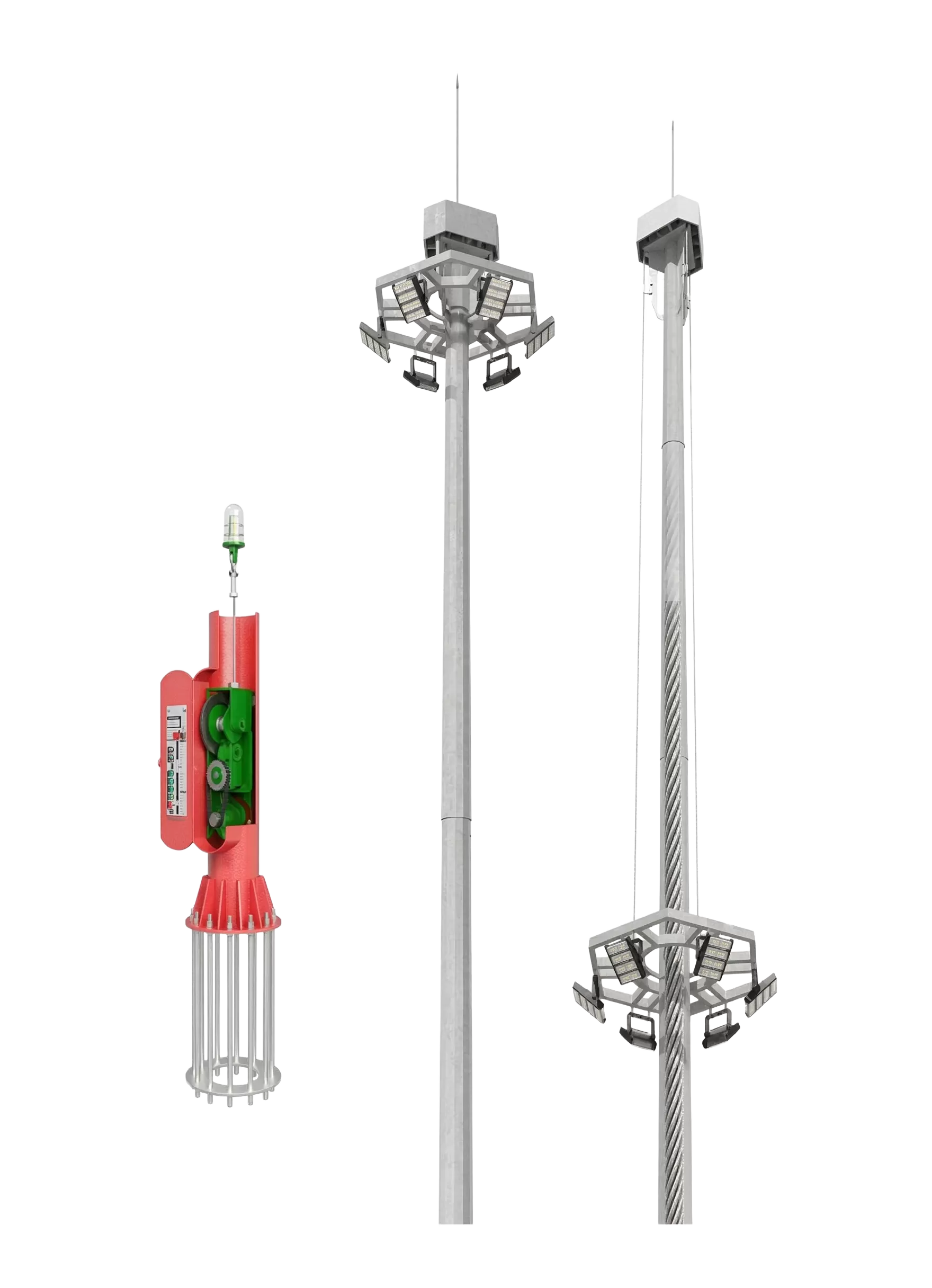
High Mast Pole: Typically polygonal steel, engineered for wind resistance
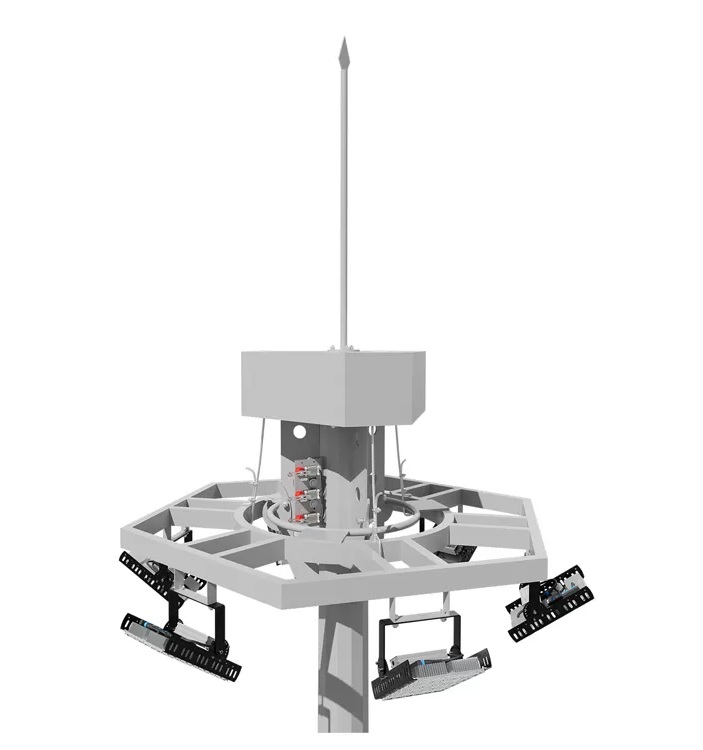
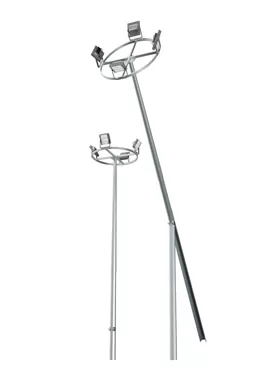
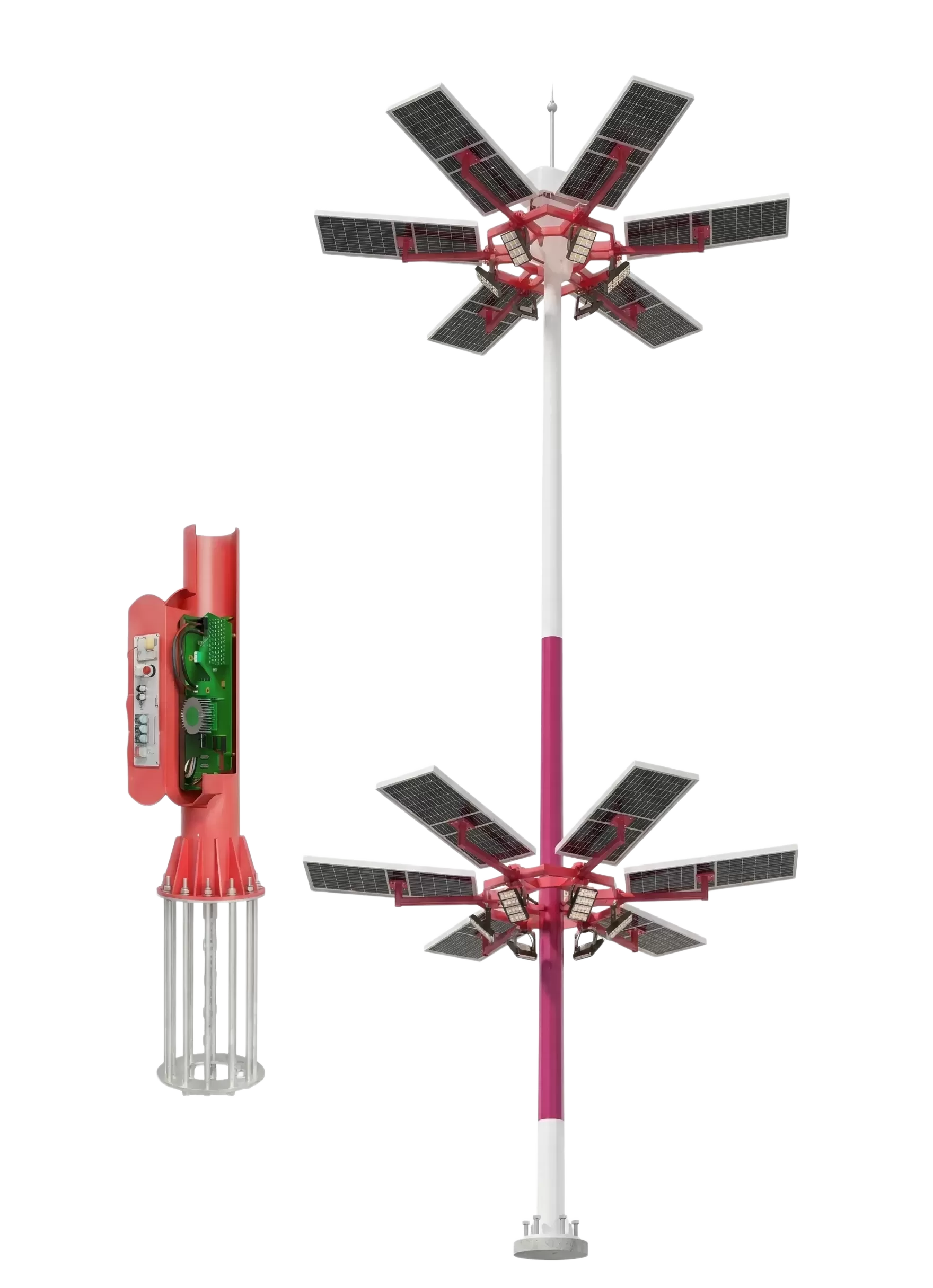
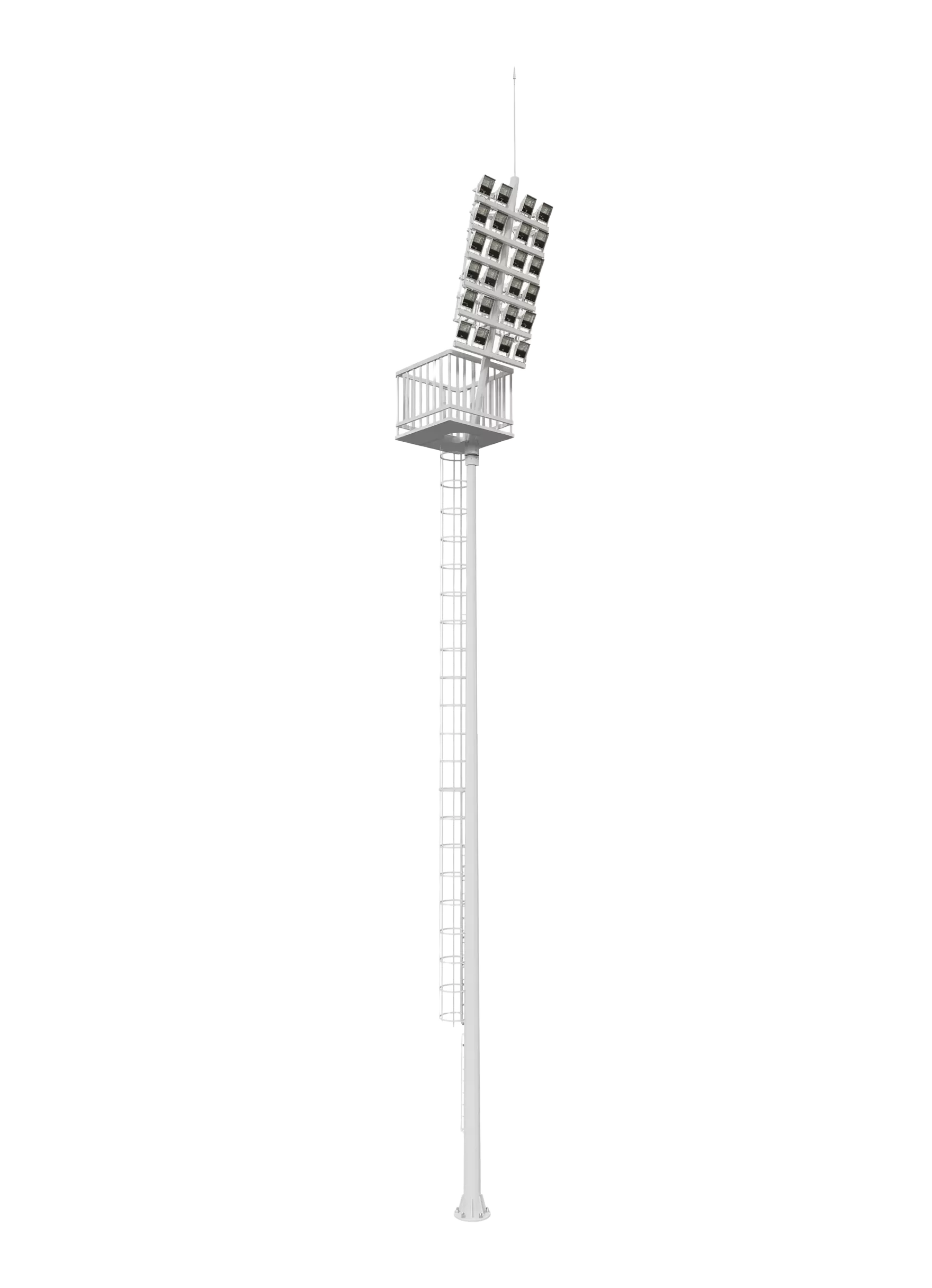
Headframe (Crown Assembly): Holds multiple luminaires (usually 4–30 units)
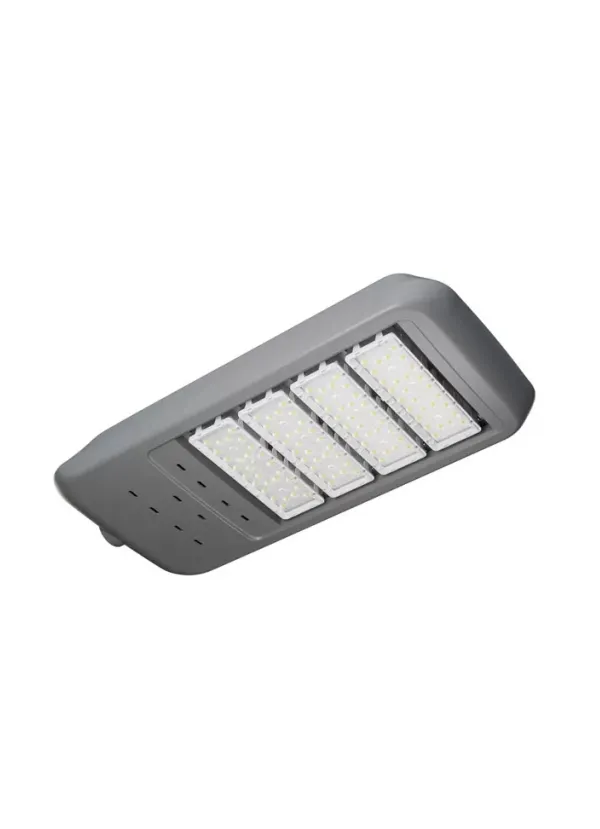
Luminaires: Commonly high-power LED floodlights
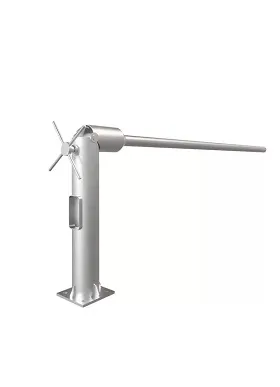
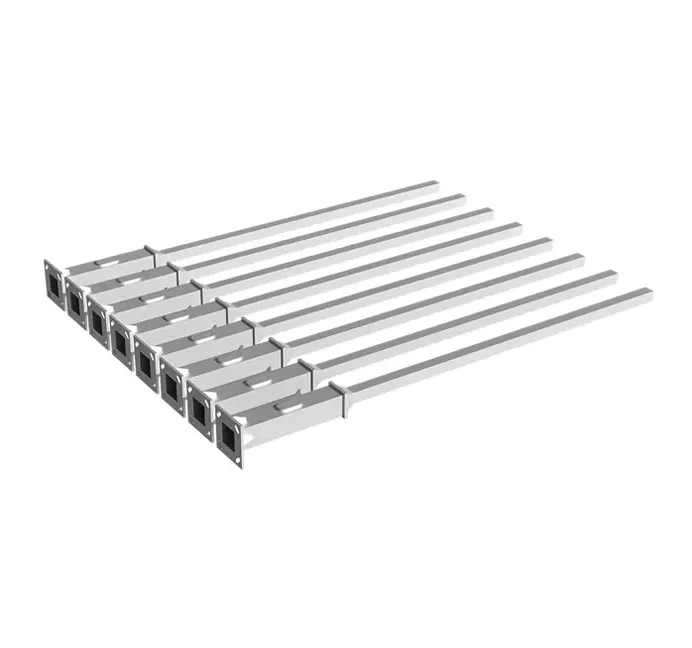
High Mast Lighting Lowering Device: Motorized mechanism allowing safe ground-level maintenance
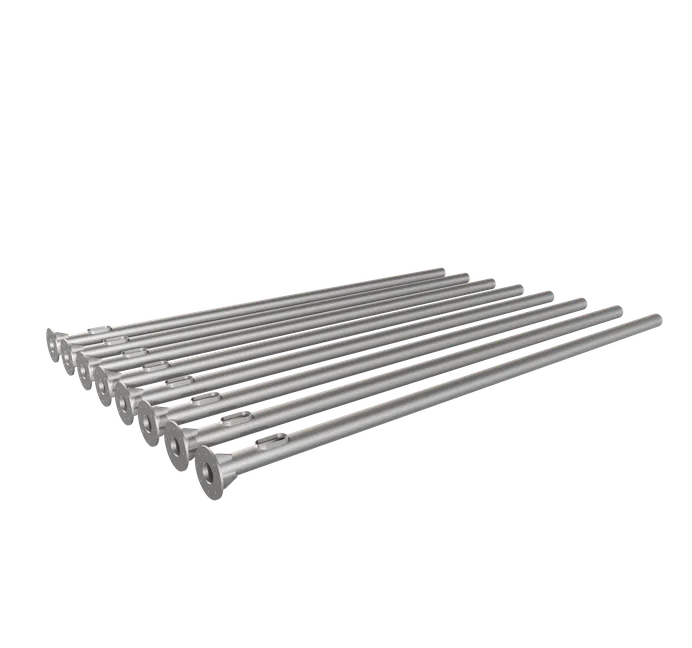
Foundation System: Reinforced concrete base designed for load and soil conditions
Why High Mast Lighting Is Used
Covers large areas with fewer poles
Reduces glare when properly designed
Improves safety and visibility in critical infrastructure
How Does a High Mast Lighting System Work?
The luminaires are mounted at the top of the mast and angled precisely to distribute light evenly across a wide area. In systems with a high mast lowering device, the entire lighting ring can be brought down for inspection and maintenance, eliminating the need for aerial work platforms.
Typical Height and High Mast Lighting Standards
Typical Height Range
12–20 meters (40–65 ft) → Medium-scale areas (parking lots, logistics yards)
20–30 meters (65–100 ft) → Highways, interchanges
30–50 meters (100–165 ft) → Ports, airports, large stadiums
The choice of height depends on coverage requirements, lux levels, and site geometry.
What Is the Standard Height of a High Mast Light?
There is no single universal height, but industry practice typically defines high mast lighting as systems above 20 meters used for large-area illumination.
High Mast Lighting Standards and Design Criteria
Professional designs follow international and regional standards such as:
Illuminance levels (lux requirements) based on application
Uniformity ratios (to avoid dark spots)
Glare control for driver and operator safety
Wind load resistance (important for tall structures)
Corrosion protection (especially in coastal or industrial zones)
What Lux Level Is Required for High Mast Lighting?
Lighting design must balance brightness, uniformity, and energy efficiency.
Where High Mast Lights Are Used
High mast lighting is applied where large-scale, high-efficiency illumination is required.
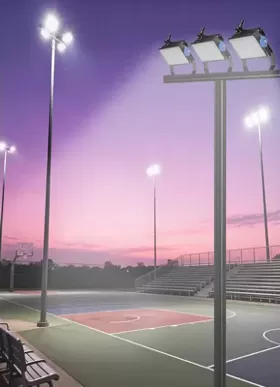
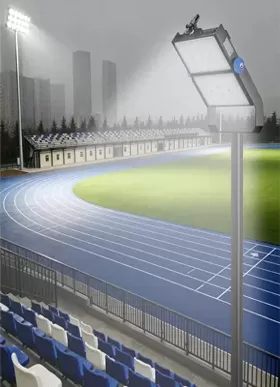
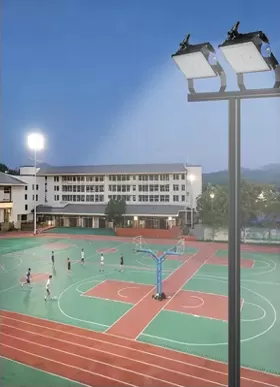
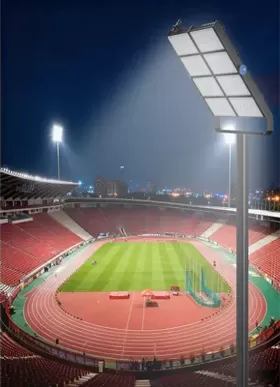
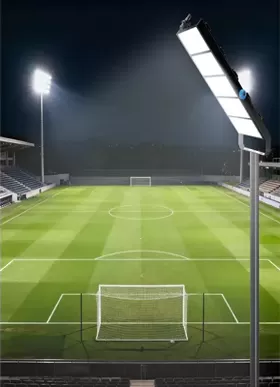
Stadium High Mast Lighting
Stadium high mast lighting provides high-intensity, uniform lighting for sports events
Supports HD broadcasting standards
Minimizes shadows and glare for players and spectators
Airport High Mast Lighting
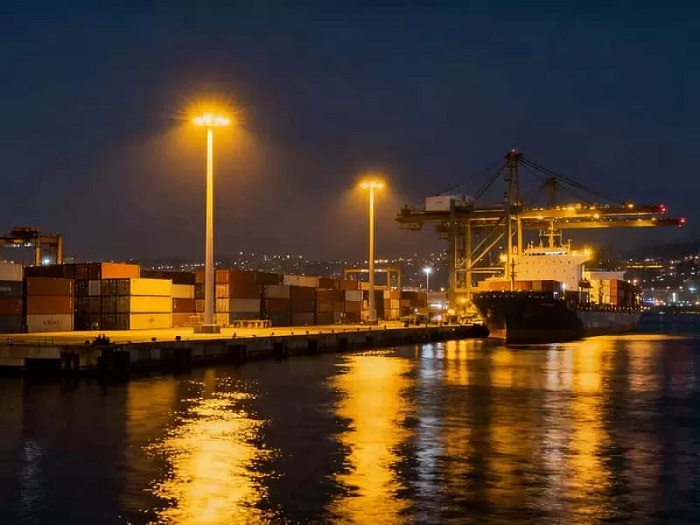
Used in aprons, taxiways, and cargo areas
Ensures safe aircraft movement and ground operations
Requires strict compliance with aviation lighting standards
Highway High Mast Lighting
Installed at interchanges, toll plazas, and major junctions
Improves driver visibility and traffic safety
Reduces the number of poles compared to conventional street lighting
Additional Applications
High Mast vs Street Light
Both systems serve important roles but are optimized for different scenarios.
High Mast Lighting Advantages
Wide-area coverage from a single installation
Fewer poles required → reduced ground obstruction
Ideal for large, open spaces
Centralized maintenance (with lowering system)
Street Lighting Advantages
Better suited for linear roads and urban streets
Lower installation cost per pole
Easier integration into city infrastructure
Provides more localized lighting control
When to Choose Each
Choose high mast lighting for: highways, ports, airports, stadiums
Choose street lighting for: urban roads, residential streets, pedestrian areas
The two systems are often used together in integrated lighting designs.
High Mast Installation
Where Are High Mast Lights Located?
High mast lights are strategically placed in:
Central points of large open areas
Road intersections and interchanges
Perimeters of industrial facilities
Transport hubs and logistics centers
Installation Process Overview
1. Site Assessment: Soil condition, wind load, coverage needs
2. Foundation Construction: Reinforced concrete base
3. Pole Erection: Using cranes or specialized lifting equipment
4. Headframe and Luminaire Installation
5. Electrical Wiring and Control System Setup
6. Testing and Commissioning
Key Installation Considerations
Wind speed and structural stability
Corrosion resistance (galvanization, coatings)
Access for maintenance
Electrical safety and grounding
FAQ
What is the difference between high mast and flood lighting?
High mast lighting refers to the entire elevated system, while floodlighting describes the type of luminaires used to project broad beams. High mast systems typically use floodlights mounted at height.
How many lights are on a high mast pole?
A high mast pole can carry 4 to 30 luminaires, depending on the required illumination level and application.
Are high mast lights energy efficient?
Modern systems using LED technology are highly energy efficient, offering:
How do you maintain high mast lighting?
Maintenance is typically performed using a motorized lowering system, allowing the lighting ring to be safely brought down to ground level for inspection and repair.
What factors affect high mast lighting cost?
Final Insight
High mast lighting is not simply “taller lighting”—it is a precision-engineered solution for large-scale illumination, combining structural engineering, optical design, and energy efficiency. Proper selection of height, lighting configuration, and installation strategy is essential to achieving optimal performance, safety, and long-term value.
For projects requiring reliable, large-area illumination, Phoebus Lighting offers professionally engineered high mast systems designed for highways, airports, ports, and stadiums. With over two decades of experience and installations in more than 120 countries, their solutions combine robust galvanized steel poles, customizable heights, and efficient lighting systems.
Phoebus high mast systems support multiple luminaires, durable anti-corrosion structures, and optional lowering mechanisms for safe maintenance, making them suitable for demanding outdoor environments.

 English
  français
  Deutsch
  Español
  русский
  português
  العربية
  Afrikaans
  עברי
עברי  Latinae
  Pilipino