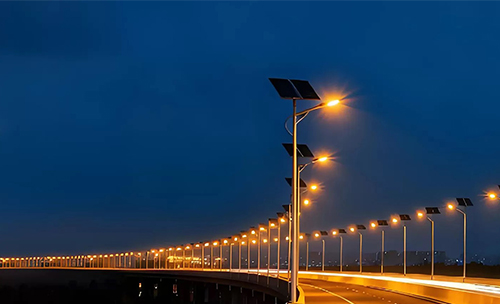
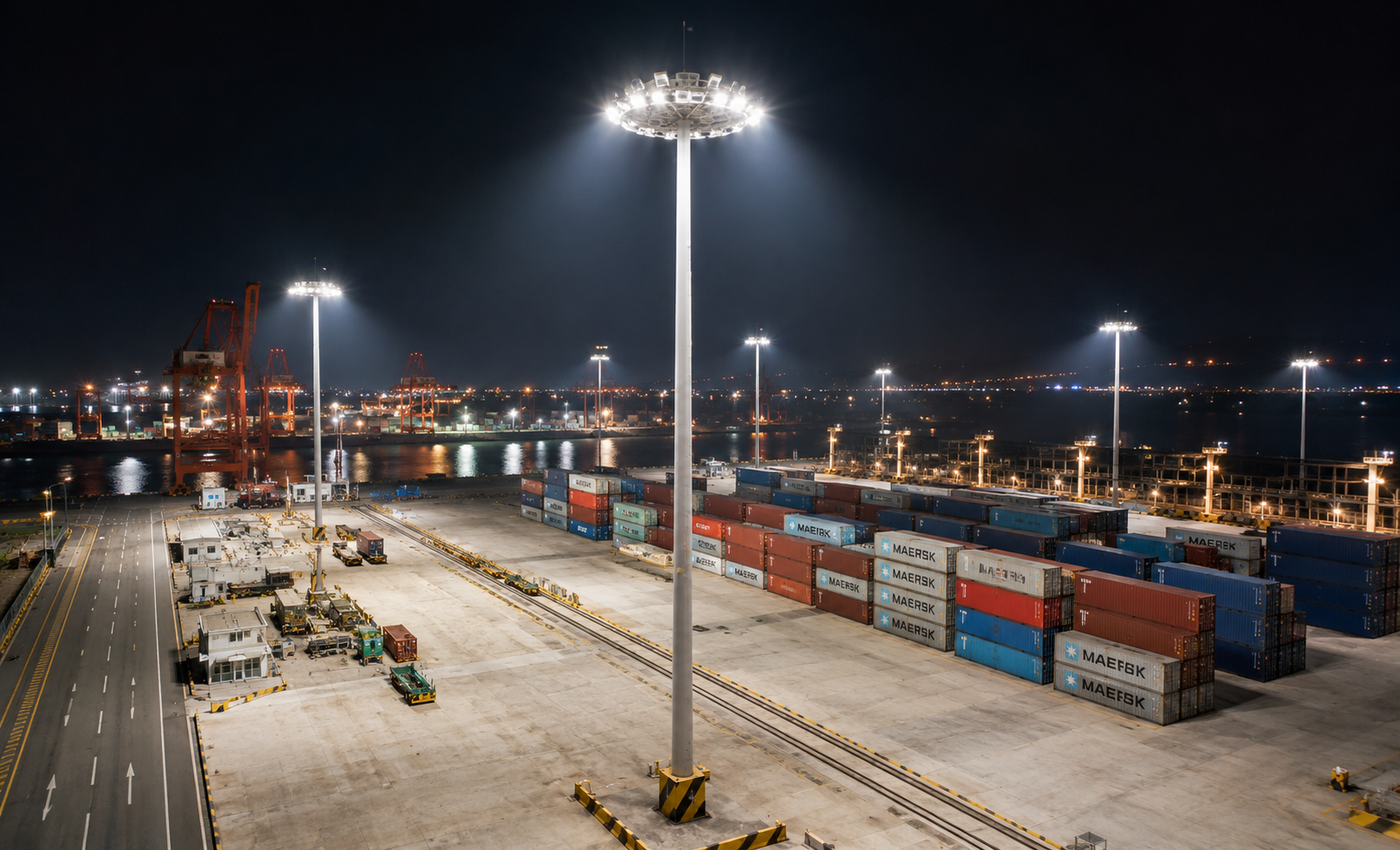
Light poles used for roads, parks, parking lots and smart city projects have different structural and functional requirements. Selecting the same pole design for every application may lead to poor lighting performance, unnecessary costs or installation problems.
Buyers should consider mounting height, pole spacing, steel thickness, fixture load, wind speed, surface treatment and additional equipment. Phoebus Lighting recommends selecting the pole according to the actual application rather than relying only on a standard catalogue specification.
How to Choose Light Poles for Road Lighting
Road lighting poles must provide sufficient visibility for drivers, cyclists and pedestrians. The correct pole depends on road width, traffic level, fixture output and lighting arrangement.
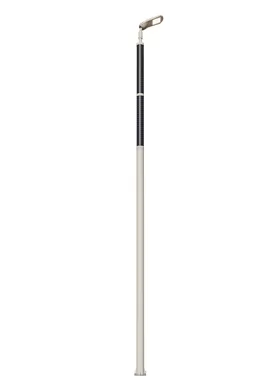
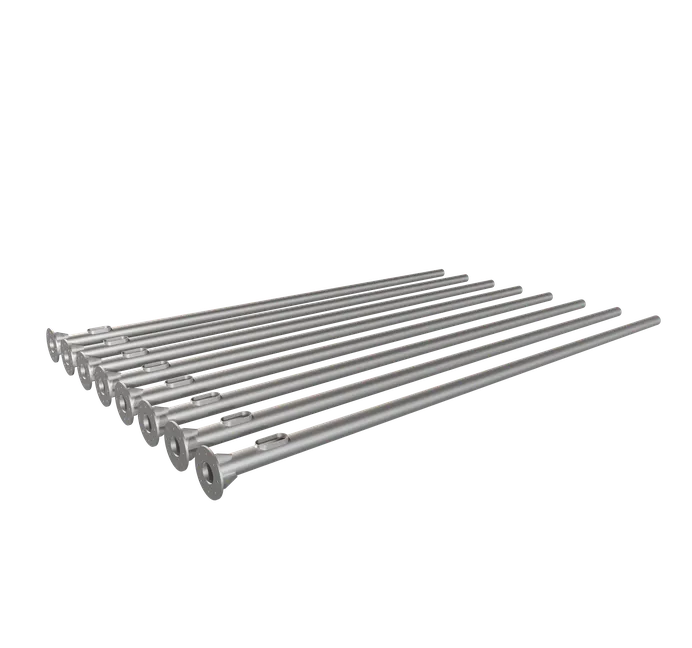
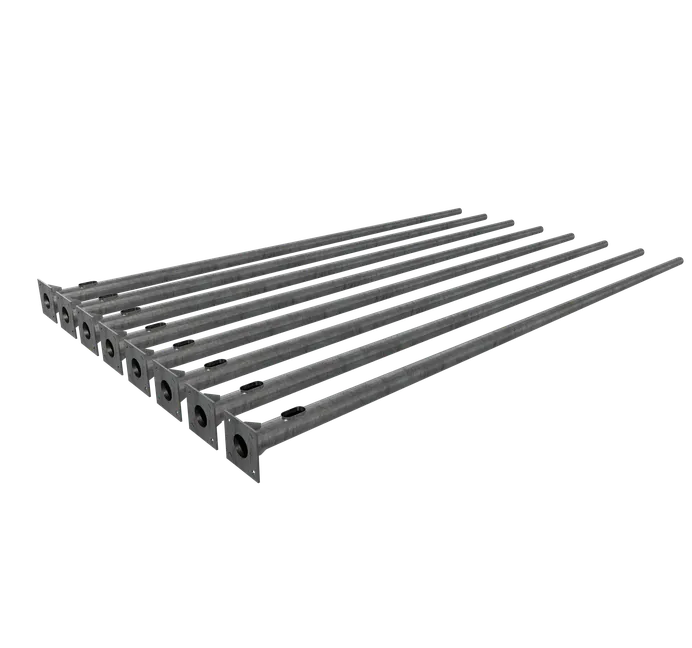
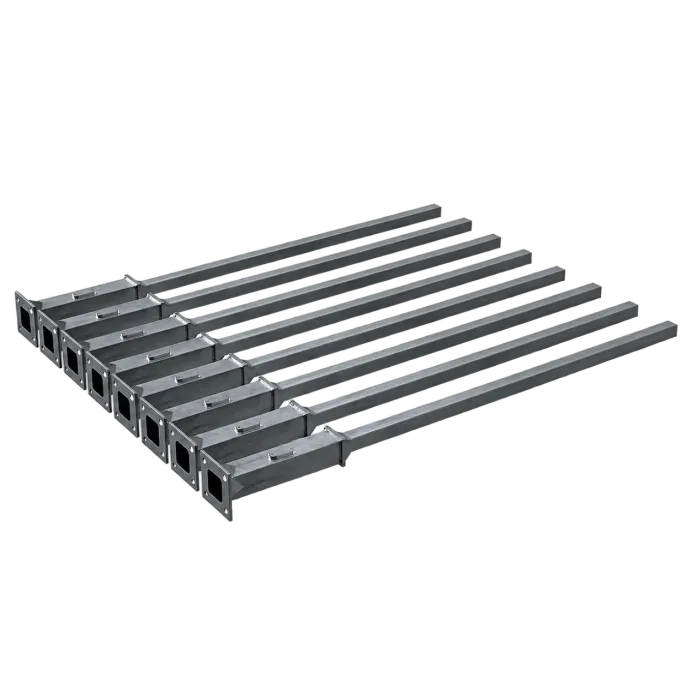
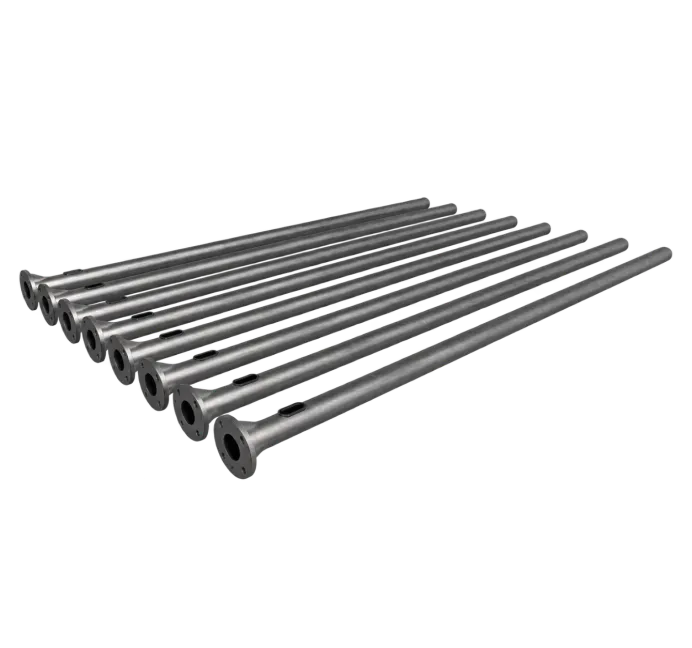
A road light pole is commonly available in heights from approximately 6m to 15m.
Typical selections include:
· 6–8m for residential and community roads
· 8–10m for urban streets
· 10–12m for main roads
· 12–15m for highways and large intersections
Pole spacing should be planned together with mounting height. Short poles usually require closer spacing, while taller poles may provide wider coverage.
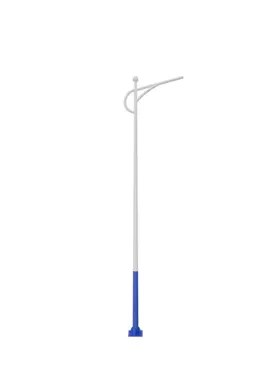
Buyers should also choose between single-arm and double-arm designs. Single-arm poles are suitable for roadside installation, while double-arm poles are commonly installed on central medians.
Important road project information includes:
· Road width
· Number of lanes
· Pole spacing
· Luminaire wattage
· Local wind speed
· Required illumination level
How to Choose Light Poles for Parks
Park lighting focuses on pedestrian safety, visual comfort and appearance. Poles are generally shorter than those used for main roads.
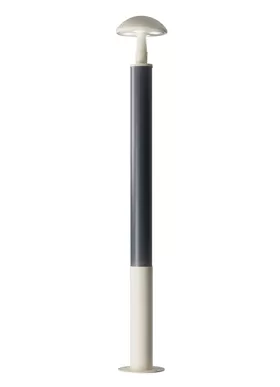
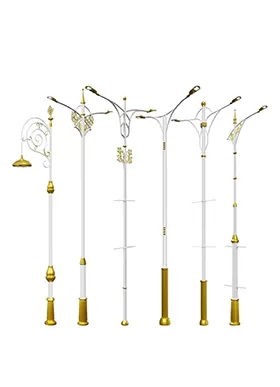
A decorative light pole is often suitable for:
· Public parks
· Walking paths
· Residential gardens
· Squares
· Commercial landscapes
Common park pole heights range from approximately 3m to 6m. Shorter mounting heights create a more comfortable lighting environment and make the luminaires easier to maintain.
Appearance is also important. Buyers may customise:
· Pole shape
· Bracket style
· Base design
· Surface colour
· Decorative components
Powder coating is commonly used for park poles because it provides different colour options. Black, dark grey, green and customised RAL colours can help the pole match the surrounding landscape.
The coating should still provide suitable outdoor corrosion resistance, especially in humid or coastal areas.
How to Choose Light Poles for Parking Lots
Parking lot lighting requires broad and uniform coverage. Poorly planned poles may create dark areas between vehicles or excessive glare for drivers.
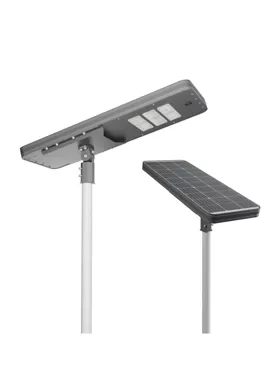
A street light pole can be used for small and medium-sized parking areas, depending on the required height and fixture configuration.
Common parking lot pole heights include:
· 6–8m for small parking areas
· 8–10m for commercial parking lots
· 10–12m for logistics centres and large sites
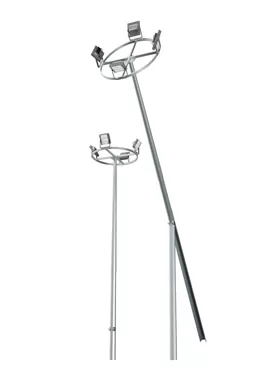
One parking pole may support two or four luminaires to illuminate a larger area. However, additional fixtures increase the total weight and wind load.
Buyers should confirm:
· Number of luminaires
· Fixture weight
· Bracket length
· Pole location
· Required lux level
· Foundation conditions
Poles should be positioned where they will not block traffic or be easily damaged by vehicles. Protective barriers may be required in busy loading or parking areas.
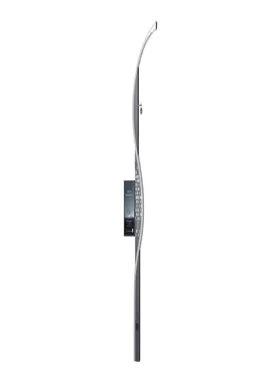
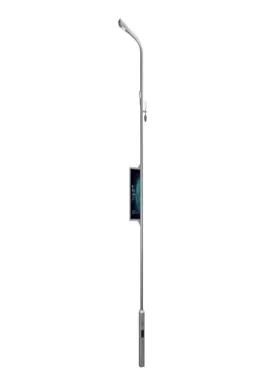
How to Choose Poles for Smart City Projects
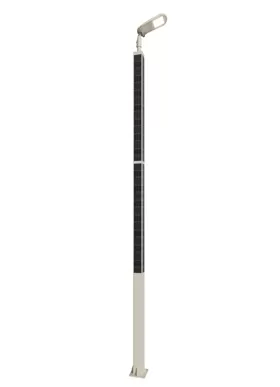
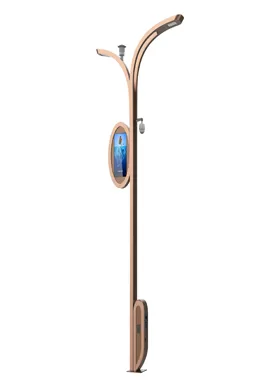
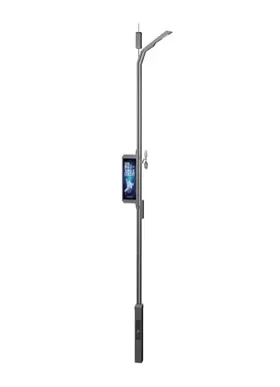
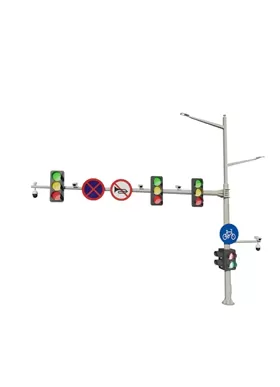
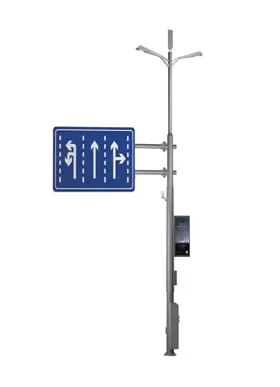
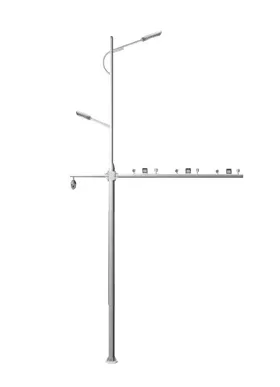
Smart city poles combine lighting with communication, monitoring and public service equipment.
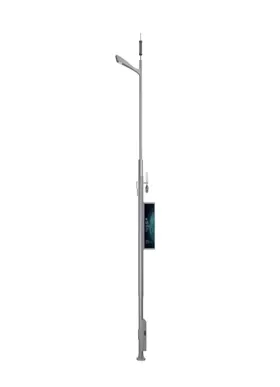
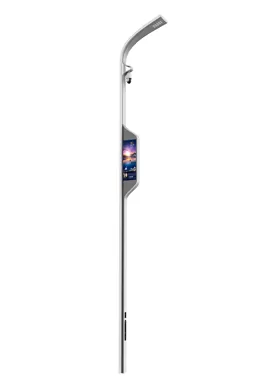
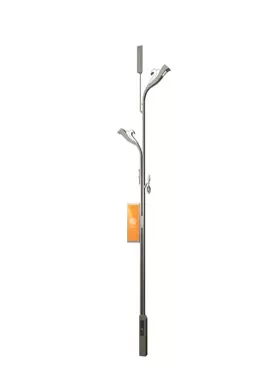
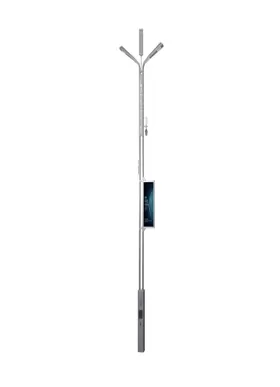
A smart light pole may support:
· CCTV cameras
· Environmental sensors
· Public Wi-Fi
· LED displays
· Emergency call devices
· Communication equipment
· Charging systems
These poles require more detailed planning than standard lighting poles. Additional equipment increases the structural load and requires internal space for cables, power supplies and control systems.
Before requesting a smart pole quotation, buyers should provide:
· Equipment list
· Equipment weight and dimensions
· Installation height of each device
· Power requirements
· Communication method
· Maintenance access
· Future expansion requirements
The access door and internal cable routing should be designed carefully. Devices must remain accessible without affecting the safety of the pole.
Phoebus Lighting can customise equipment mounting positions, internal compartments and structural dimensions according to the required smart city functions.
How Material and Surface Treatment Affect Selection
Steel poles are widely used because they provide good strength and manufacturing flexibility. Q235 is suitable for many standard projects, while Q345 may be selected for taller poles or higher loads.
Wall thickness should be calculated according to:
· Pole height
· Bottom and top diameter
· Wind speed
· Fixture weight
· Arm length
· Additional accessories
Outdoor steel poles commonly use hot-dip galvanizing for corrosion protection. Powder coating may be added when a project requires a specific colour or improved appearance.
For coastal, industrial or humid areas, buyers should clearly specify the environmental conditions before production.
What Information Should Buyers Provide?
A complete pole inquiry should include:
1. Project application
2. Pole quantity
3. Required height
4. Pole shape
5. Fixture quantity and weight
6. Arm configuration
7. Local wind speed
8. Surface treatment
9. Required colour
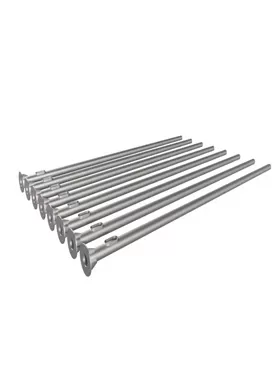
10. Base plate and anchor bolt requirements
11. Additional mounted equipment
12. Installation country
Providing complete information helps the manufacturer recommend an appropriate pole without using unnecessary material.
FAQ
What pole height is suitable for a residential road?
Residential roads commonly use 6m or 8m poles, depending on road width, fixture output and pole spacing.
What type of pole is best for a park?
Short decorative poles with powder-coated finishes are commonly used in parks, gardens and pedestrian areas.
How tall should parking lot light poles be?
Small parking lots may use 6–8m poles, while larger commercial or industrial parking areas often use 8–12m poles.
Can a standard light pole be used as a smart pole?
Not always. Smart poles require additional structural strength, cable space and mounting points for cameras, sensors and communication equipment.
Should outdoor poles be galvanized?
Hot-dip galvanizing is recommended for many outdoor steel poles because it improves corrosion resistance and reduces maintenance.
Conclusion
Roads, parks, parking lots and smart city projects require different pole heights, structures and finishes. Road poles focus on lighting coverage and traffic safety, while park poles place greater importance on appearance and visual comfort. Parking lot poles require broad illumination, and smart poles must support multiple devices.
Buyers should provide complete project conditions before confirming the design. Phoebus Lighting can develop customised pole configurations according to the lighting application, structural load and installation environment.

 English
  français
  Deutsch
  Español
  русский
  português
  العربية
  Afrikaans
  עברי
עברי  Latinae
  Pilipino