In recent years, the demand for sustainable outdoor lighting has rapidly increased worldwide. Among the most efficient solutions, the split solar street light has become a leading choice for municipal roads, highways, industrial zones, parks, and remote areas. Compared with integrated designs, a split type solar street light system offers higher flexibility, stronger performance, and better long-term reliability.
This guide explains everything you need to know about split solar light systems, including structure, advantages, types, installation methods, and buying considerations—based on real engineering principles and modern lighting standards.
What is a Split Solar Street Light?
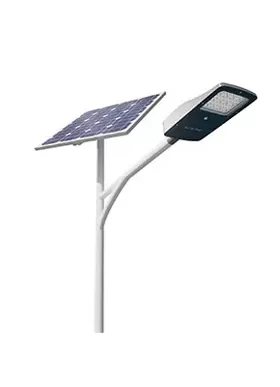
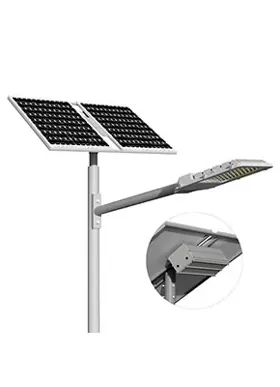
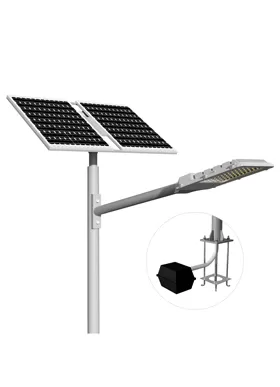
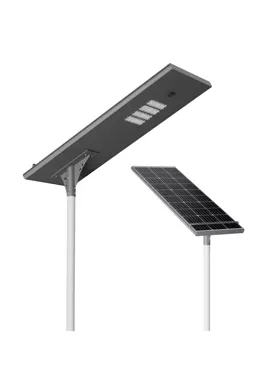
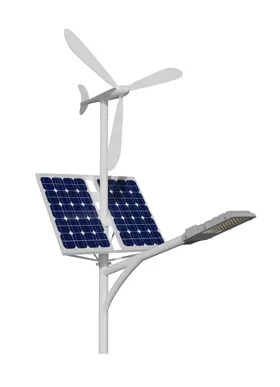
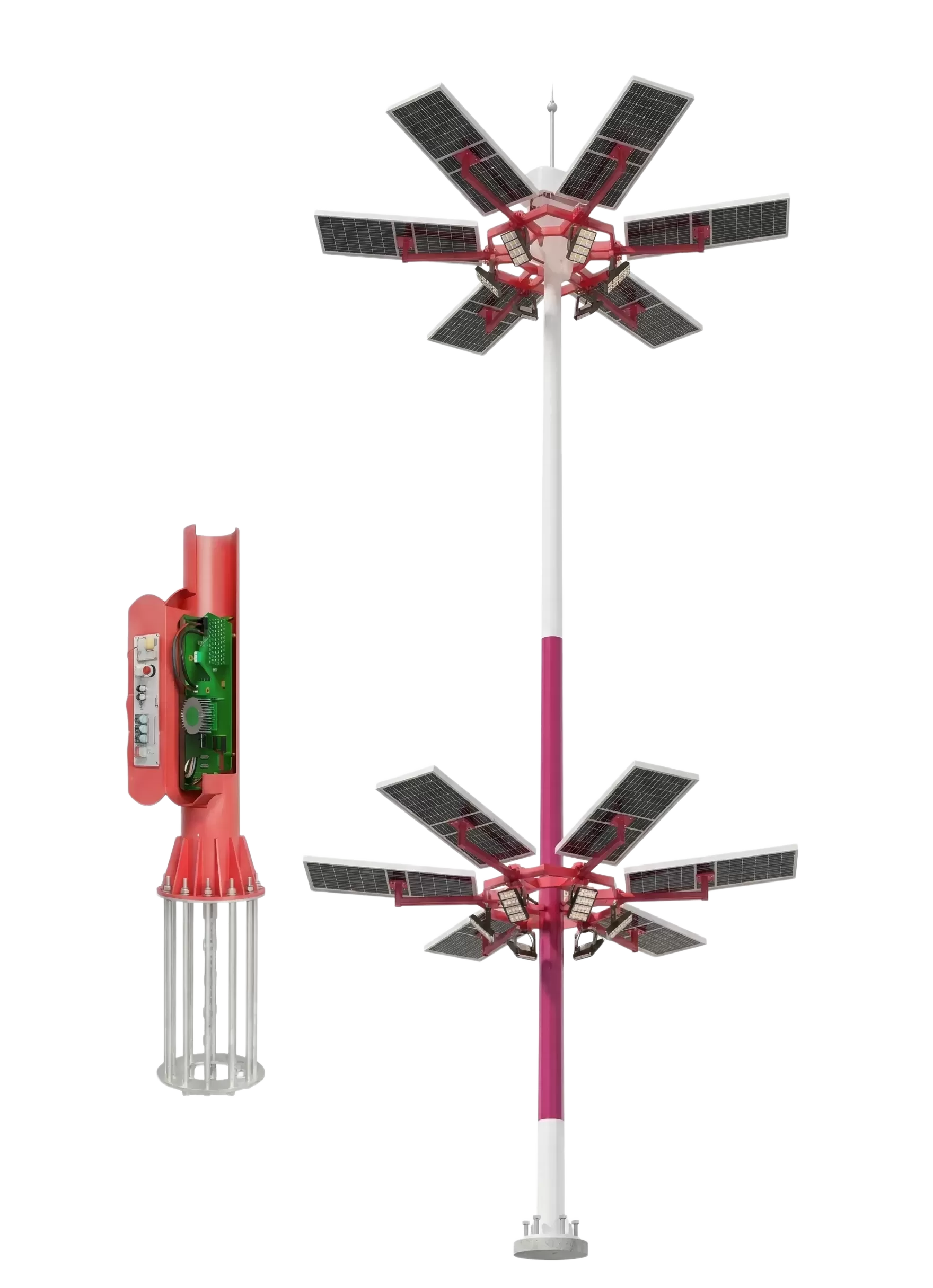
A split solar street light is a solar-powered lighting system in which the key components are installed separately:
Unlike integrated designs, each part of a split solar lamp system is independently mounted and connected via cables.
Typically:
Solar panel is installed at the top of the pole or nearby structure
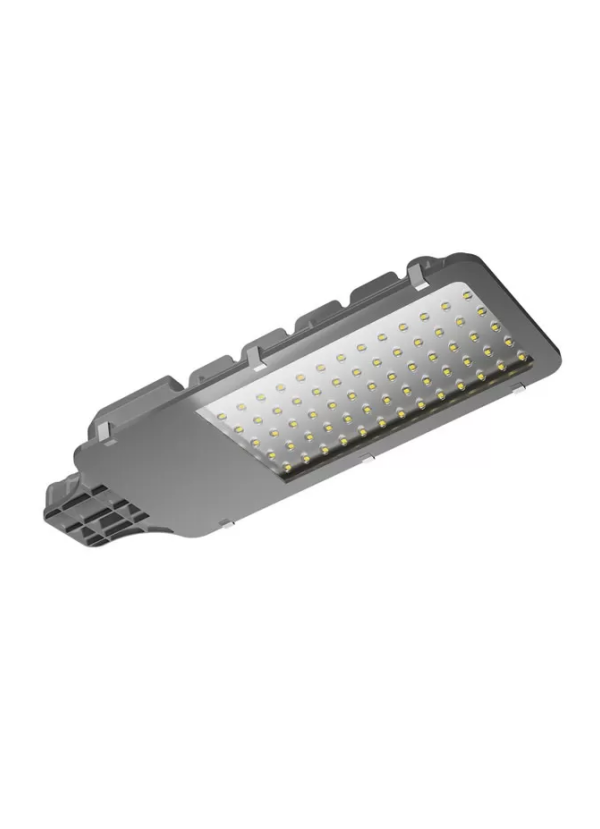
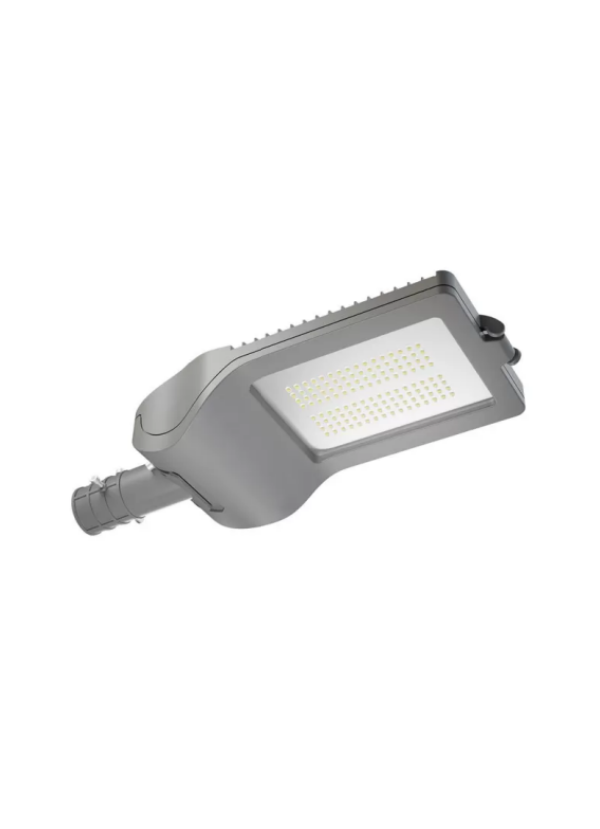
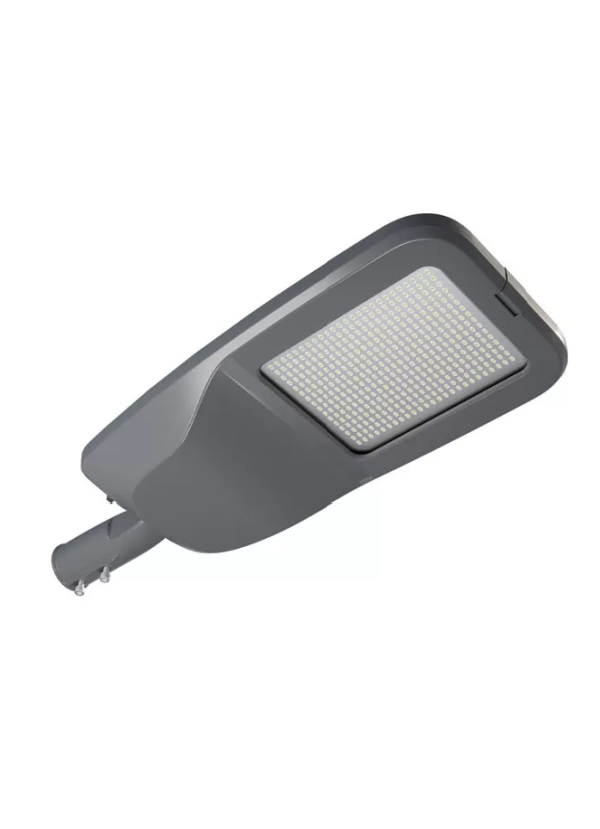
LED lamp is mounted on the lighting arm
Battery and controller are placed in a separate box (pole-mounted or underground)
This modular structure allows greater customization and performance optimization.
How a Solar Split Light Works
A solar split light system operates through a simple but efficient energy cycle:
Solar panel absorbs sunlight during the day
Energy is converted into electricity
Battery stores the energy
Controller manages charging and power distribution
LED lamp automatically turns on at night
Modern systems often include smart features such as:
Motion sensors
Dimming control
Remote monitoring
Because components are separated, each part operates under optimized conditions, improving overall efficiency.
Advantages of Split Solar Street Lights
The popularity of split type solar street lights is driven by several key engineering and commercial benefits.
Higher Energy Efficiency
Solar panels can be independently positioned to capture maximum sunlight, improving charging performance even in low-light regions.
Larger System Capacity
Unlike integrated systems, a split solar street light can support:
This makes it suitable for highways and industrial areas.
Better Heat Management
Separating the battery from the LED reduces heat exposure, significantly improving battery lifespan and stability.
Flexible Installation Design
Each component can be installed based on environmental conditions:
Easier Maintenance
Faulty components can be replaced individually without dismantling the entire system.
Types of Split Solar Street Lights
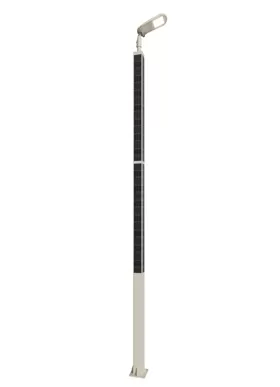
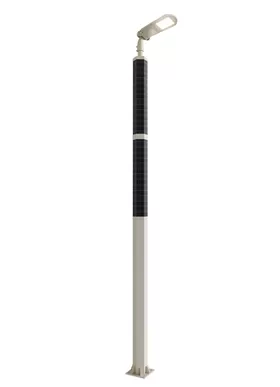
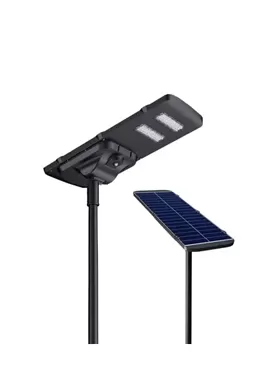
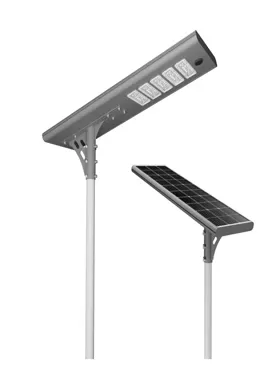
Different applications require different configurations of split solar street light systems, mainly distinguished by structure and battery type in Phoebus product line.
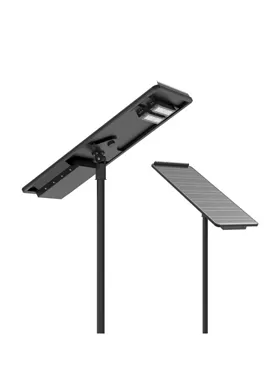
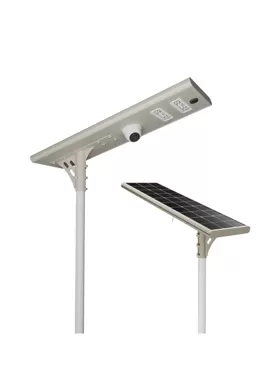
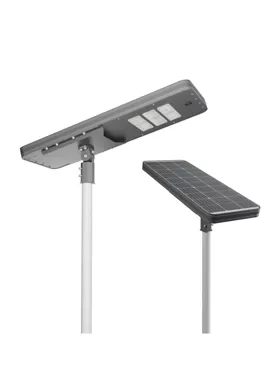
All in Two Solar Street Light
A semi-split design of all-in-two solar street light where the solar panel is separated from the lamp, while the battery and controller are integrated into the fixture for easy installation and stable performance.
Solar Street Light with Lithium Battery
A high-efficiency system using LiFePO₄ batteries, offering long lifespan, fast charging, and excellent performance for demanding outdoor projects.
Solar Street Light with Gel Battery
A cost-effective solution using gel batteries, providing stable and reliable lighting for basic infrastructure and rural applications.
How to Install a Split Solar Street Light?
Proper installation is critical for maximizing system performance.
Step 1: Site Evaluation
Check:
Sunlight exposure
Shading conditions
Pole height requirements
Step 2: Foundation Preparation
Install a strong concrete base for pole stability.
Step 3: Mount Solar Panel
Adjust angle based on geographic location for maximum sunlight absorption.
Step 4: Install Battery and Controller
Place in:
Step 5: Connect LED Fixture
Ensure secure wiring between components.
Step 6: System Testing
Check:
FAQs
1. What is the difference between split and integrated solar street lights?
Split systems separate components for better performance, while integrated lights combine everything into one unit.
2. Are split solar lights better for highways?
Yes, they are preferred because they support higher power output and larger batteries.
3. Can split solar lamps work during cloudy days?
Yes, they store energy in batteries and can operate for multiple days without sunlight.
Conclusion
The split solar street light is one of the most advanced and scalable outdoor lighting solutions available today. Its modular structure, high energy efficiency, and strong adaptability make it ideal for modern infrastructure projects.
For companies like Phoebus, focusing on split solar light systems means delivering long-term value, sustainability, and smart street lighting solutions that meet global smart city standards.





 English
  français
  Deutsch
  Español
  русский
  português
  العربية
  Afrikaans
  עברי
עברי  Latinae
  Pilipino