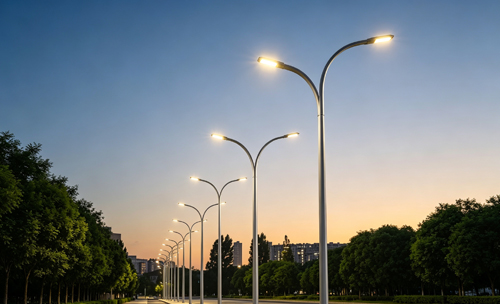
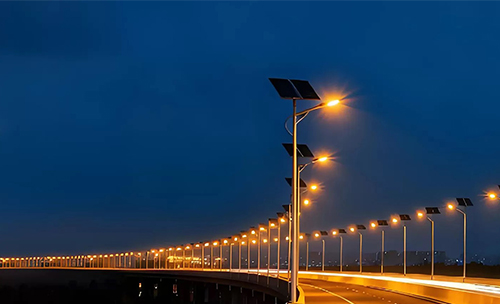
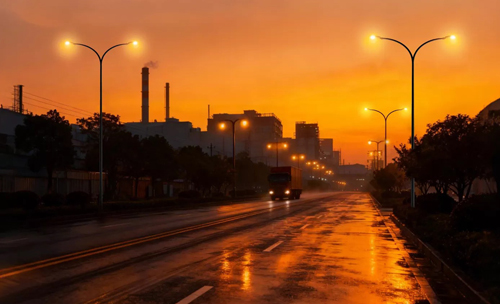
High mast lighting design requires compliance with international standards, precise lux level planning, and optimized pole height-to-coverage ratios to ensure safety, uniformity, and energy efficiency. Proper design is not only about brightness—it involves glare control, structural stability, and application-specific illumination targets.
What Are High Mast Lighting Standards?
High mast lighting standards define how lighting systems should perform in terms of illuminance (lux), uniformity, glare limitation, and structural safety. These standards ensure that large outdoor areas are illuminated effectively without compromising visibility or safety.
High mast lighting design requires more than selecting powerful LED fixtures. Engineers must consider lux levels, illumination uniformity, pole height, wind load, glare control and maintenance requirements to achieve reliable large-area lighting performance.
As an experienced high mast lighting manufacturer, Phoebus Lighting provides customized high mast solutions for highways, airports, ports, stadiums and industrial facilities worldwide.
Key Standards and Guidelines
Illuminance Levels (Lux Requirements) based on application type
Uniformity Ratio (Avg/Min or Max/Min) to prevent dark spots
Glare Control (UGR / TI limits) for visual comfort and safety
Pole Structural Design (wind load, vibration resistance)
Ingress Protection (IP Rating) for luminaires in harsh environments
What Is High Mast Lighting in Engineering Terms?
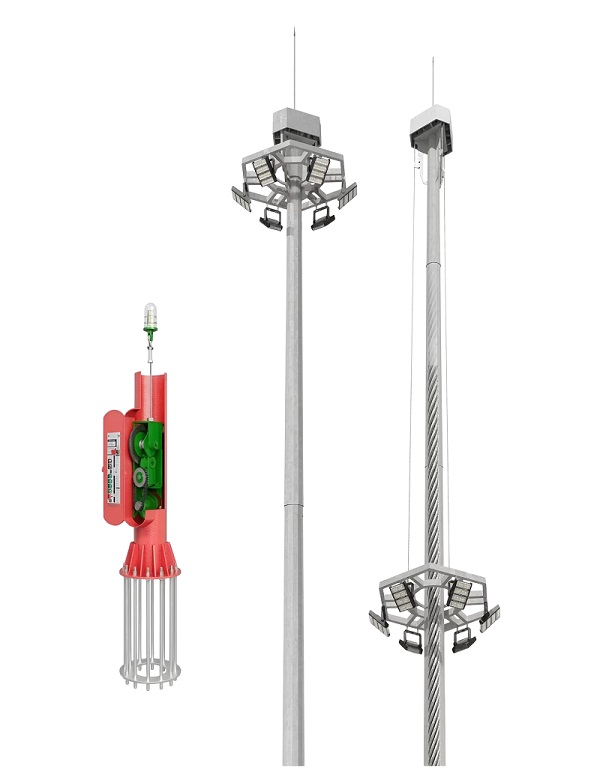
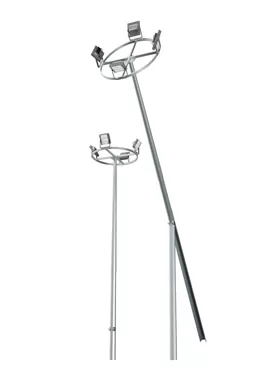
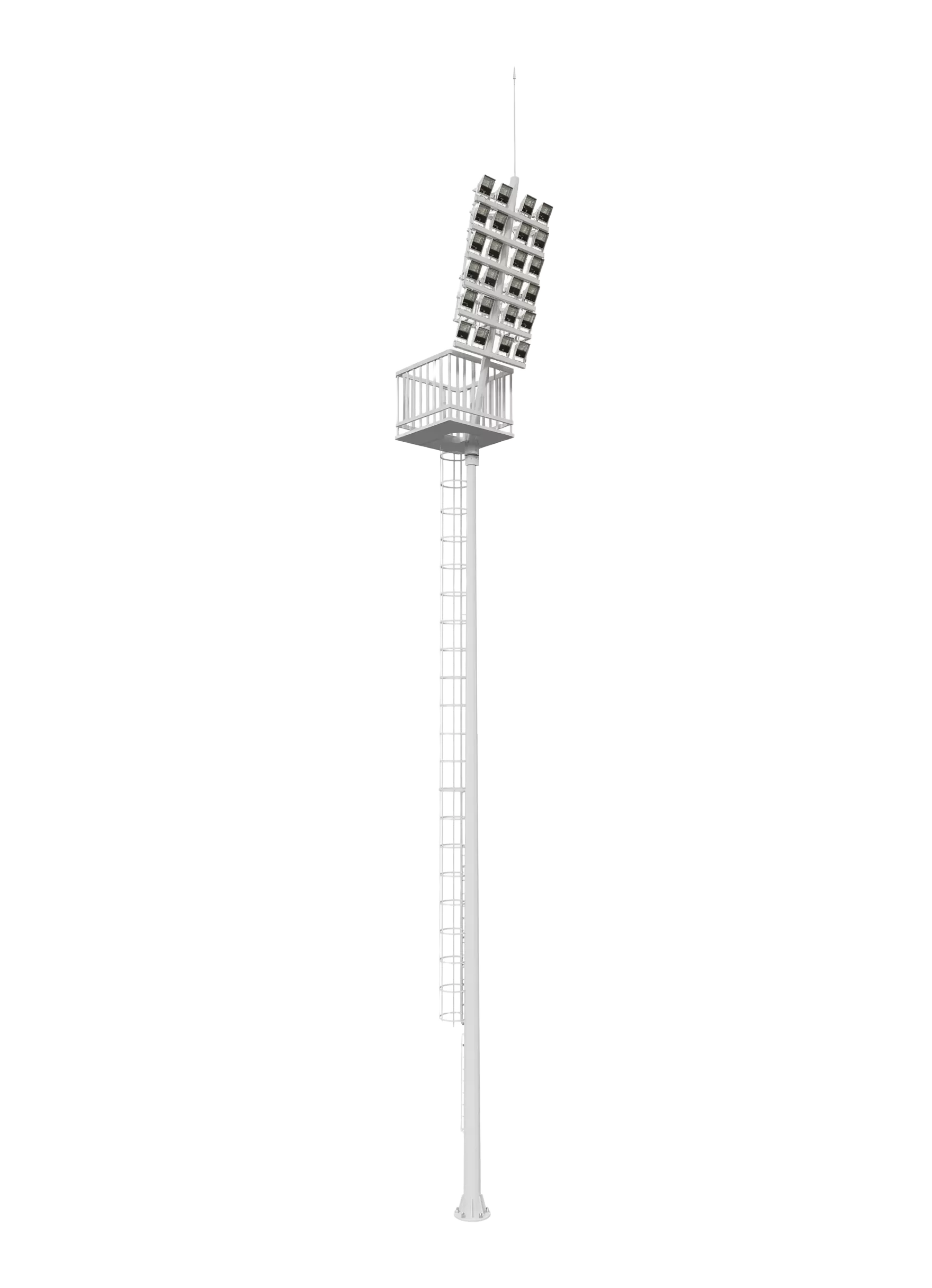
It is a high-elevation lighting system (typically ≥20m) designed to deliver wide-area, high-uniformity illumination using multiple luminaires mounted on a single pole.
How Are Lux Levels Calculated for High Mast Lighting?
Lighting requirements vary significantly depending on the application. Below are commonly accepted ranges used in high mast lighting design.
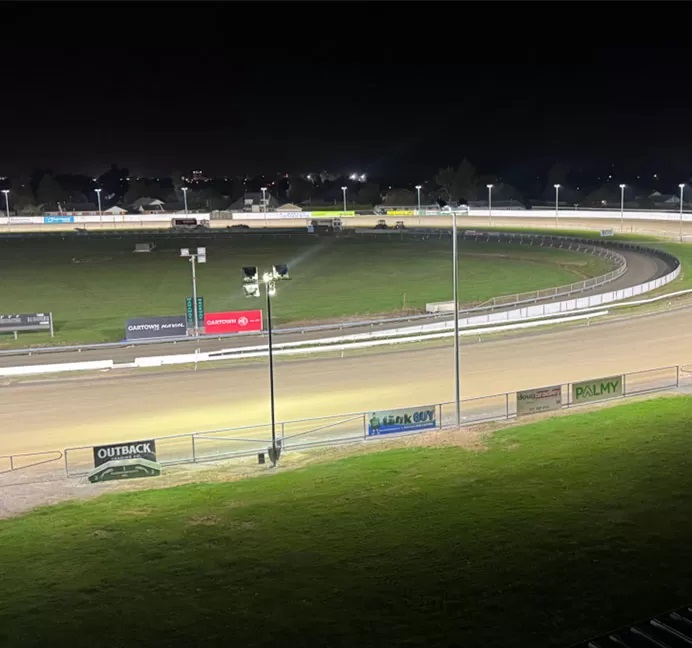
How Many Lux Are Needed for High Mast Lighting?
The required lux depends on:
High Mast Lighting Design Principles
Effective High Mast Lighting Design is based on a combination of optical, structural, and environmental factors.
1. Uniform Light Distribution
2. Optimal Luminaire Arrangement
3. Energy Efficiency
4. Structural Integrity
Design poles to withstand wind loads and environmental stress
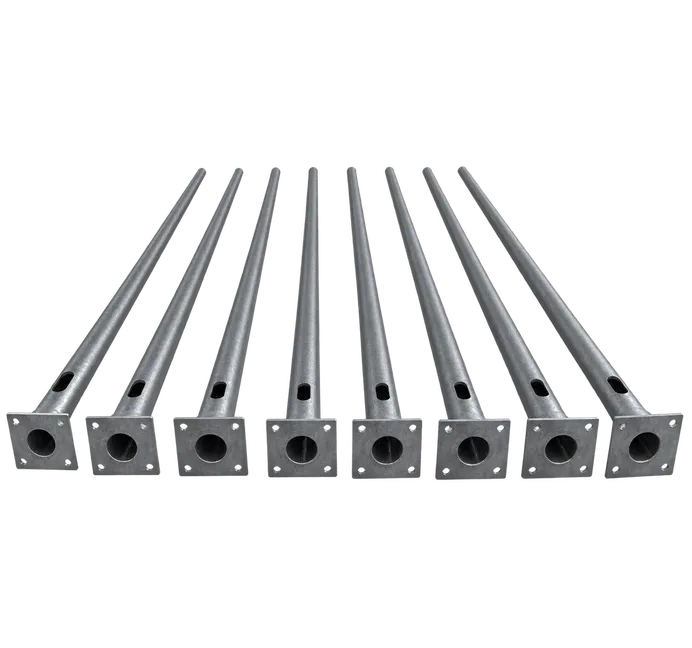
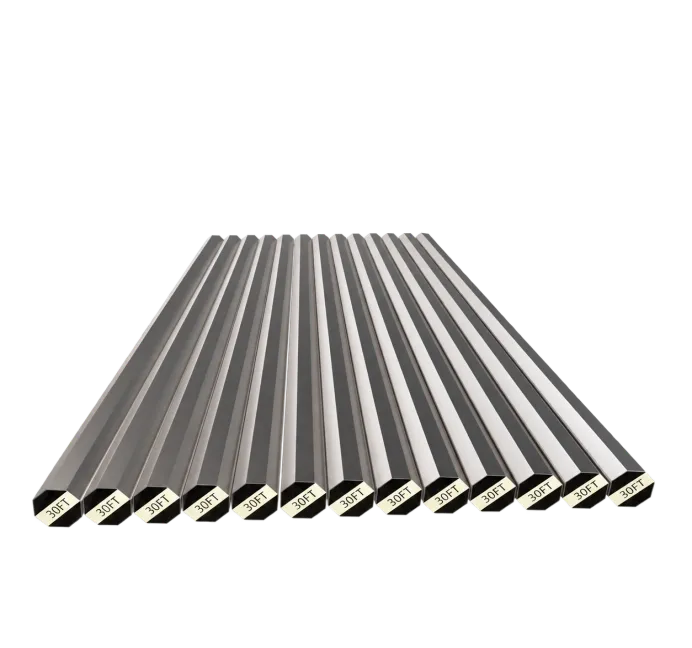
Use corrosion-resistant materials (e.g., hot-dip galvanized steel)
What Factors Affect High Mast Lighting Performance?
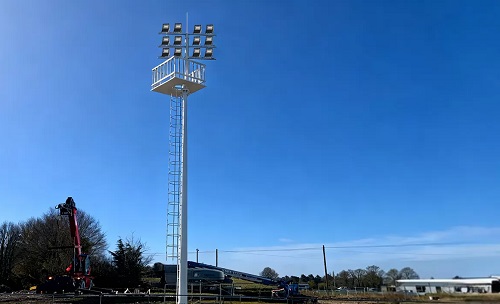
Pole Height vs Coverage
The relationship between high mast light pole height and coverage area is critical in system design.
| Pole Height | Typical Coverage Radius | Application |
|---|
| 15–20 m | 30–50 m | Parking lots, small industrial areas |
| 20–30 m | 50–100 m | Highways, logistics yards |
| 30–50 m | 100–150 m+ | Airports, ports, stadiums |
How Does Pole Height Affect Lighting Coverage?
Higher poles increase coverage area
However, excessive height can reduce ground-level illuminance if not properly designed
Balance between height, lumen output, and beam angle is essential
Glare Control & Safety
Glare is one of the most critical challenges in high mast lighting standards, especially for highways and airports.
Why Is Glare Control Important?
Reduces visual discomfort for drivers and operators
Improves safety in high-speed or high-risk environments
Ensures compliance with lighting regulations
Glare Reduction Techniques
Use of asymmetric optics
Proper luminaire aiming angles
Shielding and anti-glare accessories
Lower mounting angles for critical zones
What Is Glare Rating in High Mast Lighting?
Metrics such as Threshold Increment (TI) or Unified Glare Rating (UGR) are used to quantify glare and ensure safe visibility levels.
Common Design Mistakes
Even well-funded projects can underperform due to poor design decisions.
1. Incorrect Pole Height Selection
2. Ignoring Uniformity Ratios
3. Overlooking Glare Control
4. Poor Luminaire Selection
5. Inadequate Structural Design
What Is the Most Common Error in High Mast Lighting Design?
Failing to balance height, lumen output, and spacing, resulting in either over-lighting or under-lighting.
How to Choose a High Mast Lighting Manufacturer
Choosing from high mast lighting manufacturers requires evaluating:
- Engineering capability
- Pole manufacturing experience
- Photometric design support
- Customization capability
- Project experience
FAQs
What is the standard height of a high mast light pole?
Most high mast light poles range from 20 to 50 meters, depending on application and coverage requirements.
How do you design high mast lighting?
Design involves:
Determining required lux levels
Selecting appropriate pole height
Choosing luminaires and beam angles
Ensuring uniformity and glare control
What is the difference between high mast lighting and flood lighting?
High mast lighting refers to the system configuration, while floodlighting describes the type of luminaires used.
Are LED high mast lights better?
Yes, LED systems offer:
How do high mast lighting manufacturers ensure quality?
Reliable high mast lighting manufacturers focus on:
Structural engineering compliance
Certified materials and coatings
Optical performance testing
Long-term durability in harsh environments
Recommended Solution: Phoebus Lighting High Mast Systems
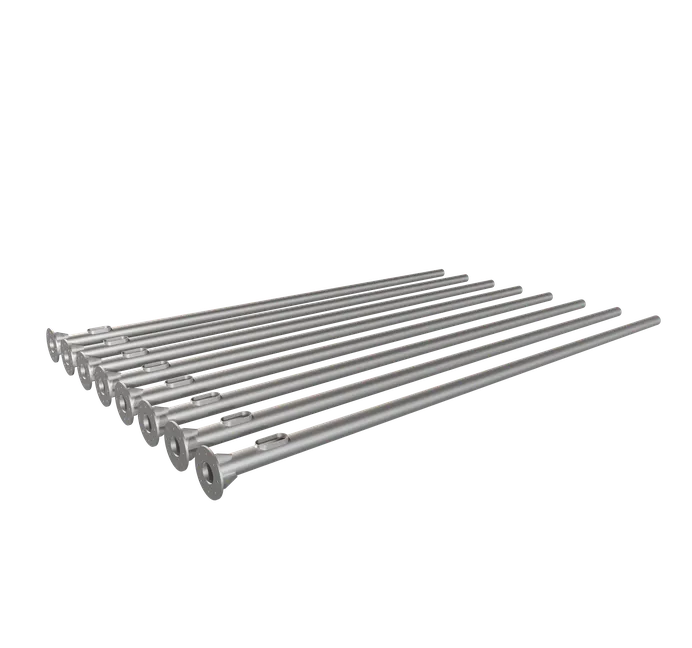
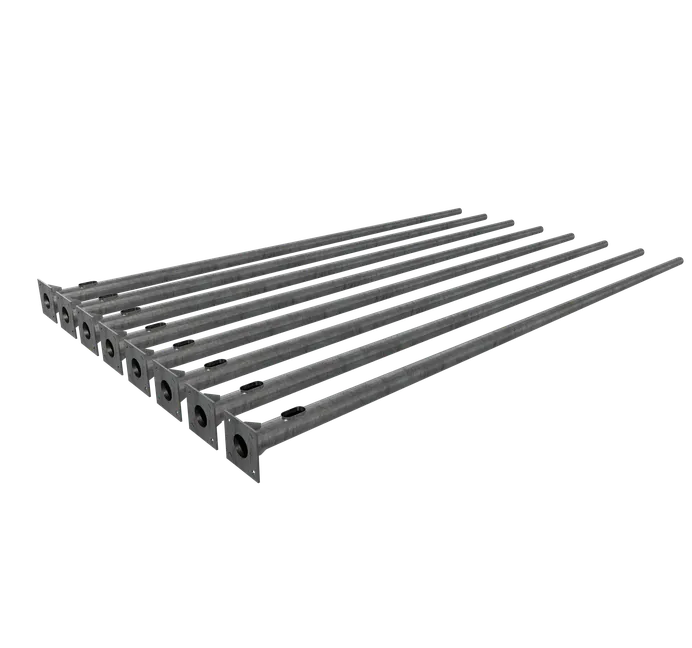
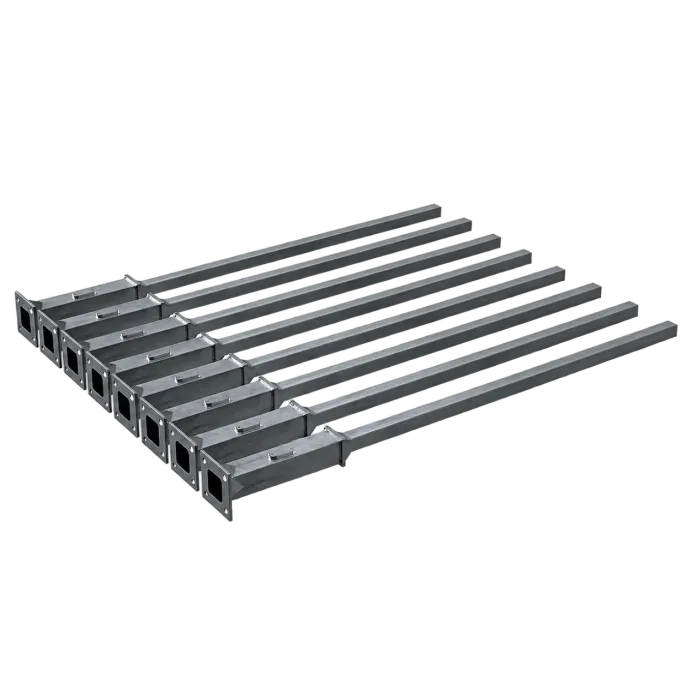
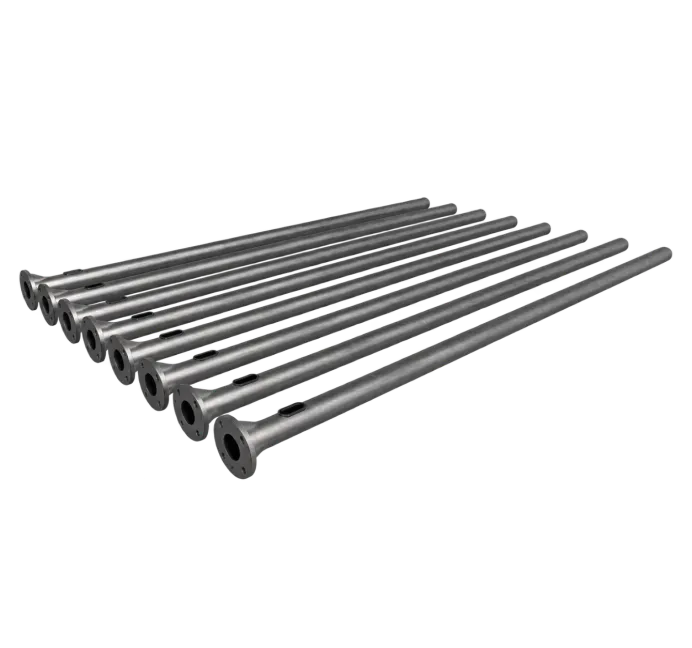
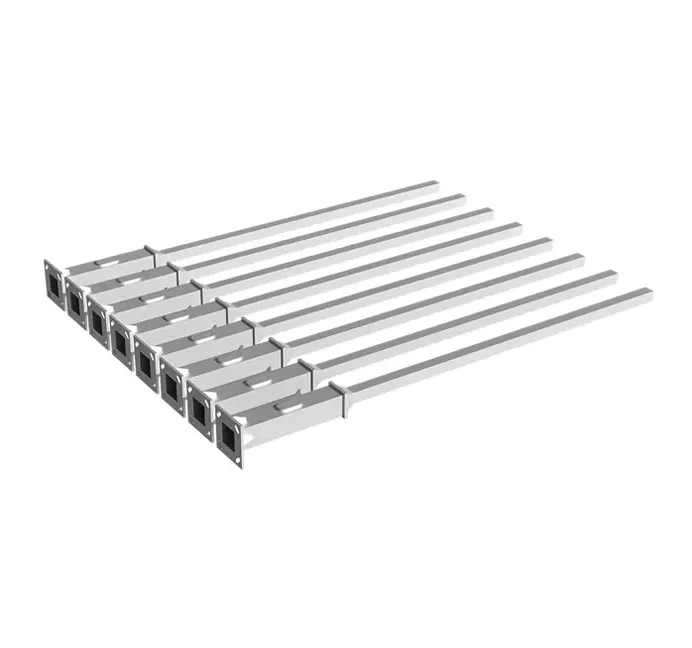
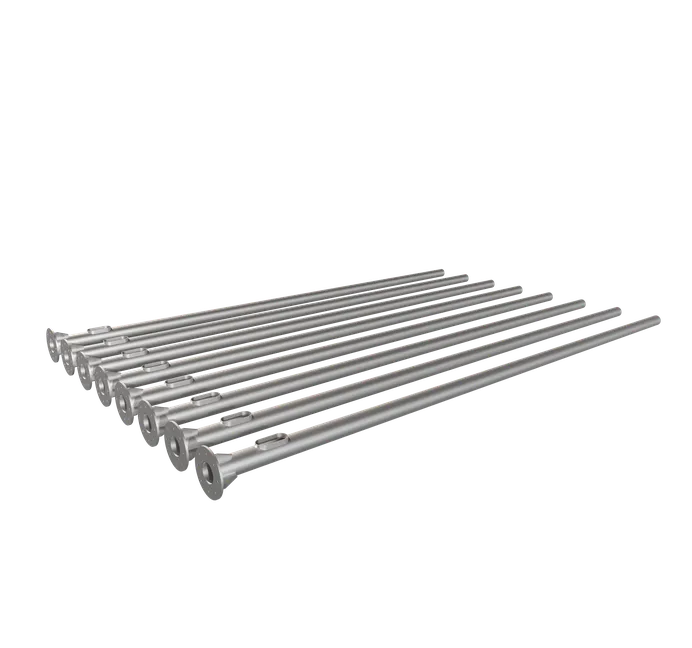
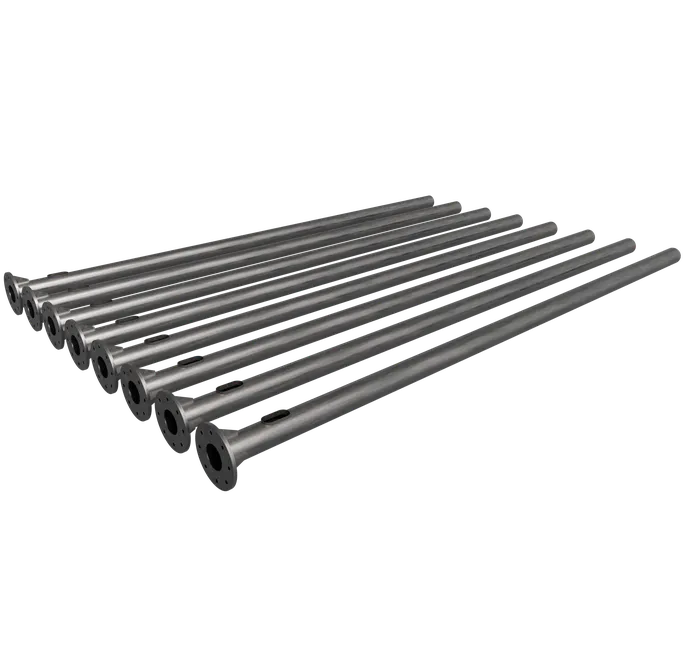
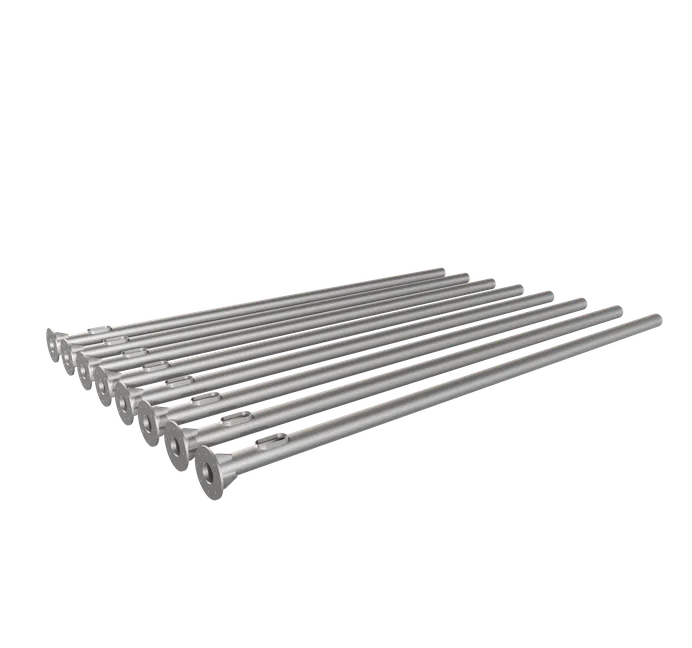
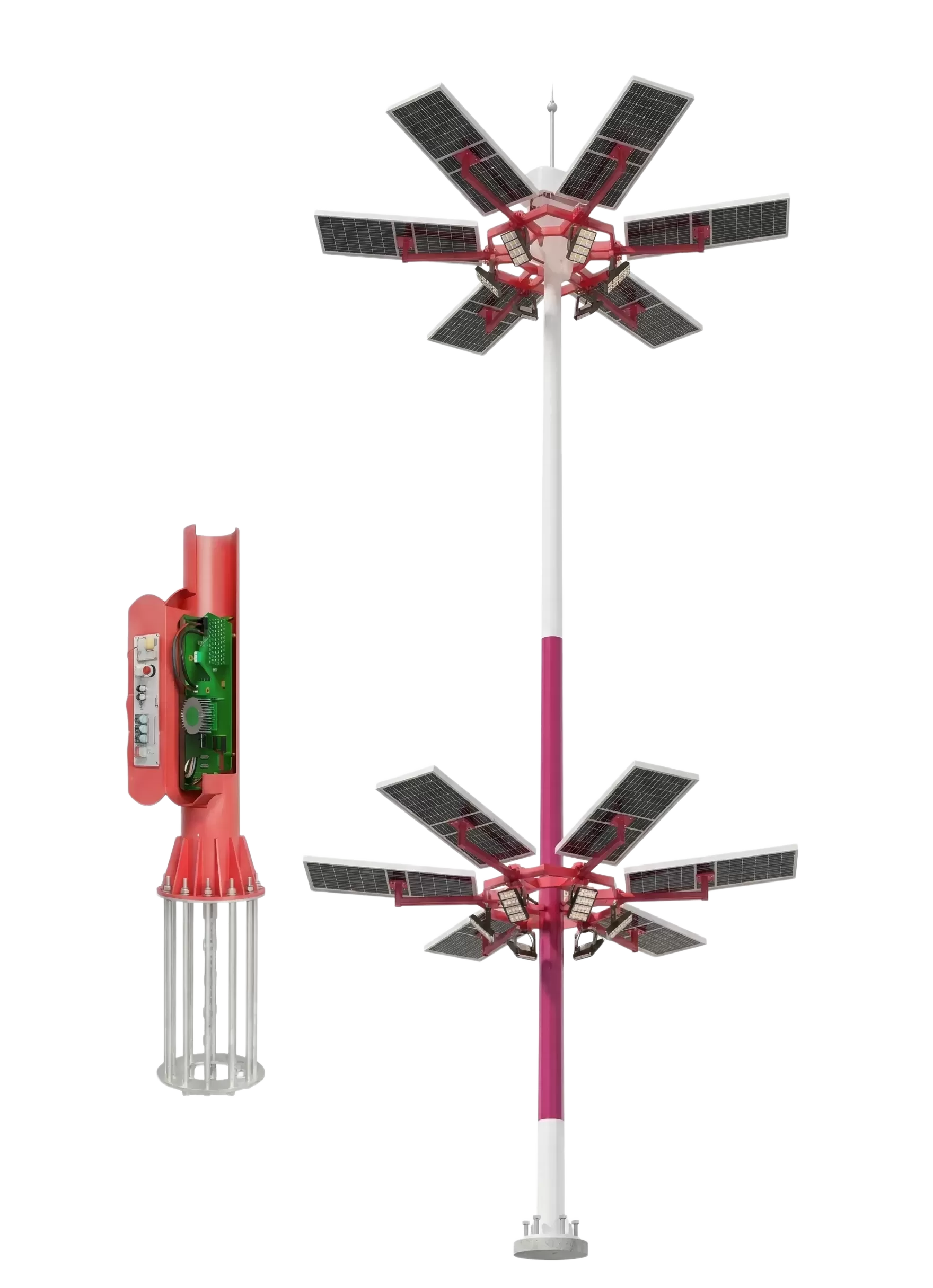
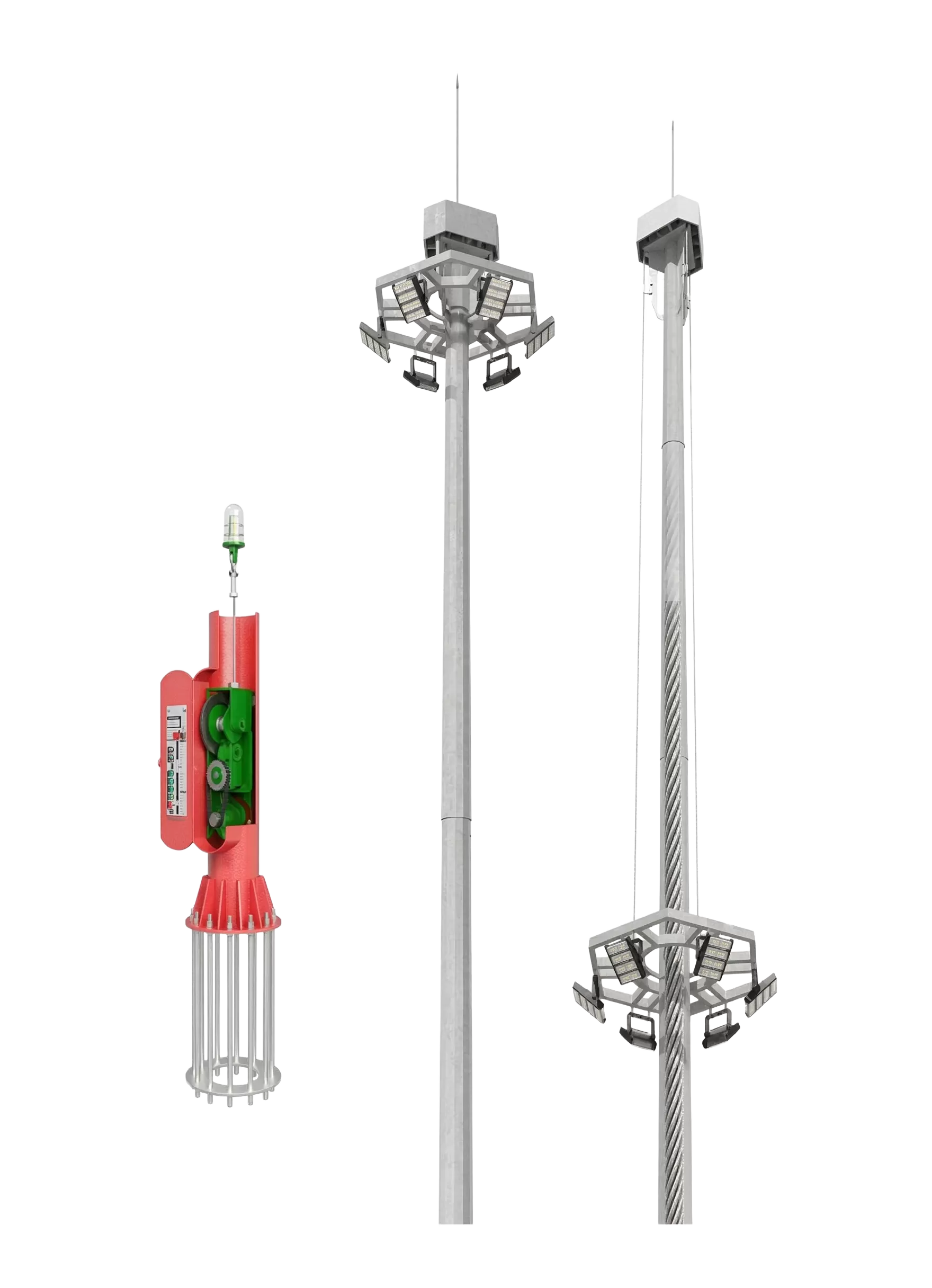
For projects requiring reliable and standards-compliant solutions, Phoebus Lighting delivers advanced high mast lighting systems engineered for performance and durability. Their designs support custom high mast light pole heights, optimized configurations, and robust galvanized structures suitable for highways, airports, and stadiums. With a focus on precision optical design, corrosion resistance, and optional lowering systems for safe maintenance, Phoebus Lighting meets the demands of modern large-area illumination.

 English
  français
  Deutsch
  Español
  русский
  português
  العربية
  Afrikaans
  עברי
עברי  Latinae
  Pilipino