As cities, highways, and rural areas shift toward sustainable infrastructure, the all-in-one solar street light has become a leading solution in outdoor lighting. Combining energy efficiency, easy installation, and smart technology, this innovation is redefining how we illuminate public and private spaces.
In this comprehensive guide, we’ll explore everything you need to know about all-in-one solar LED light systems, including their structure, working principles, advantages, and how to choose the right all-in-one solar street light manufacturer.
What Is All in One Solar Street Light?
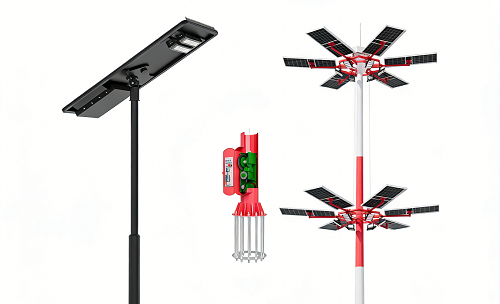
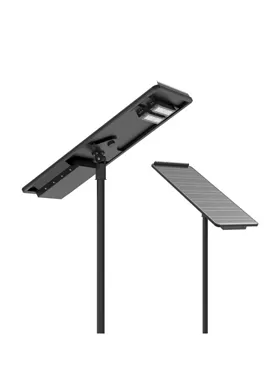
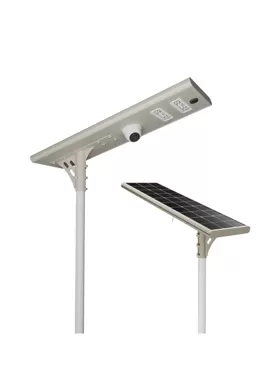
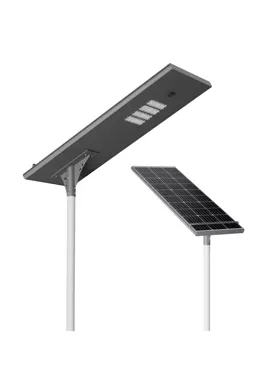
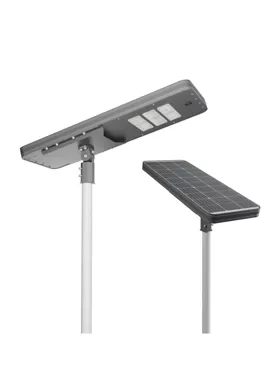
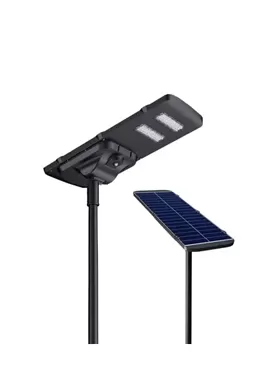
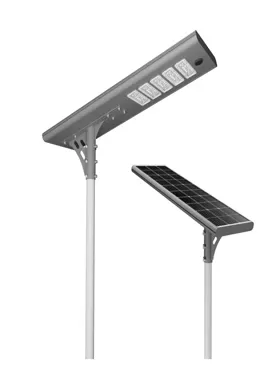
An all-in-one solar street light is a compact lighting unit that combines all essential components into a single housing.
Unlike traditional split systems, these lights integrate:
Solar panel
LED light source
Battery
Controller
Motion sensor (optional)
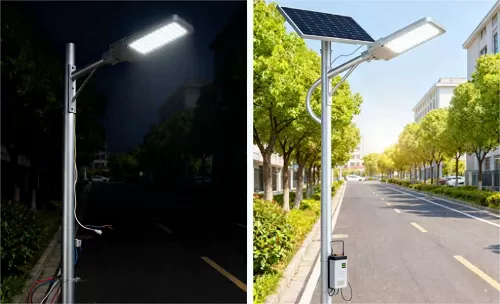
This design eliminates the need for external wiring, making installation faster and more cost-effective.
An all-in-one LED street light is a self-contained, plug-and-play solar lighting solution designed for maximum efficiency and minimal maintenance.

The Main Components of All in One Solar Street Light
Understanding the internal structure helps users evaluate performance and durability. Below are the core components typically found in high-quality systems such as those offered by Phoebus.
Solar Panel
Converts sunlight into electricity
Usually high-efficiency monocrystalline silicon
Positioned on top for maximum exposure
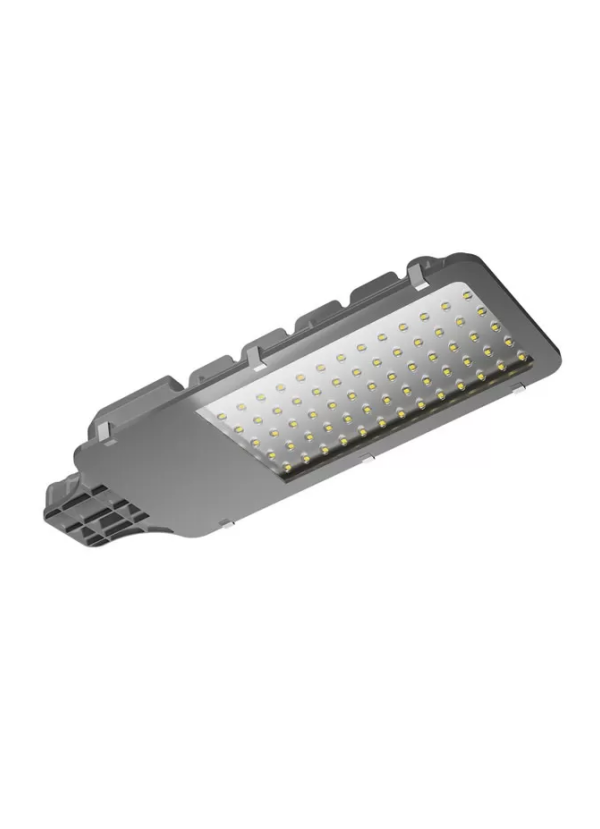
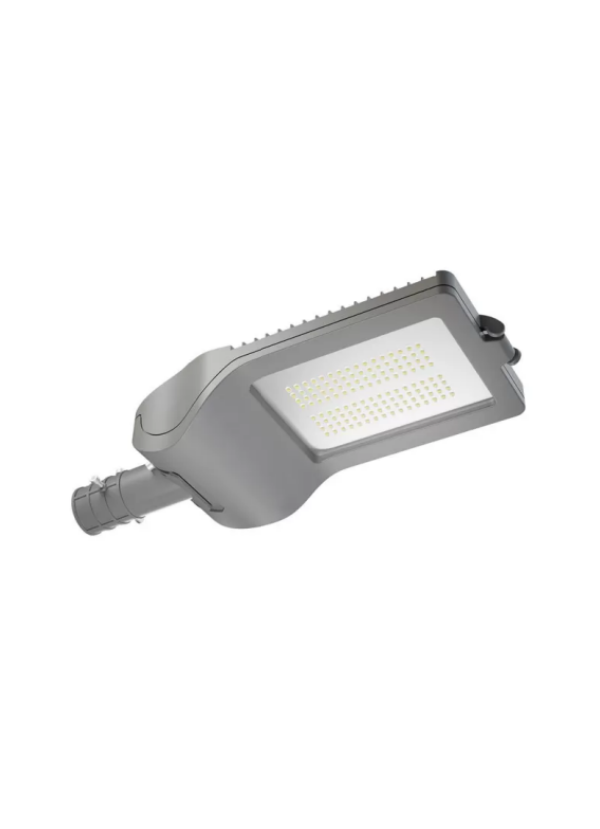
LED Light Source
High-lumen output with low energy consumption
Long lifespan (50,000+ hours)
Uniform light distribution
Lithium Battery
Stores energy generated during the day
Typically lithium-ion or LiFePO4 for stability and longevity
Supports multiple nights of backup
Intelligent Controller
Regulates charging and discharging
Prevents overcharging and deep discharge
Enables smart lighting modes
Sensor System
How Does the All In One Solar Street Light Work?
The working principle of an all-in-one solar LED light is simple yet highly efficient:
Daytime Operation
Solar panel absorbs sunlight
Converts solar energy into electrical energy
Energy is stored in the battery
Nighttime Operation
Light sensor detects low light conditions
LED light automatically turns on
Stored energy powers the light
Smart Mode (Optional)
This intelligent system ensures maximum energy efficiency and extended battery life, making it ideal for remote and off-grid areas.
All in One Solar Street Light Advantages
The popularity of integrated solar street lights is driven by several key advantages:
Easy Installation
Energy Savings
100% solar-powered
Zero electricity bills
Environmentally friendly
Low Maintenance
Smart Control Features
Cost-Effective Over Time
Although initial costs may be higher, long-term savings on electricity and maintenance make them highly economical.
Compact and Aesthetic Design
Modern appearance
Space-saving structure
FAQs
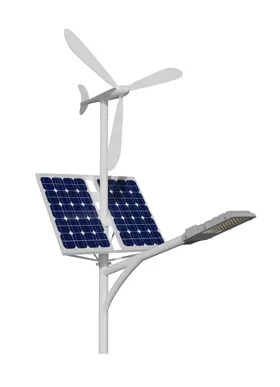
1. What are the differences between All In One Solar Street Light and Split Solar Street Light?
All-in-one systems integrate all components into a single unit, making installation simple and maintenance minimal. Split solar street light systems separate components (panel, battery, light), offering flexibility but requiring more complex installation.
2. How to Install All in One Solar Street Light?
Installation is straightforward:
No wiring or electrical expertise is required, significantly reducing installation time.
3. What are the benefits of All in One Solar Street Light?
All-in-one solar street lights offer energy independence, low installation costs, and minimal maintenance thanks to their integrated design. They also feature smart operation capabilities and promote environmental sustainability by using clean, renewable solar energy.
Conclusion
The all-in-one solar street light represents a major advancement in outdoor lighting technology. With its integrated design, smart features, and cost efficiency, it is an ideal solution for modern infrastructure projects.
By choosing a reliable all-in-one solar street light manufacturer like Phoebus, users can ensure long-term performance, durability, and sustainability.





 English
  français
  Deutsch
  Español
  русский
  português
  العربية
  Afrikaans
  עברי
עברי  Latinae
  Pilipino