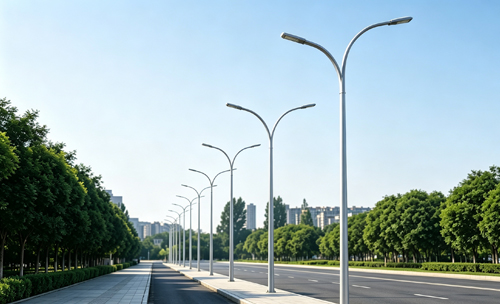
Solar energy is rapidly reshaping how cities and industries approach outdoor lighting. Among the most practical and widely adopted solutions are solar based street light systems, which provide sustainable, cost-effective, and off-grid illumination for roads, campuses, industrial zones, and public infrastructure.
As global demand increases for outdoor solar street lights, manufacturers such as Phoebus are continuously improving system efficiency, durability, and smart control capabilities.
What Are Solar Street Lights?
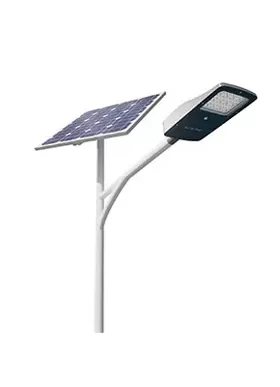
Solar street lights are autonomous lighting systems powered by solar energy. They collect sunlight through photovoltaic panels during the day and convert it into electricity stored in a battery system. At night, the stored energy powers high-efficiency LED lamps.
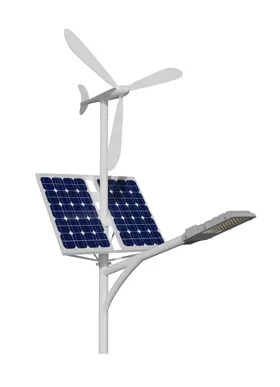
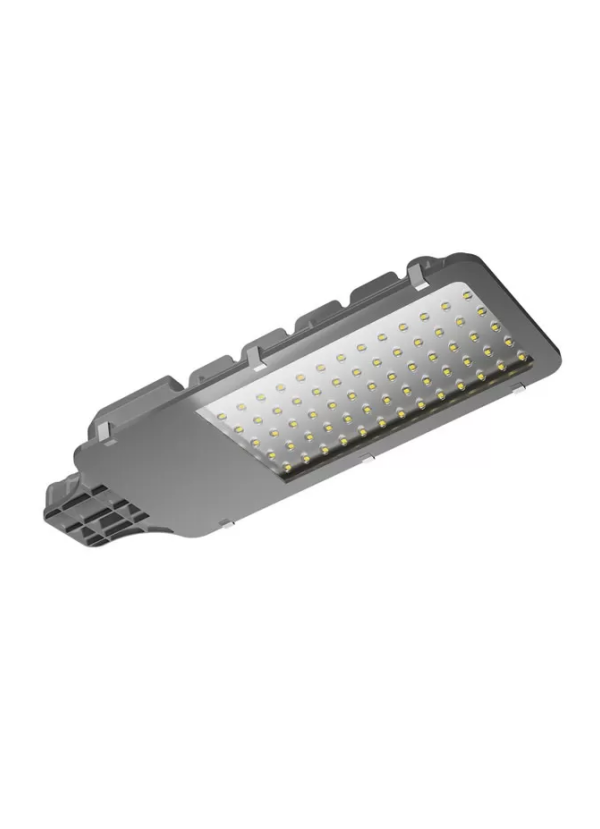
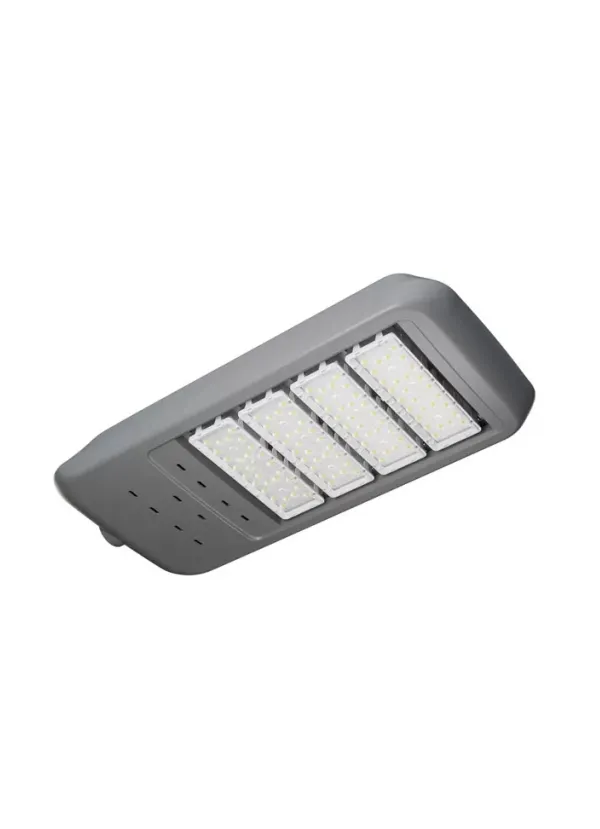
A typical solar based street light system includes:
Unlike traditional grid-connected lighting, solar road lights operate independently, making them ideal for remote or infrastructure-limited areas.
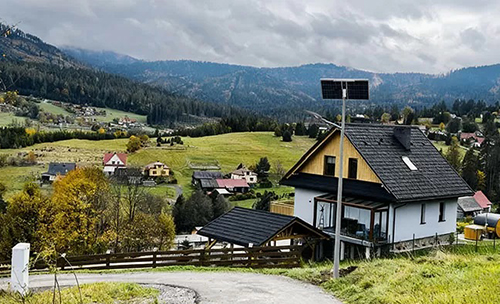
Benefits of Outdoor Solar Street Lights
Outdoor solar street lights offer significant advantages over traditional grid-powered systems:
Energy Independence
No reliance on electricity grids, making them ideal for rural and remote areas.
Cost Efficiency
Eliminates electricity bills and reduces long-term maintenance costs.
Environmental Sustainability
Reduces carbon emissions and supports renewable energy adoption.
Easy Installation
No trenching or cabling required, reducing infrastructure complexity.
Smart Control Options
Modern systems include motion sensors, dimming modes, and remote monitoring.
High Durability
Designed to withstand harsh weather conditions such as rain, wind, and heat.
Types of Solar Street Lights
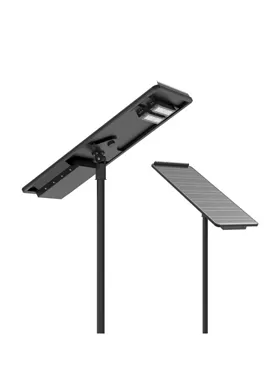
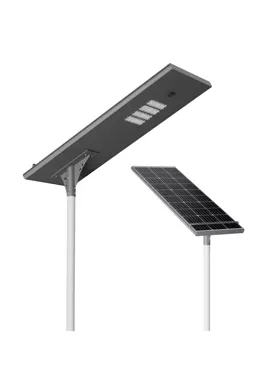
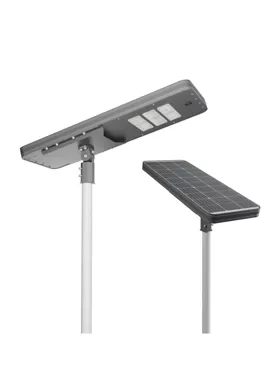
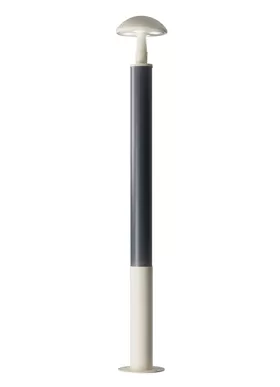
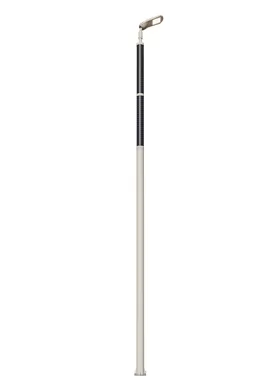
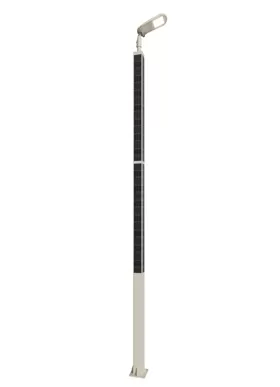
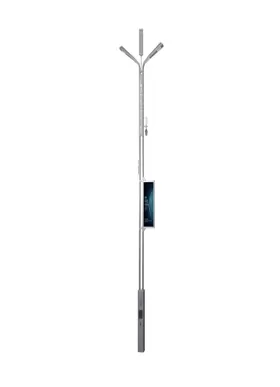
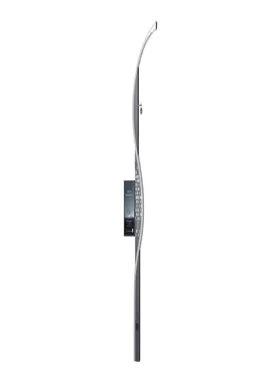
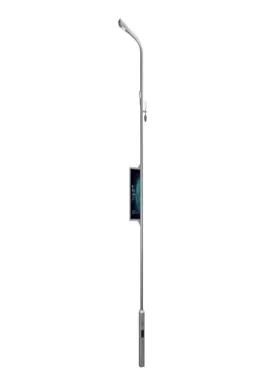
Based on typical configurations seen in solar street light manufacturer Phoebus product lines, solar street lighting systems can be categorized as follows:
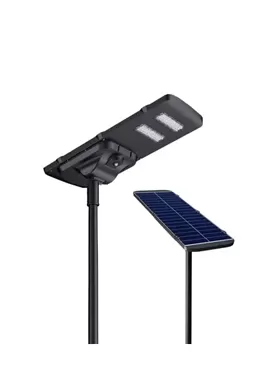
All-in-One Solar Street Lights
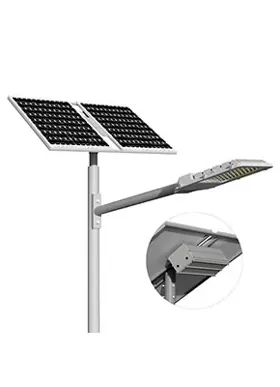
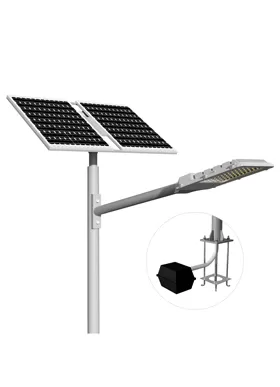
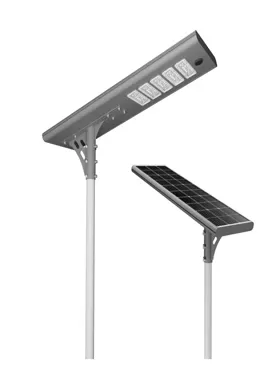
Split-Type Solar Street Lights
Separate solar panel and lighting fixture
Higher efficiency and flexibility
Suitable for highways and large roads
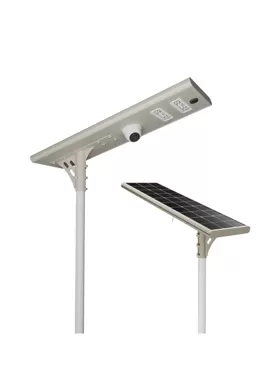
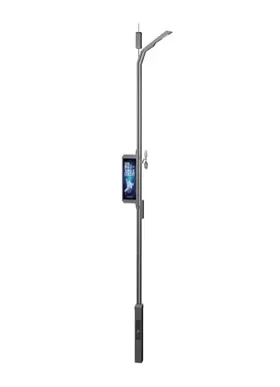
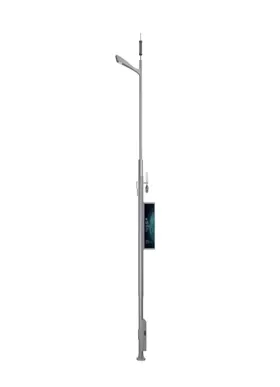
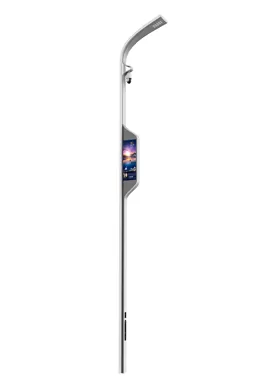
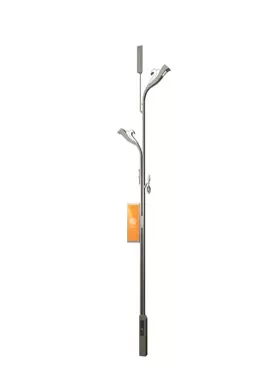
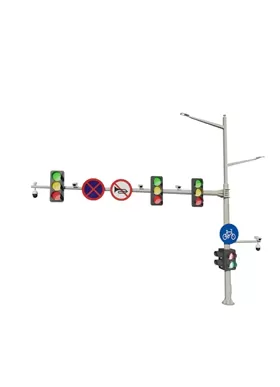
Smart Solar Street Lights
Solar Street Light Application
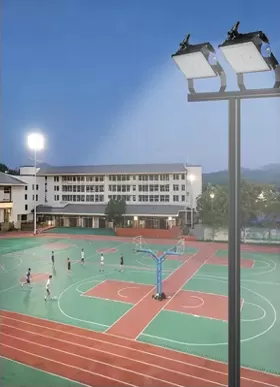
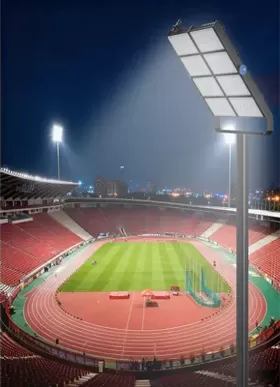
The application of solar street lights spans across multiple industries and environments. Based on product capabilities from Phoebus, the following are the most common application scenarios:
Urban Roads and Highways
Solar road lights provide continuous illumination for traffic safety without relying on grid electricity.
Industrial Zones
Industrial solar street lights are widely used in factories, warehouses, and logistics parks where stable and high-intensity lighting is required.
Commercial Areas
Parking lots, shopping centers, and business parks use commercial solar street lights to reduce operational costs.
Parks and Public Spaces
Eco-friendly lighting enhances safety while maintaining aesthetic urban design.
FAQs
1. How Do Solar Road Lights Work?
Solar road lights operate by converting sunlight into electricity through solar panels. The energy is stored in batteries and used at night to power LED lights automatically via a smart controller.
2. What Are the Components of Solar Street Lights?
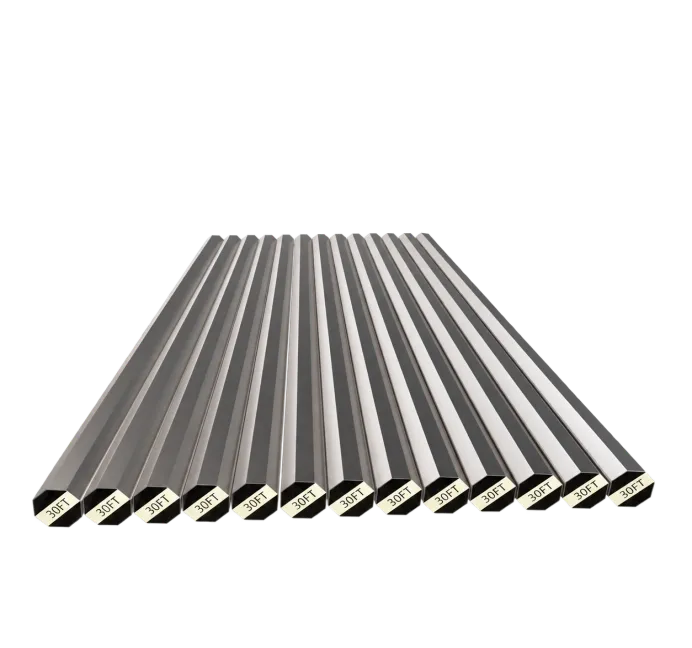
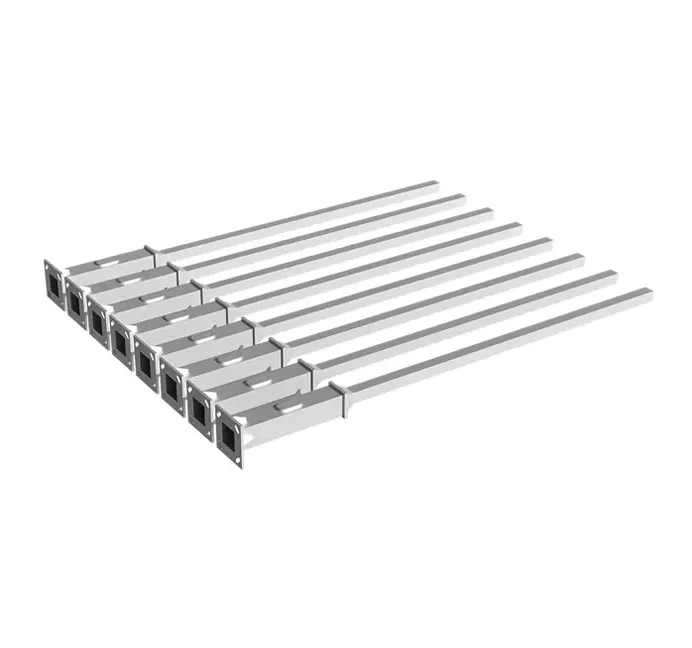
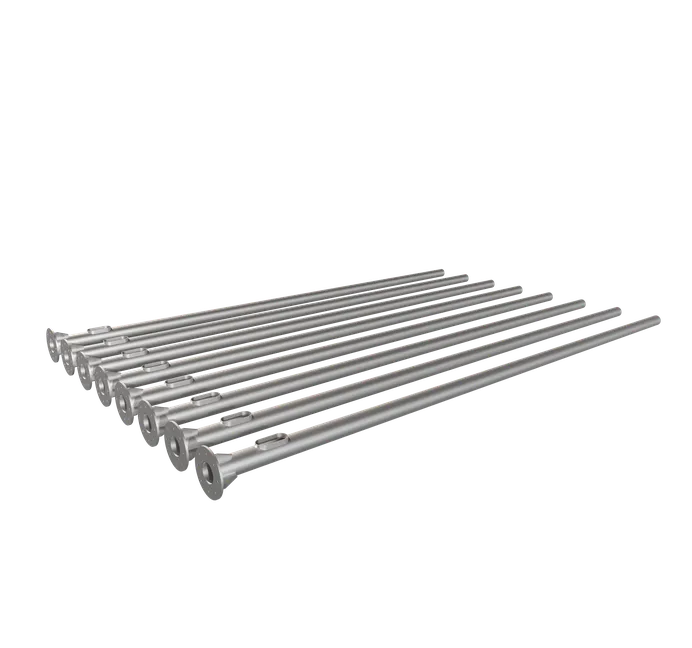
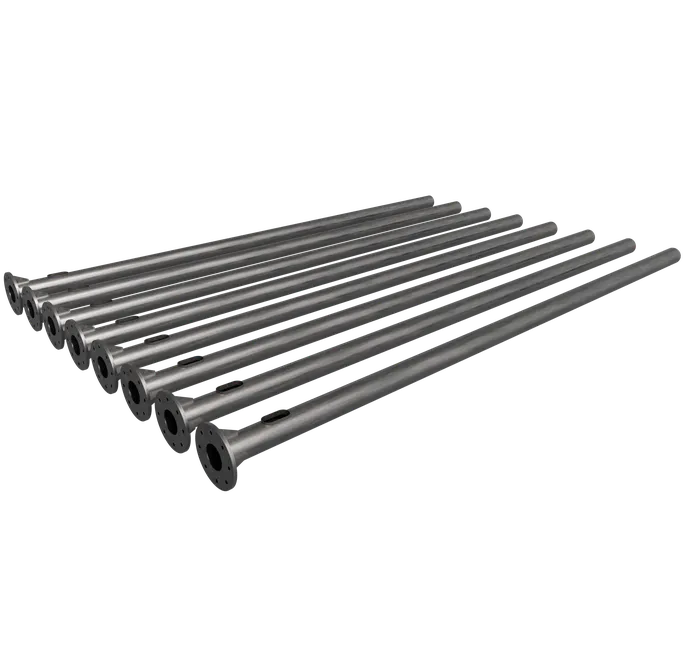
A typical system includes solar panels, batteries, LED lamps, controllers, and mounting poles. Each component plays a critical role in energy generation, storage, and lighting performance.
3. How to Install Solar Street Light?
Installation involves mounting the pole, fixing the solar panel, connecting the electrical system, and configuring the controller. Since no grid wiring is required, installation is faster and more cost-effective than traditional lighting systems.
Conclusion
Solar street light application represents a critical shift toward sustainable infrastructure development. From urban highways to remote rural roads, solar road lights provide reliable, cost-efficient, and environmentally friendly lighting solutions.
With solar street light manufacturers like Phoebus advancing technology in smart control systems and industrial-grade durability, the adoption of solar based street light systems will continue to accelerate globally.









 English
  français
  Deutsch
  Español
  русский
  português
  العربية
  Afrikaans
  עברי
עברי  Latinae
  Pilipino