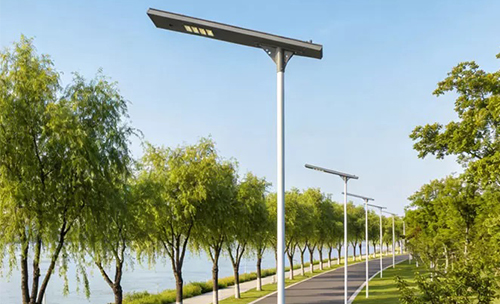
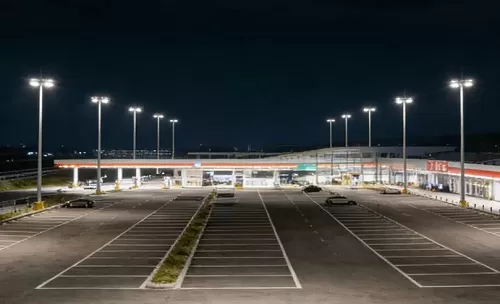
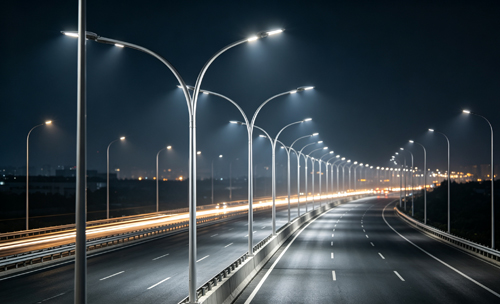
As cities strive for energy efficiency and sustainability, the debate between traditional LED street lights and solar street lights has become increasingly relevant. Both technologies offer strong illumination and long service life—but which is the smarter choice for your project? Let’s break it down.
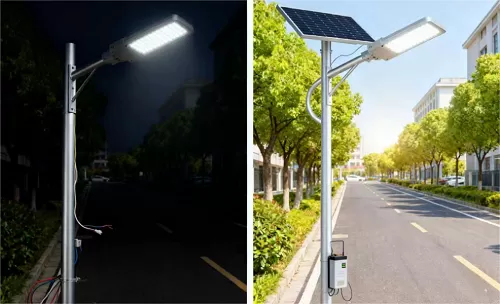
1. Power Source and Energy Efficiency
The biggest difference lies in how they’re powered.
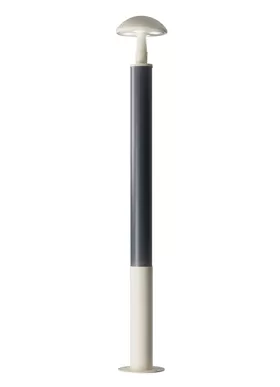
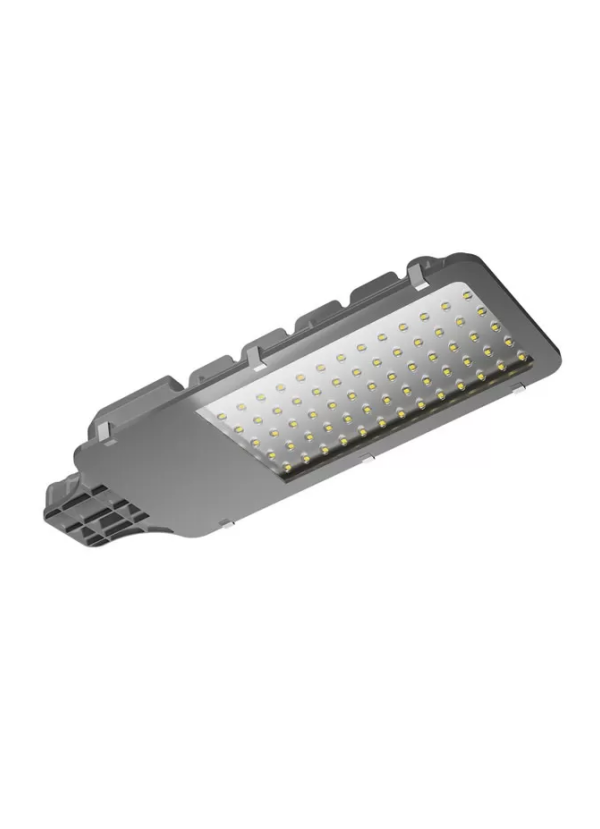
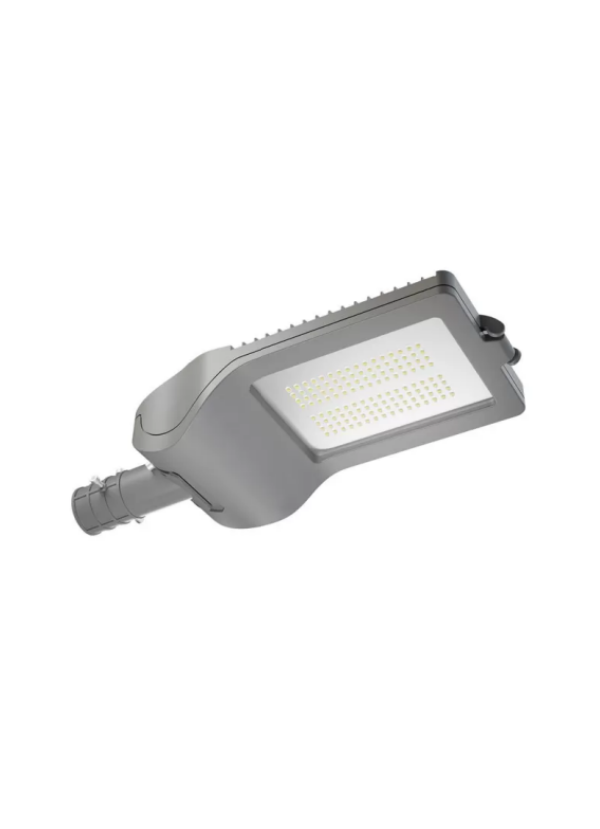
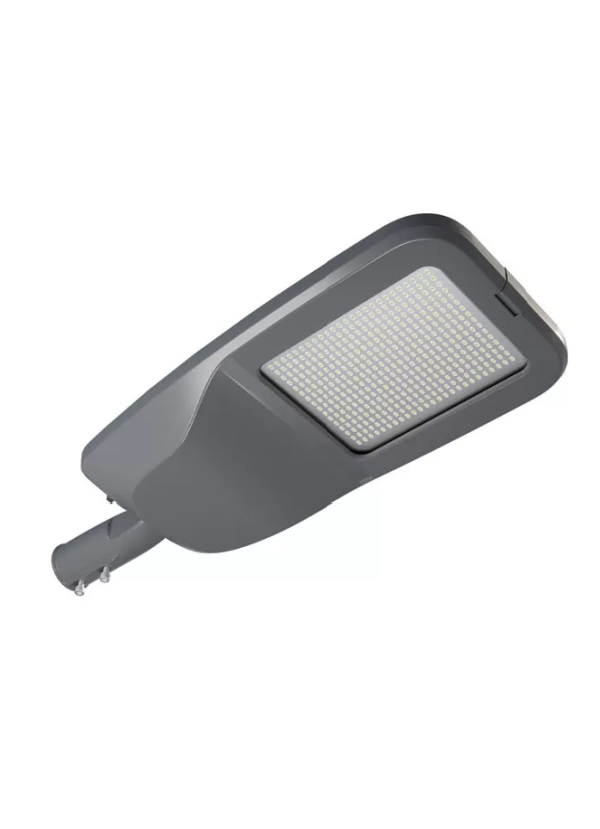
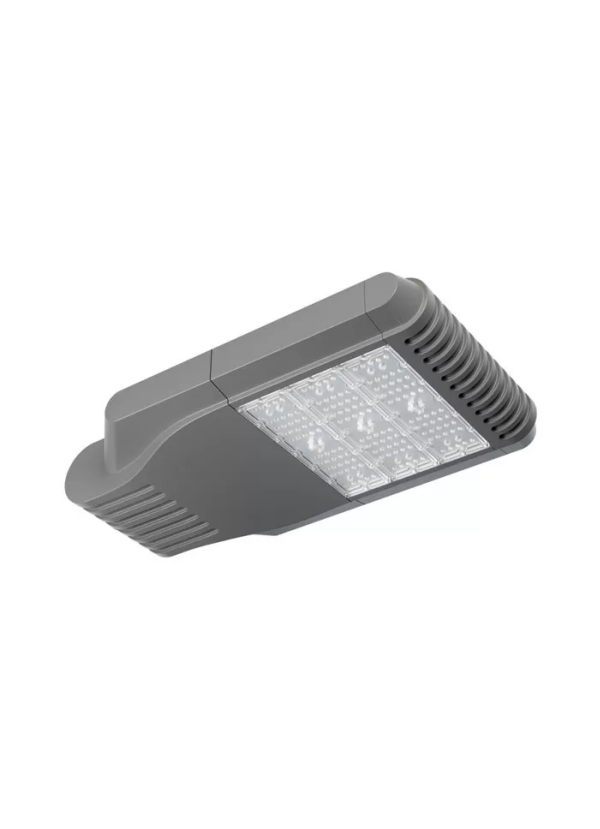
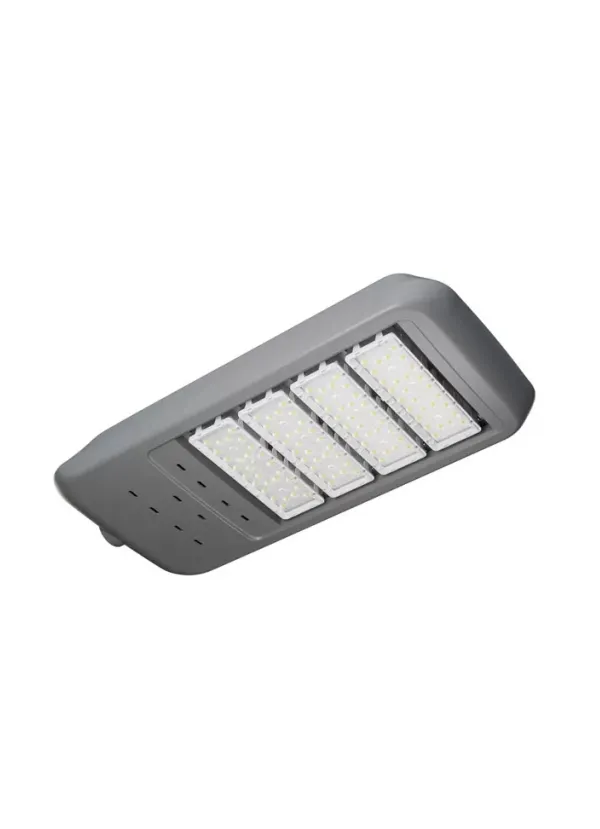
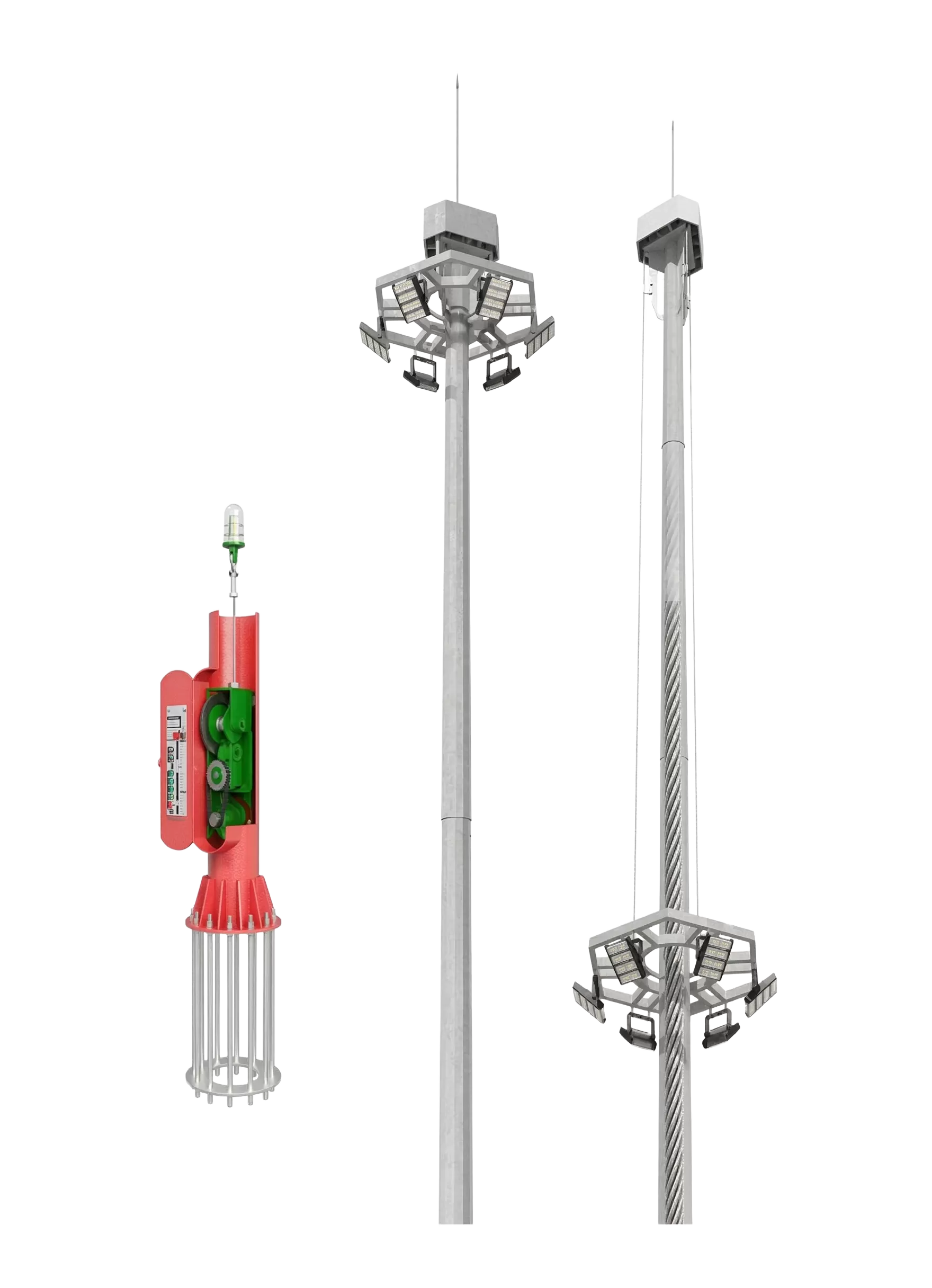
LED street lights use grid electricity. They’re stable and bright but still depend on conventional energy sources, which can increase long-term utility costs.
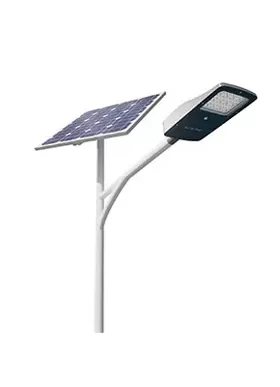
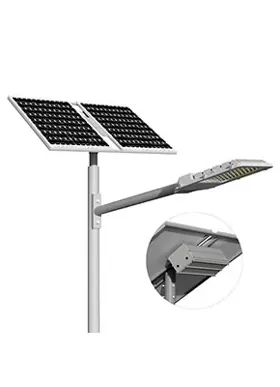
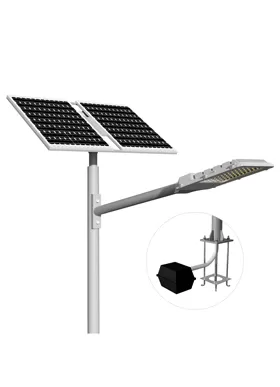
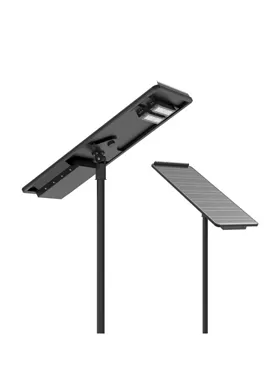
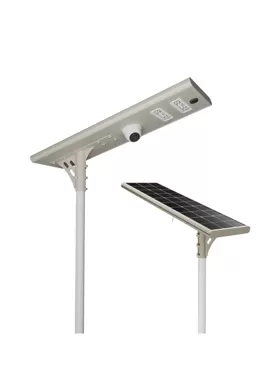
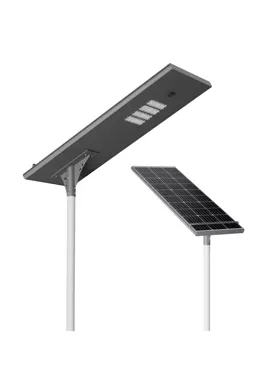
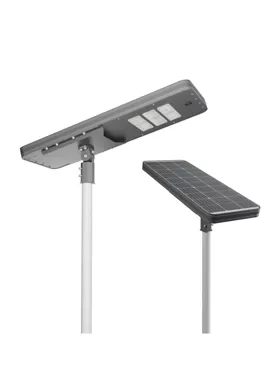
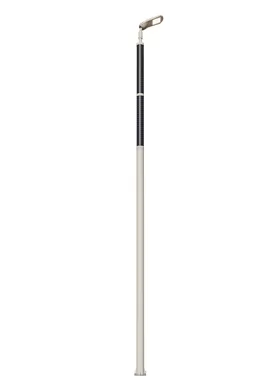
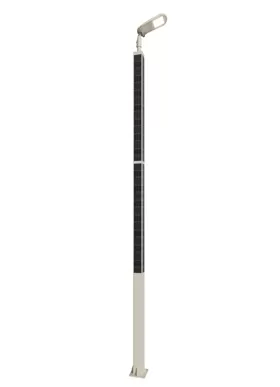
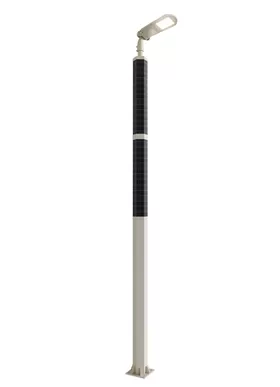
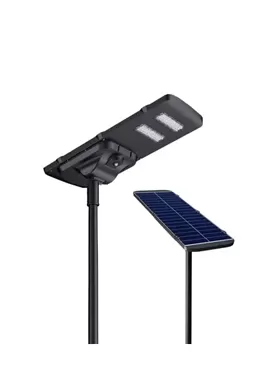
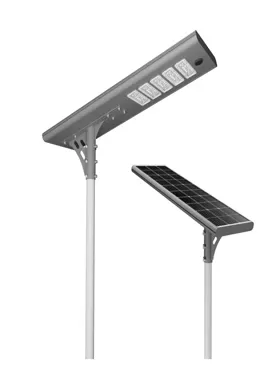
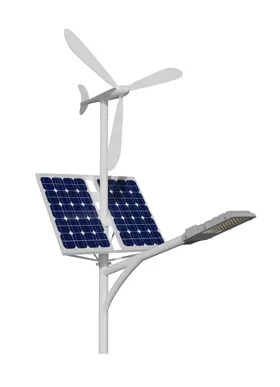
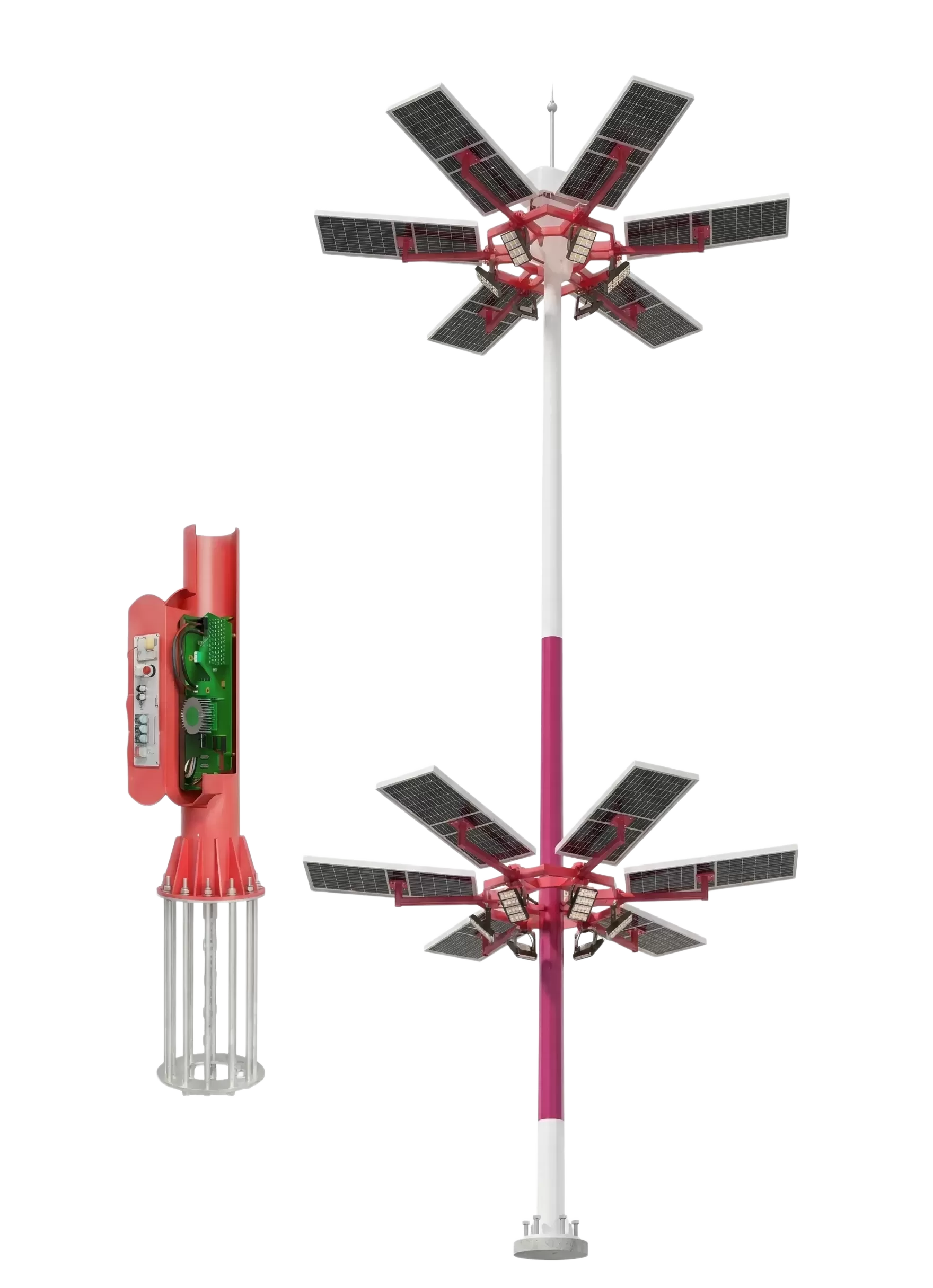
Solar street lights, on the other hand, operate completely off-grid. They draw energy from sunlight, store it in batteries, and illuminate automatically at night.
In short: LED lights save energy compared to old sodium lamps, but solar lights take it a step further—providing zero electricity cost and full sustainability.
2. Installation and Maintenance
LED street lights require extensive wiring, trenching, and connection to the power grid. This often leads to higher installation costs and time-consuming maintenance.
Solar street lights are plug-and-play systems—no cables, no external power source. Each unit works independently, which makes them ideal for rural areas, highways, and new infrastructure where power supply is limited.
Maintenance tip: Always check that your solar street light uses LiFePO4 batteries and a smart controller to ensure a lifespan of over 5 years with minimal service.
3. Cost, Lifespan, and Sustainability
Initial Investment: Solar lights may seem more expensive upfront, but they eliminate monthly electricity bills and reduce maintenance. Over time, the total cost of ownership is often lower.
Durability: Both LED and solar lights last 50,000+ hours, but solar lights offer extra benefits in remote or disaster-prone regions where grid power can be unstable.
Sustainability: With zero carbon emissions and self-sustaining power, solar street lights clearly align with global green development goals.
Verdict:
If your project is located in a well-developed city area with stable grid access, LED street lights can be a practical and economical choice.
But if you value energy independence, environmental responsibility, and long-term savings, solar street lights are undoubtedly the better option.

















 English
  français
  Deutsch
  Español
  русский
  português
  العربية
  Afrikaans
  עברי
עברי  Latinae
  Pilipino