Choosing the right solar street light requires more than selecting LED wattage or product appearance. A reliable solar lighting system depends on multiple factors, including lighting requirements, solar panel efficiency, battery capacity, installation environment, operating hours, and long-term product reliability.
With more than 25 years of experience in outdoor lighting solutions, Phoebus Lighting provides customized solar street lighting systems for roads, highways, residential communities, industrial areas, and remote regions worldwide. By combining advanced LED technology, efficient solar power systems, and strict quality control, Phoebus Lighting helps customers achieve reliable and cost-effective outdoor illumination.
This solar street light buying guide explains the key factors you should consider before selecting a solar lighting solution, including how to choose the correct power, battery capacity, solar panel size, lighting type, and a reliable supplier for your project.
What Should You Consider Before Choosing a Solar Street Light?
Selecting a suitable solar street light starts with understanding the actual requirements of your project. Different applications have different lighting needs. A residential road, highway, village street, parking area, and industrial zone may require completely different solar lighting configurations.
Before purchasing a solar street light system, professional buyers should evaluate the following factors:
| Selection Factor | Why It Matters |
|---|
| Lighting Application | The application determines the required brightness, installation height, lighting distribution, and operating performance. |
| LED Power and Brightness | The LED wattage affects illumination coverage and should match the required lux level of the project. |
| Solar Panel Capacity | The solar panel must generate enough energy to recharge the battery according to local sunlight conditions. |
| Battery Capacity | The battery determines how long the solar street light can operate during nights or periods with limited sunlight. |
| Installation Location | Climate, temperature, rainfall, dust, and sunlight availability influence the system design and component selection. |
| Product Quality and Supplier Experience | A reliable supplier ensures stable performance, professional technical support, and long-term project reliability. |
Understand Your Solar Street Lighting Requirements First
The first step in choosing a solar street light is defining where and how the lighting system will be used. A common mistake in solar lighting projects is selecting products only based on wattage or price without considering the complete lighting environment.
For example, a small community road may only require a compact solar street light with moderate illumination, while highways, ports, airports, and industrial areas require higher-power systems with wider lighting coverage and more accurate lighting design.
The main project factors that should be evaluated include:
Road width and lighting area: Wider roads require higher output and better beam distribution.
Pole height and installation spacing: Higher poles and larger spacing distances require professional lighting calculations.
Required operating hours: The system should provide sufficient lighting throughout the night.
Local climate conditions: Extreme temperatures, cloudy seasons, and heavy rainfall affect solar system design.
Maintenance requirements: Projects in remote locations should prioritize durable and low-maintenance solutions.
For large-scale outdoor lighting projects, working with an experienced solar lighting manufacturer can help ensure the system is designed according to actual environmental and operational requirements rather than using a standard configuration.
How to Choose the Right Solar Street Light Wattage?
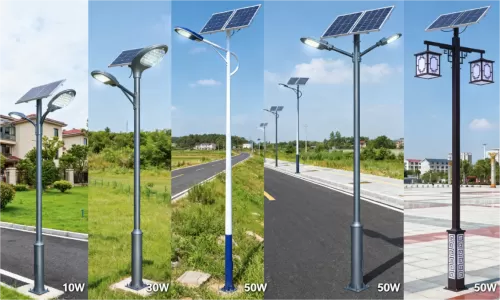
Solar street light wattage should be selected based on the required brightness, road conditions, pole height, installation distance, and lighting standards. Higher wattage does not always mean better performance. A properly designed system should balance LED output, energy consumption, and solar charging capability.
| Application | Recommended LED Power Range | Typical Usage |
|---|
| Residential Roads | 20W-60W | Suitable for communities, small streets, and pedestrian areas. |
| Village Roads | 40W-80W | Provides reliable lighting for rural roads and public areas. |
| Main Roads | 80W-150W | Designed for wider roads requiring stronger illumination. |
| Highway lighting and Large Projects | 150W+ | Used for high-traffic areas requiring wider coverage and higher brightness. |
In addition to wattage, buyers should consider LED efficiency, light distribution, and actual illumination performance. Two solar street lights with the same wattage may provide different results depending on LED chip quality, optical design, and system configuration.
Professional solar street lighting manufacturers usually provide lighting simulation and technical recommendations to ensure the selected product meets project requirements.
How to Select the Right Solar Panel and Battery Capacity?
The solar panel and battery are two of the most important components of a solar street light system. Unlike traditional grid-connected lighting, solar street lights rely completely on stored solar energy. Therefore, the system must be properly designed to collect enough solar energy during the day and provide stable illumination throughout the night.
A high-quality solar street light should maintain reliable operation even during cloudy days or periods with reduced sunlight. The correct solar panel size and battery capacity depend on several factors, including geographical location, daily sunlight hours, LED power consumption, required backup days, and local weather conditions.
Key Factors Affecting Solar Panel Selection
The solar panel converts sunlight into electrical energy, which is stored in the battery and used to power the LED light at night. When selecting a solar panel, buyers should consider:
Solar irradiation: Regions with longer sunlight hours may require smaller panels, while areas with frequent cloudy weather need higher-capacity solar panels.
Panel efficiency: Higher-efficiency solar panels generate more power within the same installation area.
Installation environment: Dust, temperature, shading, and installation angle can influence solar charging performance.
System energy balance: The solar panel capacity should match the LED power consumption and battery storage capacity.
For projects in Africa, the Middle East, and Southeast Asia, solar system design should consider local climate characteristics. For example, high-temperature environments require careful battery selection and thermal management to ensure long-term performance.
How to Choose the Right Battery Capacity?
The battery stores solar energy generated during the daytime and supplies power to the LED lighting system at night. Battery capacity directly affects lighting duration and reliability, especially in areas with unstable weather conditions.
Important battery selection factors include:
| Battery Factor | Impact on Solar Street Light Performance |
|---|
| Capacity | Determines how many hours the light can operate during the night and how many backup days can be supported. |
| Battery Type | Lithium batteries generally provide higher efficiency, longer lifespan, and better temperature performance compared with traditional battery technologies. |
| Temperature Resistance | Important for projects installed in hot climates such as Africa and the Middle East. |
| Cycle Life | A longer cycle life reduces maintenance frequency and improves the total project return. |
A professional solar street light supplier should evaluate the relationship between LED power, solar panel capacity, battery storage, and local weather conditions instead of simply offering a standard product.
All-in-One vs Split Solar Street Light: Which One Should You Choose?
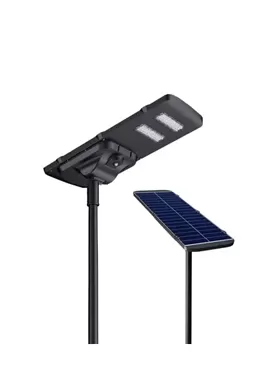
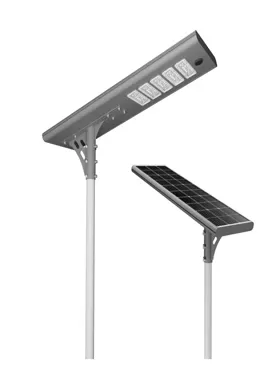
When selecting a solar street lighting system, one of the most common decisions is choosing between an all-in-one solar street light and a split solar street light. Both solutions have advantages depending on project requirements, installation conditions, and lighting performance expectations.
| Type | Advantages | Recommended Applications |
|---|
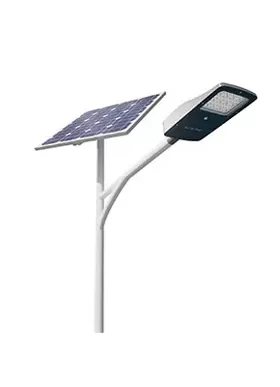
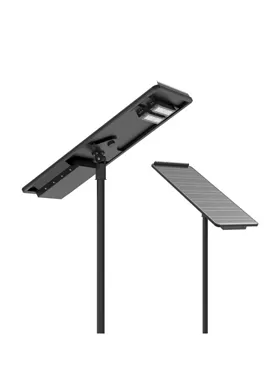
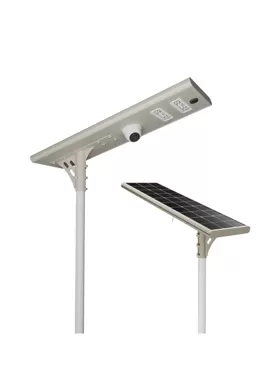
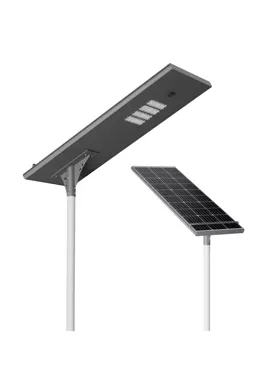
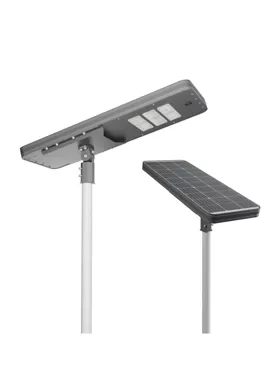
| All-in-One Solar Street Light | Integrates the solar panel, battery, LED light source, and controller into one compact unit. It offers easier installation, lower maintenance requirements, and a cleaner appearance. | Residential roads, village lighting, parking areas, parks, and small outdoor projects. |
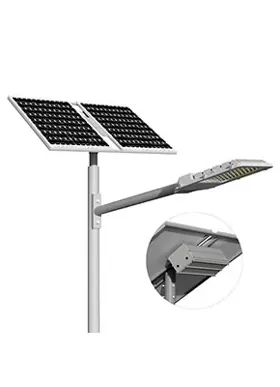
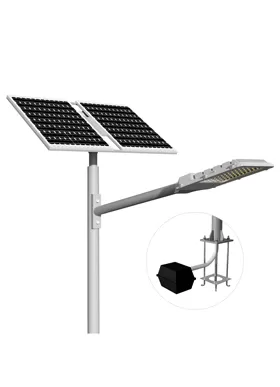
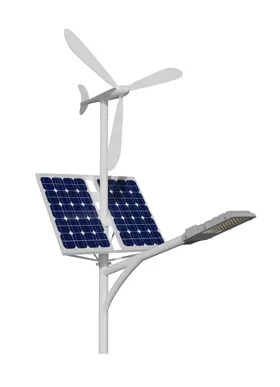
| Split Solar Street Light | The solar panel, battery, and LED lighting components are separated, providing greater flexibility for customized system design and higher-power applications. | Highways, industrial areas, large-scale municipal projects, and locations requiring customized configurations. |
For projects requiring fast installation and simple maintenance, an all-in-one solar street light can be an efficient solution. For larger infrastructure projects that require higher lighting output or customized solar configurations, split solar street lights may provide more flexibility.
Phoebus provides different solar lighting solutions according to project requirements, including customized designs for roads, communities, public areas, and large outdoor applications.
How to Choose a Reliable Solar Street Light Manufacturer?
Choosing the right solar street light manufacturer is just as important as selecting the right product. A reliable supplier should provide not only quality products but also professional technical support, project experience, and customized lighting solutions.
Before selecting a supplier, buyers should evaluate the following factors:
| Evaluation Factor | Why It Matters |
|---|
| Manufacturing Experience | Experienced manufacturers usually have stronger production capabilities, quality management systems, and engineering knowledge. |
| Product Testing and Quality Control | Testing procedures help ensure stable performance, durability, and compliance with international requirements. |
| Customization Capability | Different countries and projects require different lighting configurations, power options, and installation designs. |
| Project Experience | Successful applications demonstrate the supplier's ability to handle real-world lighting requirements. |
| Technical Support | Professional guidance helps customers select the right lighting solution and avoid improper system configurations. |
As an experienced solar street light manufacturer, Phoebus Lighting has been specializing in outdoor lighting solutions since 1996. With a 62,000㎡ manufacturing facility, more than 200 employees, over 63 patented technologies, and successful projects in more than 126 countries, Phoebus provides reliable solar lighting solutions for global customers.
From product selection and lighting design to customized manufacturing and quality inspection, Phoebus Lighting supports customers throughout the complete project process.

 English
  français
  Deutsch
  Español
  русский
  português
  العربية
  Afrikaans
  עברי
עברי  Latinae
  Pilipino