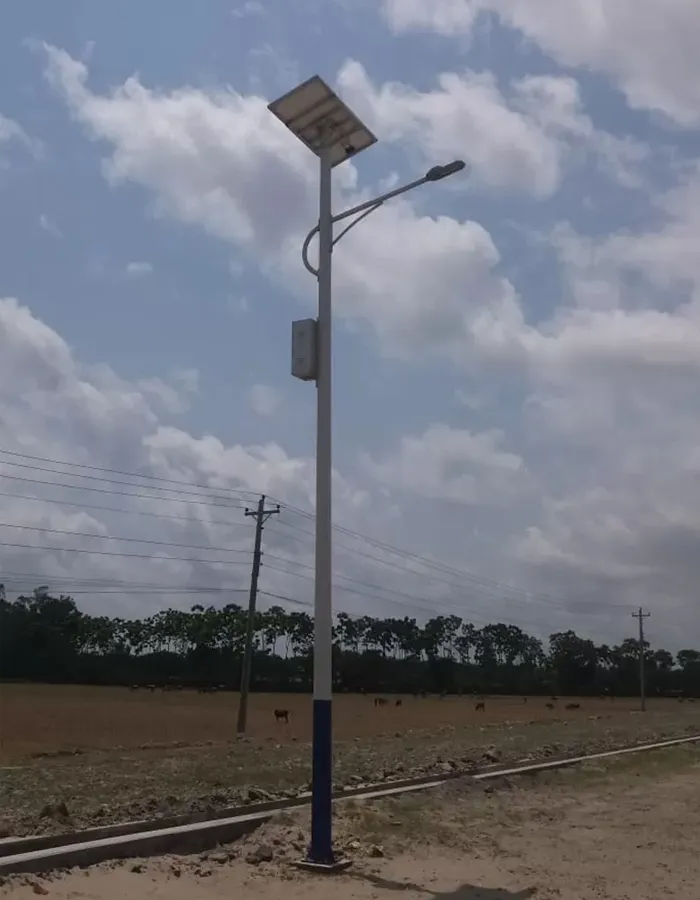
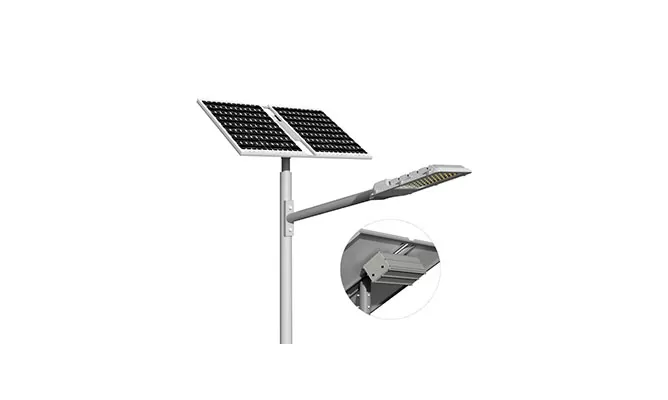
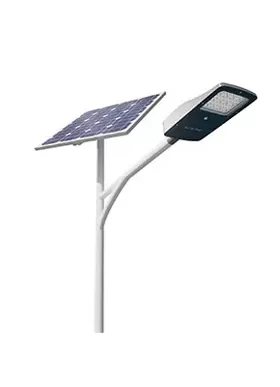
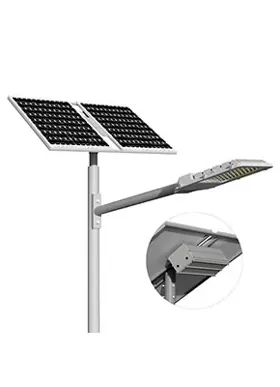
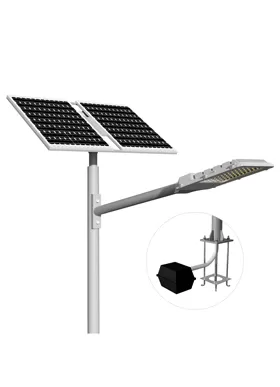
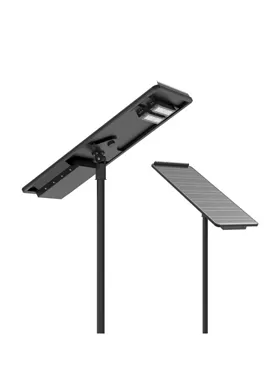
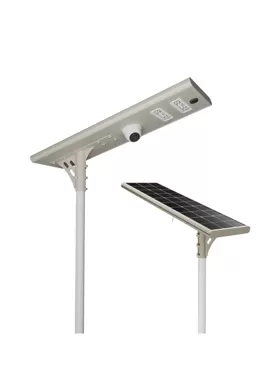
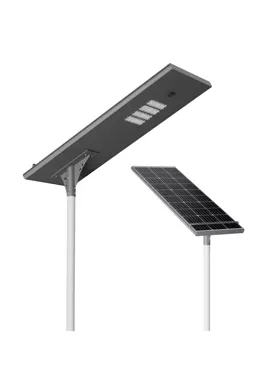
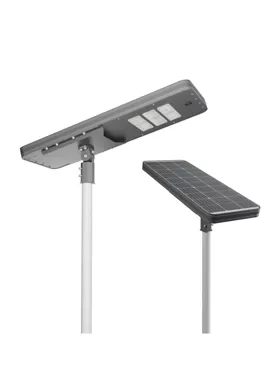
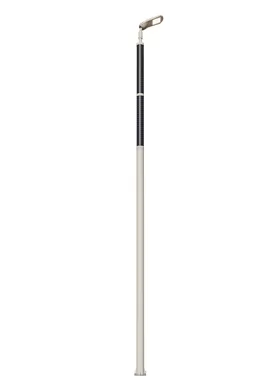
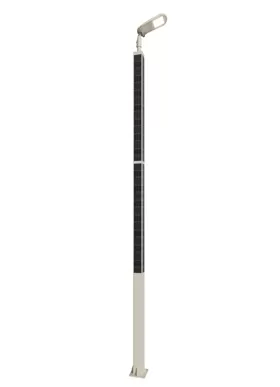
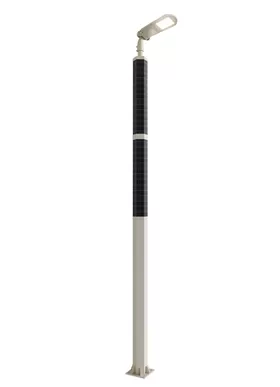
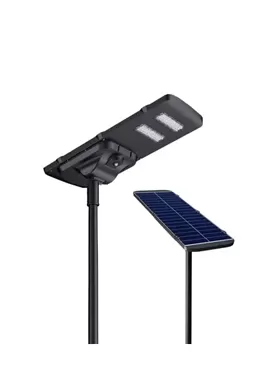
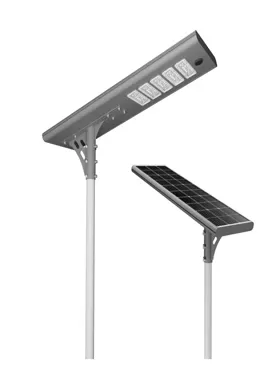
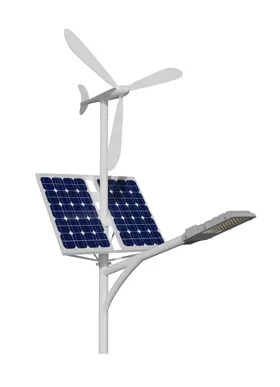
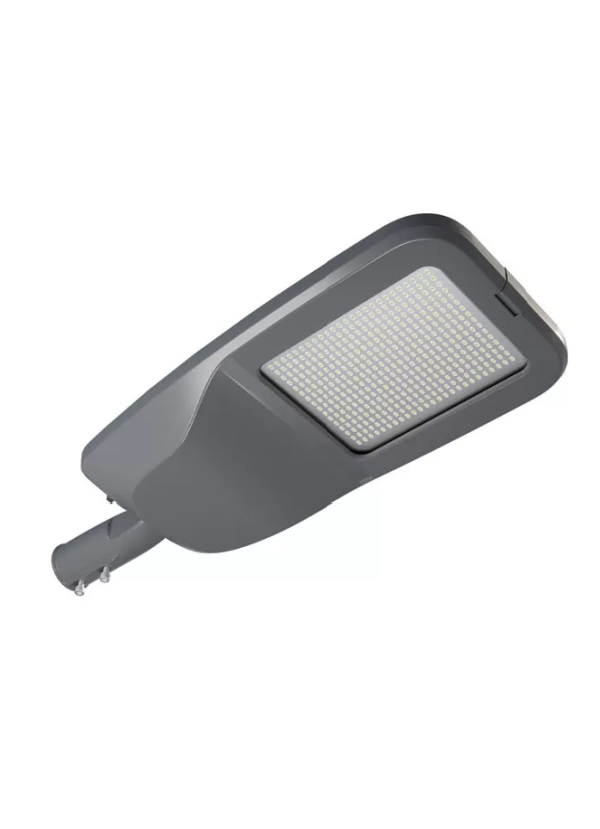
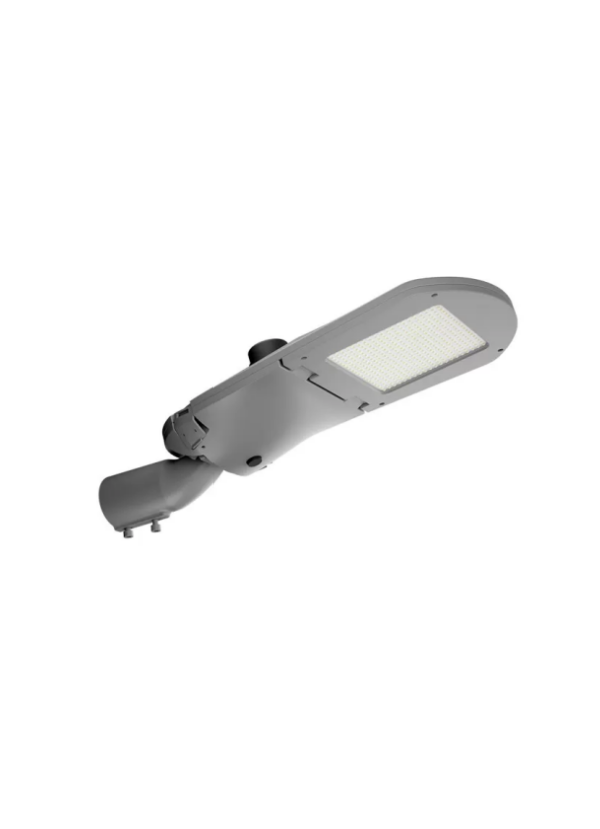
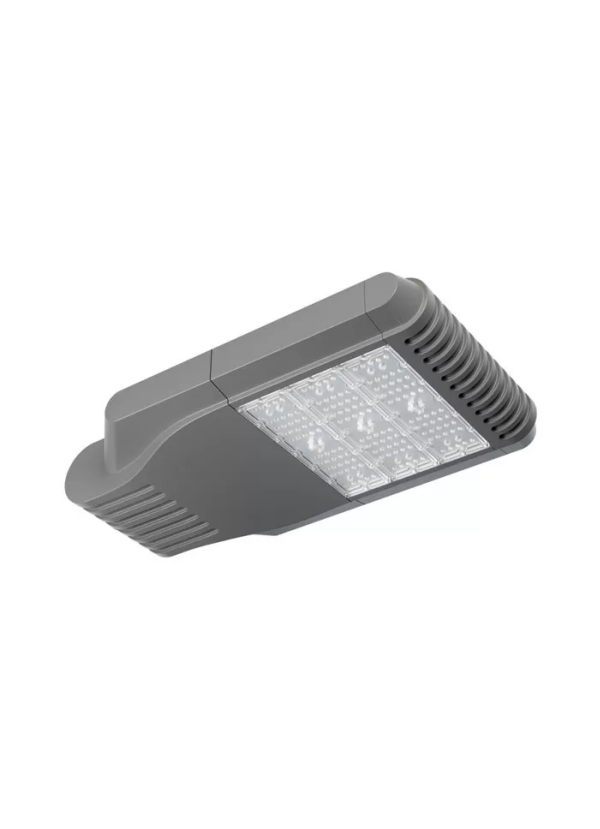
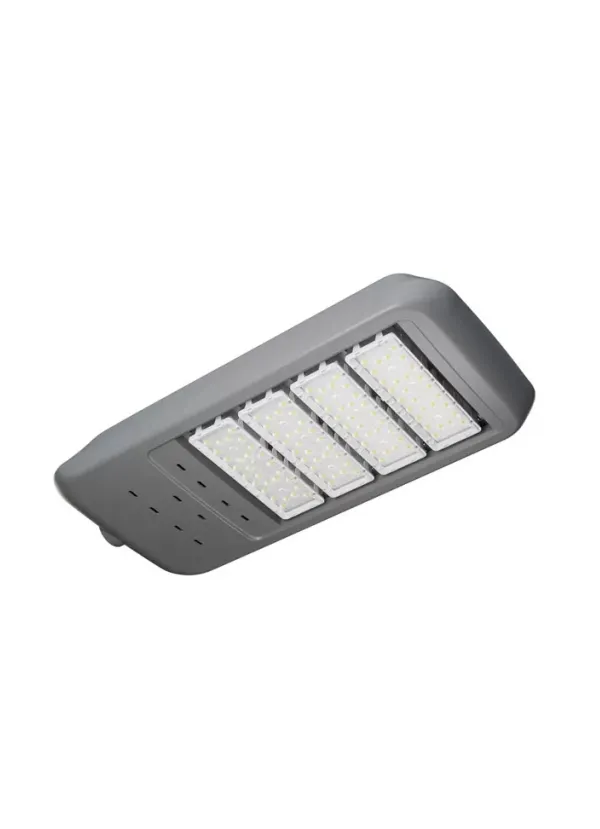
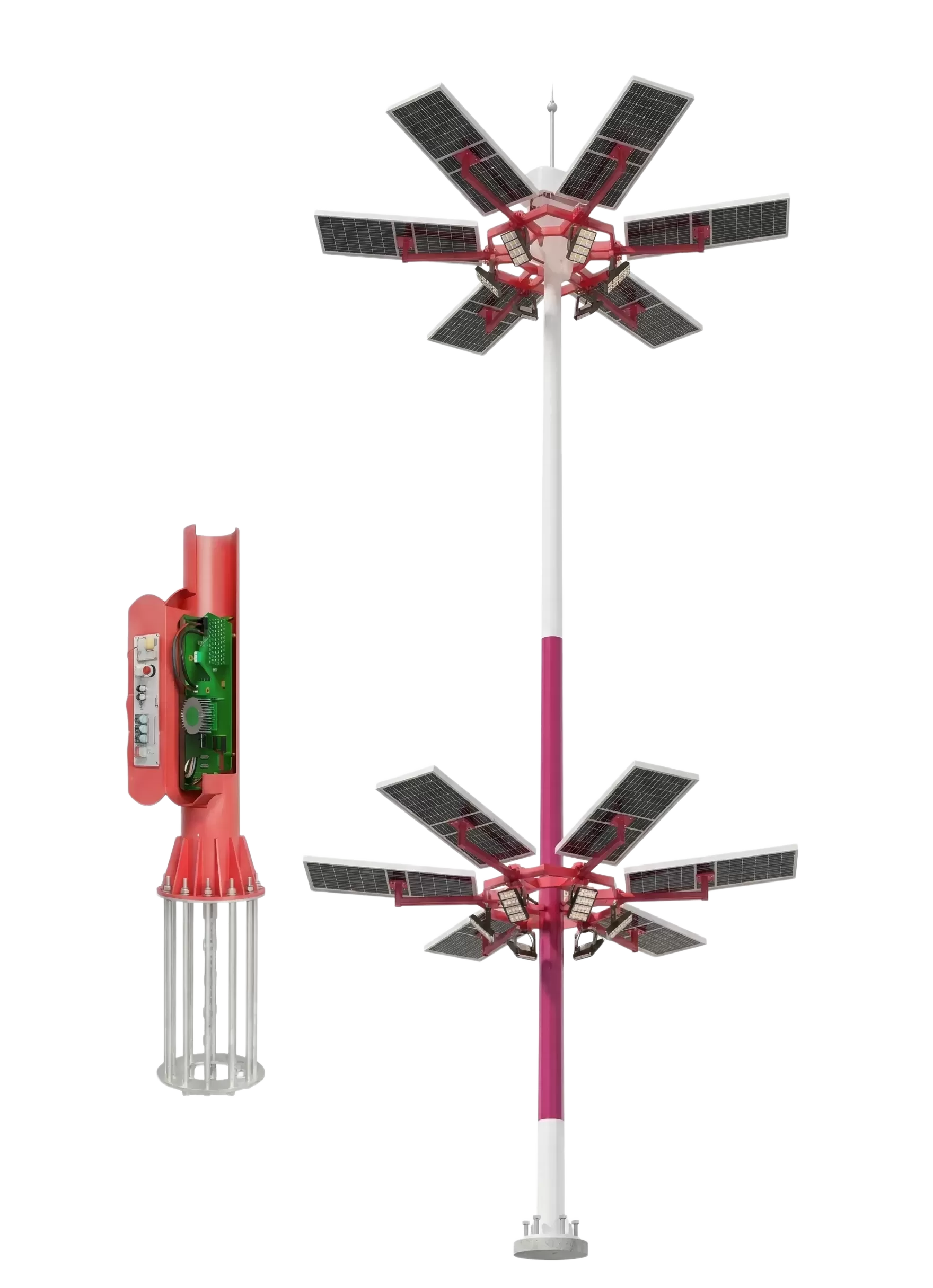
Split solar street lights are suitable for African regions with abundant sunlight but limited access to stable grid power. Because the solar panel and LED luminaire are installed separately, the panel can be positioned toward an area with stronger sunlight, while the luminaire height and angle can be adjusted according to road width, terrain and lighting requirements.
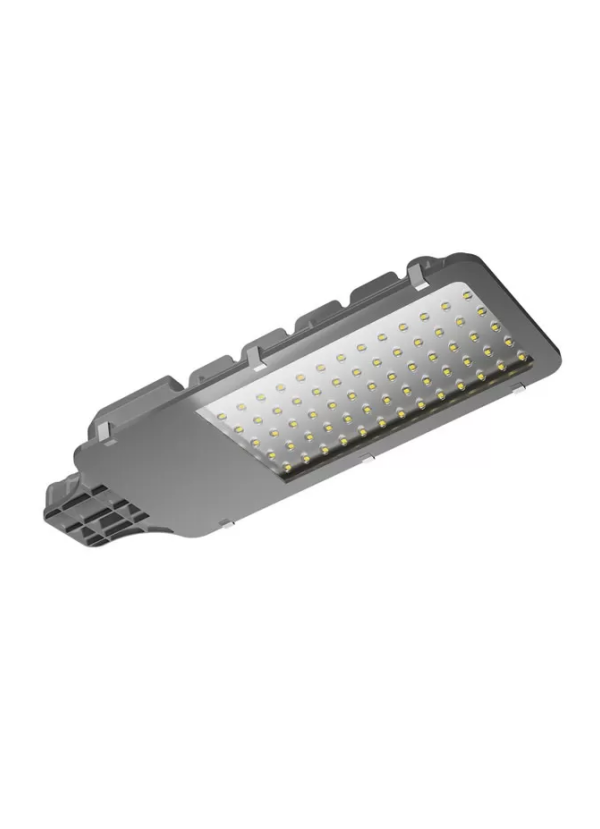
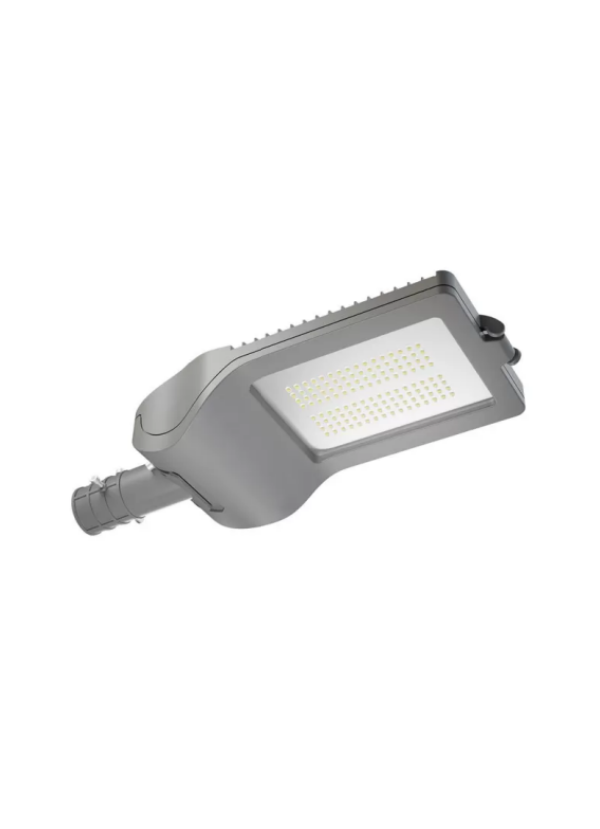
The systems use heat-resistant photovoltaic modules and dust- and water-resistant housings for areas affected by high temperatures, dust and changing outdoor conditions. Their off-grid design eliminates conventional underground cabling and ongoing grid-electricity consumption, making them suitable for remote roads and infrastructure projects where power extension would be difficult or expensive.
High-efficiency monocrystalline solar panels and LED light sources help improve solar-energy utilization. The existing page also states that the system can provide up to three days of regular lighting during unfavorable weather, supporting roads that require continued nighttime operation during cloudy or rainy periods.
These systems can be used for town roads in countries such as Kenya and rural roads in countries such as Nigeria. In addition to improving nighttime visibility, solar lighting can help extend evening activity and reduce the dependence of local infrastructure on limited electricity networks.



 English
  français
  Deutsch
  Español
  русский
  português
  العربية
  Afrikaans
  עברי
עברי  Latinae
  Pilipino