The price of a high mast lighting system cannot be determined by pole height alone. The steel grade, wind-load requirement, LED wattage, number of fixtures, lifting mechanism, foundation, electrical controls, and installation conditions all affect the final budget. A basic high mast pole and a complete ready-to-install lighting system may therefore have very different prices.
This guide explains the major factors affecting the high mast light price and helps project owners prepare the information required for an accurate quotation. All prices should be treated as project-specific because transportation, local construction costs, electrical standards, and site conditions vary by country.
How Much Does a High Mast Light Cost?
There is no single standard price of high mast light applicable to every project. A shorter fixed-head mast with several LED floodlights costs less than a 30- or 35-meter mast equipped with a motorized lowering system, control cabinet, and customized foundation design.
When comparing high mast suppliers, buyers should first confirm whether the quoted high mast price covers only the steel pole or the complete lighting system. Online listings may show a low high mast pole price but exclude LED luminaires, anchor bolts, cables, controls, sea freight, installation, and commissioning.
The total high mast light cost normally includes equipment purchasing, transportation, civil construction, electrical connection, lifting equipment, and on-site labor. For this reason, an equipment-only quotation should not be directly compared with an installed project quotation.
What Is Included in a Complete High Mast Lighting System Price?
A complete quotation may include the following components:
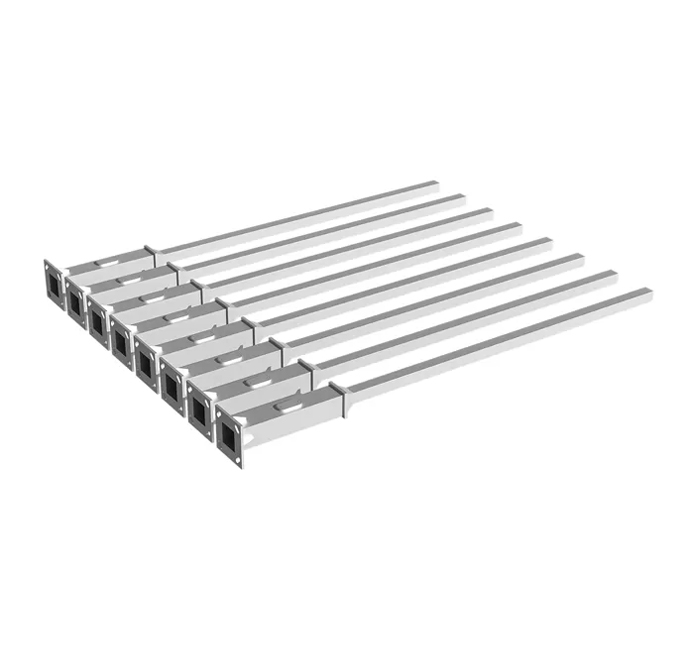
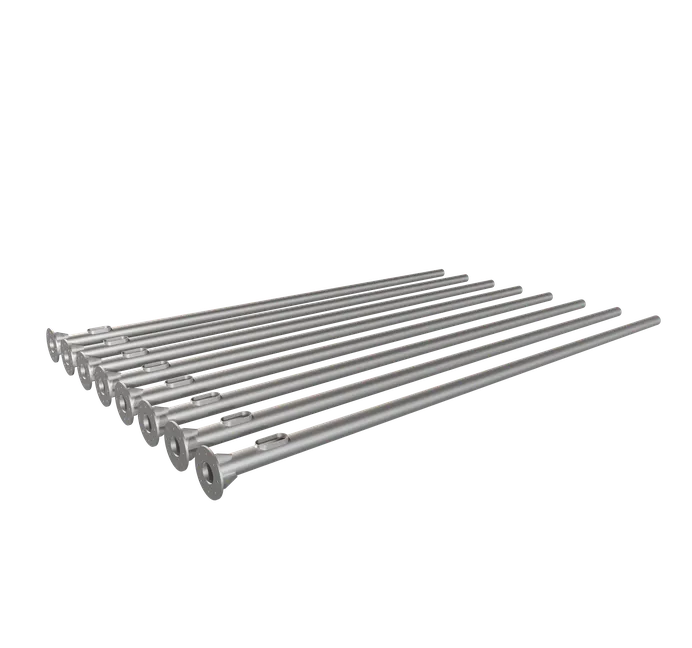
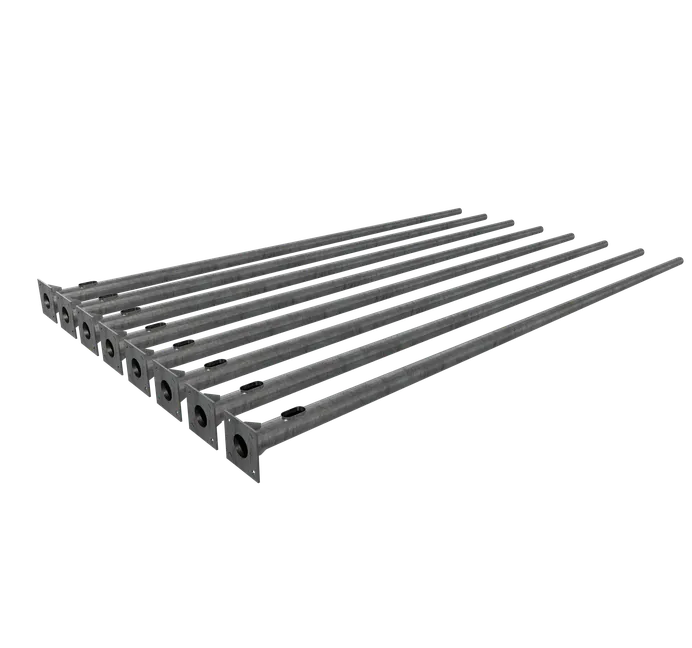
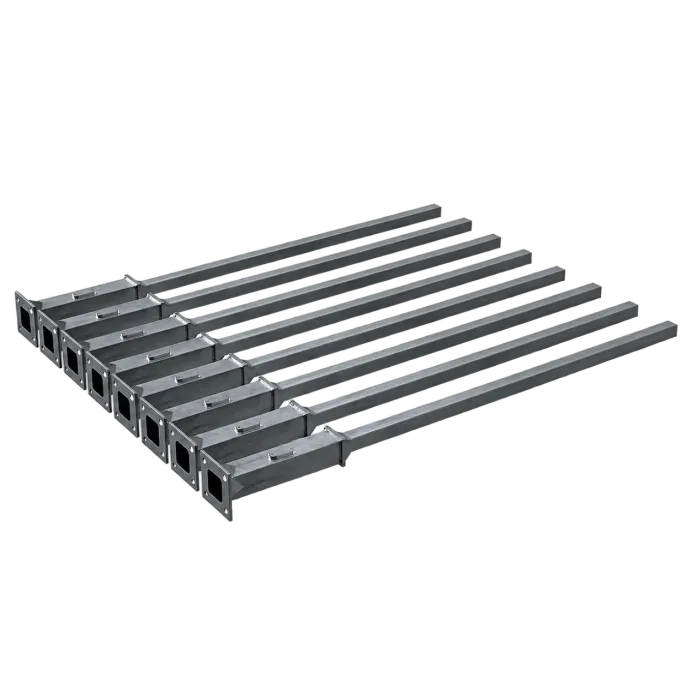
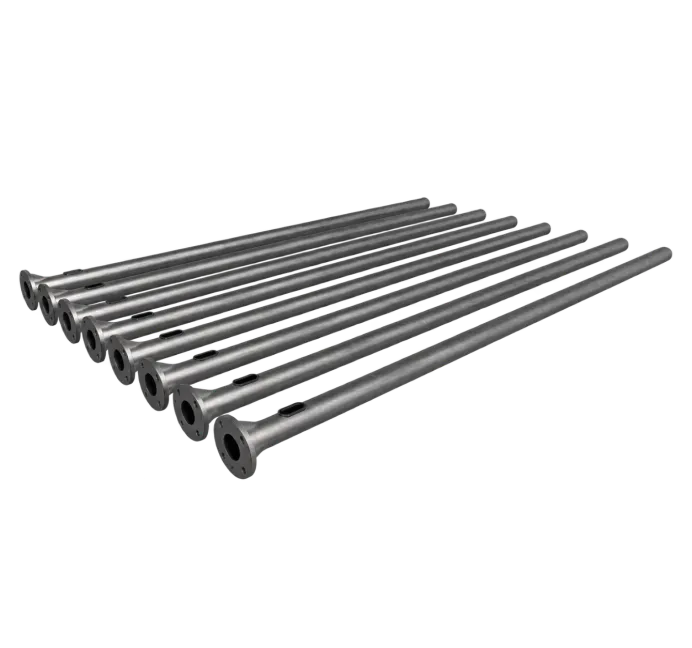
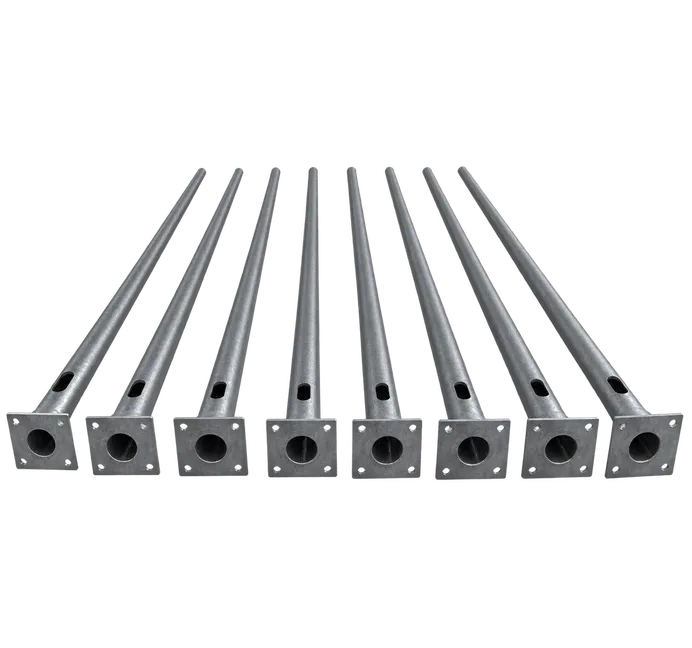
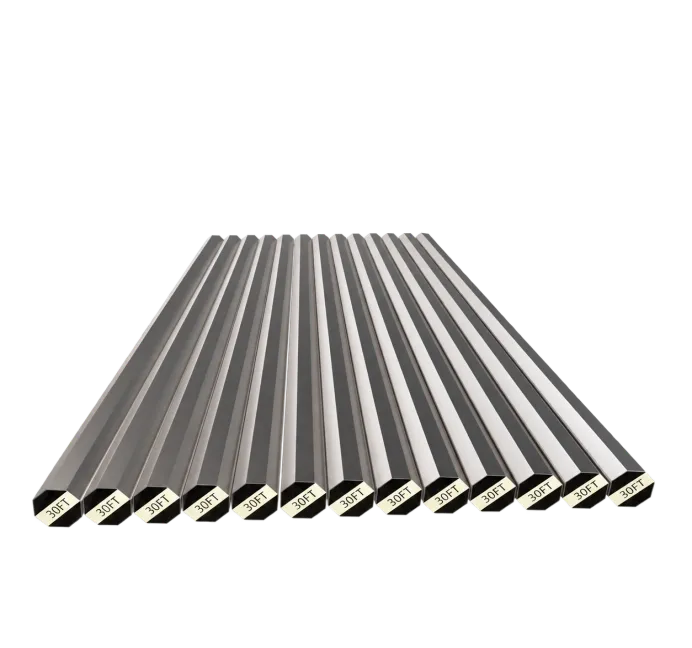
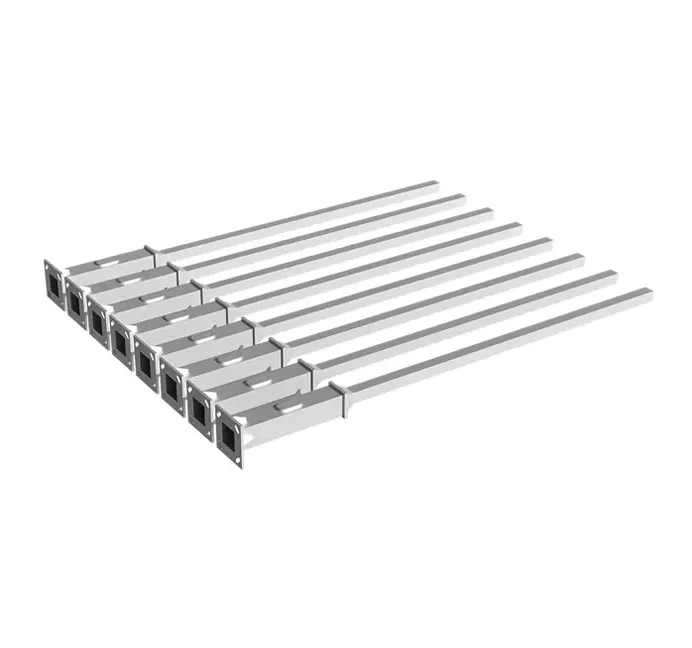
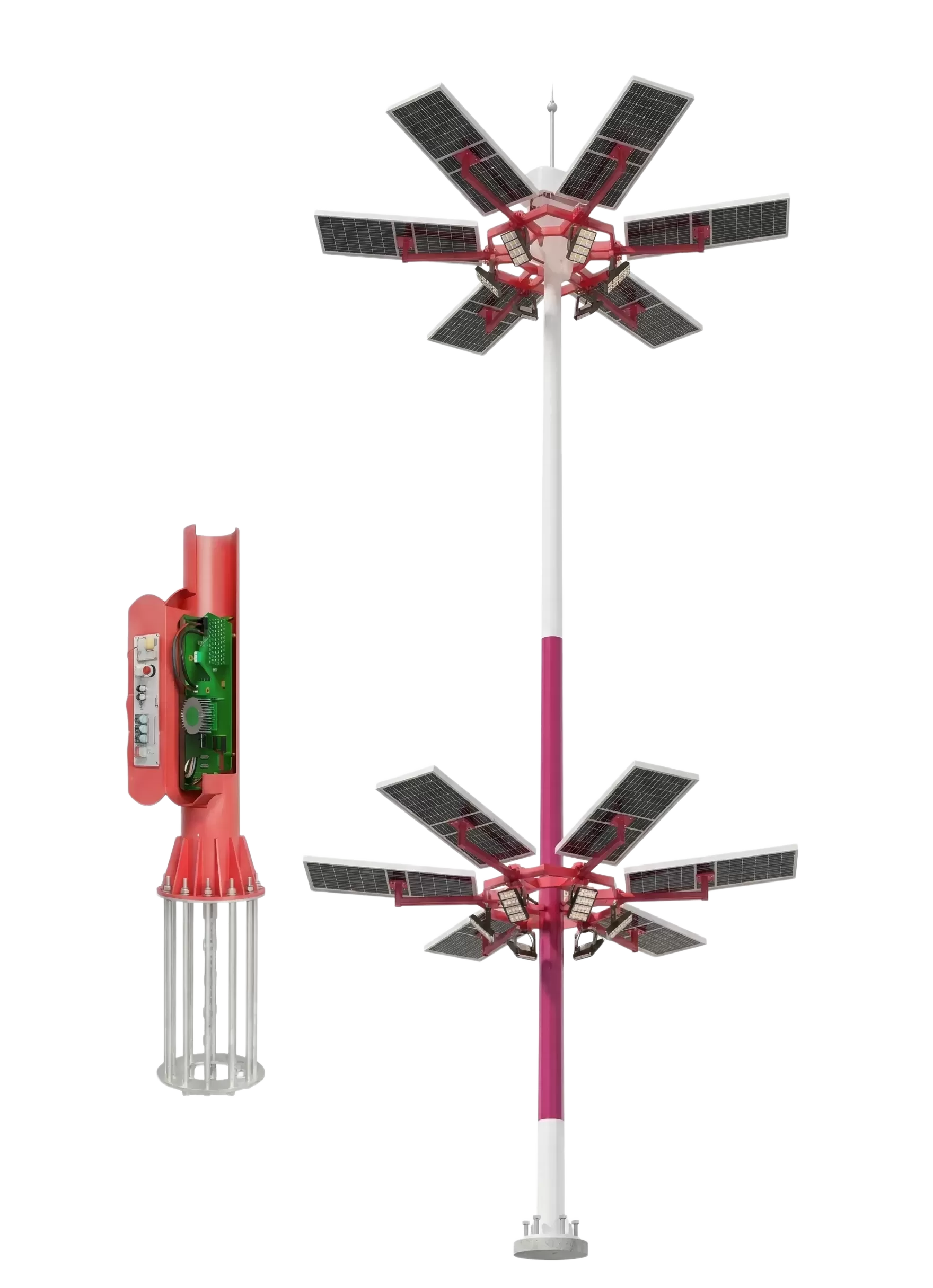
High mast pole: Tapered polygonal steel sections, flange plate, access door, and internal reinforcement.
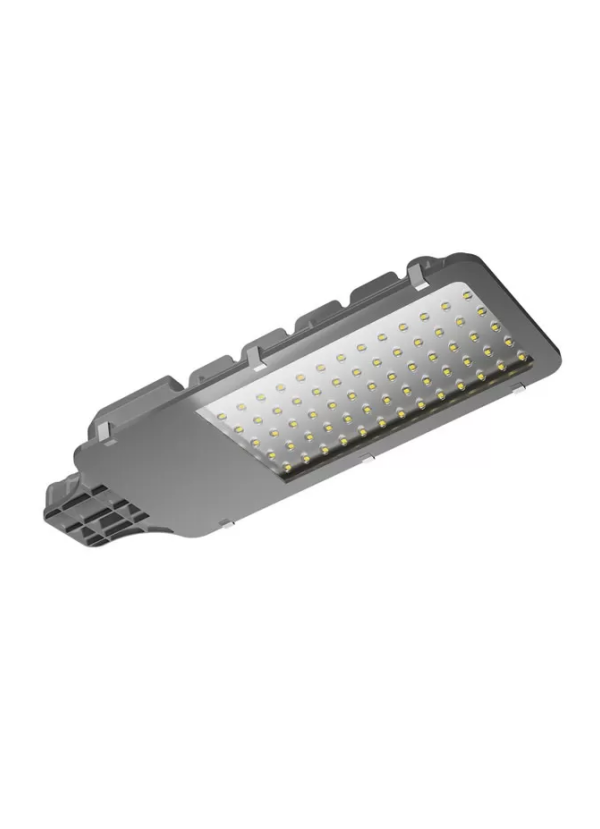
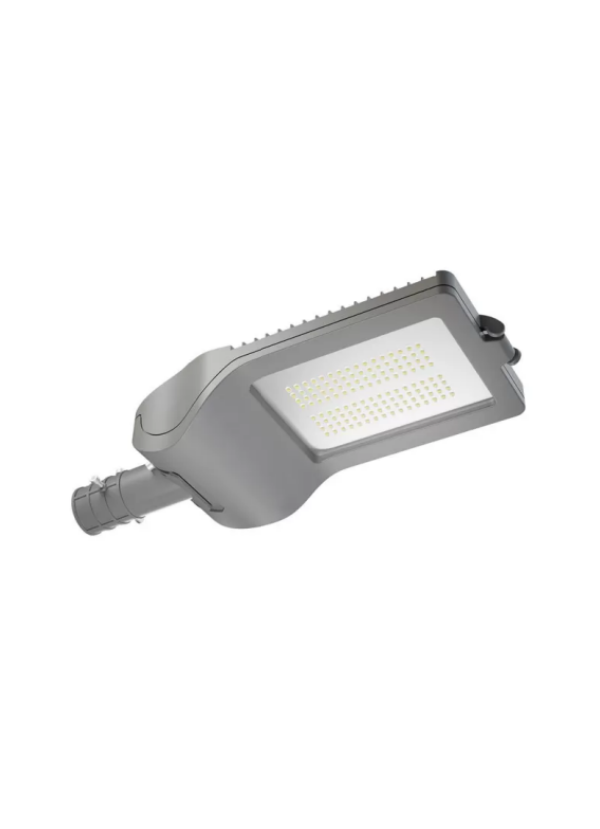
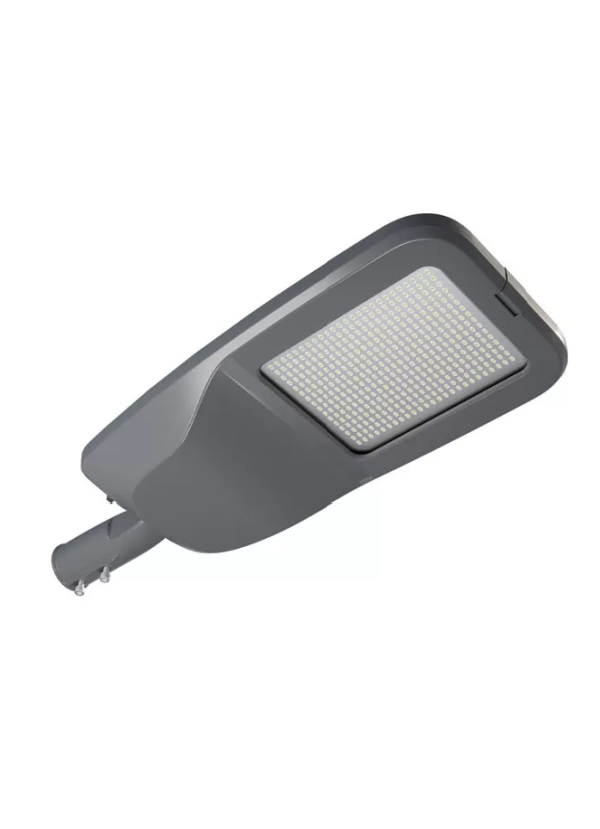
LED luminaires: High-power floodlights selected according to the required lux level and beam distribution.
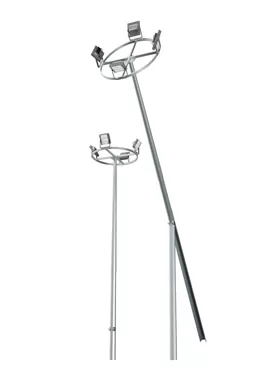
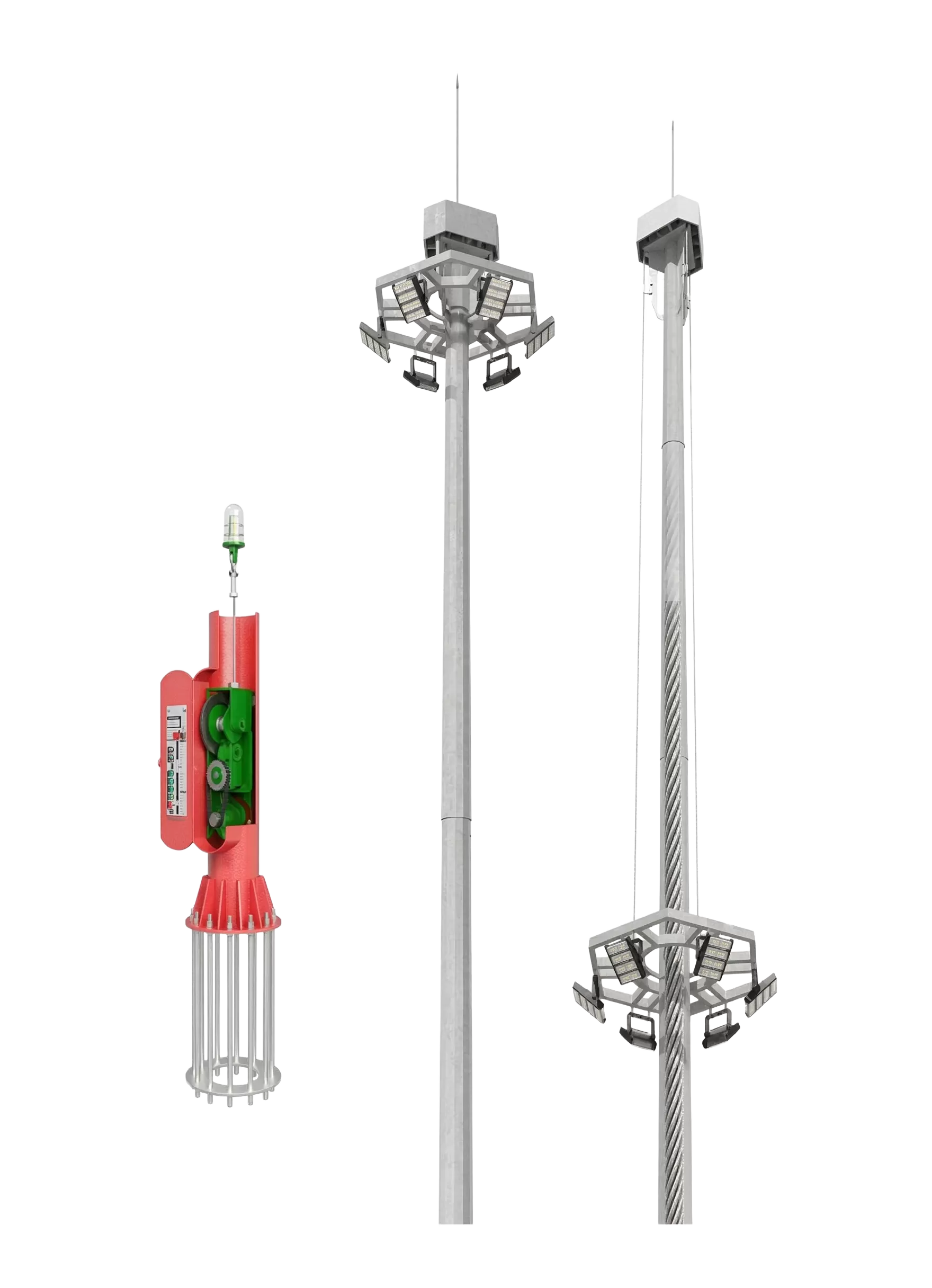
Headframe or luminaire ring: A fixed bracket or movable ring supporting multiple LED fixtures.
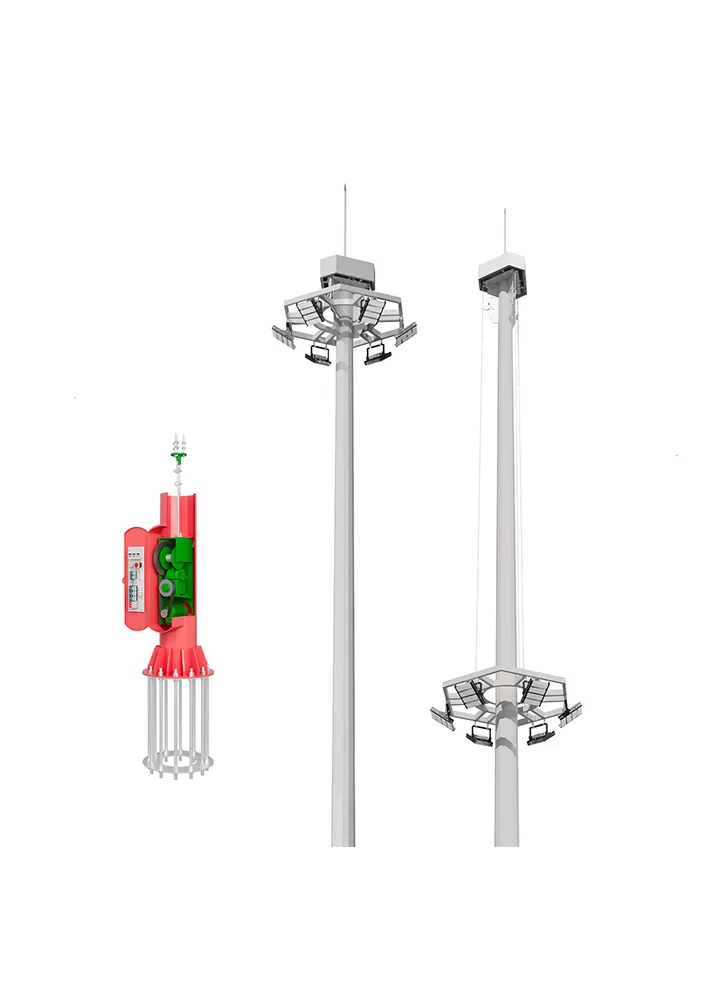
Lowering equipment: Winch, motor, wire ropes, pulleys, locking mechanism, and operating controls.
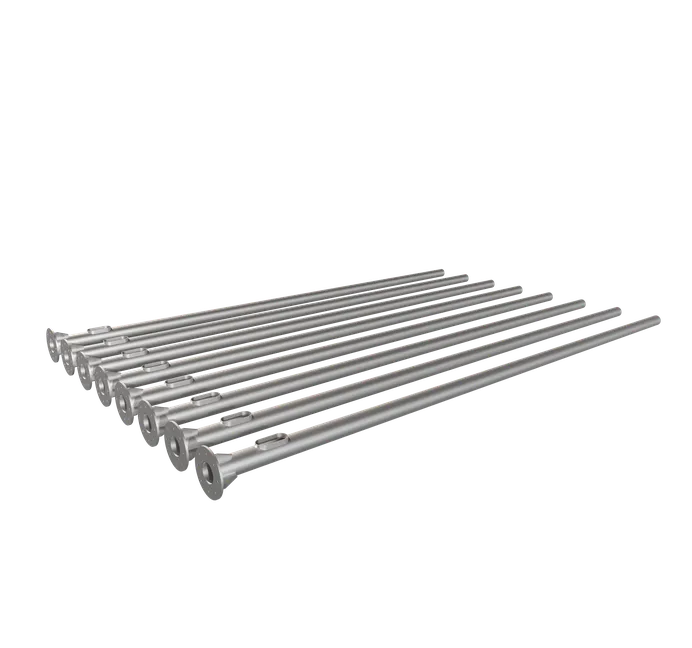
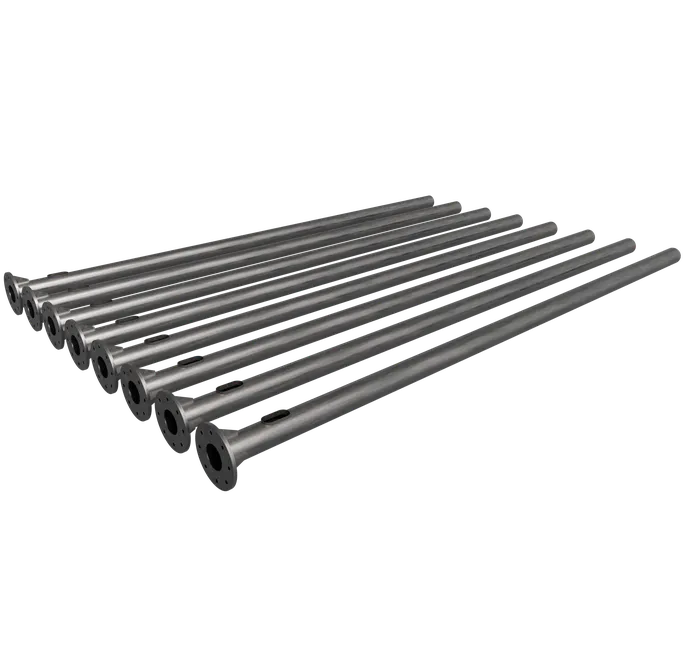
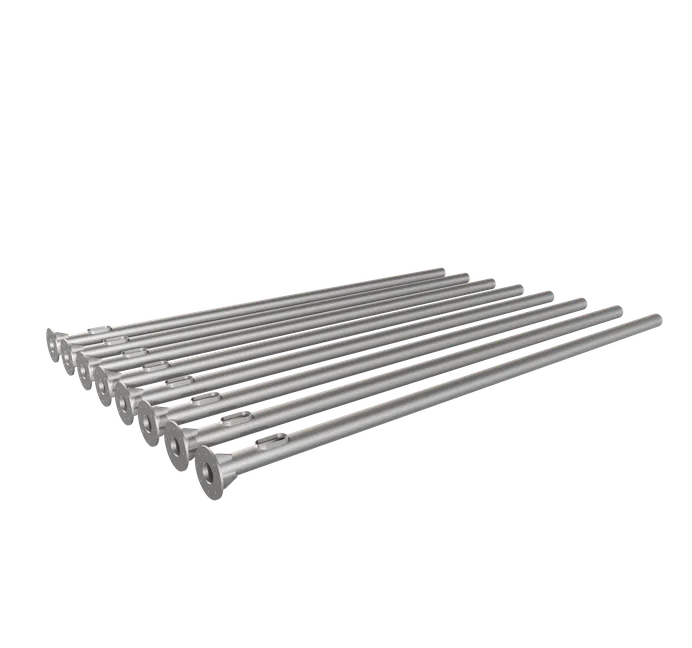
Foundation accessories: Anchor bolts, templates, and structural drawings.
Electrical equipment: Internal cables, junction boxes, control cabinet, surge protection, and switching devices.
Surface treatment: Hot-dip galvanizing and optional powder coating for corrosion protection.
Project services: Lighting design, structural calculation, packing, freight, installation supervision, and commissioning.
The high mast light pole price refers mainly to the structural pole, while the high mast light pole cost in a completed project may also include the foundation, transport, crane rental, and installation labor. Buyers should request an itemized quotation to understand exactly what is included.
High Mast Light Price by Pole Height: 18m, 20m, 25m, 30m, 35m, and 45m
High mast pole height affects steel consumption, wall thickness, section quantity, flange dimensions, anchor bolt size, and transportation requirements. As the height increases, the structural design generally becomes more demanding, especially in high-wind or coastal locations.
| Pole Height | Typical Applications | Relative Price Level | Main Cost Drivers |
|---|
| 18m | Parking lots, small squares, and industrial yards | Entry to medium | Basic pole structure, fewer pole sections, and moderate fixture quantity |
| 20m | Road junctions, logistics yards, and public areas | Medium | Larger foundation, increased steel weight, and optional lifting system |
| 25m | Ports, highways, storage yards, and sports facilities | Medium to high | Higher structural load, more luminaires, and stronger lowering equipment |
| 30m | Large interchanges, airports, ports, and stadium surroundings | High | Heavy pole sections, large foundation, lifting system, and high-output LED configuration |
| 35m | Major ports, airports, and expansive industrial sites | High to premium | Advanced wind-load design, heavy anchoring, and specialized installation equipment |
| 45m | Very large transport hubs and special infrastructure projects | Project-specific premium | Custom structural engineering, complex transportation, and large crane requirements |
Buyers frequently compare the 20 meter high mast pole price and 20 mtr high mast price when planning medium-sized road or industrial projects. A 25 meter high mast pole price is normally higher because of the additional steel, structural reinforcement, and installation requirements.
For large-area projects, the 30 meter high mast price, 30m high mast pole price, and 30 mtr high mast price depend heavily on the fixture ring, lowering mechanism, and local wind speed. The pole height may be the same, but two 30-meter systems can have substantially different specifications.
Some smaller projects also request a 16-meter system. The 16 meter high mast price, 16 mtr high mast price, and 16 meter high mast pole price are generally lower than equivalent 20-meter configurations, but the final selection should be based on photometric coverage rather than purchase price alone.
How LED Wattage, Fixture Quantity, and Optics Affect the Price
The luminaire configuration is another major factor in the led high mast light price. A mast carrying six 400W floodlights has different energy, structural, and control requirements from one carrying twelve 800W or 1000W fixtures.
Higher wattage does not automatically produce a better design. The fixture quantity, lumen output, optical distribution, mounting angle, and target surface must be evaluated together. Narrow-beam optics may be needed for long-distance projection, while wider or asymmetric optics may improve uniformity across parking areas and logistics yards.
The high mast led light price can also change according to LED chip quality, driver brand, surge protection, housing material, ingress protection, corrosion resistance, and dimming controls. Similarly, the led high mast light cost should be evaluated over the system’s service life, not only through the initial purchase price.
A buyer searching for a high mast led street light price should provide the target lux level and illuminated area. Without a lighting calculation, comparing only wattage may result in excessive power consumption, poor uniformity, or uncomfortable glare.
How Pole Material, Wind Load, and System Type Affect Cost
High mast poles are commonly produced from structural steel and protected by hot-dip galvanizing. The steel grade, plate thickness, and section dimensions are selected according to the mast height, equipment load, and design wind speed.
A project in a high-wind, coastal, or cyclone-prone region may require thicker steel plates, larger flange plates, stronger anchor bolts, and a more substantial concrete foundation. These changes increase the high mast light pole cost, but reducing structural specifications to obtain a lower quotation can create serious safety and service-life risks.
The high mast lamp price may also be affected by:
Galvanizing thickness and optional powder-coated finish
Round, conical, or polygonal pole construction
Number and length of pole sections
Internal or external cable routing
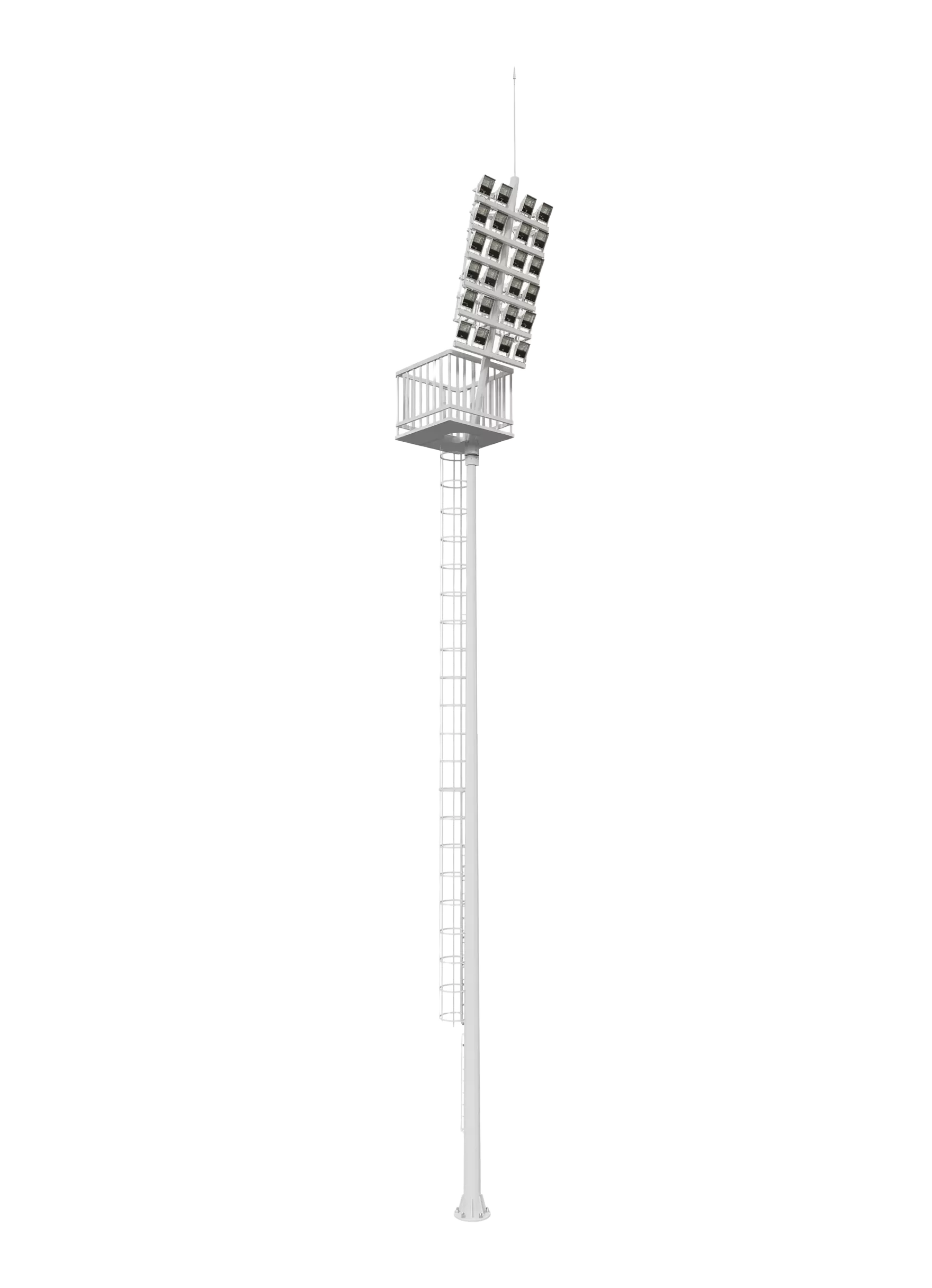
Fixed ring, lowering ring, or maintenance platform
Custom foundation and anchor bolt engineering
Required design standards and inspection documents
How Fixed, Lifting-System, and Solar High Mast Prices Differ
Fixed High Mast Lighting
A fixed-head system usually has the lowest initial equipment cost because it does not require a winch, wire ropes, pulleys, or motorized controls. However, maintenance may require an aerial work platform or crane, which can increase long-term servicing expenses.
High Mast with Lifting System
A lowering system costs more initially but allows the luminaire ring to be brought to ground level. This can simplify inspection, cleaning, and fixture replacement, particularly at highways, airports, ports, and restricted industrial sites.
Solar High Mast Lighting
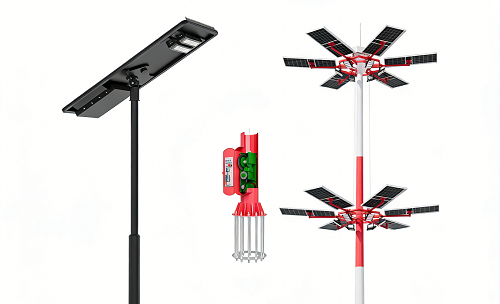
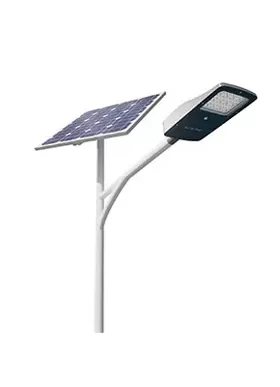
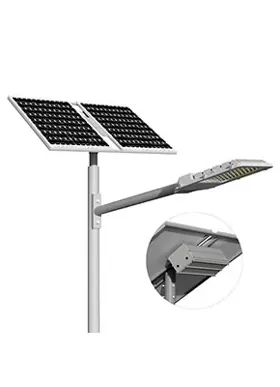
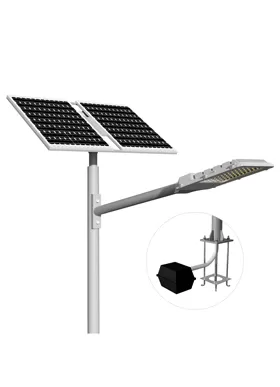
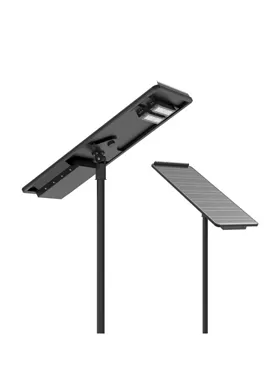
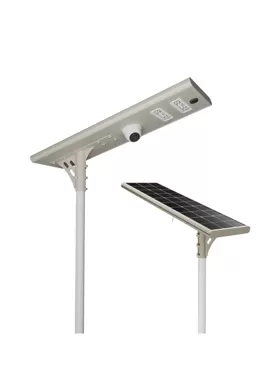
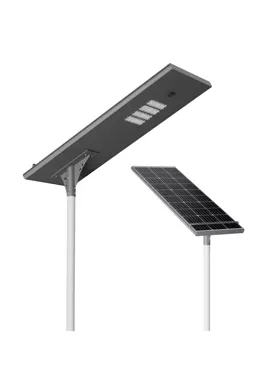
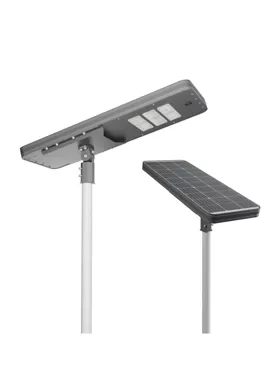
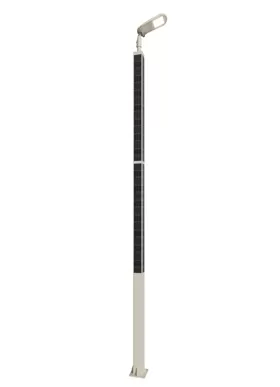
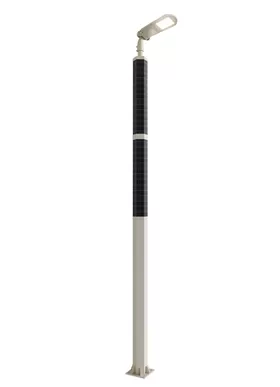
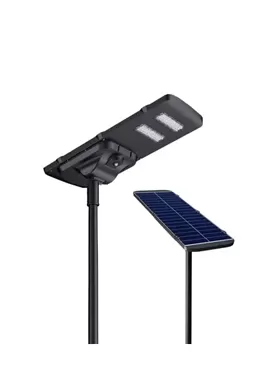
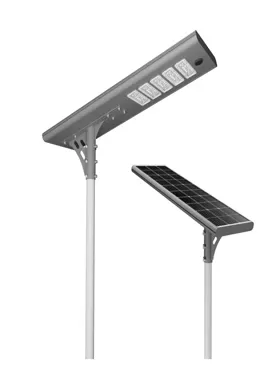
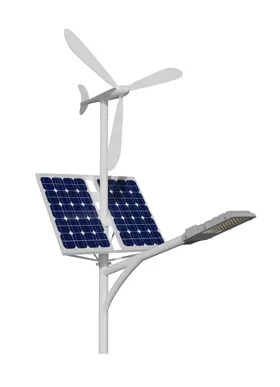
The solar high mast light price is normally higher than the price of a comparable grid-powered system because it includes photovoltaic modules, batteries, charge controllers, panel structures, and additional electrical protection. Battery capacity must be calculated according to LED power, nightly operating hours, local solar radiation, and required backup days.
A solar quotation should state the panel wattage, battery chemistry, battery capacity, control strategy, and expected operating profile. An unusually low quotation may be based on shorter lighting hours, aggressive dimming, or insufficient backup capacity.
What Project Information Is Needed for an Accurate Quote?
PHB Lighting prepares high mast configurations according to actual project requirements. To calculate the cost of high mast light accurately, buyers should provide:
Project location and application
Site dimensions or layout drawing
Required pole height
Target average and minimum lux levels
Preferred LED wattage or fixture quantity
Local maximum wind speed
Grid-powered or solar energy supply
Fixed, ladder-access, or lifting-system design
Required operating hours and control method
Soil report or foundation information, when available
Destination port and required delivery schedule
Providing these details helps the manufacturer complete photometric calculations, structural design, and equipment selection. It also makes quotations from different suppliers easier to compare on an equivalent technical basis.
Frequently Asked Questions About High Mast Light Cost
Why do high mast light quotations vary so much?
Quotations may cover different scopes. One supplier may quote only the pole, while another includes luminaires, a lowering system, anchor bolts, controls, freight, and installation support. Compare the specifications and inclusions rather than the total amount alone.
Is the high mast pole usually the most expensive component?
Not always. In a basic fixed system, the pole may represent a large part of the equipment budget. In a high-output or solar system, LED fixtures, batteries, solar panels, or the lowering mechanism may account for a substantial share.
Does a taller pole always provide better value?
No. A taller pole increases coverage but also increases steel weight, wind load, foundation size, and installation complexity. The most economical height is the one that meets the required lux and uniformity with an efficient fixture layout.
How can buyers compare high mast LED light quotations?
Compare pole height, steel grade, plate thickness, galvanizing, wind rating, fixture wattage, lumen output, optics, driver brand, surge protection, lifting equipment, warranty, and included services.
Does installation form part of the quoted high mast light price?
It depends on the quotation. International factory quotations often exclude local foundation construction, crane rental, cable trenching, and electrical connection. Ask the supplier to identify equipment, freight, and installation costs separately.
How can a project reduce high mast lighting costs safely?
Use photometric design to optimize pole quantity, fixture wattage, and optical distribution. Standardizing pole heights, planning foundations early, and selecting an appropriate maintenance system can reduce unnecessary costs without lowering structural safety or lighting performance.
Conclusion
A reliable high mast lighting budget must consider more than the pole height. LED output, fixture quantity, optics, structural steel, wind resistance, corrosion protection, lowering equipment, solar storage, foundation work, and transportation all influence the final cost.
To obtain an accurate quotation, provide PHB Lighting with the project layout, required lux level, location, wind speed, power source, and preferred maintenance method. A detailed, itemized proposal makes it easier to compare the actual value, safety, and long-term operating cost of each high mast lighting solution.

 English
  français
  Deutsch
  Español
  русский
  português
  العربية
  Afrikaans
  עברי
עברי  Latinae
  Pilipino