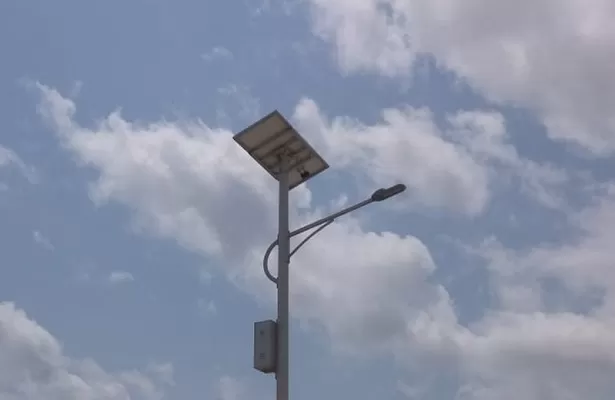
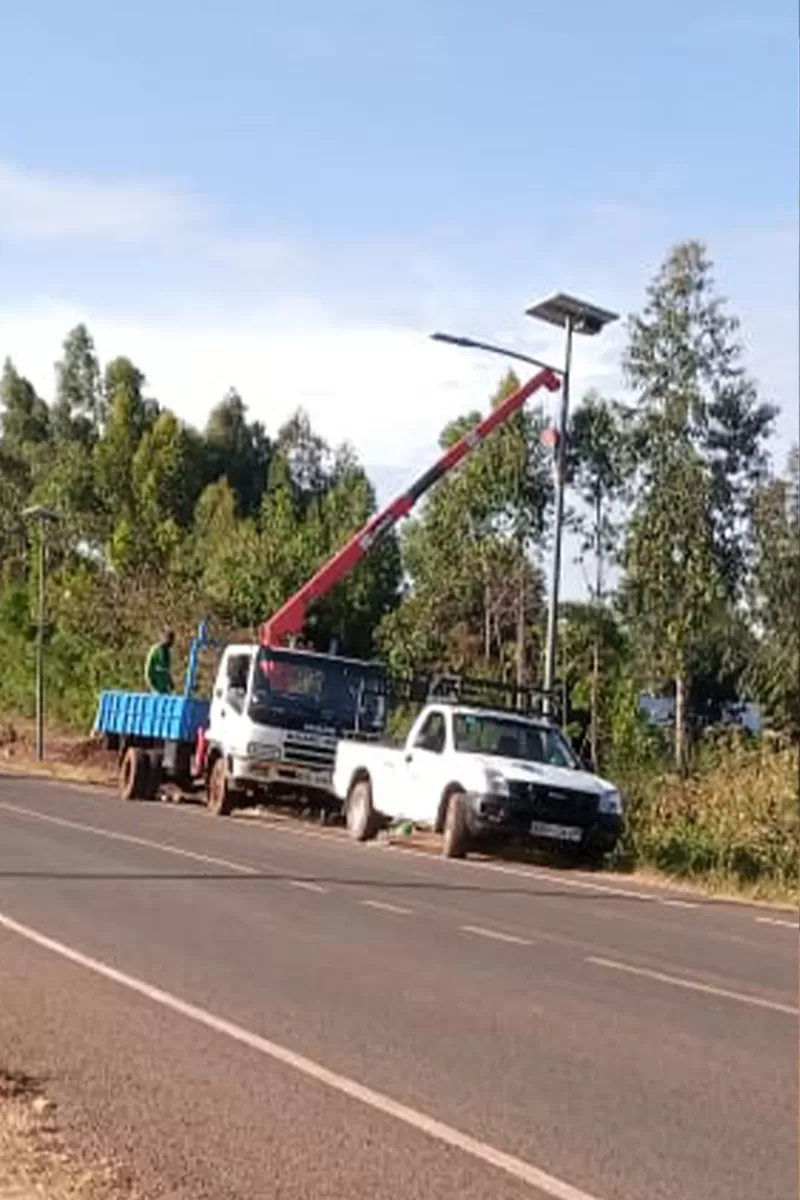
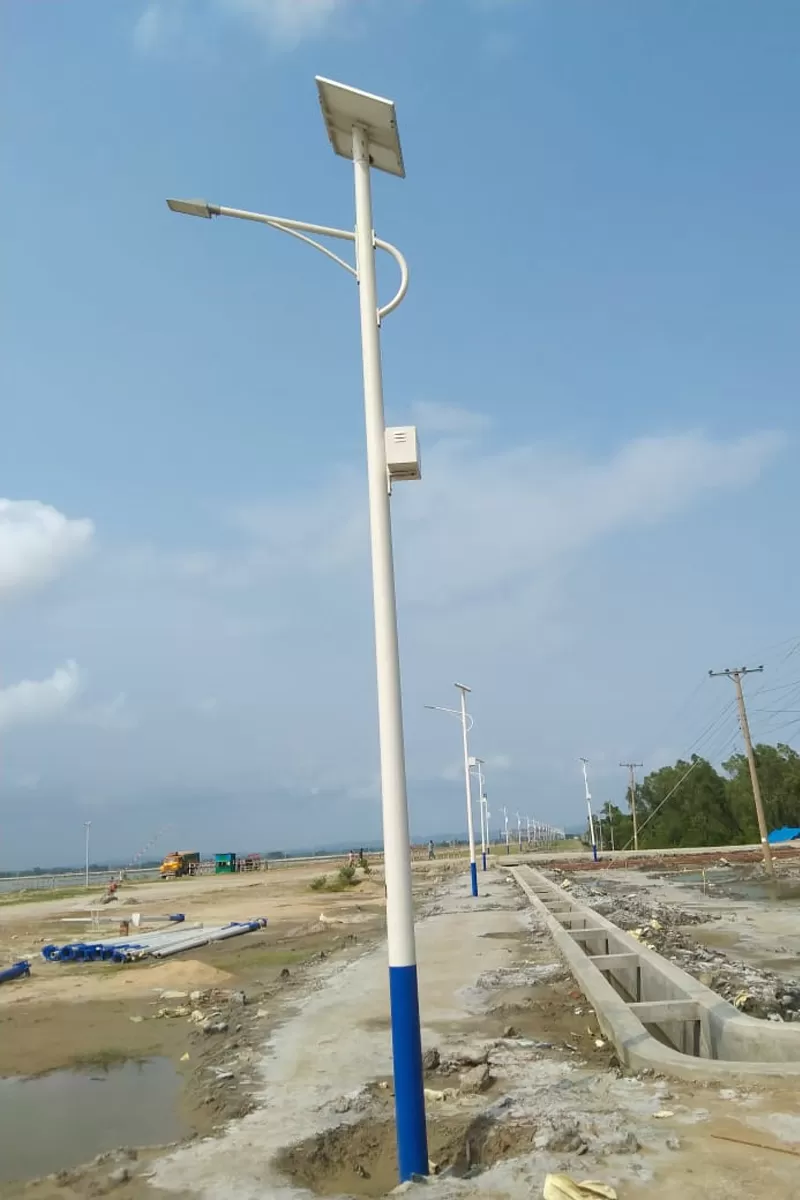
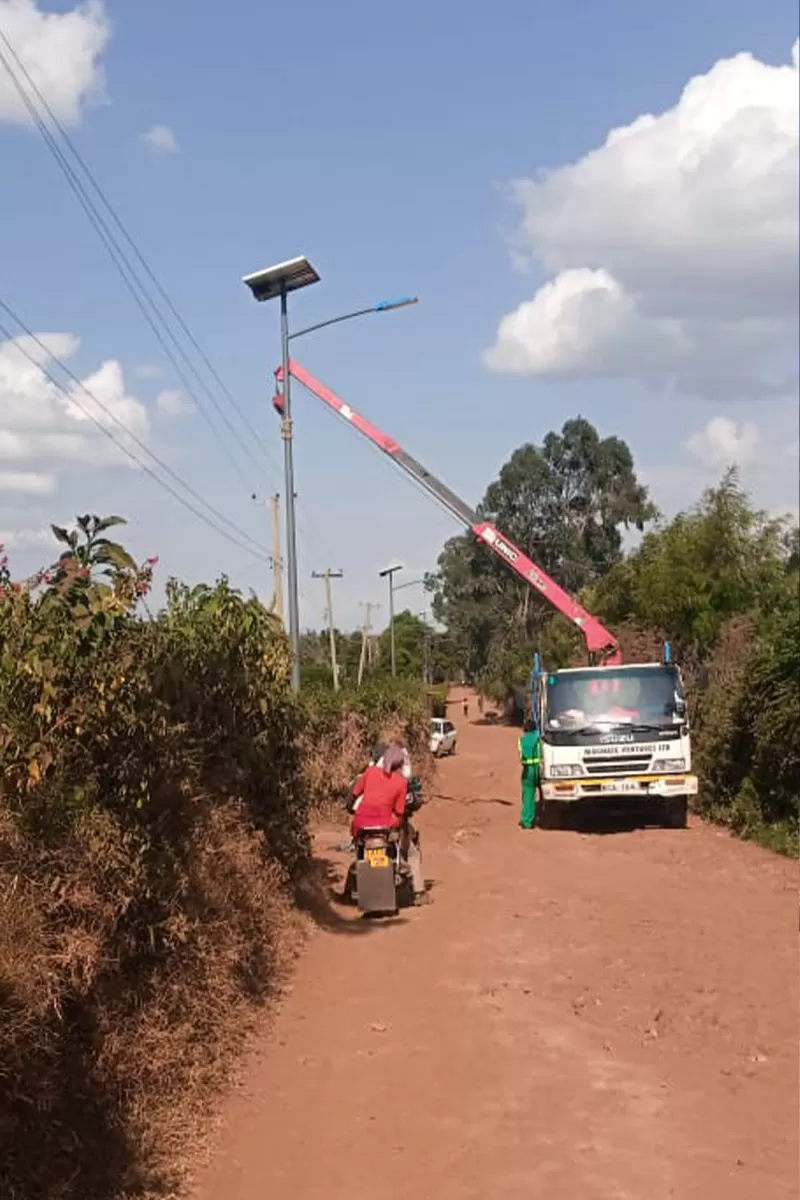
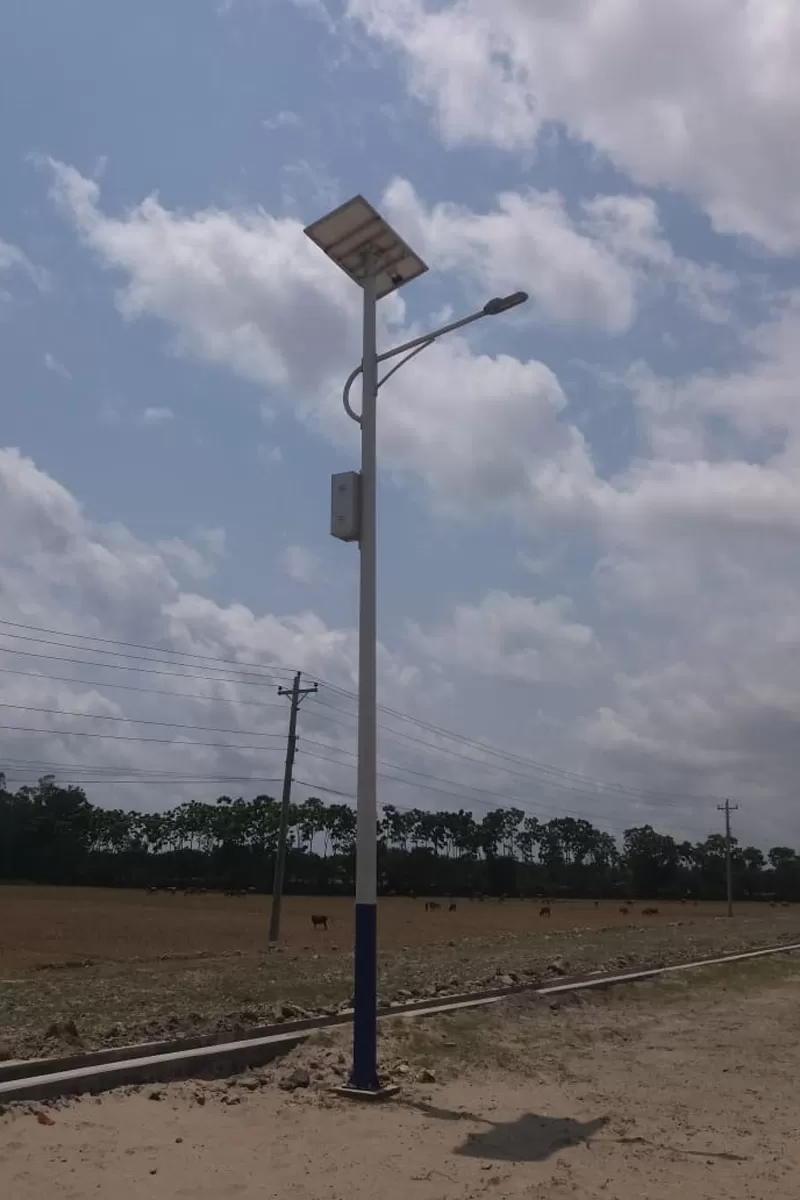
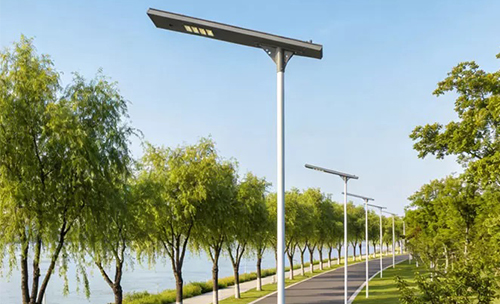
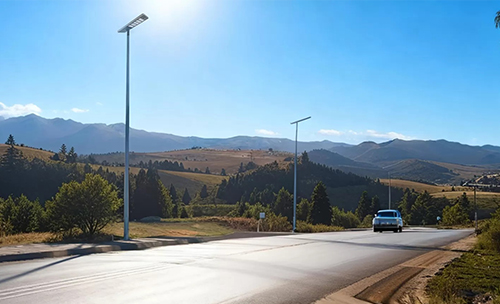
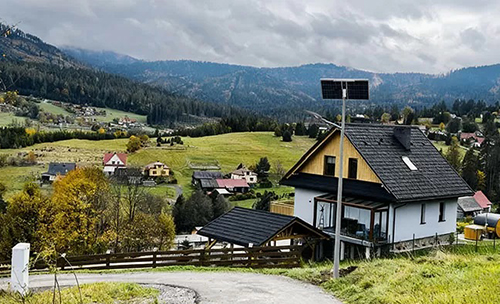
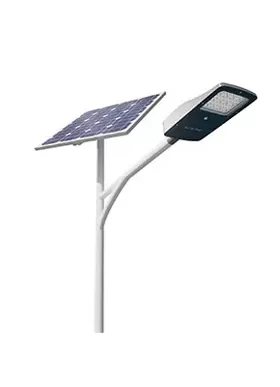
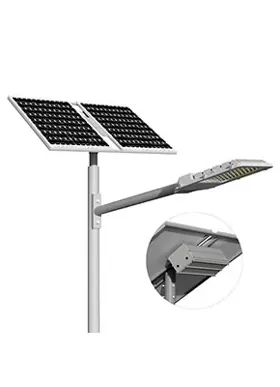
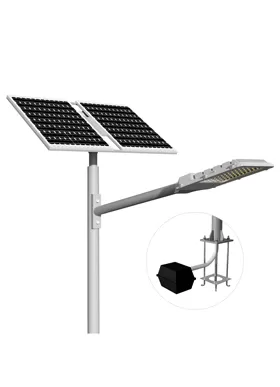
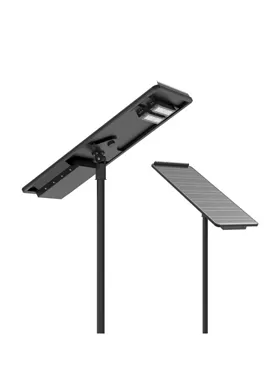
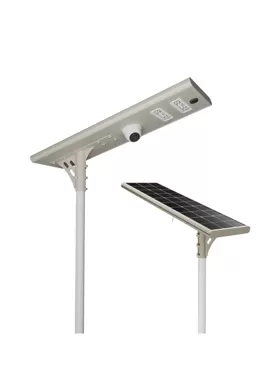
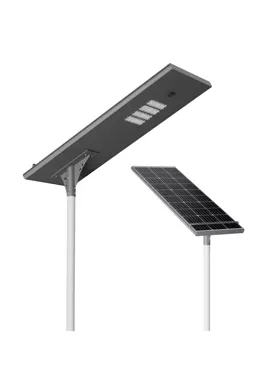
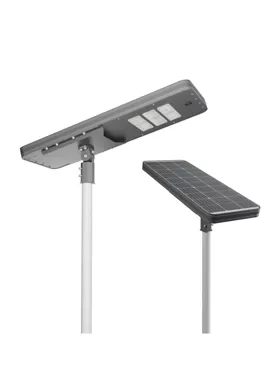
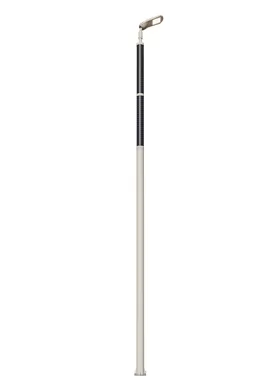
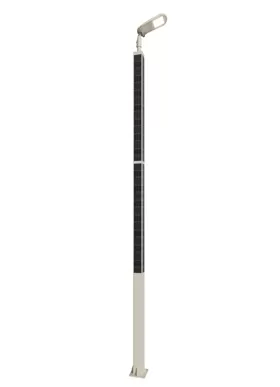
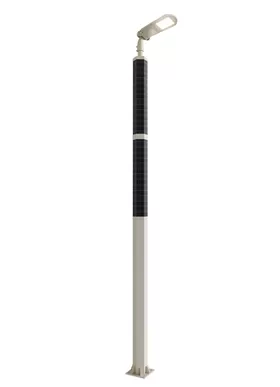
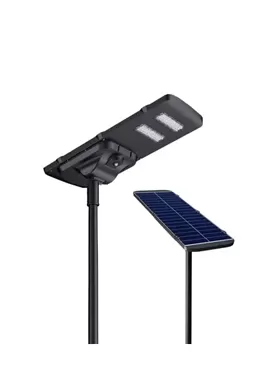
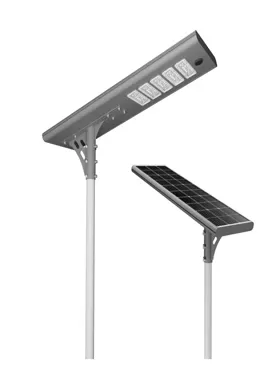
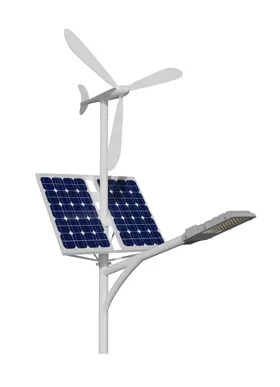
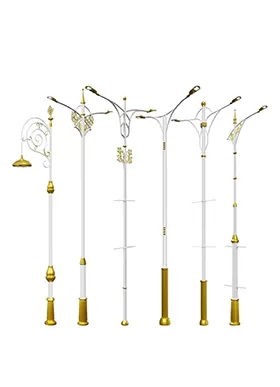
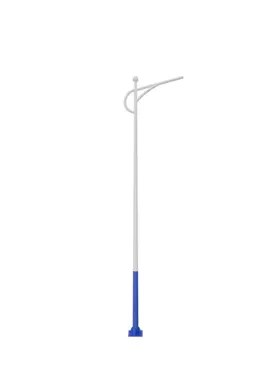
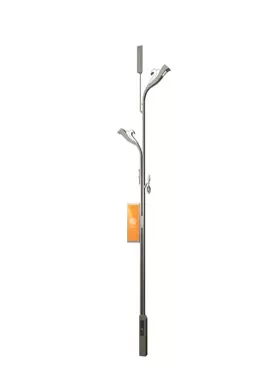
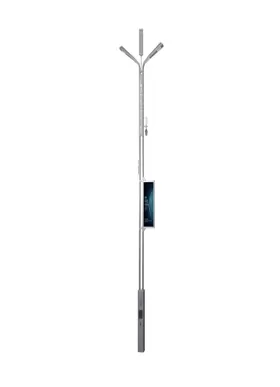
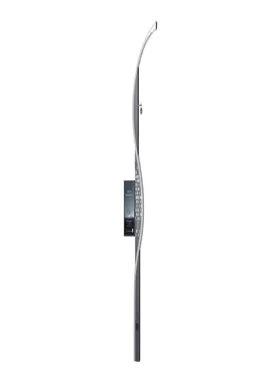
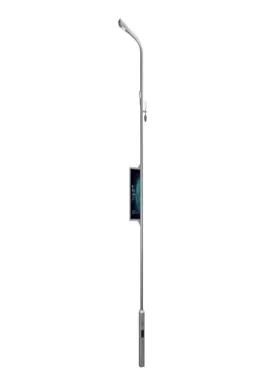
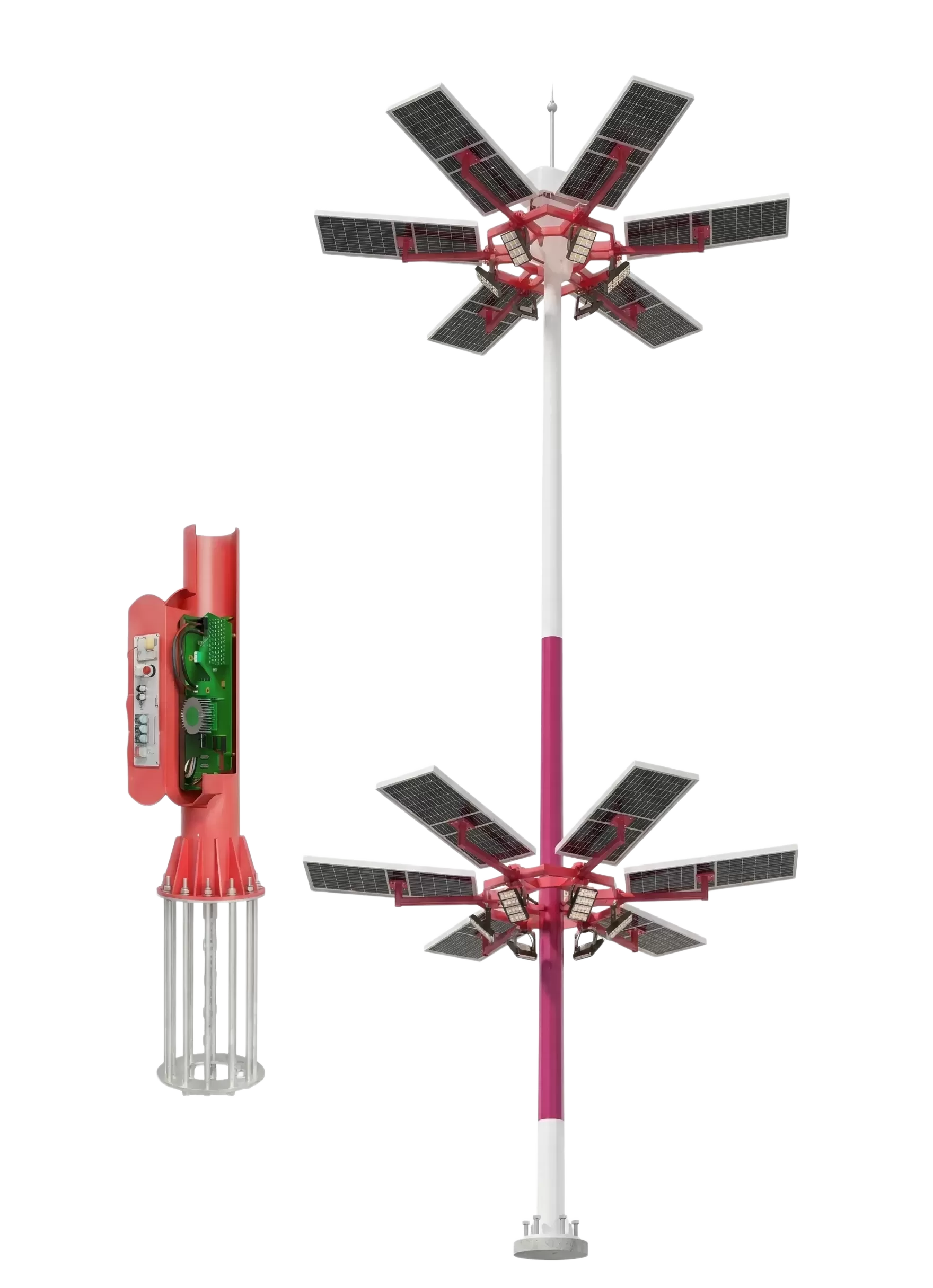
Africa has abundant sunlight but limited power grid coverage, making split solar street lights ideally suited. Separately installing the solar panels and lamp allows for flexible selection of high-light locations for improved power generation efficiency, while also allowing for adjustment of lamp height and angle to suit road conditions, perfectly adapting to Africa's diverse terrain. To combat the high temperatures and dusty conditions experienced in some regions, these products utilize heat-resistant photovoltaic modules and a dust- and waterproof housing, resulting in a failure rate over 60% lower than traditional street lights, significantly reducing ongoing maintenance costs.
Split solar street lights eliminate the need for cabling and electricity costs when compared to conventional grid-connected street lights. With a lifespan of more than ten years and a typical payback period of two to three years, they are very appealing to African nations that are under a lot of financial strain.
Their energy-saving qualities also help Africa meet its sustainable development needs. Comparing these devices to conventional solar street lights, the high photoelectric conversion efficiency of the LED light sources and high-efficiency monocrystalline silicon photovoltaic panels results in a 20% increase in light consumption. They also guarantee three days of regular lighting, even during inclement weather. By lowering carbon emissions by about 120 kilograms per year, each street light helps to meet local environmental objectives and eases Africa's energy shortage. These street lights are a high-value option for improving Africa's infrastructure because they not only light the way at night but also lower security risks and prolong the time for business activities, whether they are installed on main roads in Kenyan towns or rural roads in Nigeria.


 English
  français
  Deutsch
  Español
  русский
  português
  العربية
  Afrikaans
  עברי
עברי  Latinae
  Pilipino