English
  français
  Deutsch
  Español
  русский
  português
  العربية
  Afrikaans
  עברי
עברי  Latinae
  Pilipino
Tel:
+86-13805254640
Sensors, wireless communication modules, and cloud platforms are linked together through IoT technology to achieve intelligent management and multi-functional expansion.

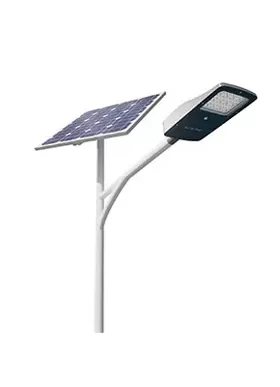
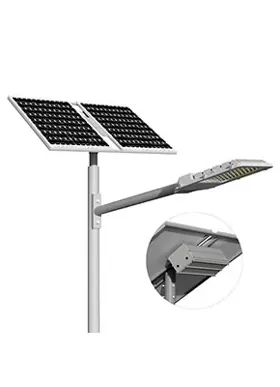
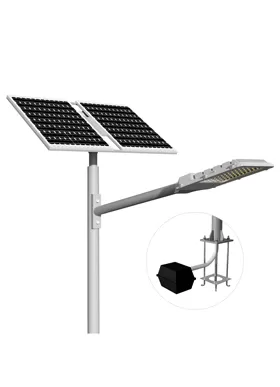
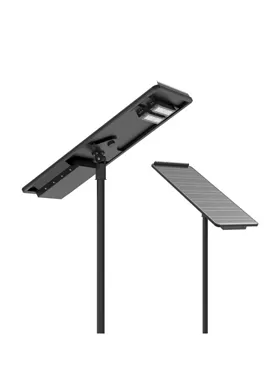
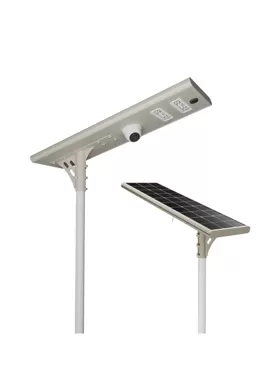
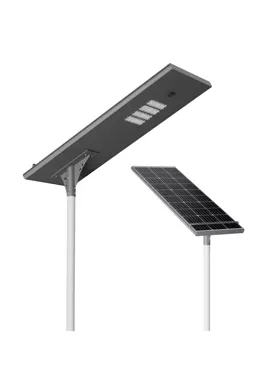
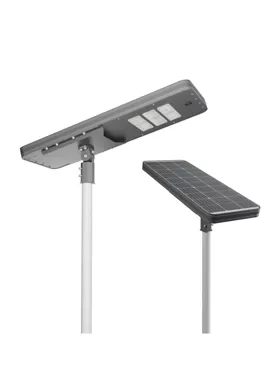
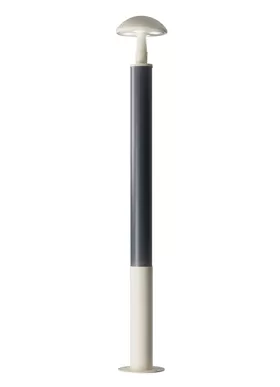
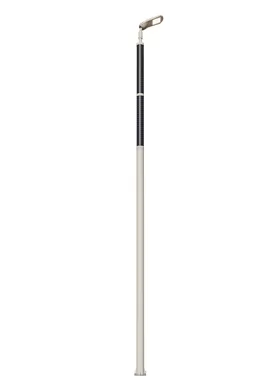
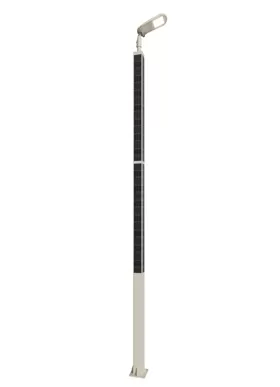
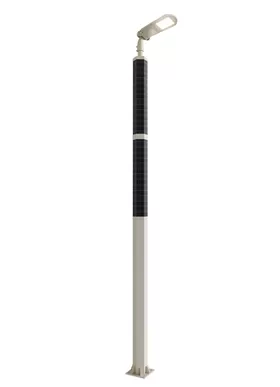
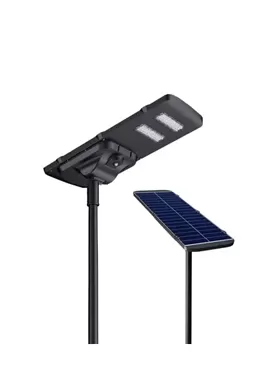
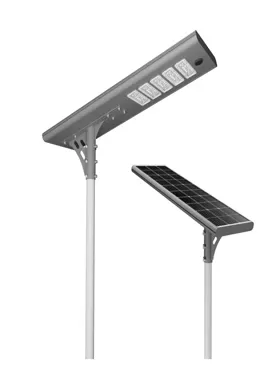
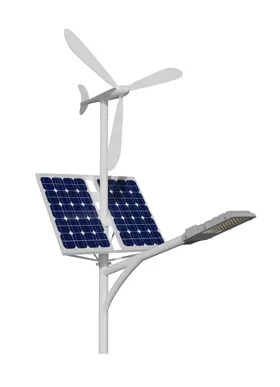
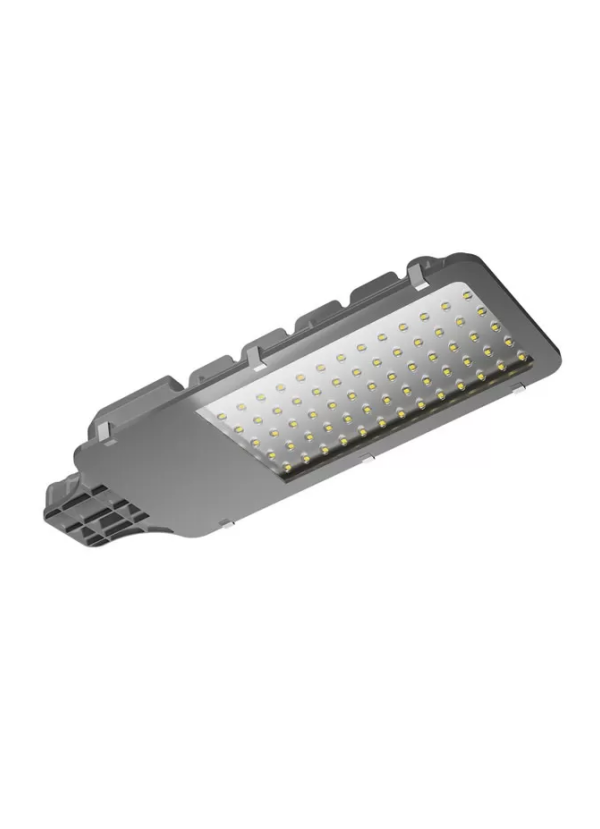
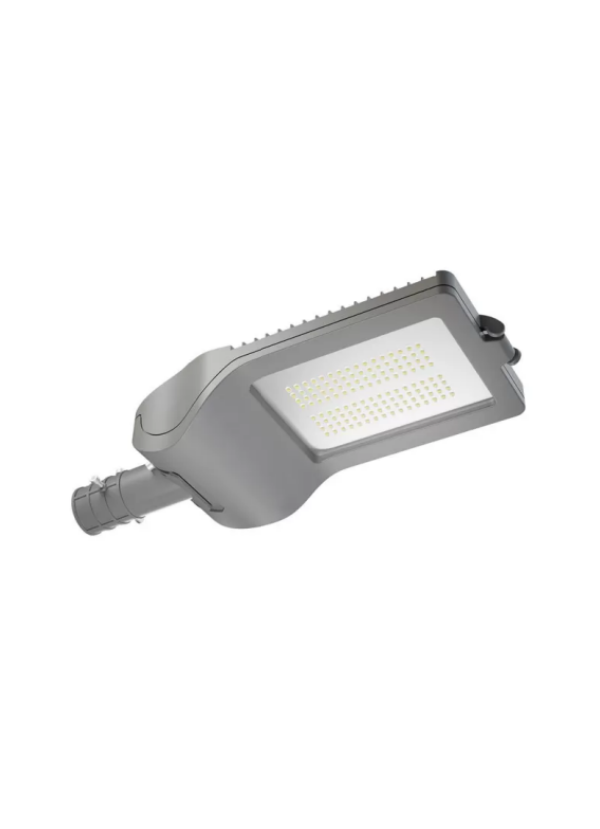
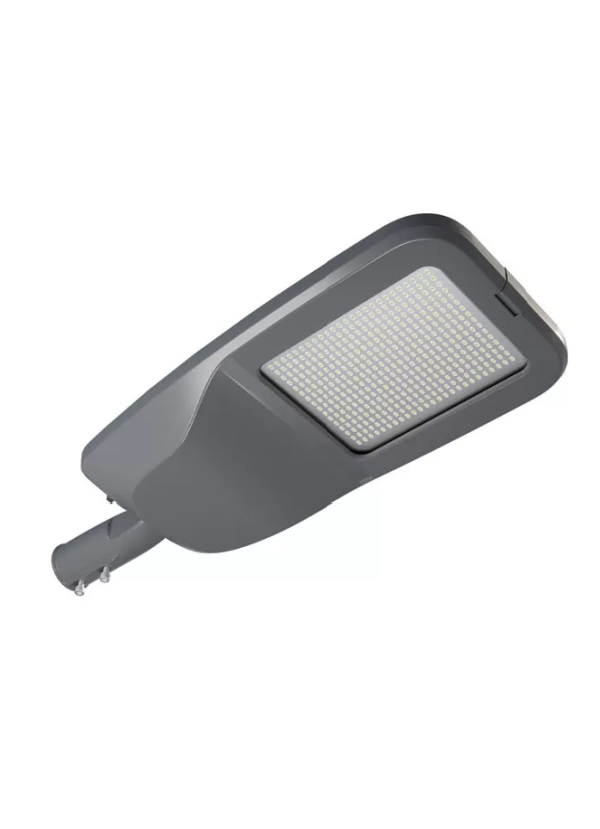
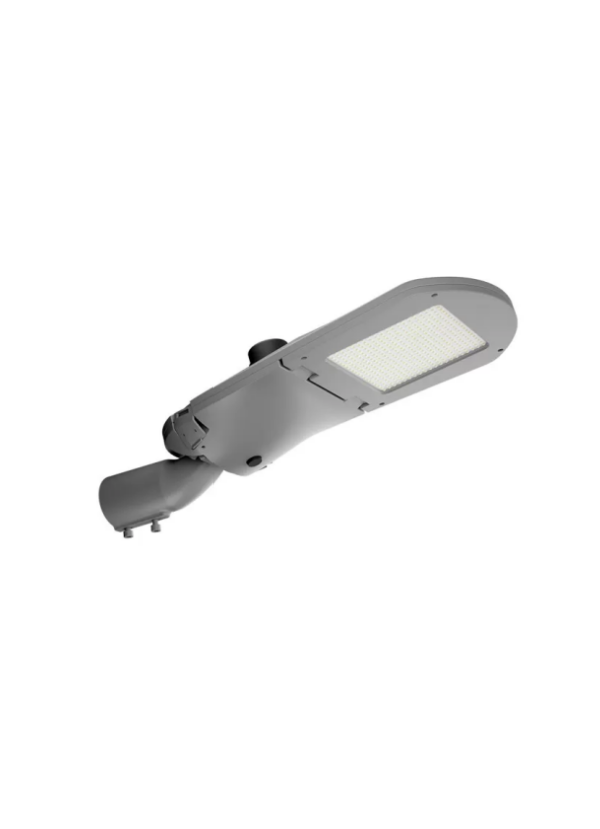
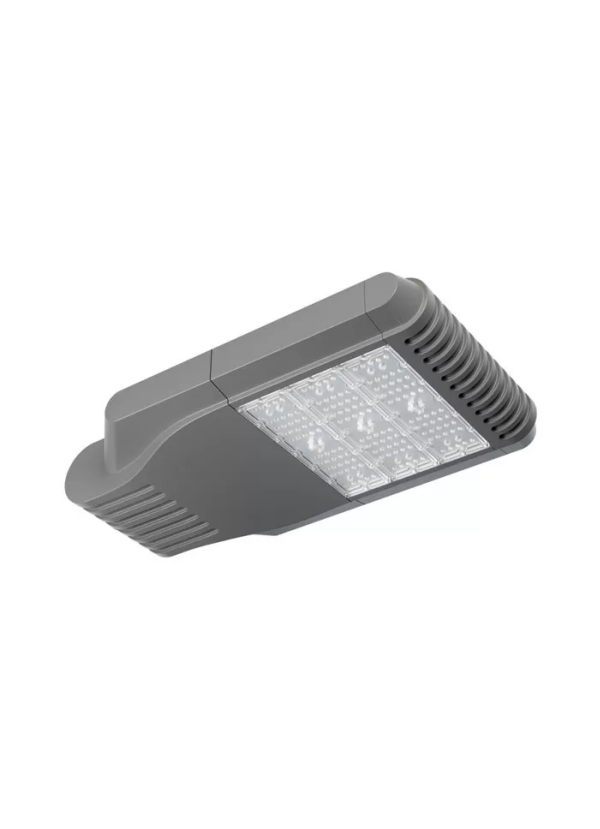
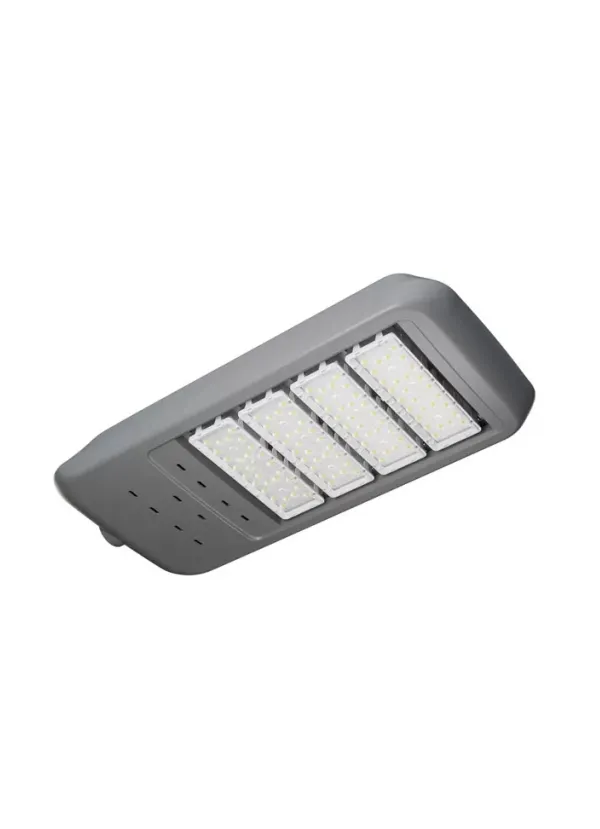
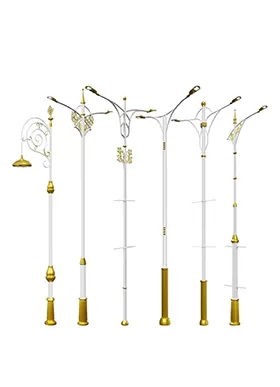
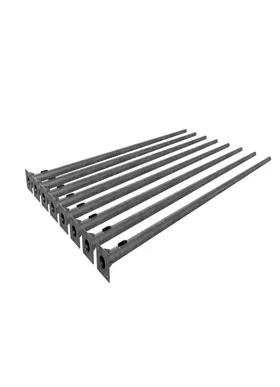
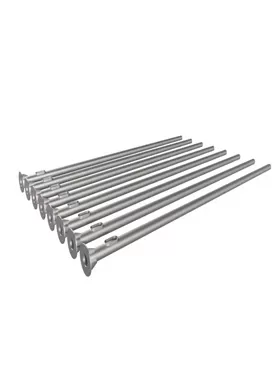
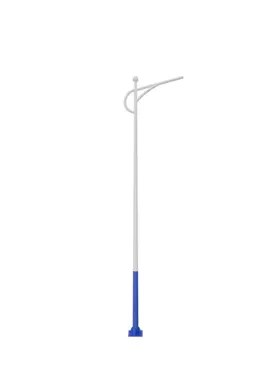
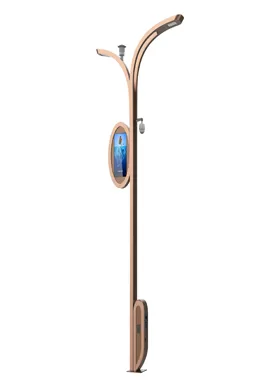
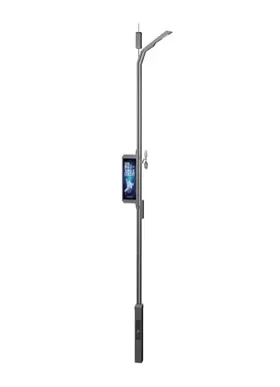
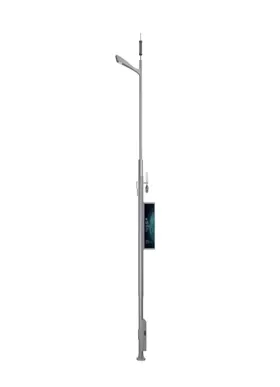
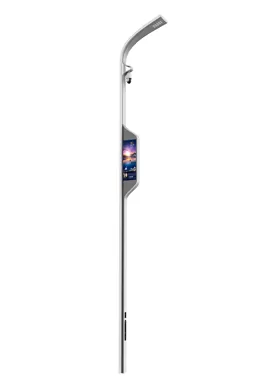
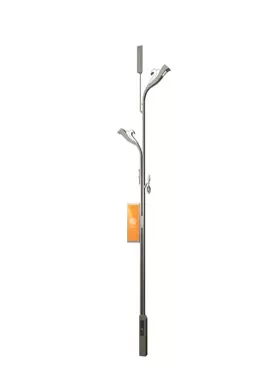
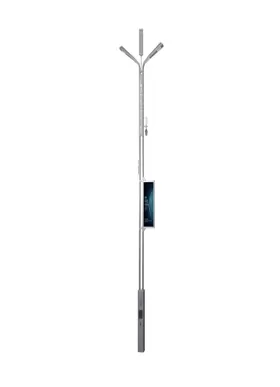
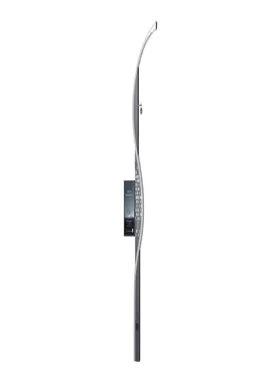
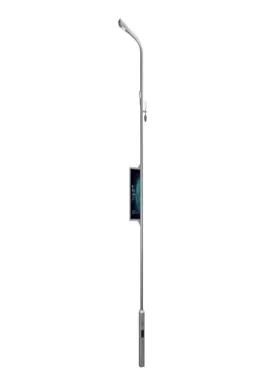
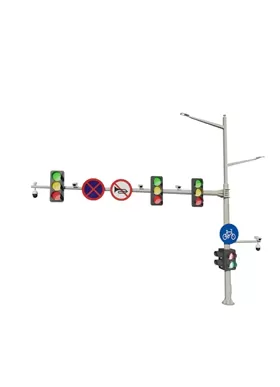
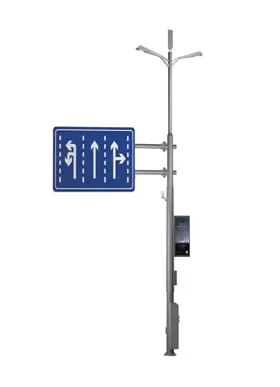
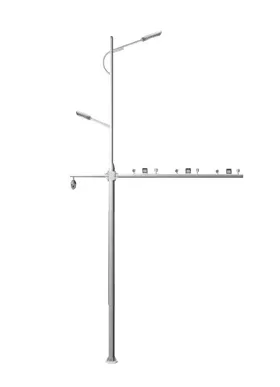
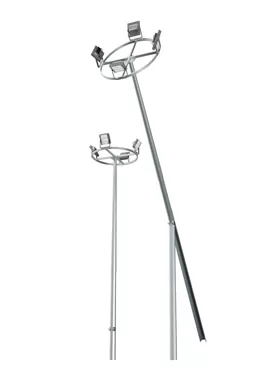
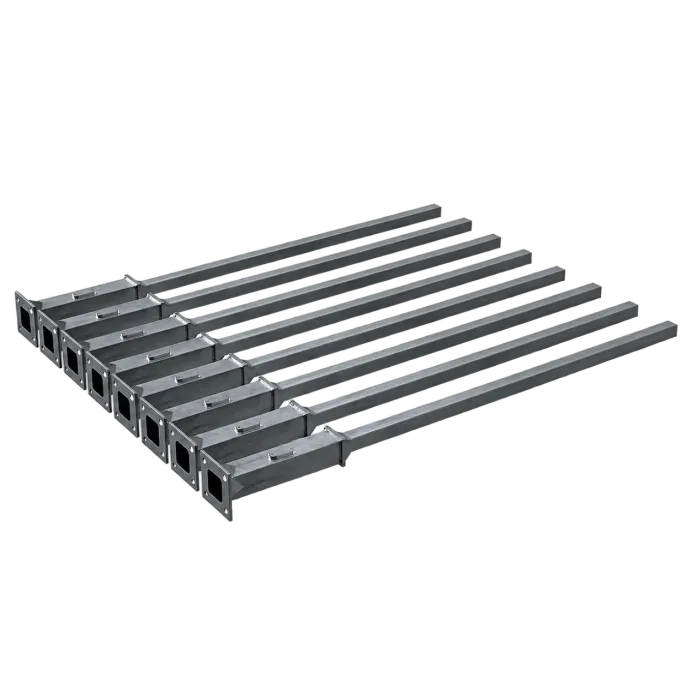
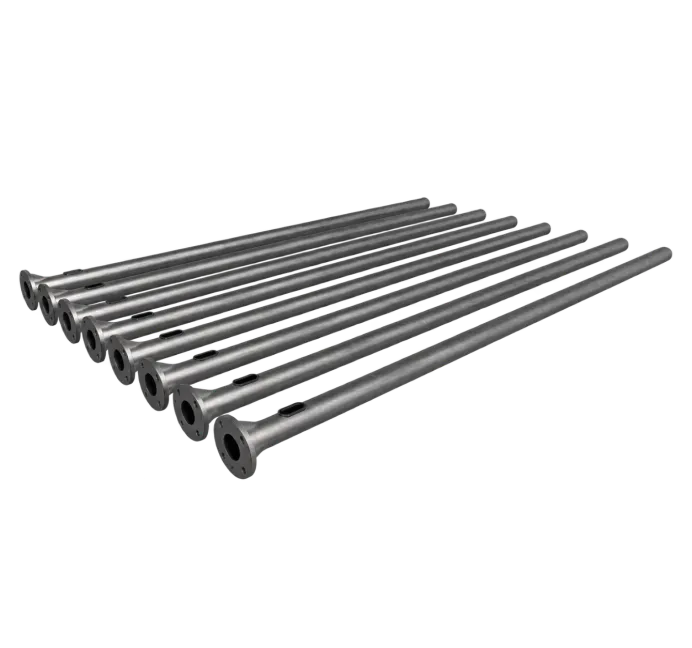
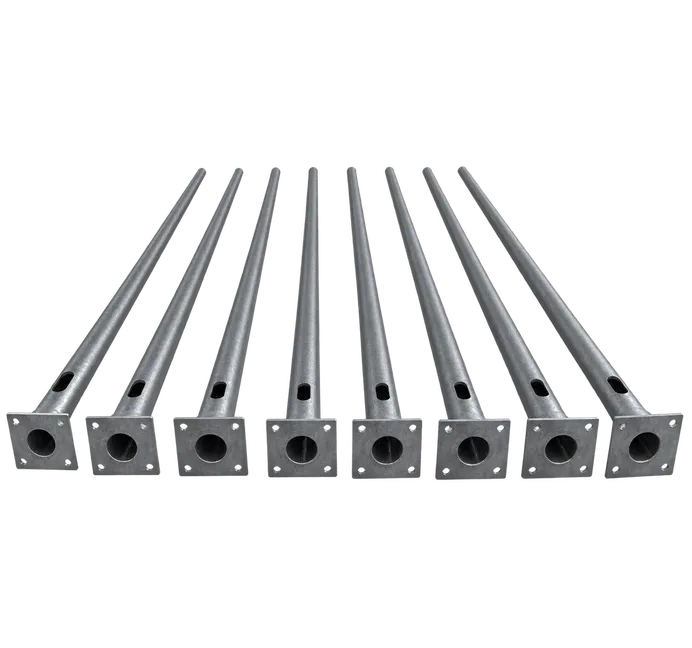
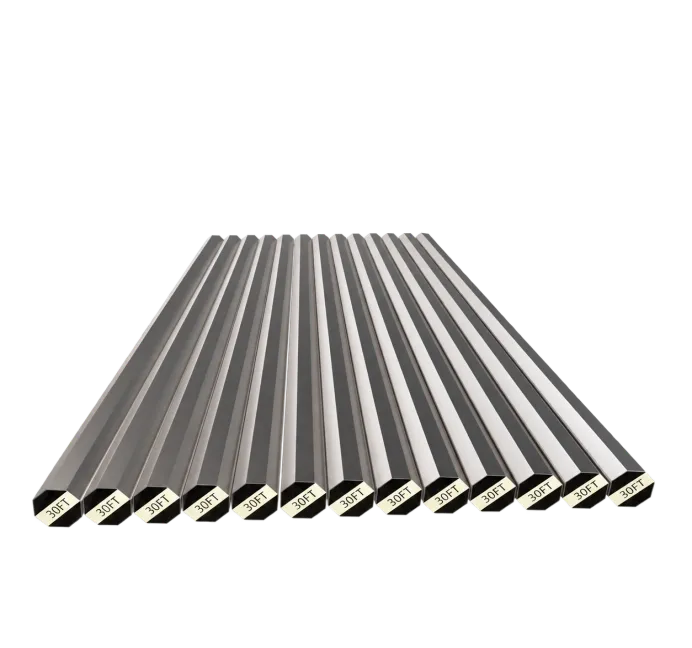
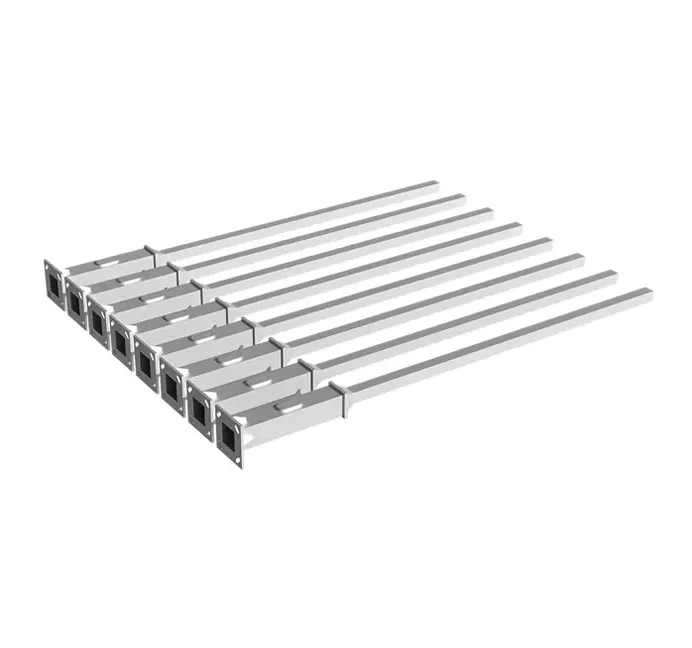
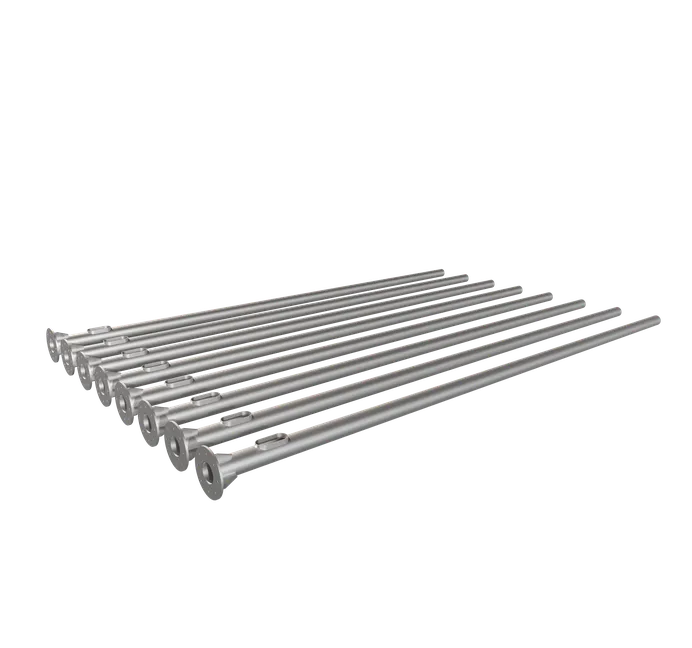
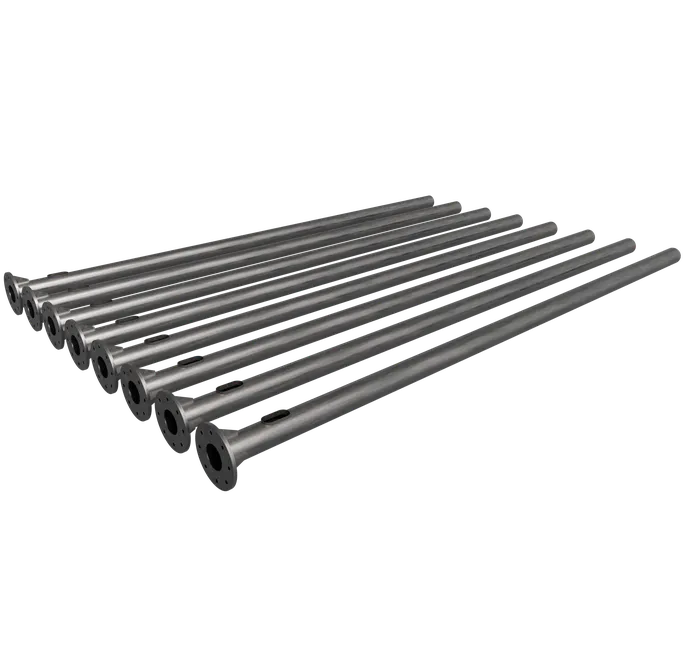
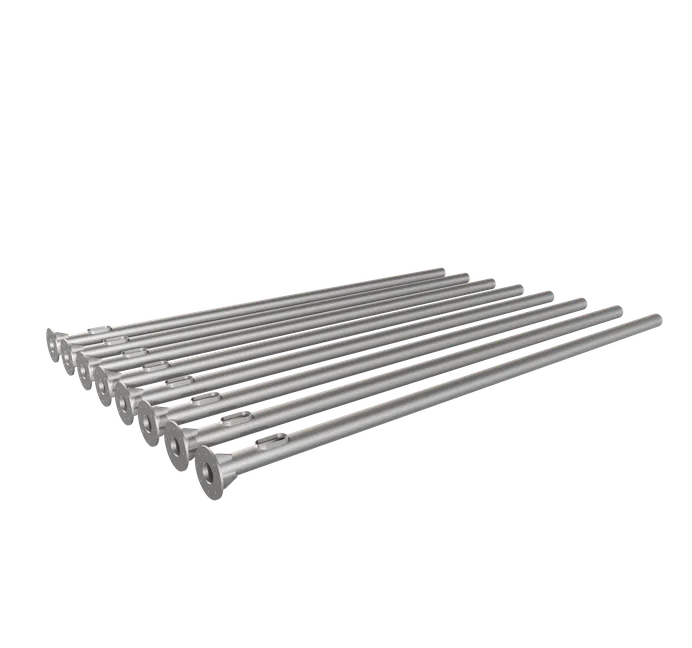
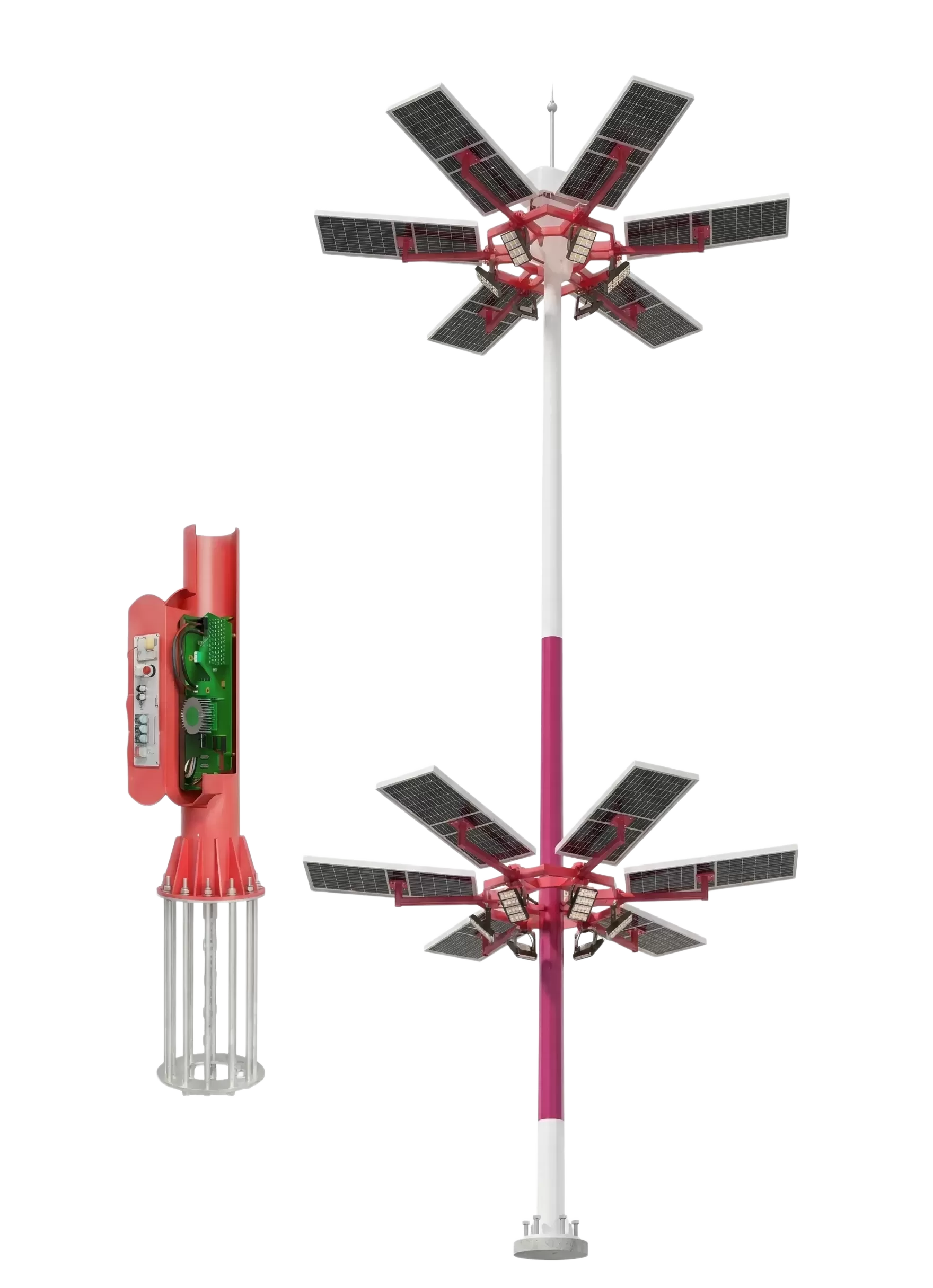
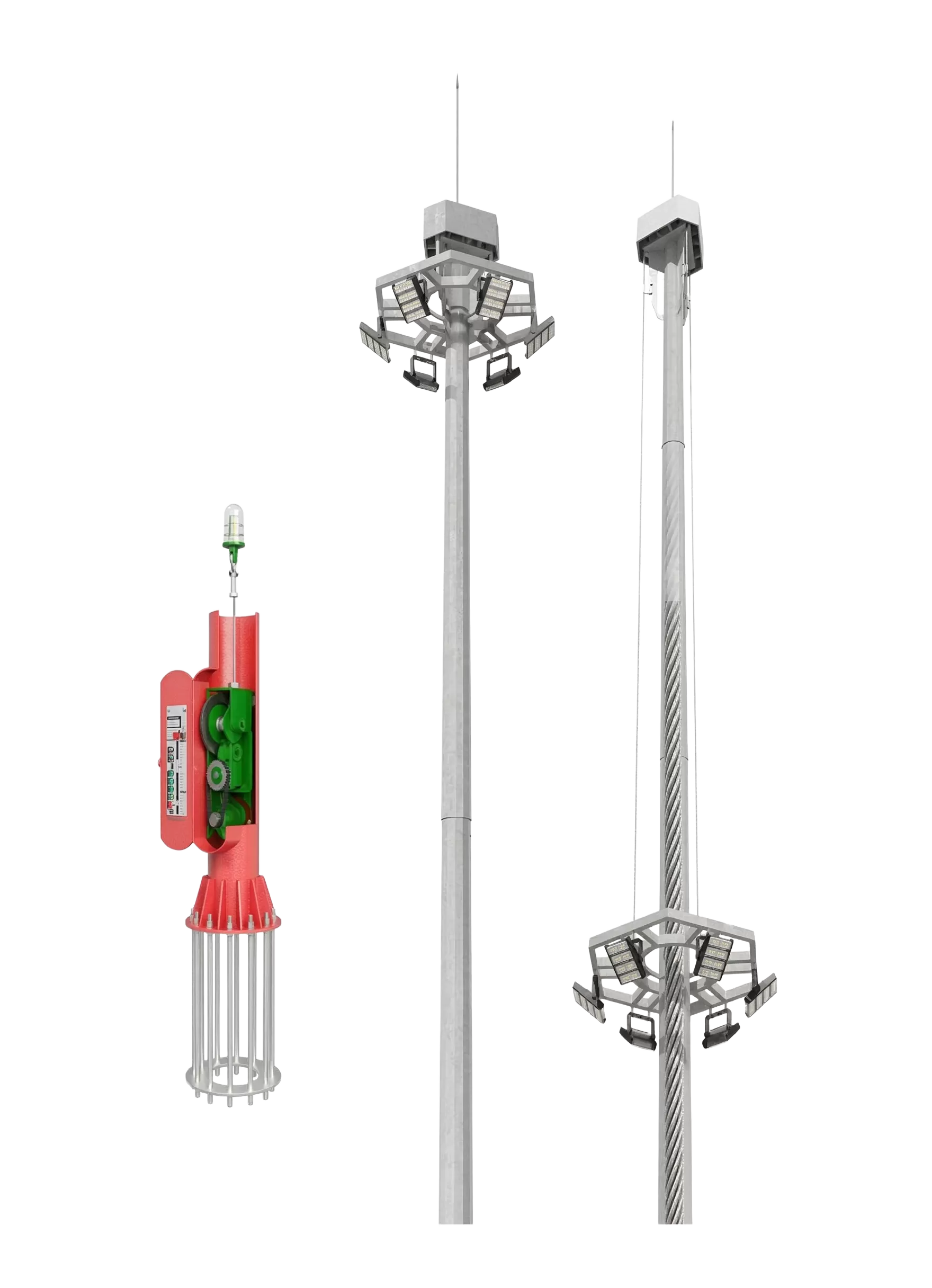
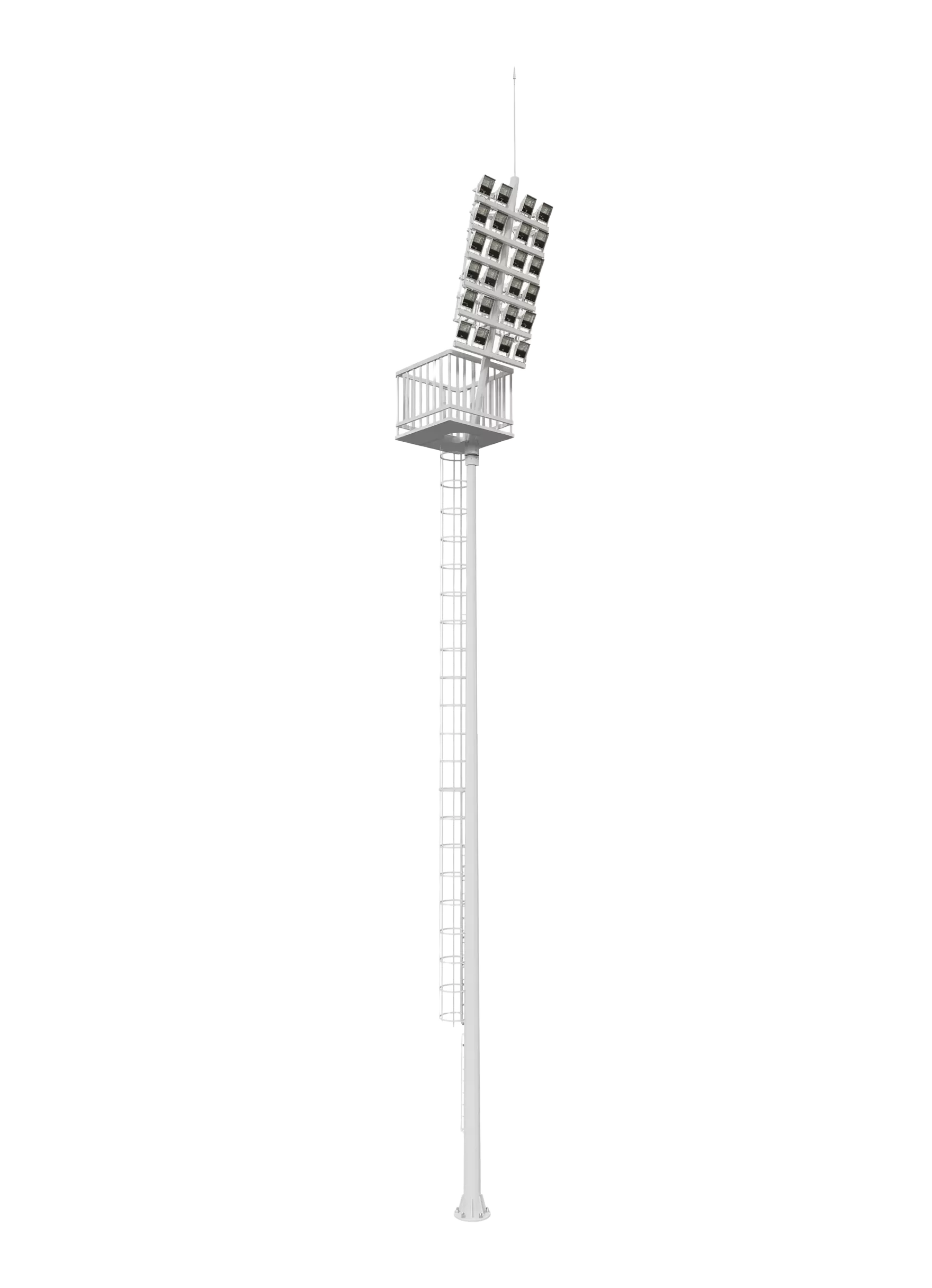

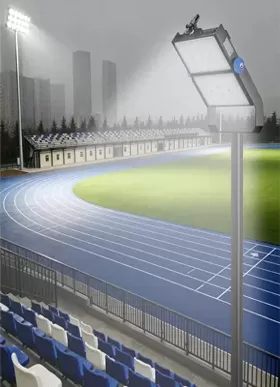
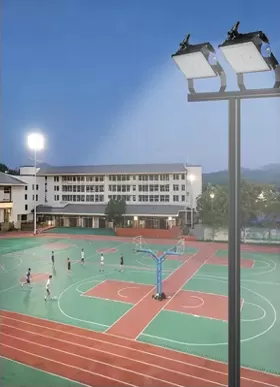
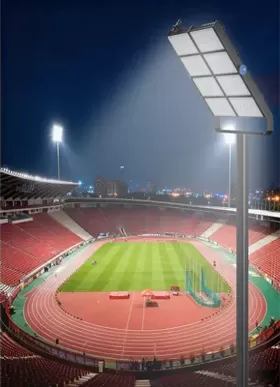
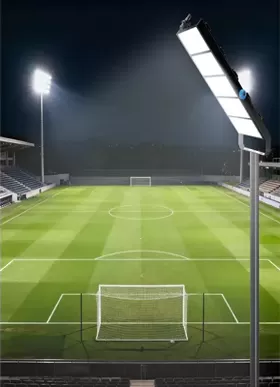

A smart city lighting project must improve public lighting while controlling integration risk, operating cost and long-term system scalability.
Separate street lights, CCTV poles, communication poles, displays and environmental sensors increase land use, repeated construction and cross-department coordination. A shared smart pole architecture can consolidate equipment and reduce duplicated infrastructure.
Fixed-output lighting and routine patrol inspections make it difficult to control electricity use or locate failures quickly. Remote dimming, operating schedules, status monitoring and fault alarms help municipalities manage lighting by actual demand.
Buyers need devices, communication networks and management platforms that can work together without creating an isolated system. Protocol compatibility, data security, module replacement and reserved expansion capacity should be confirmed before procurement.
Match the system architecture to power access, required smart functions, municipal management goals and the existing digital infrastructure.
| Project Condition | Recommended Smart City Lighting System | Why It Fits | What Buyers Should Send |
|---|---|---|---|
| Existing grid power and a large street light network | IoT LED street lighting control system | Adds individual or group control, scheduled dimming, energy monitoring and fault reporting while retaining grid-powered road lighting. | Existing fixture and pole data, electrical drawings, control-cabinet information, road layout, target dimming strategy and platform requirements. |
| No stable grid access or high trenching cost | IoT solar street light system | Supports off-grid deployment while enabling remote status monitoring, brightness adjustment and fault alarms for scattered or newly developed areas. | Project coordinates, sunshine data, road width, lighting hours, autonomy requirement, pole height, quantity and communication coverage. |
| Multiple departments need equipment on the same road | Multi-function smart light pole system | Combines lighting with CCTV, communication, displays, broadcasting, sensors, SOS or charging modules to reduce separate poles and repeated civil works. | Mandatory and optional modules, pole locations, equipment loads, network access, power capacity, mounting drawings and department responsibilities. |
| Public safety and emergency communication are priorities | Smart pole with CCTV, broadcasting and SOS | Supports video monitoring, emergency announcements and one-button calls while maintaining normal lighting and centralized management. | Camera coverage, recording platform, speaker coverage, SOS workflow, cybersecurity rules, local emergency procedures and interface requirements. |
| Need environmental data and public information services | Smart pole with monitoring, display and connectivity | Collects environmental indicators and distributes traffic, weather or public information while supporting Wi-Fi, 4G or 5G equipment where required. | Sensor list, display size, content-management method, communication standard, data format, platform integration and future expansion plan. |
These lighting products support remote management, intelligent control, off-grid deployment or integrated monitoring for roads, public spaces and new urban infrastructure.
Smart poles provide a shared physical platform for lighting, sensing, communication and public services, so structural loading, interfaces and module layout must be planned as one system.
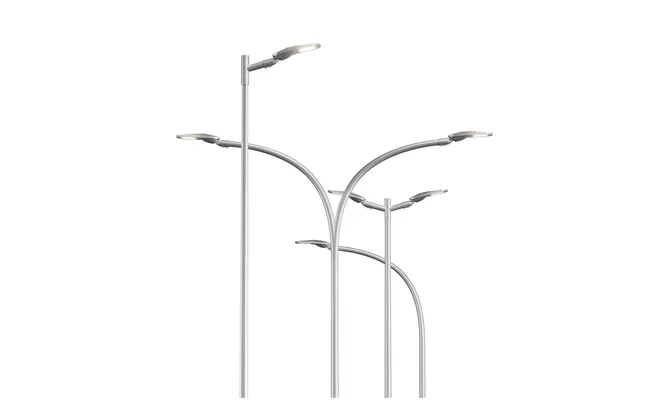
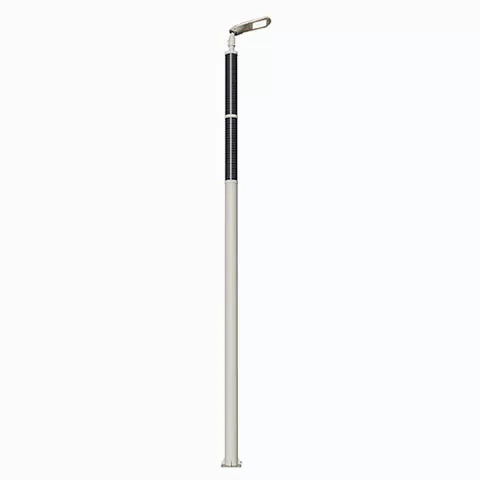
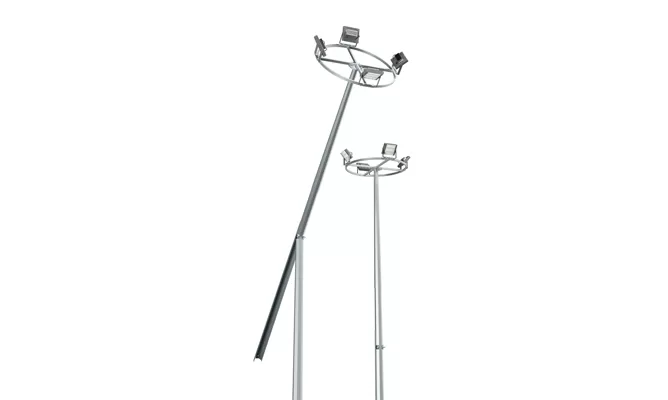
Smart poles provide a shared physical platform for lighting, sensing, communication and public services, so structural loading, interfaces and module layout must be planned as one system.
Integration should be confirmed during the technical review. Buyers should share the existing platform architecture, API requirements, communication protocols, cloud or local deployment rules, cybersecurity requirements, data ownership policy and third-party equipment list. Phoebus Lighting can then evaluate gateways, controllers and interface requirements before finalizing the system design.
For an accurate quotation, provide the project country, road or public-space layout, road width, pole quantity and height, power conditions, required lighting level, preferred smart functions, communication method, platform deployment preference, local standards, delivery schedule and whether installation or commissioning support is needed.
Start by separating mandatory functions from optional modules. Confirm whether the project needs lighting control, CCTV, environmental sensors, Wi-Fi or 4G/5G equipment, information displays, IP broadcasting, SOS, EV charging or mobile charging. Buyers should also define power capacity, network access, pole loading, interfaces and future expansion space to avoid overconfiguration or redesign after production.
A procurement package may require product datasheets, pole drawings, foundation and anchor-bolt drawings, wiring diagrams, control architecture, photometric files, wind-load information, material and surface-treatment details, certificates, test reports, bill of materials, installation manuals, warranty terms and a clear list of included and optional modules.
Request separate warranty terms for luminaires, drivers, controllers, batteries, communication devices, sensors, displays, cameras and software. The contract should also define recommended spare parts, remote or on-site commissioning, administrator and maintenance training, software update responsibilities, fault-response time and procedures for replacing failed modules.
For large projects, confirm pole and equipment packaging, module labeling, serial-number tracking, container loading, batch delivery dates and storage protection. Buyers can also specify pre-shipment inspection, factory acceptance tests, sample approval, site commissioning records and final acceptance criteria so each delivery phase can be checked against the approved configuration.