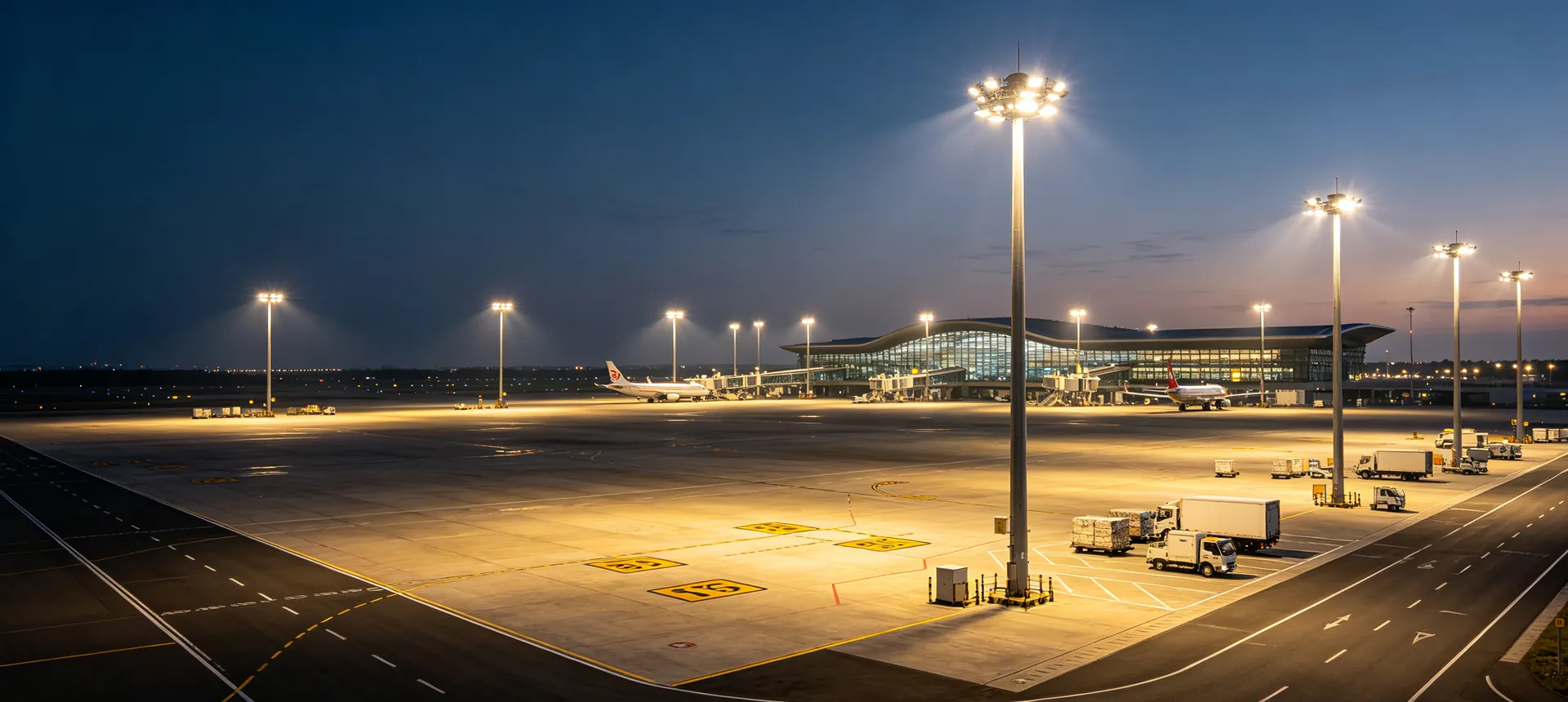
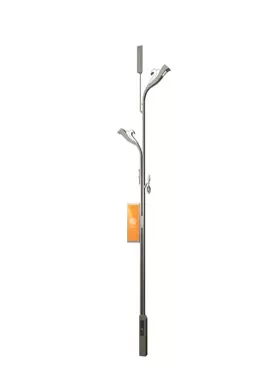
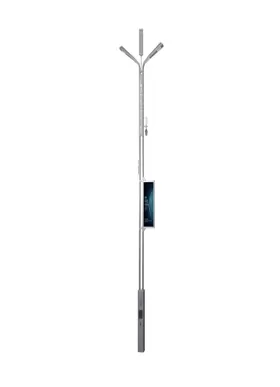
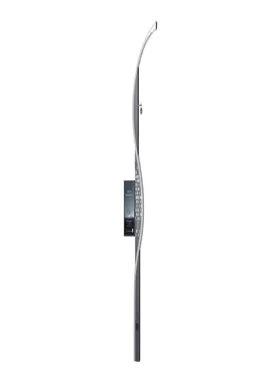
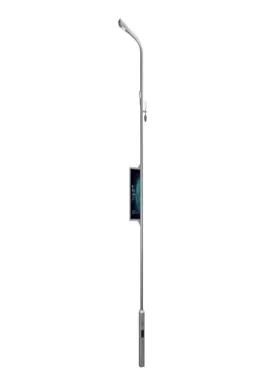


As a fundamental application scenario, the apron must provide illumination for tasks like door docking, loading and unloading baggage, and refueling once the aircraft has docked.
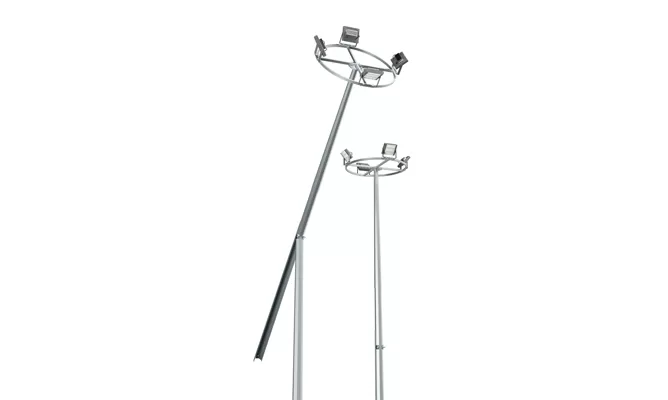
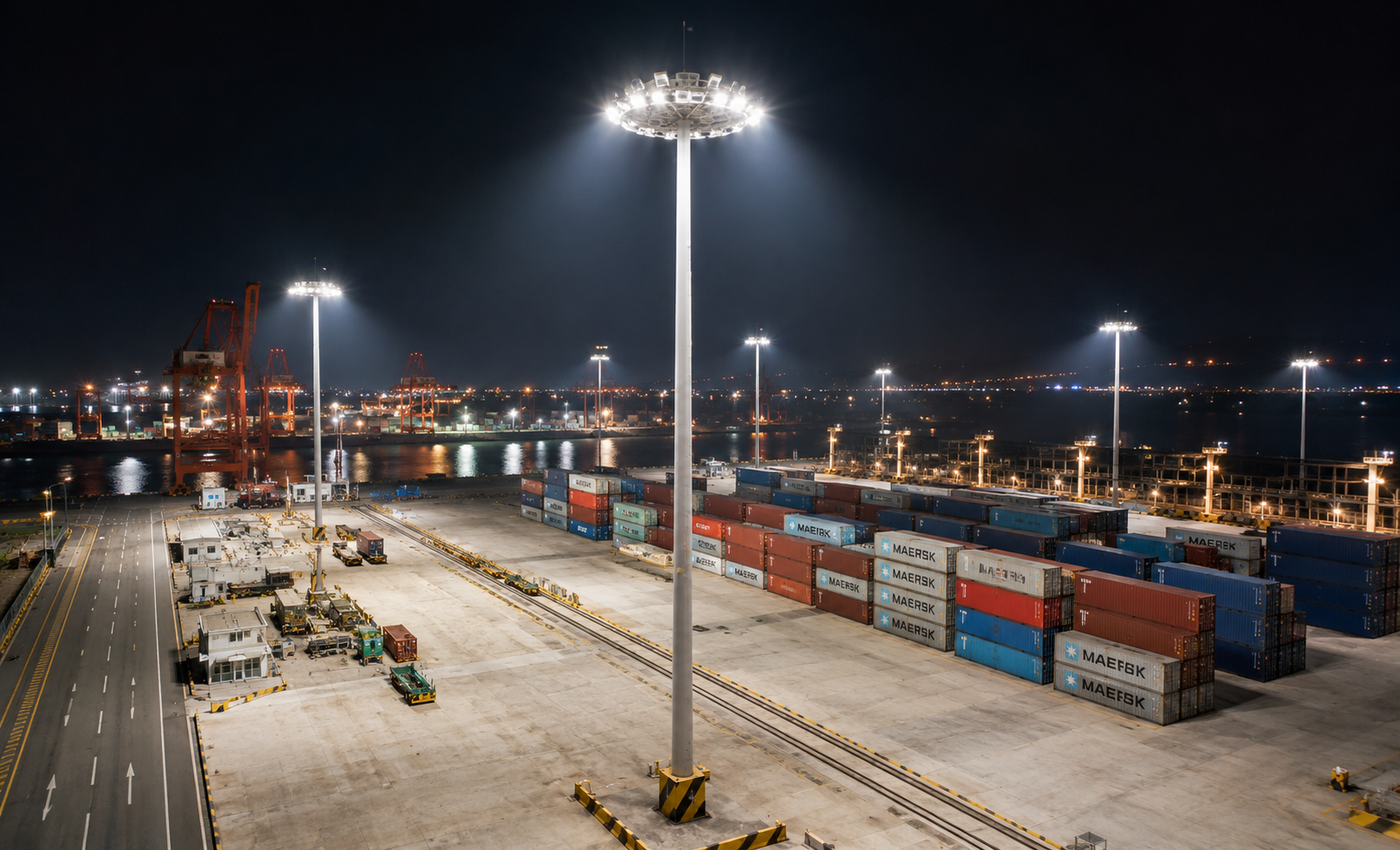
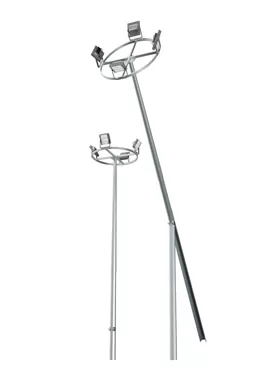
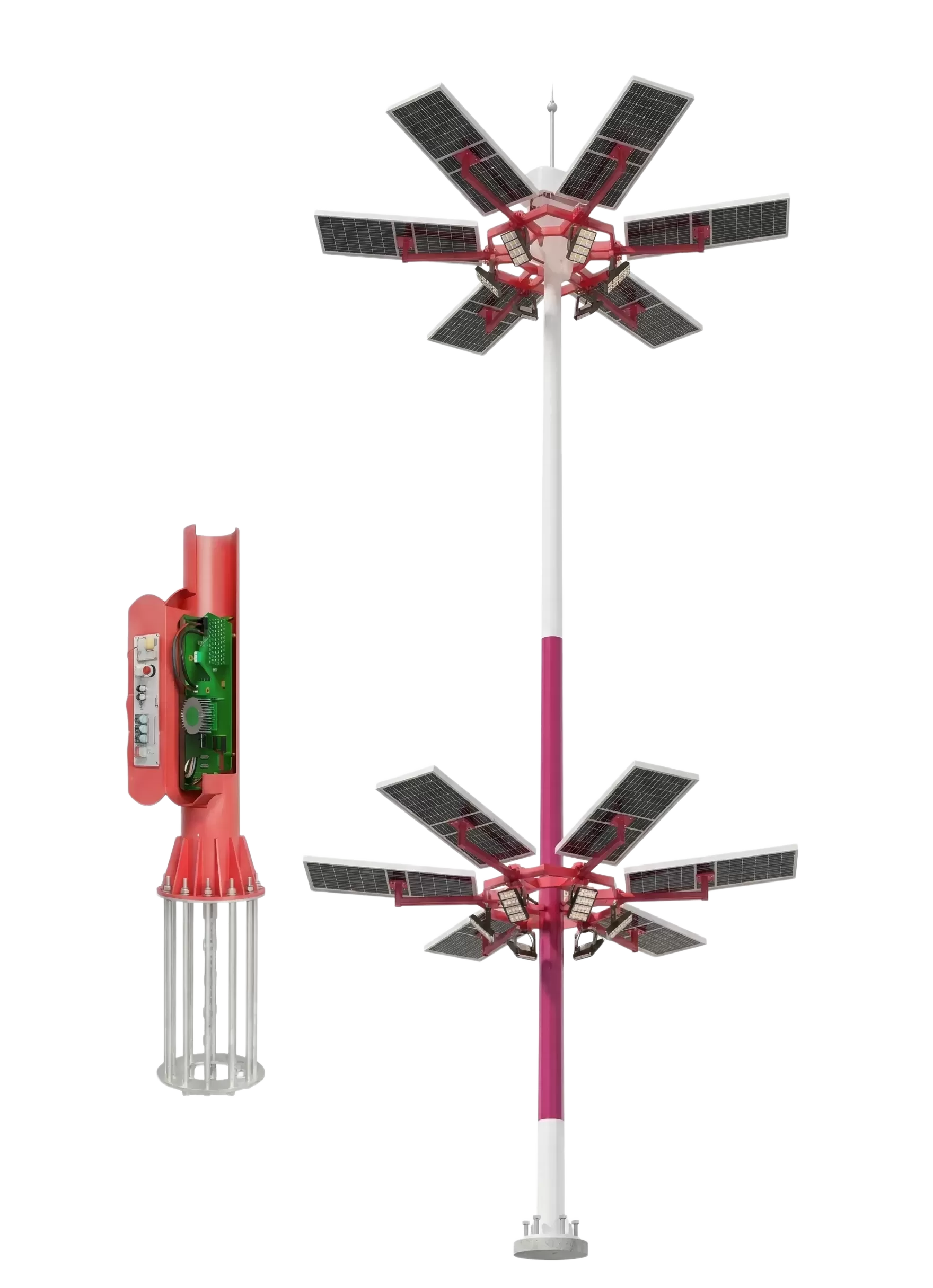
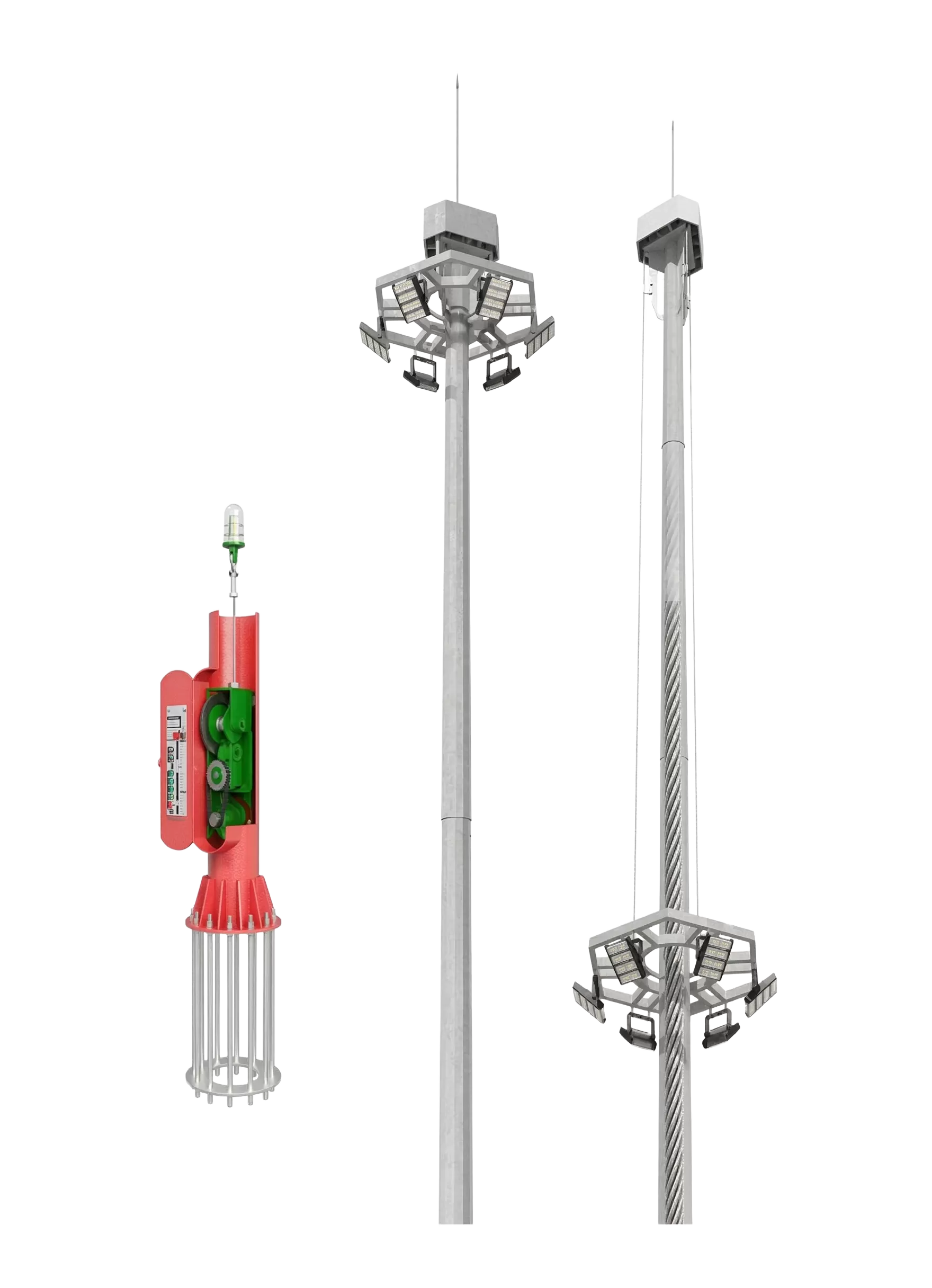
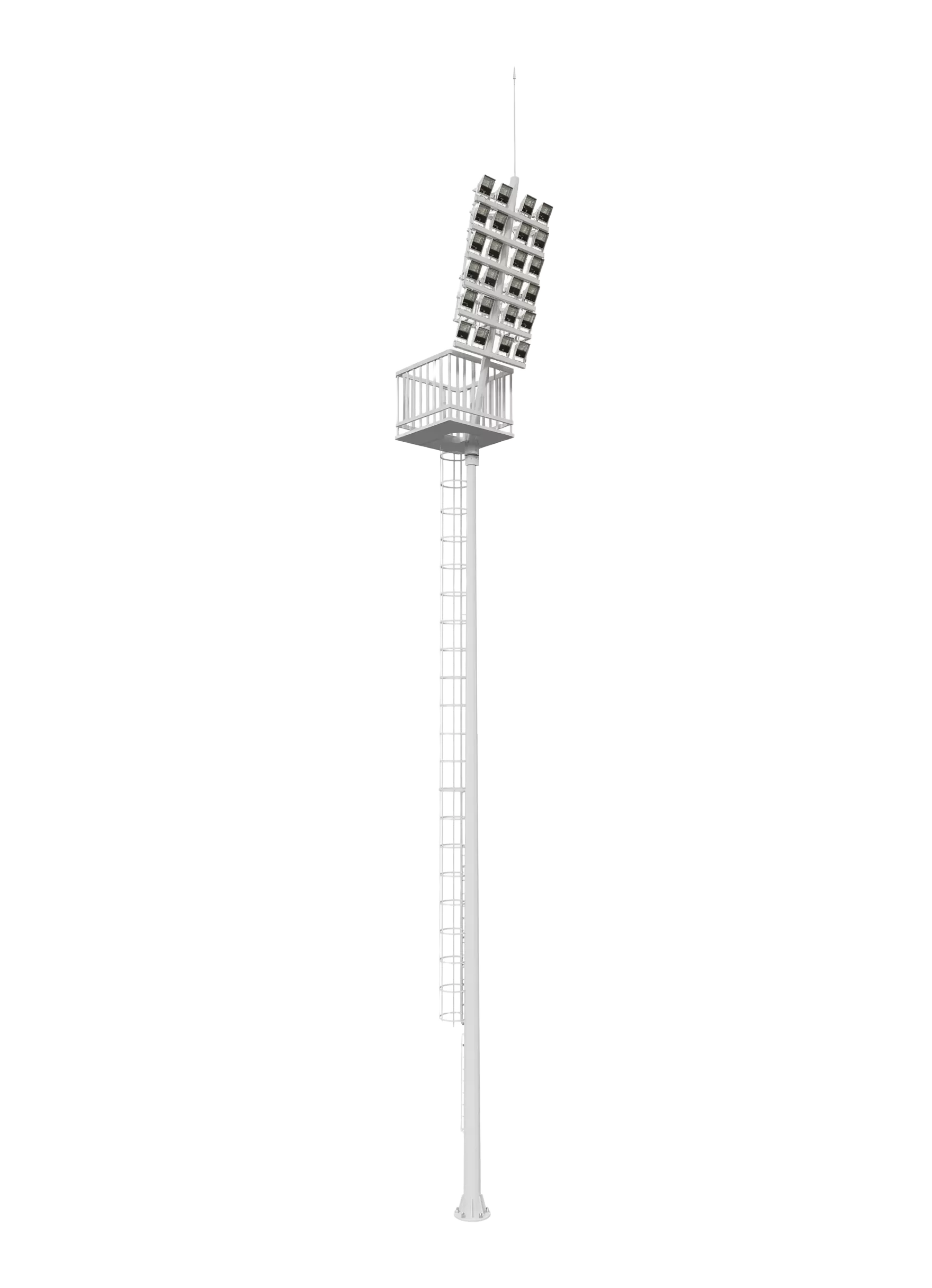
Single high mast light typically has a coverage radius of 50–80 meters. To ensure that the average ground illumination is kept at 30–50 lux and the illumination uniformity deviation is ≤15% to prevent alternating light and dark from affecting ground staff operations, a "multi-lamp combination" design is frequently used, where a single pole is equipped with 6–12 LED floodlights. The high-pole lamps in the cargo area must be modified for container transshipment and cargo sorting, and the lighting range must encompass freight vehicle passages and loading and unloading platforms.
To guarantee cargo identification and safe handling, local illumination in some areas will be raised to levels above 60 lux. The high-pole lamps in the maintenance area must be able to handle the delicate requirements of aircraft engine and fuselage maintenance.
For maintenance workers to be able to clearly identify the details of parts, the light source's color rendering (Ra≥80) must meet requirements in addition to basic brightness.
Phoebus airport high-mast lights comply with civil aviation regulations, with an IP67 protection rating to protect against rain, sand, and dust. They produce no glare (UGR ≤ 19), preventing interference with pilots' vision. Some high-mast lights near runways also feature aviation obstacle signs to ensure the safety of low-altitude aircraft, a crucial element in ensuring safe ground operations at airports.