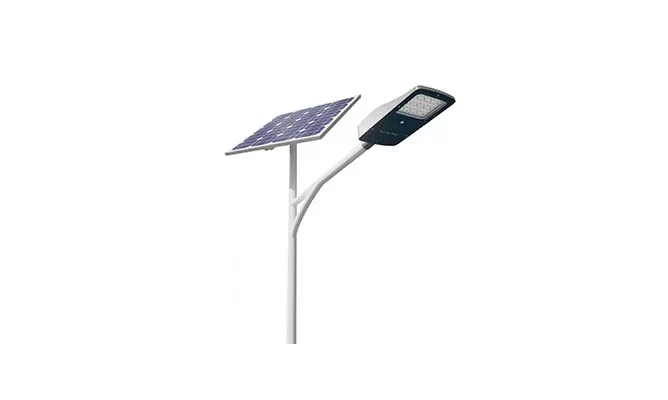
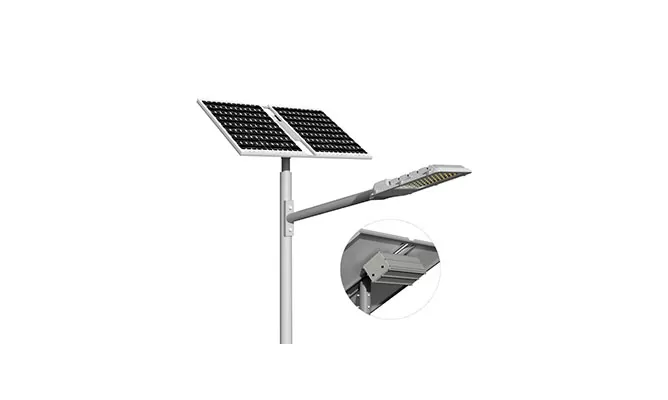
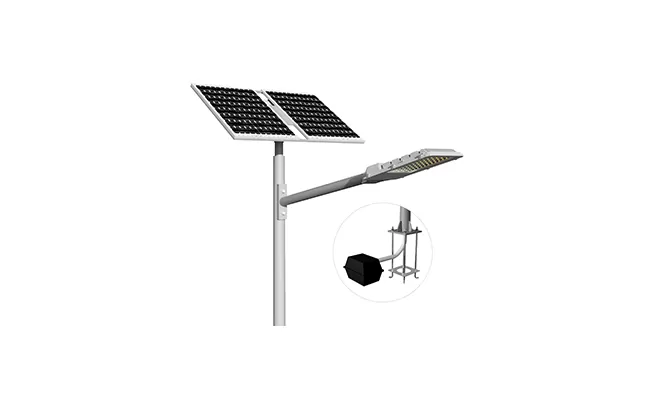
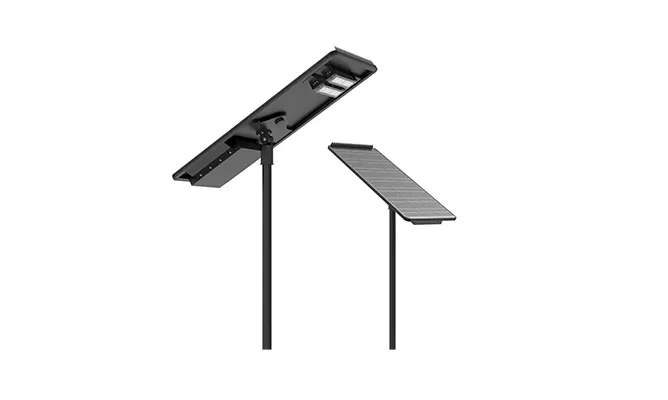
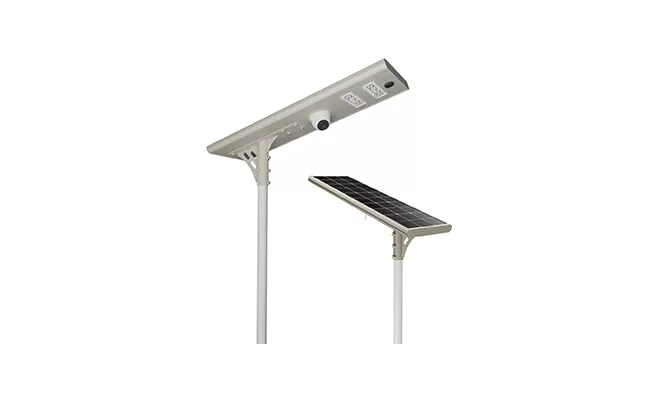
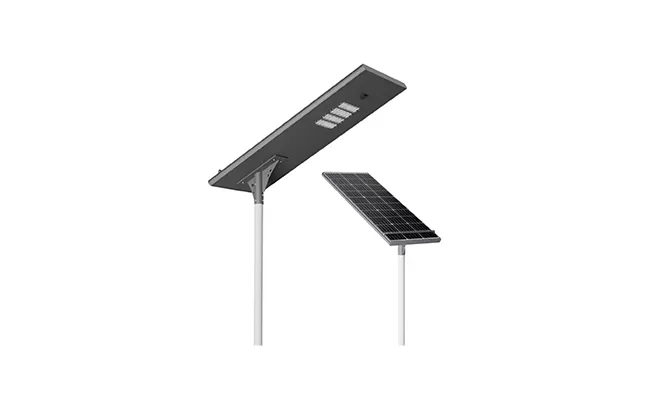
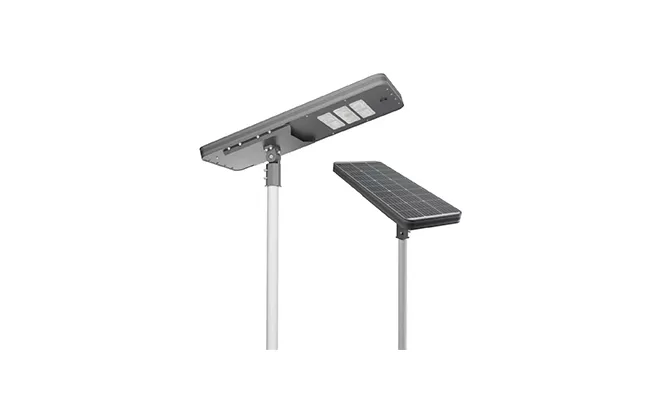
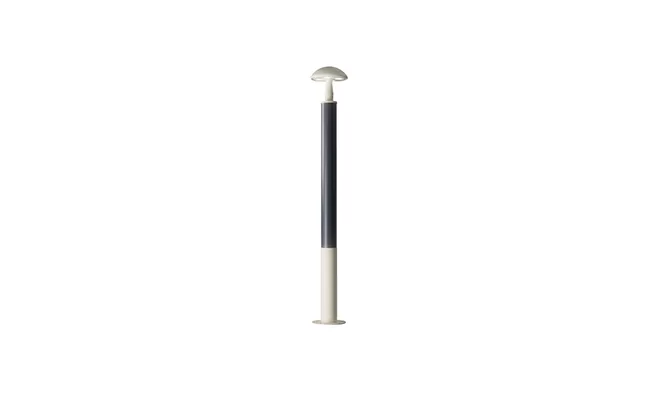
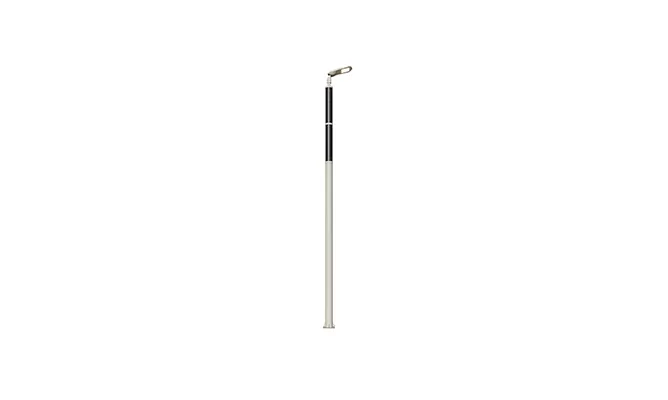
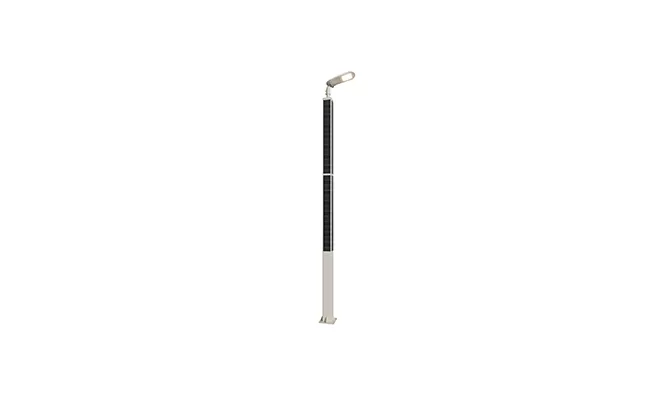
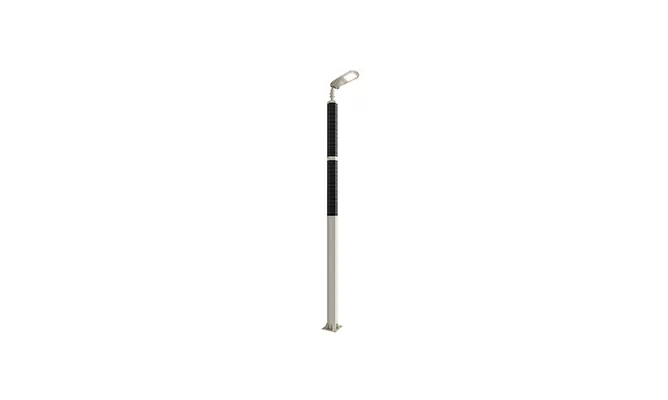
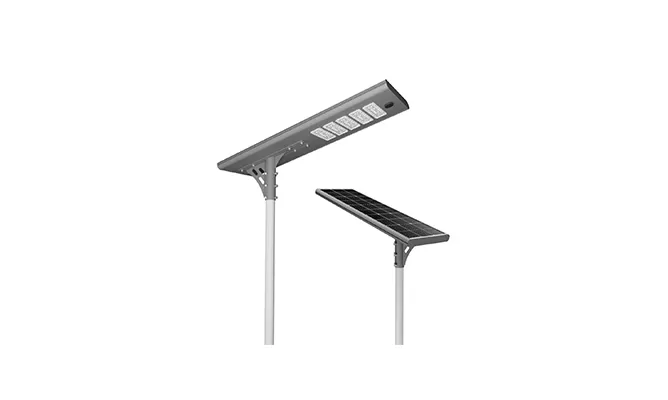
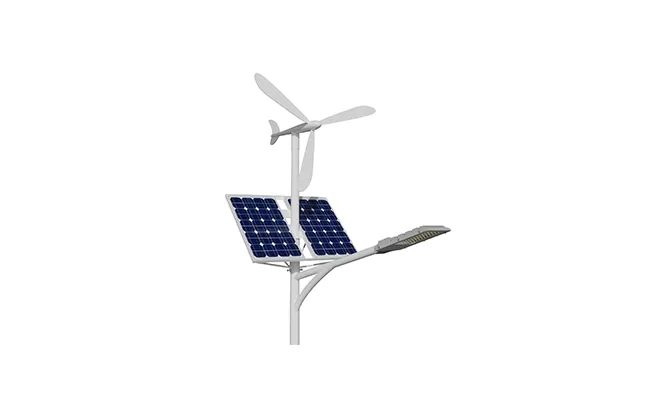
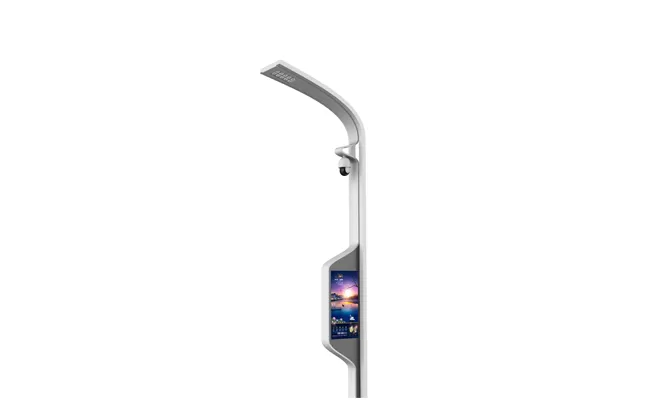
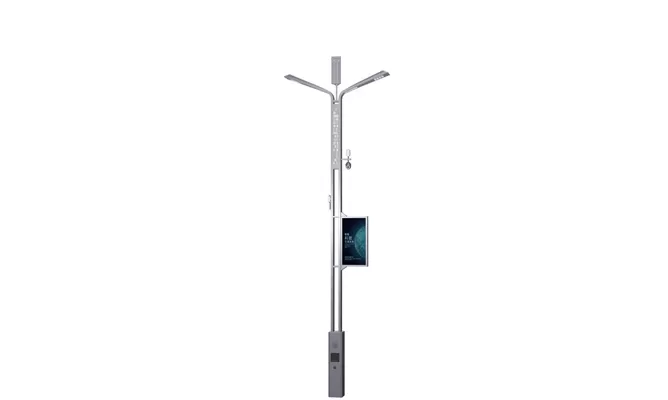
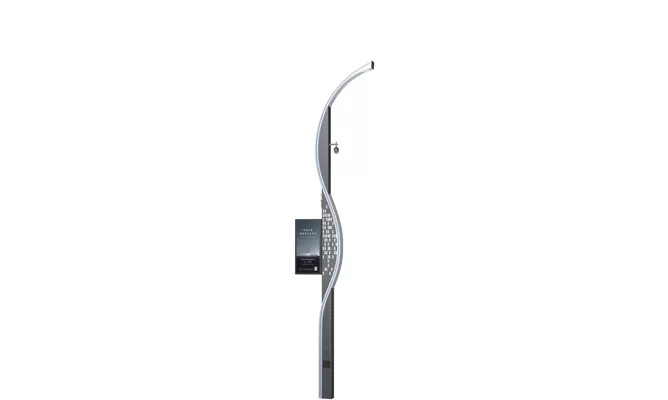
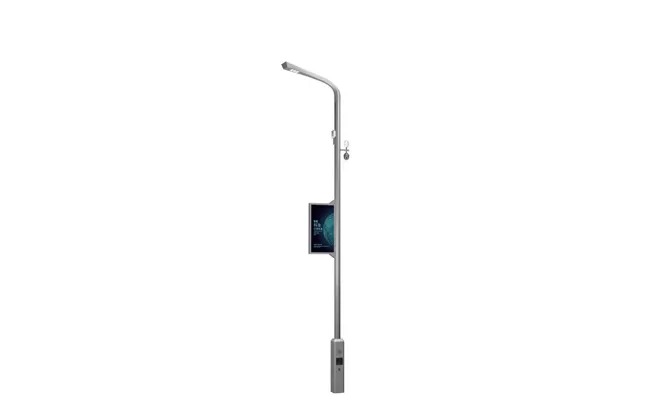
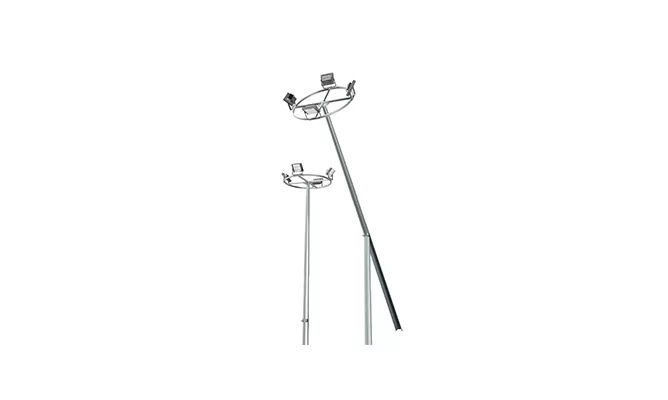
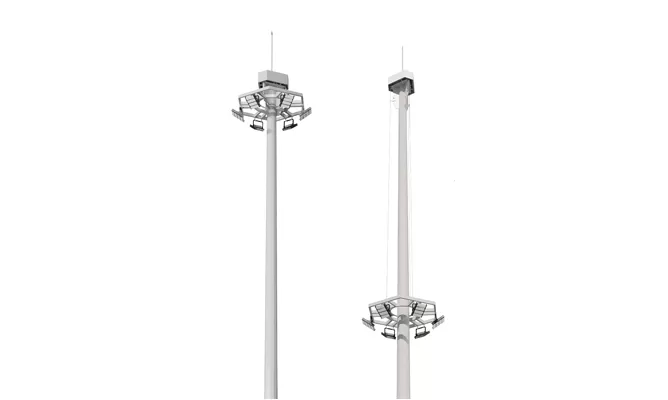
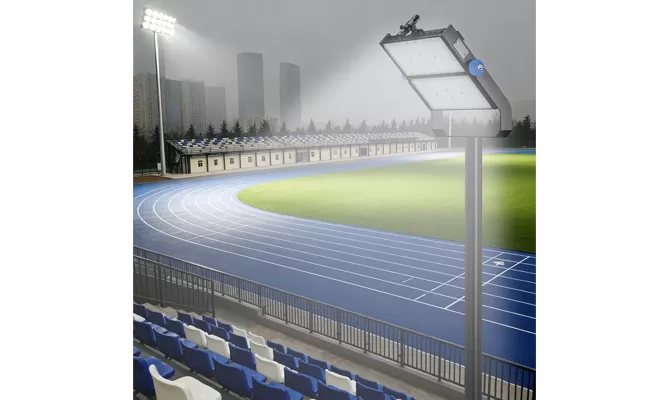
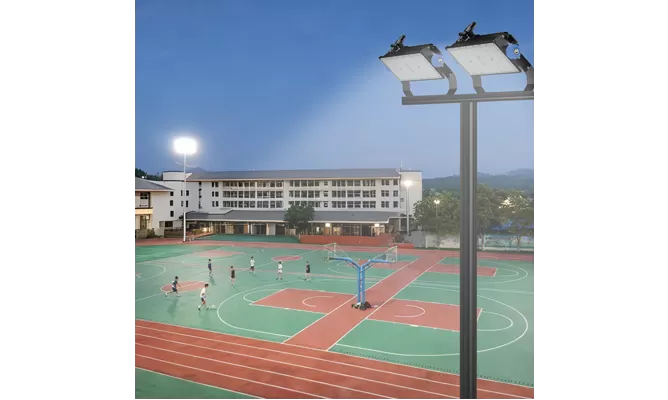
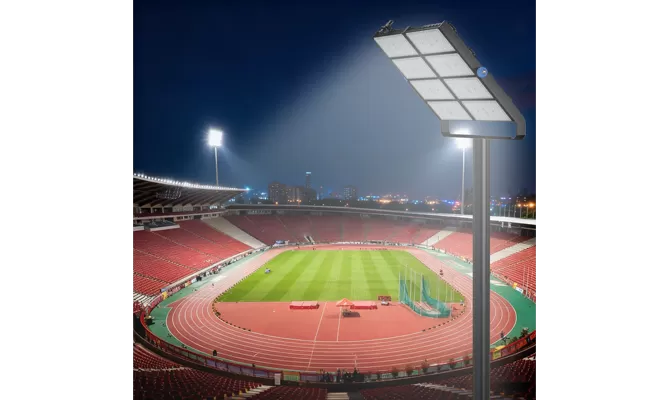
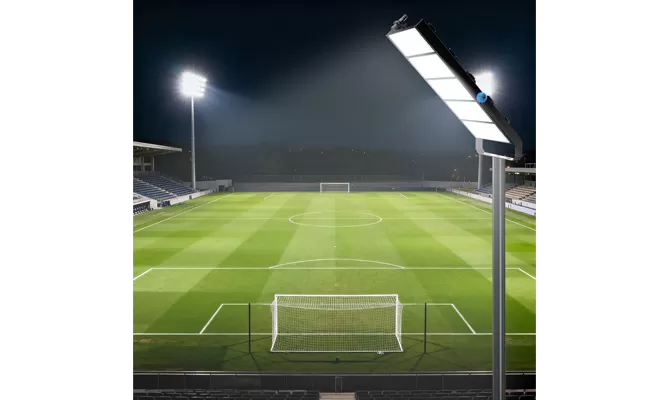
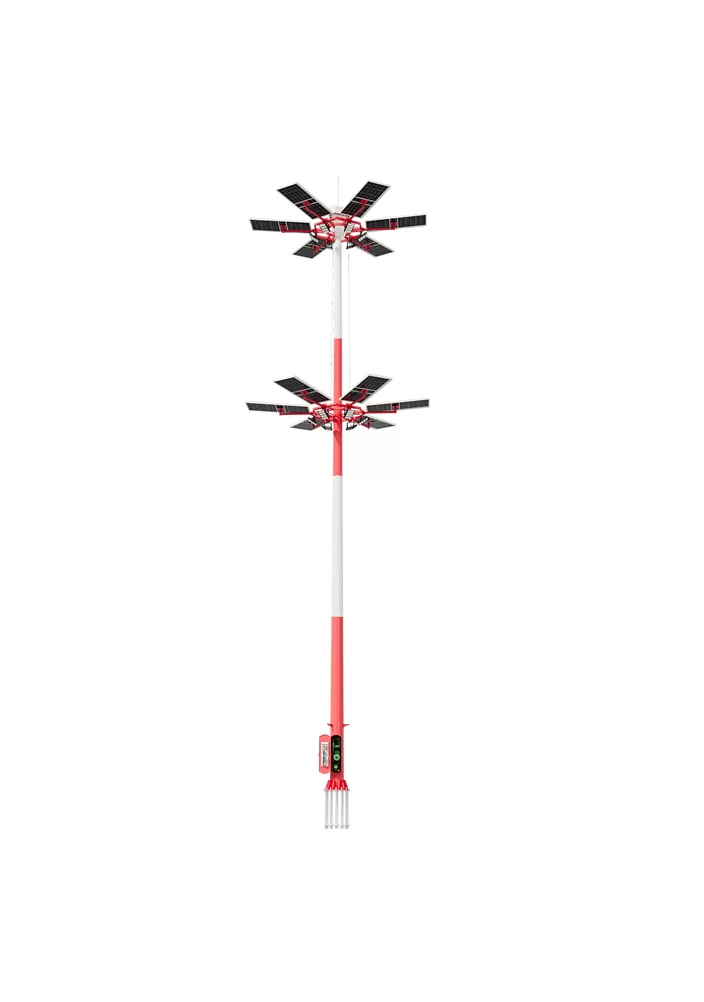
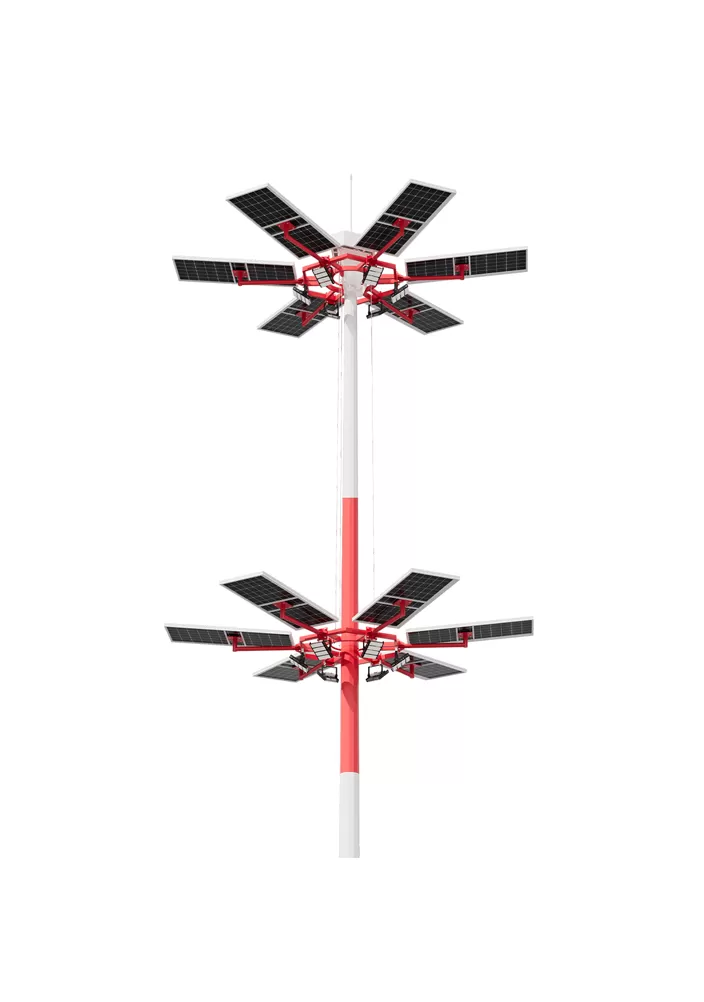
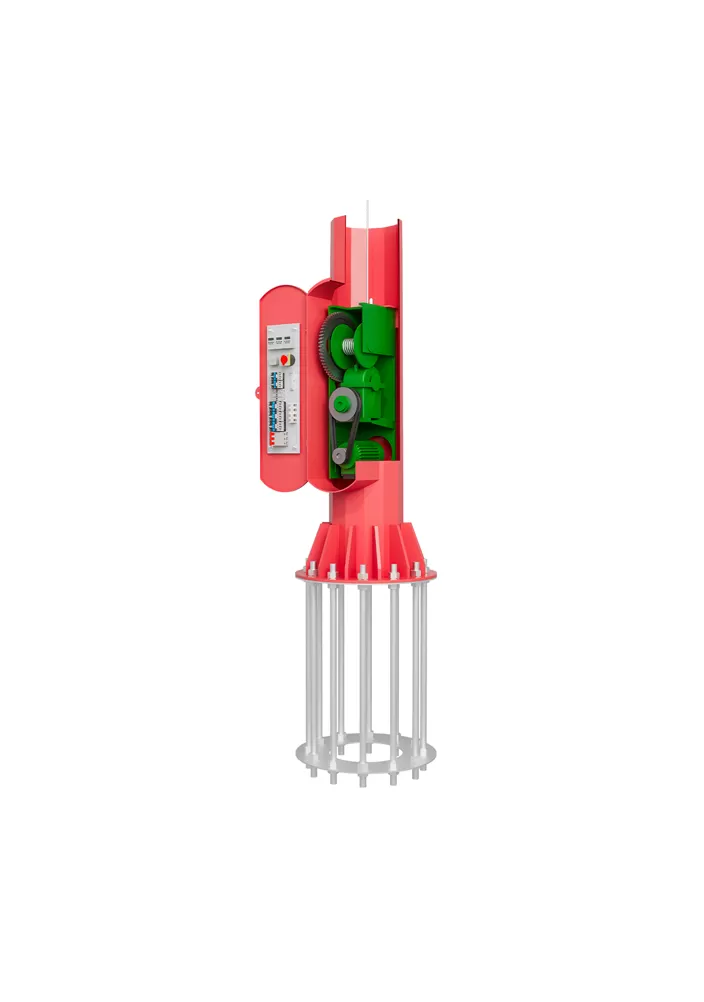
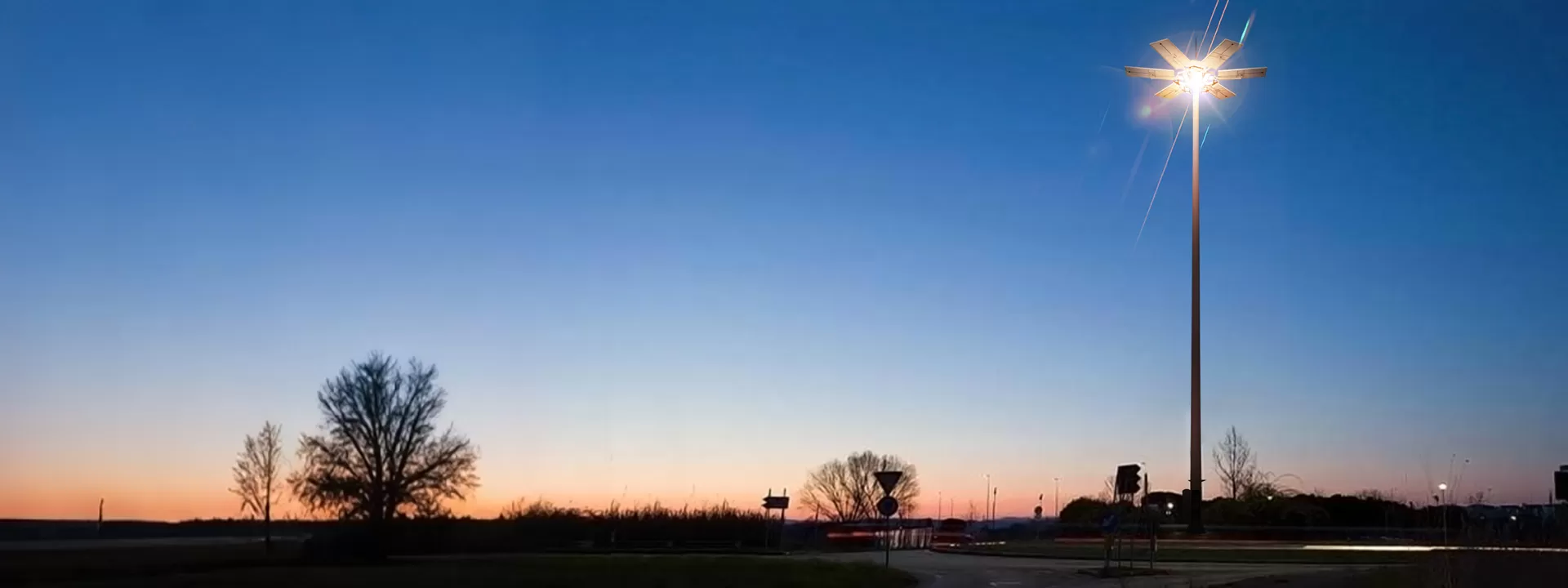
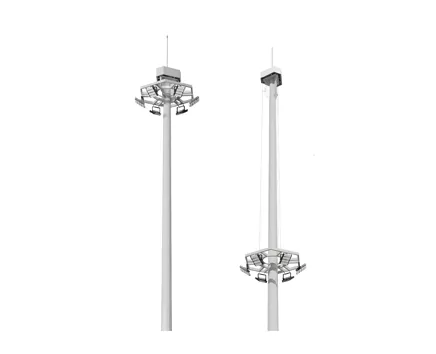
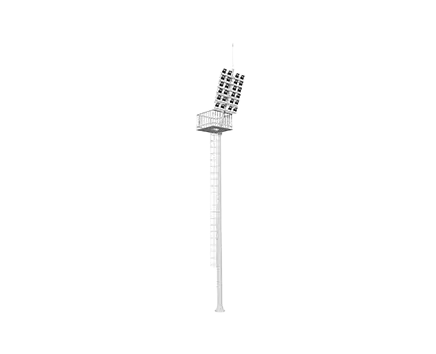
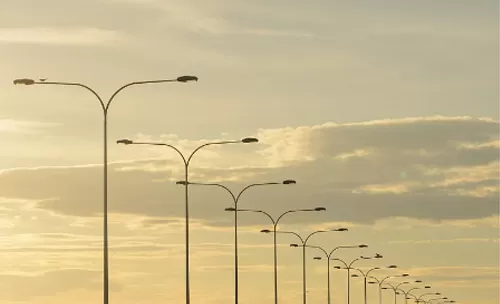
Sunlight is absorbed by the solar panels during the day and transformed into electrical energy. After being processed by the controller, the energy is used to charge and store the lithium battery. When the light fades in the evening, the controller's integrated light sensor and time control module initiate a discharge mode automatically. After the lithium battery releases electrical energy, the controller stabilizes it and supplies it to the lights at the top of the pole for illumination at night. The controller automatically stops the discharge and starts charging again when the light level reaches its target at dawn, creating a "charging-storage-discharging" cycle.
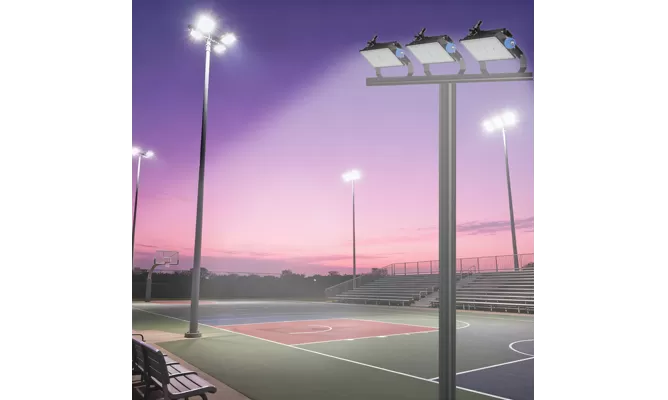
Urban public areas such as squares, stadiums, and parks that require wide-area lighting. Because they eliminate the need for complex wiring, solar high masts reduce construction and electricity costs for municipal lighting.
Remote and rural areas have poor power grid coverage and pricey wiring. Villagers can travel and manage farmland more easily at night by using solar high masts to help with nighttime lighting problems in fields and on village roads.
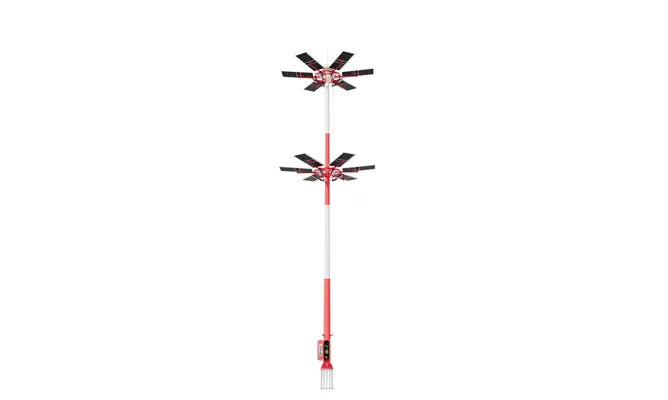
Solar high masts can meet the needs of tourist attractions for both nighttime scenery creation and environmental protection by adding soft light to the landscape and illuminating walkways to ensure visitor safety.
Ports, industrial parks, and large parking lots are examples of logistics and industrial areas. Solar high masts can provide lighting for nighttime operations and cargo loading and unloading in open areas where power lines are inconvenient.