Power Supply Method
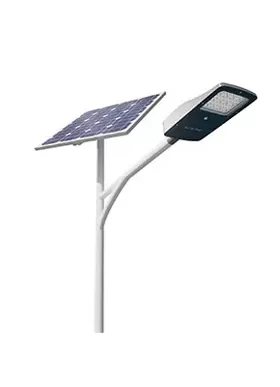
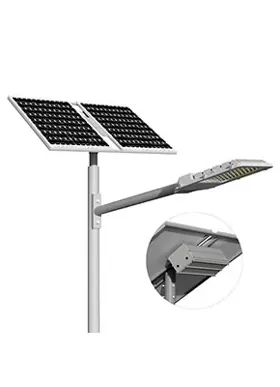
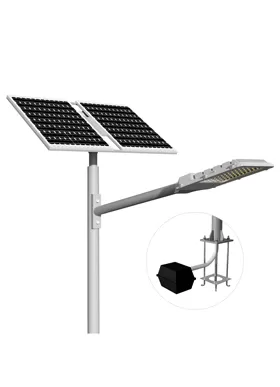
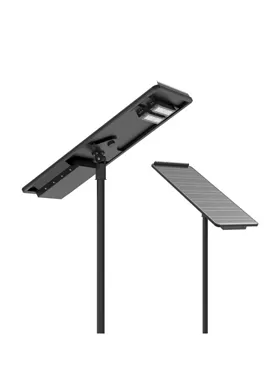
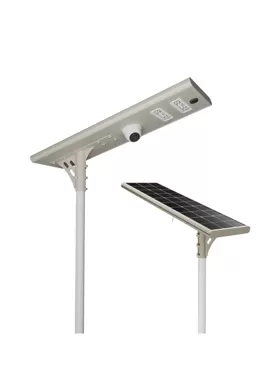
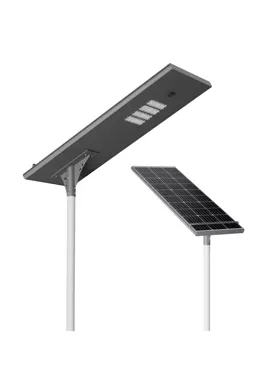
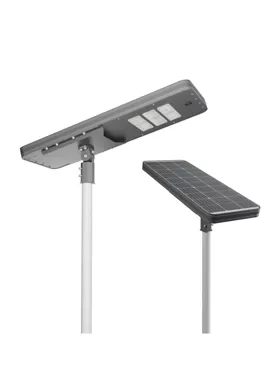
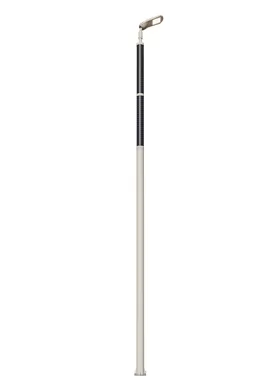
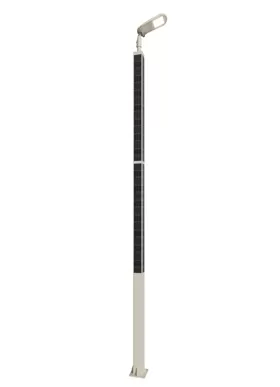
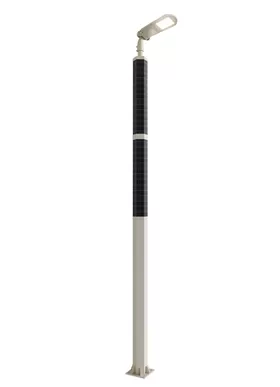
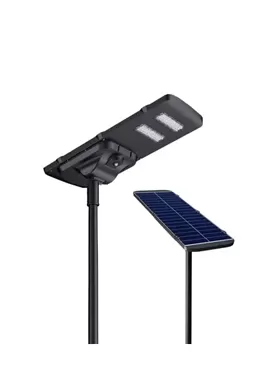
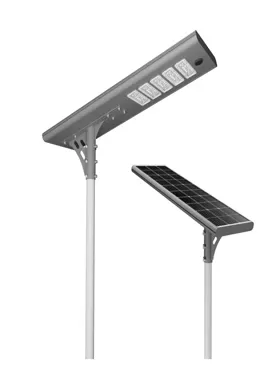
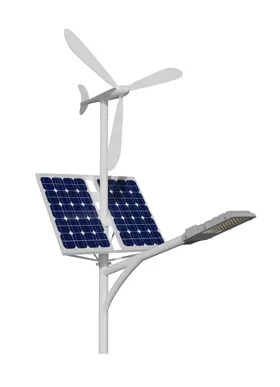
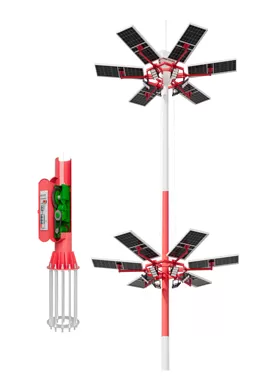
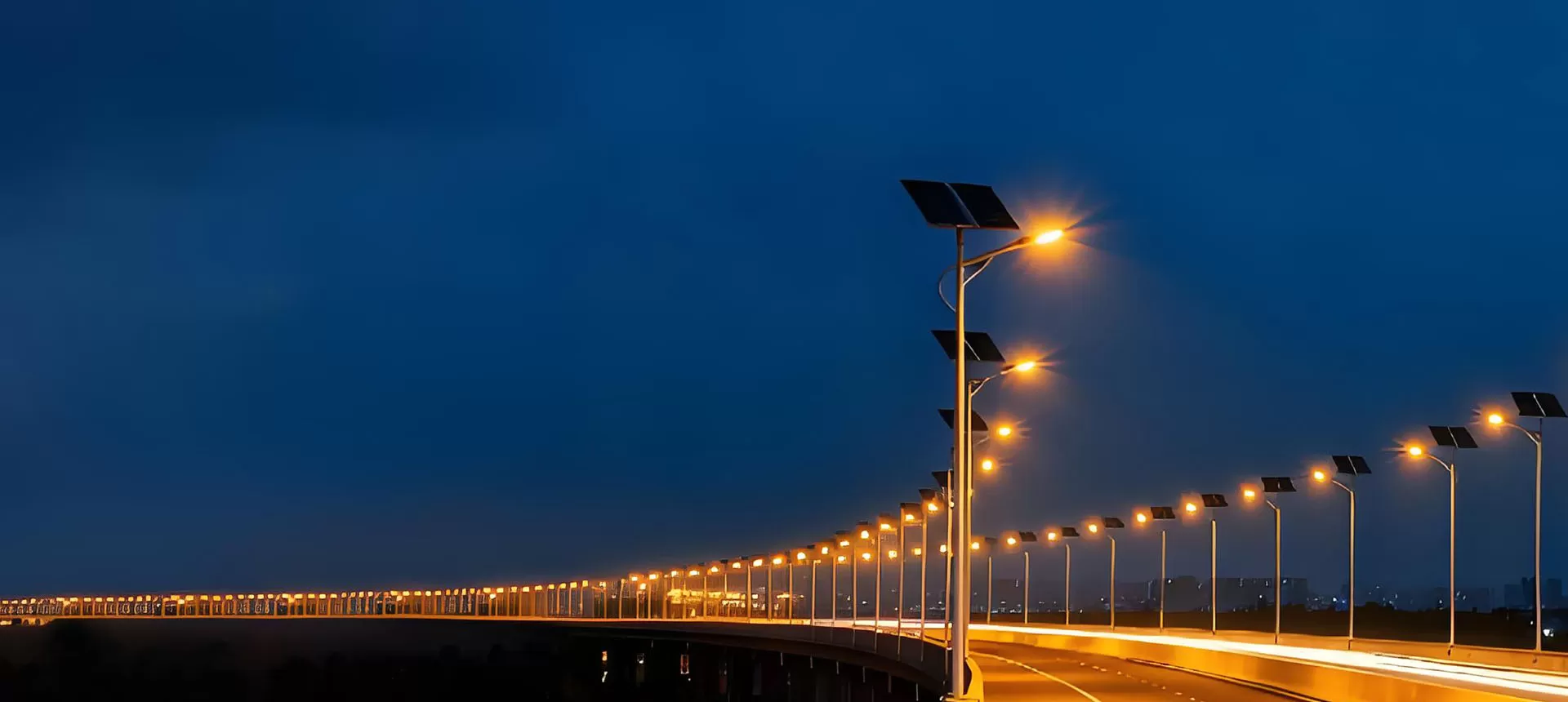
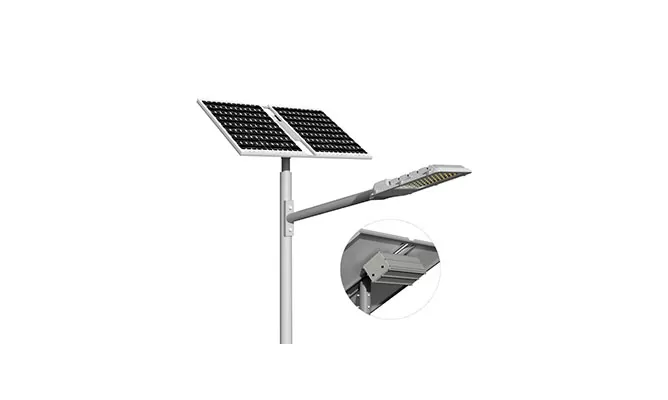
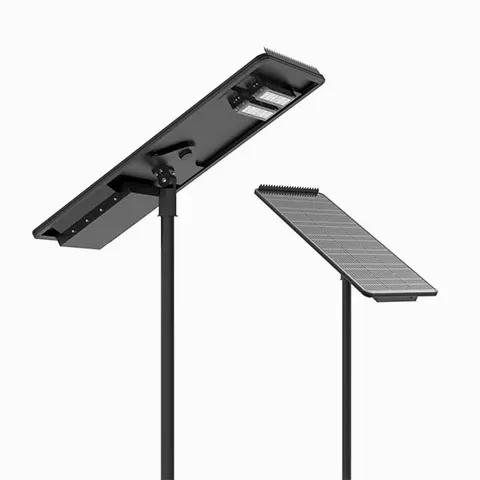
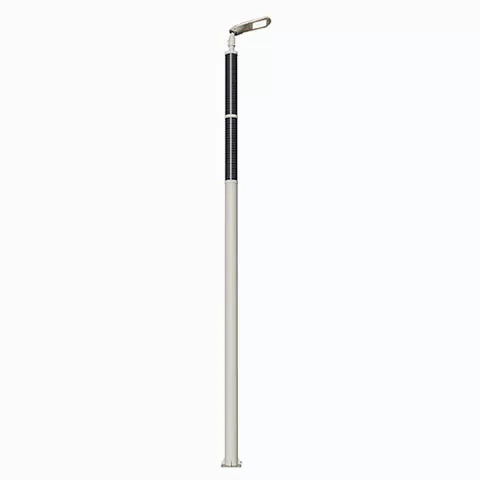
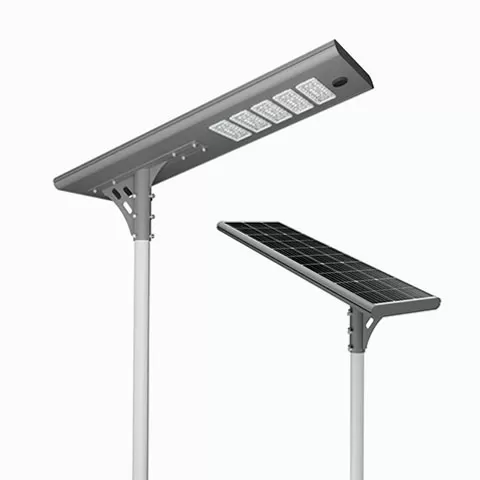
Solar street lights use a "solar panel + energy storage battery" system as their core power supply. During the day, the solar panels absorb sunlight and convert it into stored electricity, which is then discharged by the batteries at night for illumination. They are completely independent of the traditional mains electricity grid. LED street lights, on the other hand, require access to municipal power lines and rely on the grid for power.
Energy Attributes
Solar street lights utilize solar energy, a renewable and clean energy source. They consume no electricity during operation and have zero carbon emissions. While LED street lights offer energy-saving light sources, they still require continuous municipal power consumption, incurring electricity costs.
Installation and Operation and Maintenance
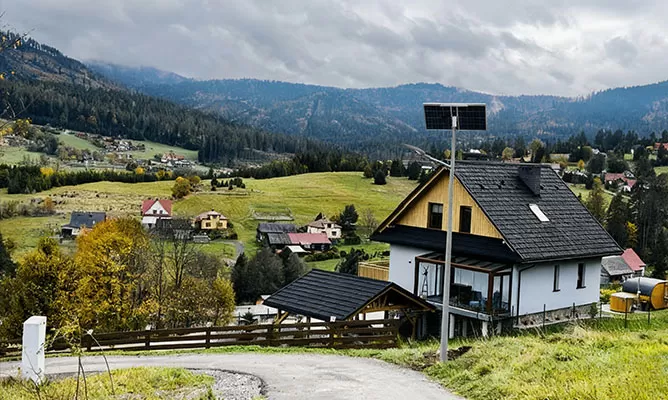
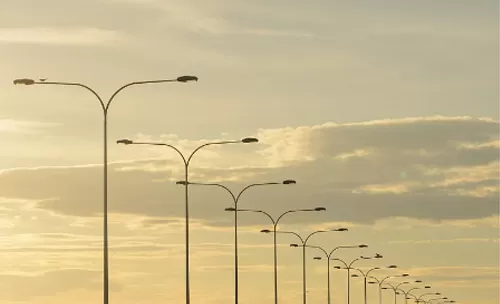
Solar street lights require no cabling, construction does not damage the road surface, and no connection to the grid is required. They are suitable for remote areas or locations without mains power. Operation and maintenance focus on regular cleaning of the solar panels and checking battery life. LED street light installation requires advance planning for cable laying and connection to the municipal grid. Construction involves excavation and electrical wiring, and relies on supporting grid infrastructure. Operation and maintenance focus on checking for line degradation and ensuring grid power stability.