
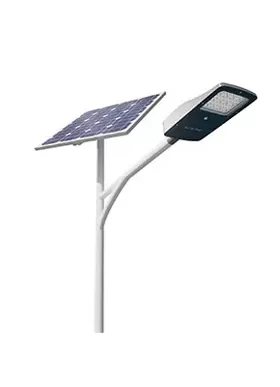
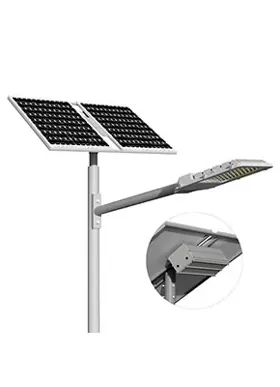
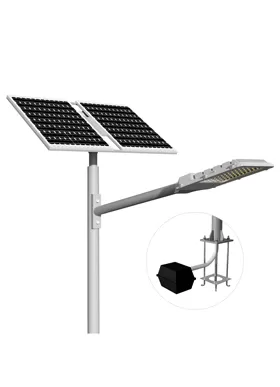
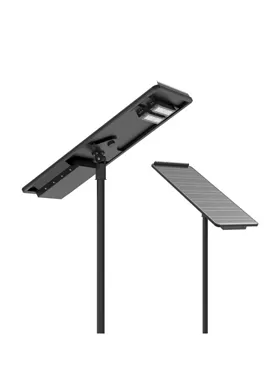
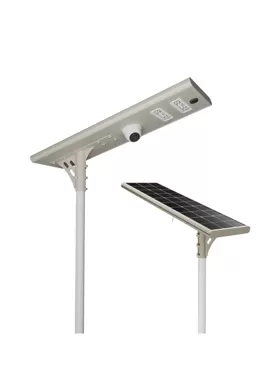
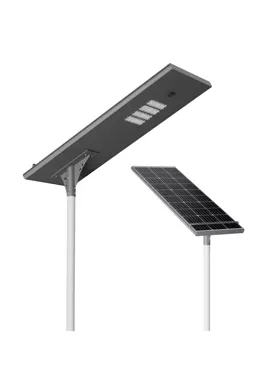
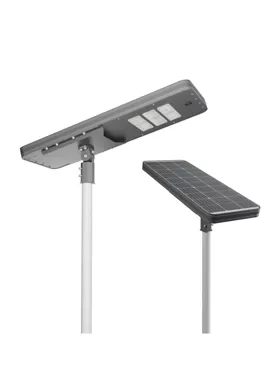
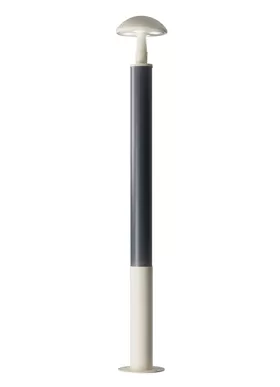
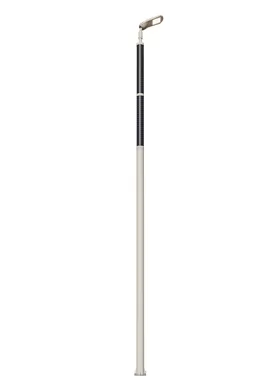
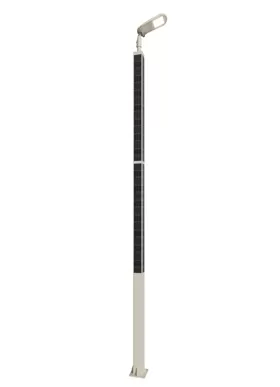
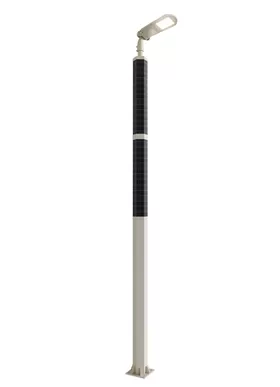
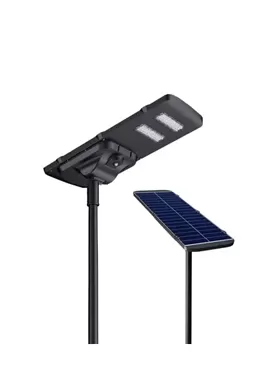
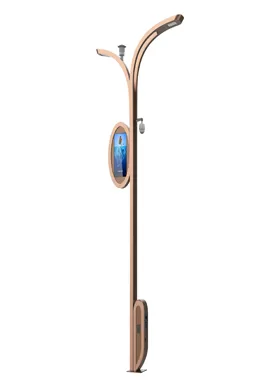
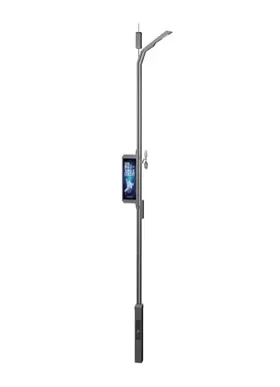
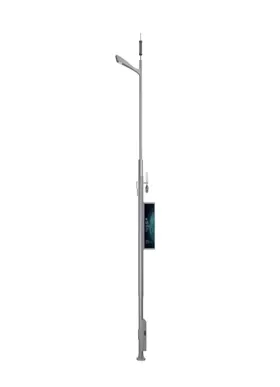
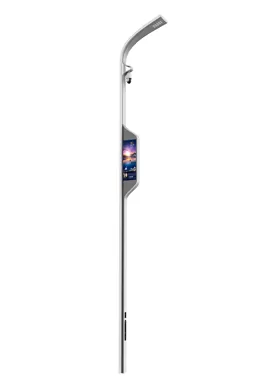
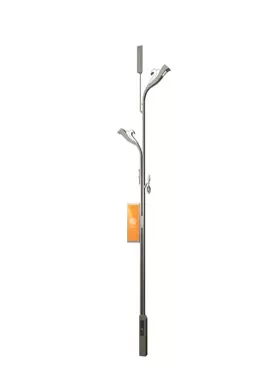
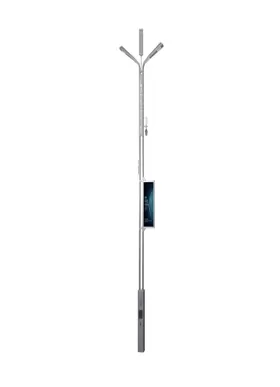
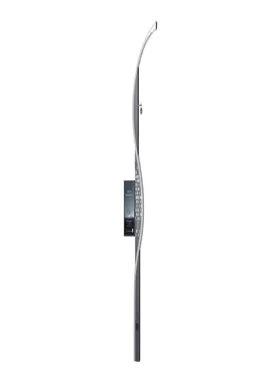
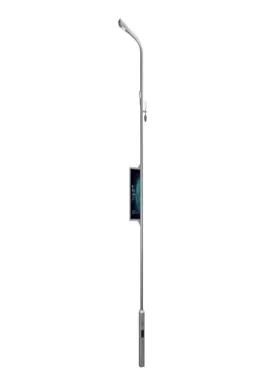
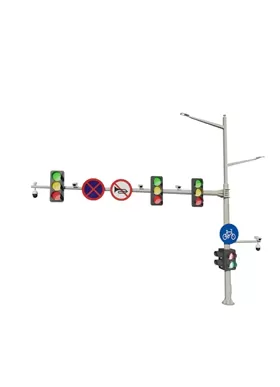
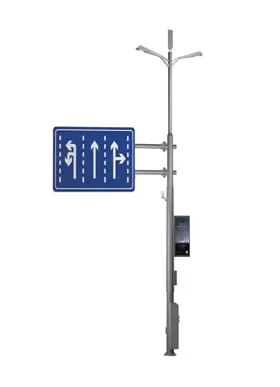
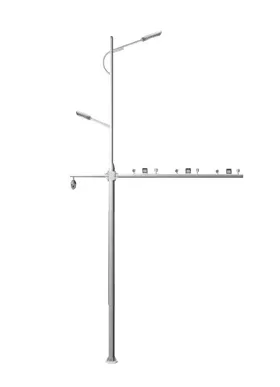
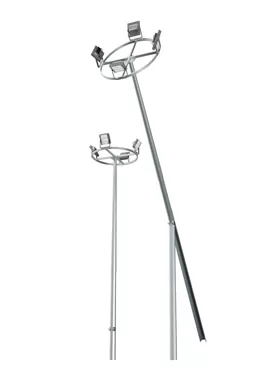
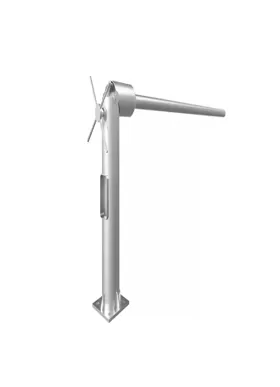
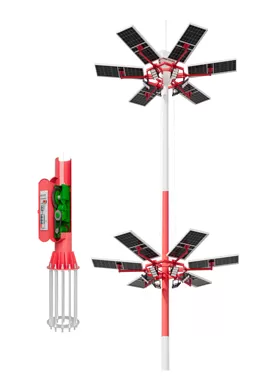
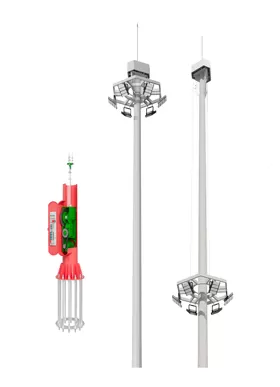
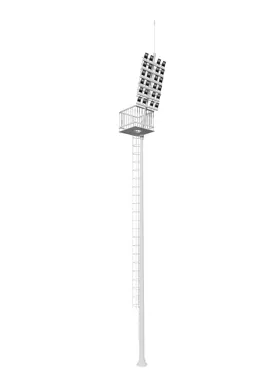

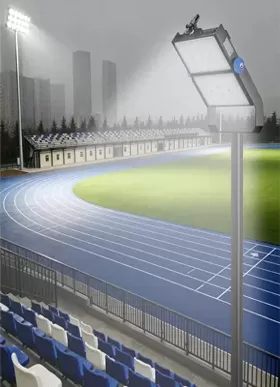
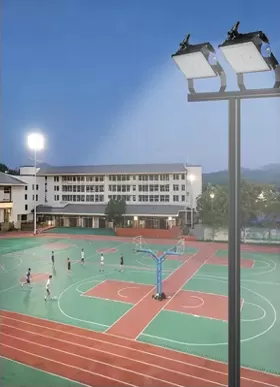
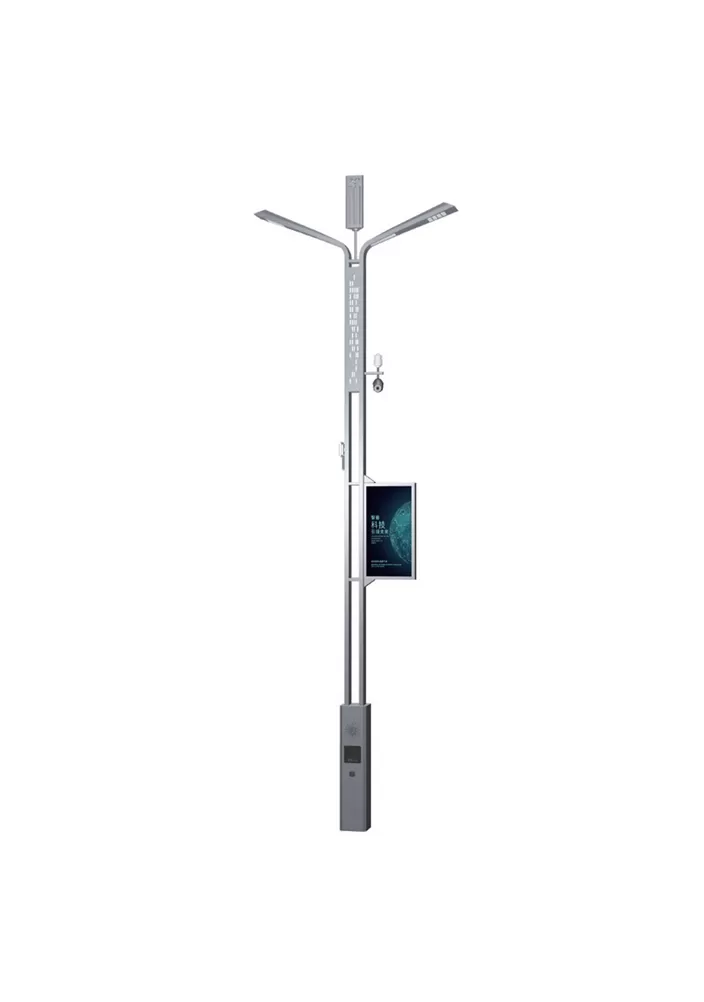
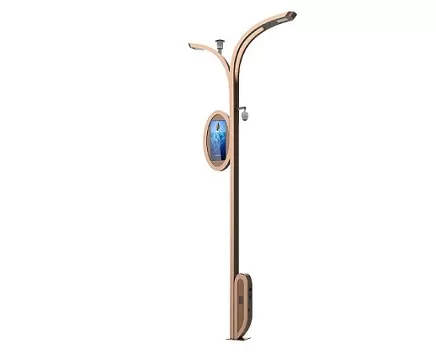
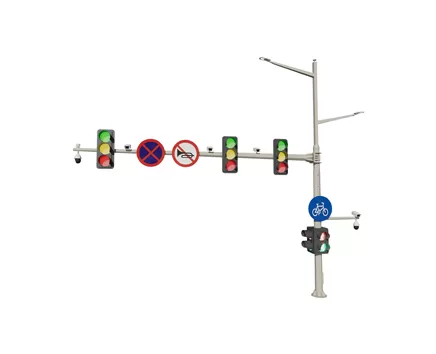



| Configuration Standard | Standard configuration | Optional configuration |
| LED lighting | √ | |
| Mobile phone charging | √ | |
| Human-computer interaction | √ | |
| One-click alarm | √ | |
| Atmospheric detection | √ | |
| Monitoring system | √ | |
| LED screen | √ | |
| Electric vehicle charging station | √ | |
| Audio system | √ | |
| WIFI | √ |
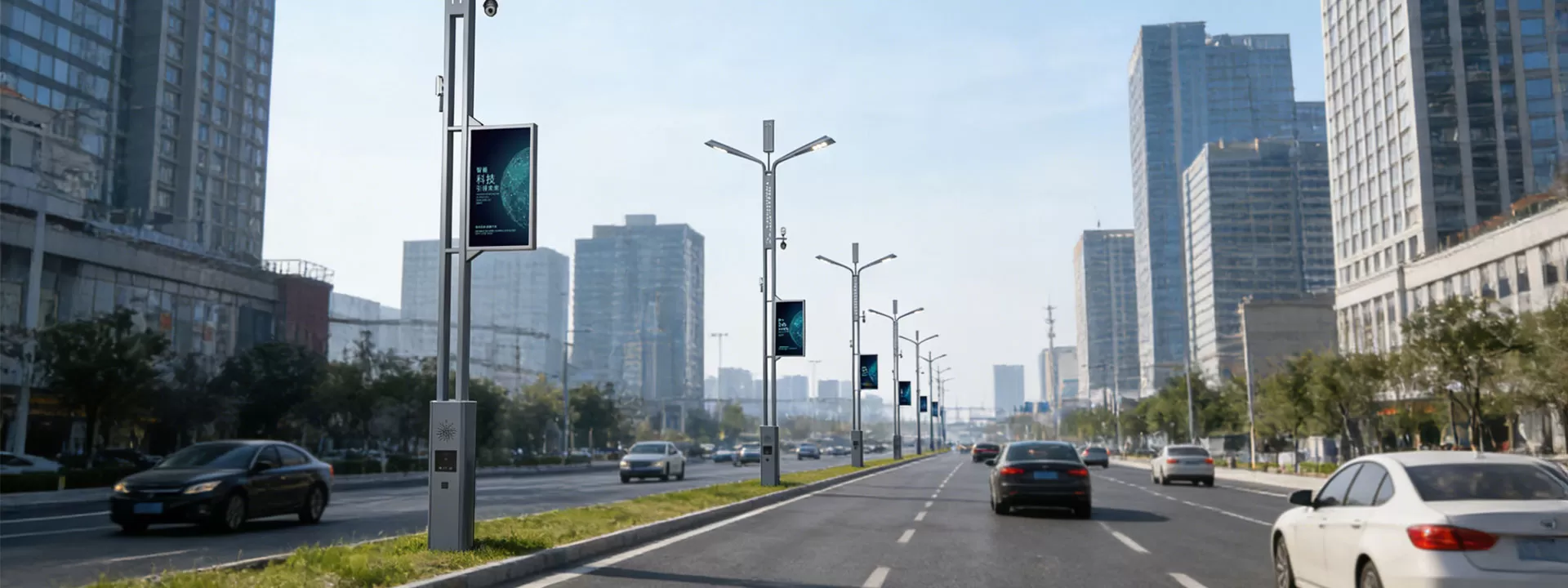
By connecting to sensors like light sensors and human body sensors, the intelligent control system can automatically change the brightness of the lighting, dimming it to save energy at night when no one is around and brightening it to ensure safety when cars or pedestrians pass by.
Facilitates centralized remote management. By accurately locating faults and issuing warnings, the backend can monitor the light poles' operational status in real time and drastically lower the cost of manual inspections.
Data-driven management can produce operational reports that serve as a foundation for decision-making when it comes to optimizing urban facilities and attaining the dual benefits of cost reduction, efficiency enhancement, and smart upgrade.
Inspect the controller host on a regular basis, clean the chassis of dust, and ensure that the interface wiring is secure to prevent signal interruption caused by looseness.
Test the intelligent control functions, including remote on/off, brightness adjustment, and device linkage, and troubleshoot any delays or malfunctions.
Update the system firmware and control software on a regular basis, as well as patch any vulnerabilities.
Verify IoT signal strength, troubleshoot network lag and data loss issues, and ensure stable cloud interaction.
Back up system configuration and operating data, plan for failures, and respond quickly to system crashes, program malfunctions, and other issues.