
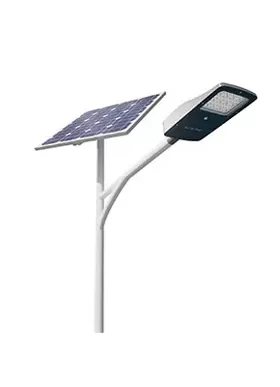
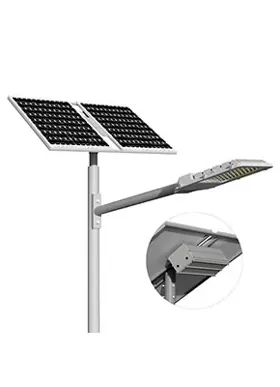
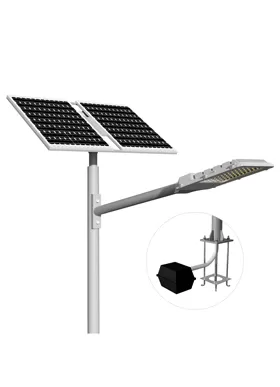
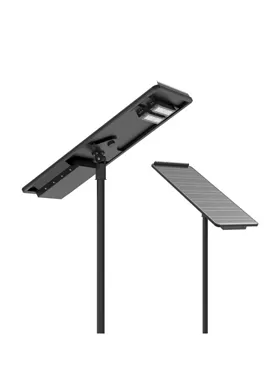
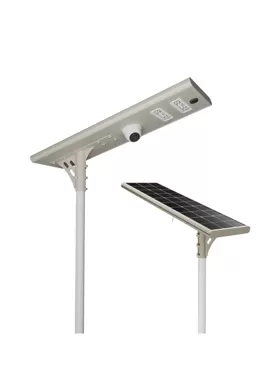
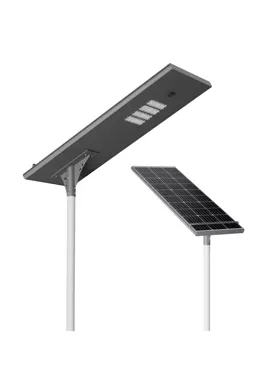
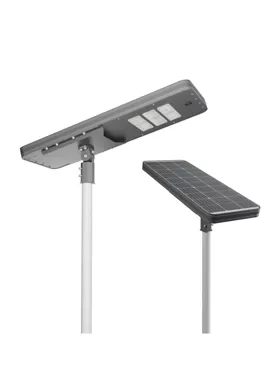
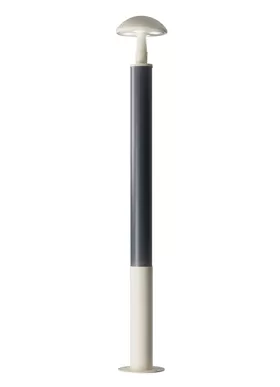
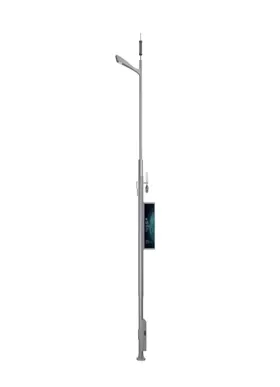
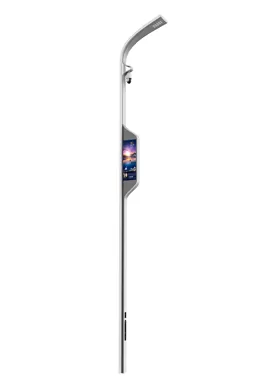
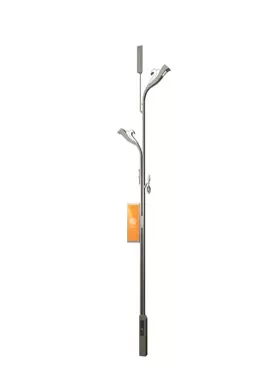
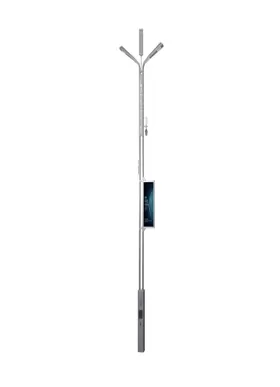
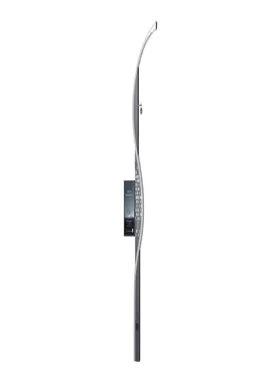
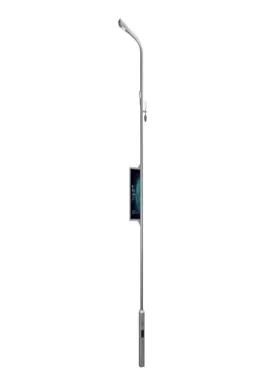
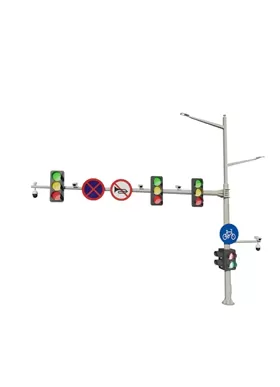
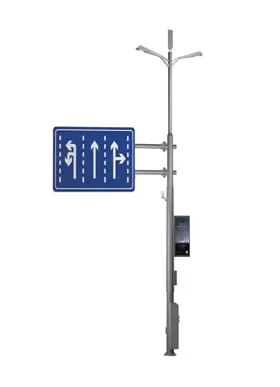
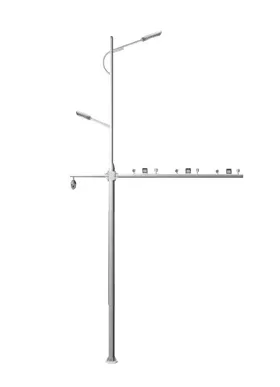
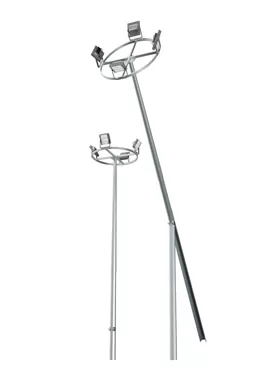
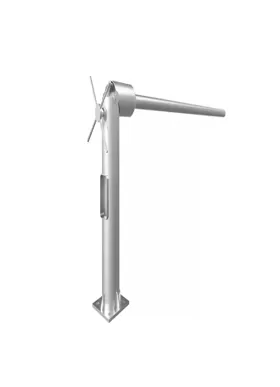
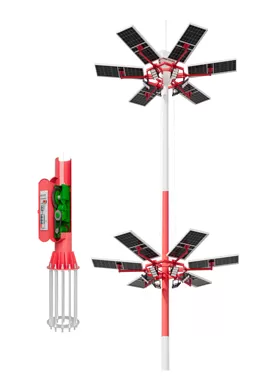

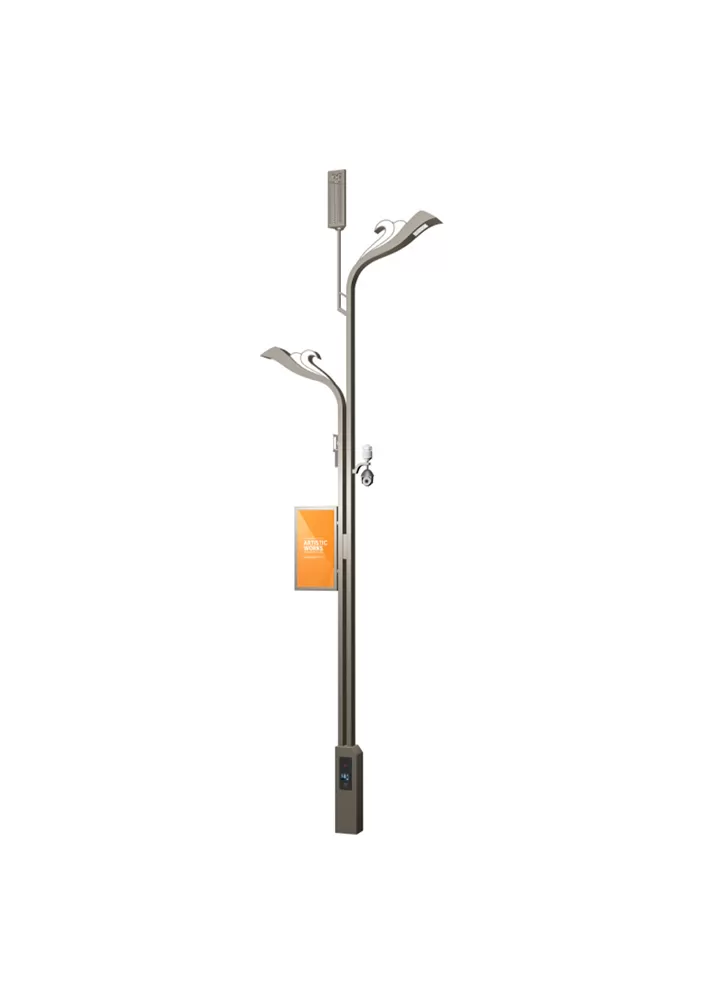
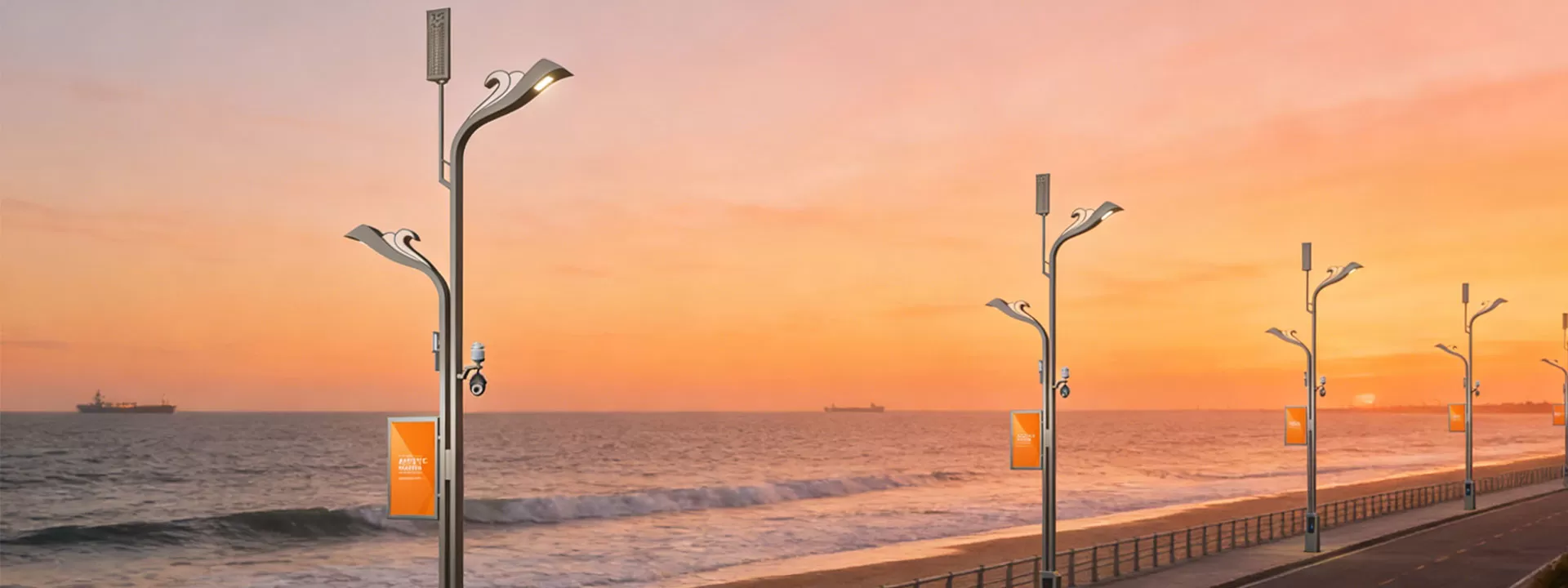
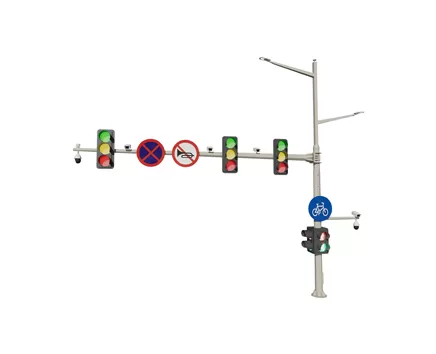
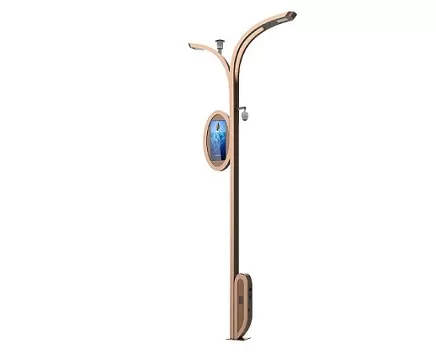



| Configuration Standard | Standard configuration | Optional configuration |
| LED lighting | √ | |
| Mobile phone charging | √ | |
| Human-computer interaction | √ | |
| One-click alarm | √ | |
| Atmospheric detection | √ | |
| Monitoring system | √ | |
| LED screen | √ | |
| Electric vehicle charging station | √ | |
| Audio system | √ | |
| WIFI | √ |
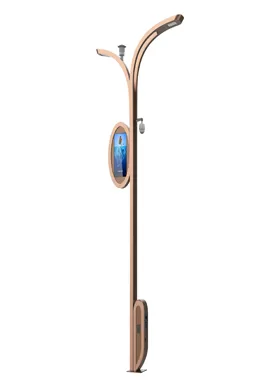
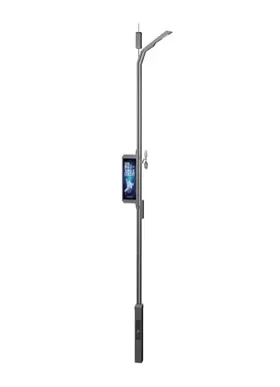
These poles, which are outfitted with sensors for temperature, humidity, PM2.5, and noise, allow for the real-time gathering of urban environmental data, resolving the coverage issues with conventional monitoring stations.
Following data analysis, the data can be linked to environmental protection departments for pollution source tracing or shown on screens to push air quality updates.
In emergency situations, the poles can promptly record abrupt pollution data and send out alerts, enabling effective reaction.
Clear dust and cobwebs from all sensor probes, including temperature, humidity, PM2.5, and noise sensors, on a regular basis to ensure monitoring accuracy and prevent obstructions.
Accurately calibrate the sensors in accordance with the calibration cycle, which is typically quarterly or semi-annually. Compare the data with standard data and adjust for any deviations.
Verify the sensor wiring and communication module, troubleshooting data delays and signal interruptions to guarantee real-time data upload.
Prevent rain and moisture intrusion by taking precautions and evaluating the sealing performance of the sensor. Conduct extensive inspections following severe weather.
To ensure equipment compatibility, keep the data acquisition terminal in good working order by clearing storage cache and upgrading the monitoring system software.