
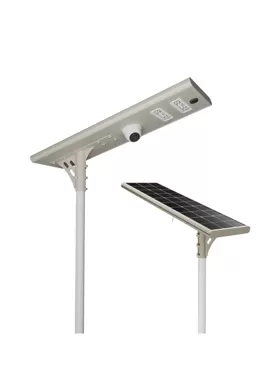
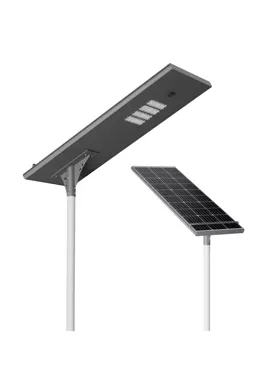
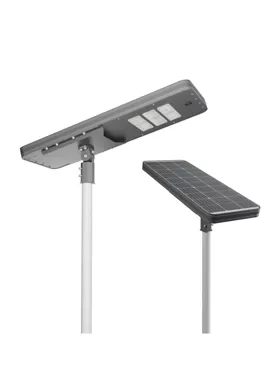


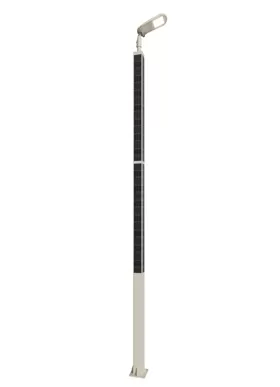
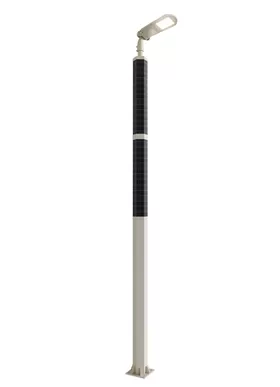
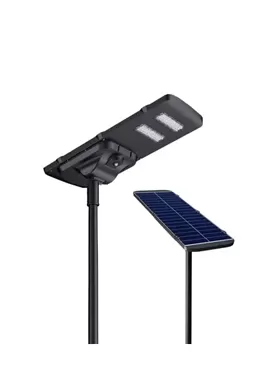
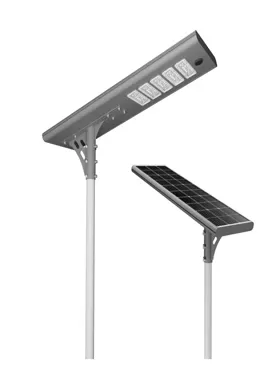
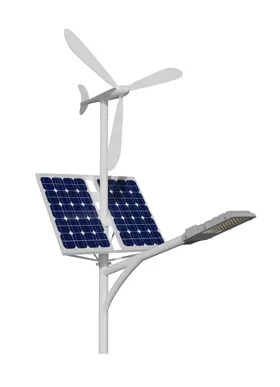

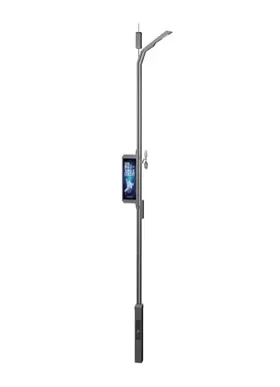
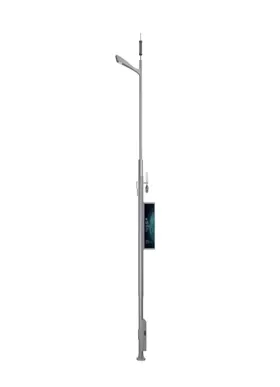
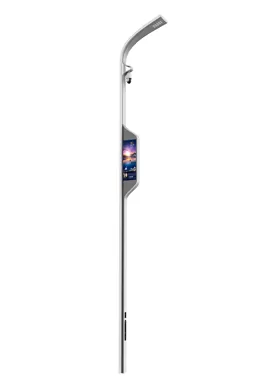
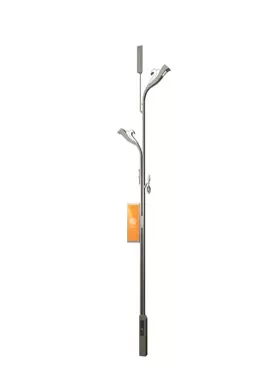
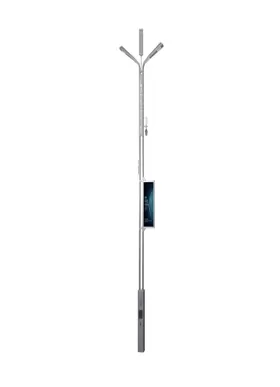
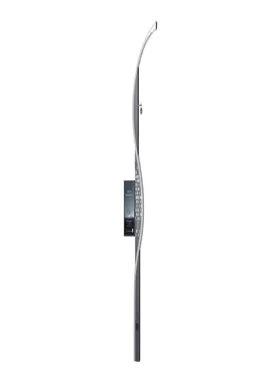
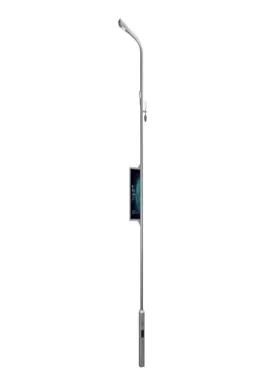
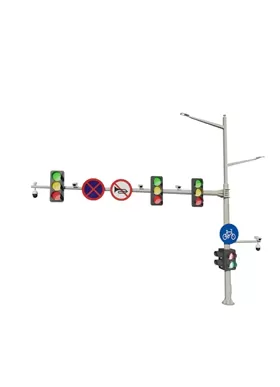
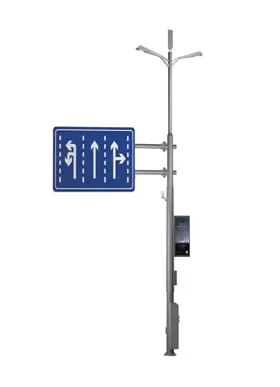
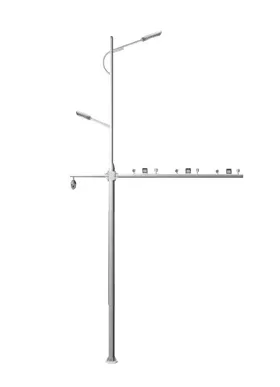
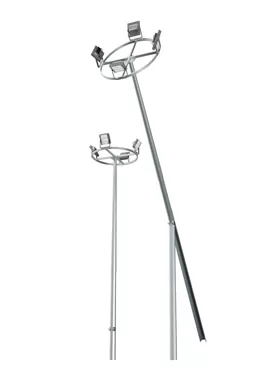
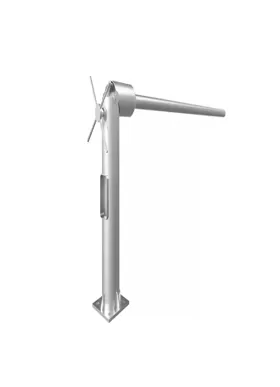
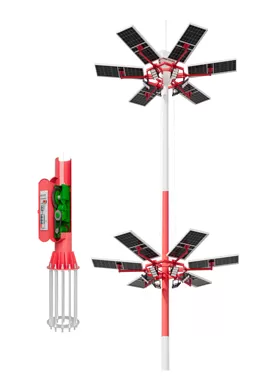
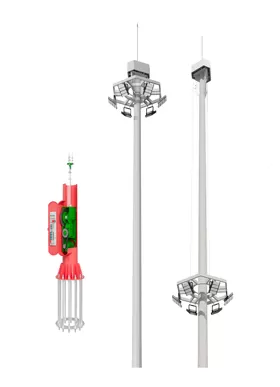
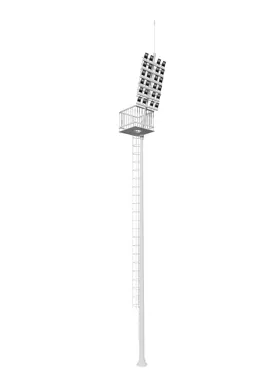

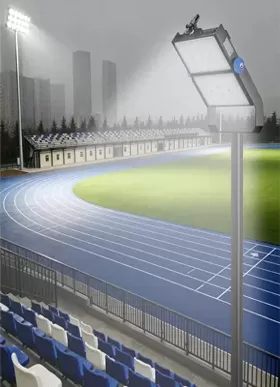
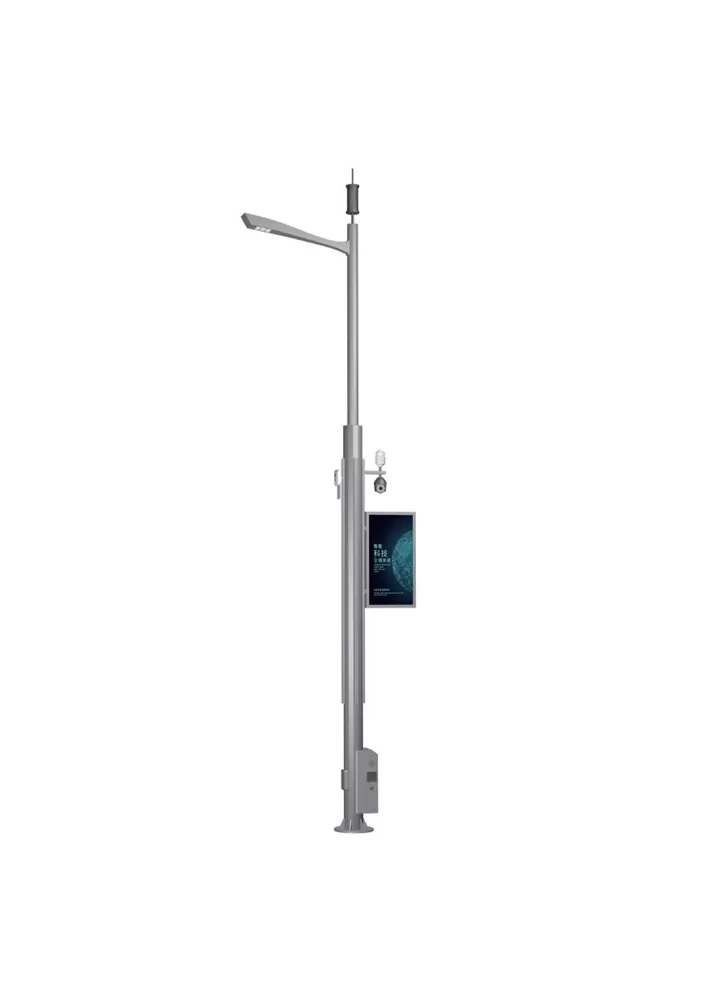







| Configuration Standard | Standard configuration | Optional configuration |
| LED lighting | √ | |
| Mobile phone charging | √ | |
| Human-computer interaction | √ | |
| One-click alarm | √ | |
| Atmospheric detection | √ | |
| Monitoring system | √ | |
| LED screen | √ | |
| Electric vehicle charging station | √ | |
| Audio system | √ | |
| WIFI | √ |
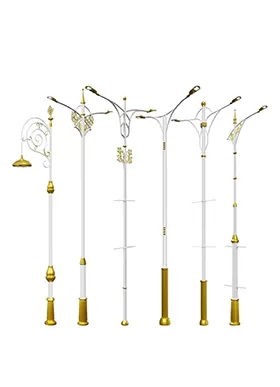
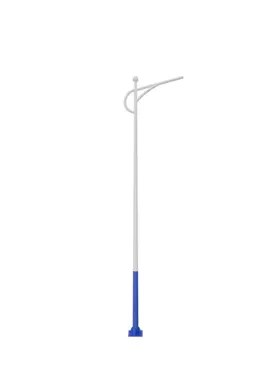
Makes use of existing light pole locations to construct charging stations, saving money and space by avoiding the need for repeated road excavation and wiring.
Connects the light pole's basic lighting function to charging services, giving owners of new energy vehicles convenient charging options and resolving charging issues.
Enables intelligent management, allowing for accurate resource allocation and fault diagnosis through real-time monitoring of charging status and light pole operation data via a back-end system.
Check for loose plugs and poor contact, test the smoothness of plugging and unplugging, and routinely inspect the charging station's interface by clearing away dust and foreign objects.
Examine the electrical safety performance, confirm that the overvoltage/overcurrent and leakage protection devices are operating correctly, and make sure there are no hidden hazards and proper grounding.
Examine the power supply and charging module lines, look for old or damaged cables, and quickly replace any malfunctioning parts.
To avoid issues, test the remote control feature, calibrate the billing and communication system on a regular basis, and update the firmware.
Take care to prevent corrosion, dust, and rain. Checking the equipment's insulation and sealing should be your main priority after severe weather.