
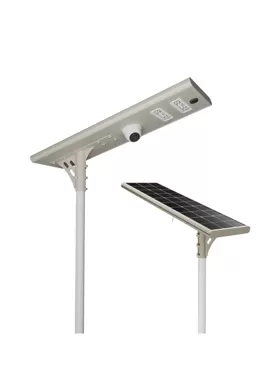
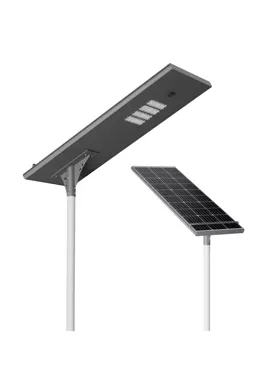
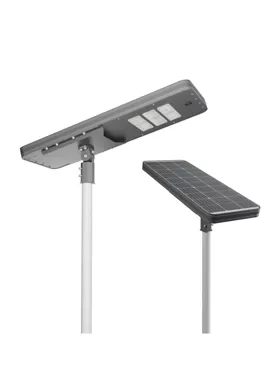
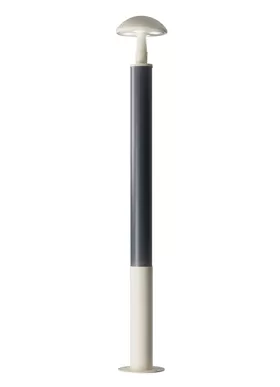
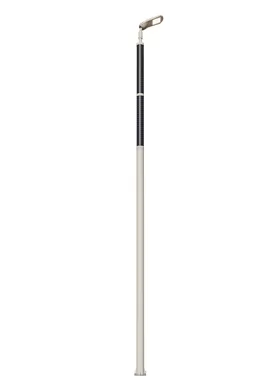
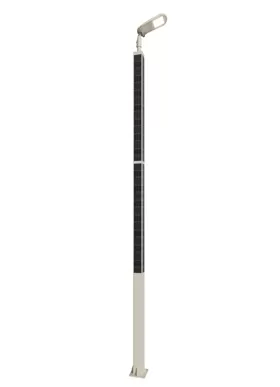
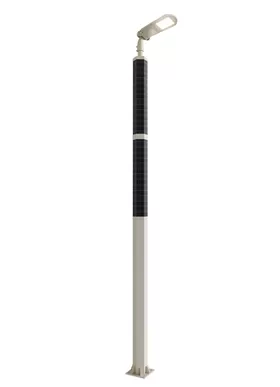
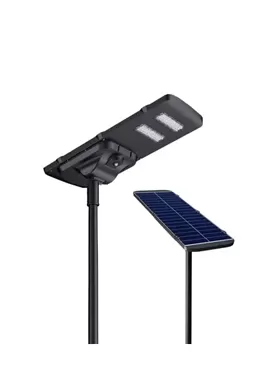
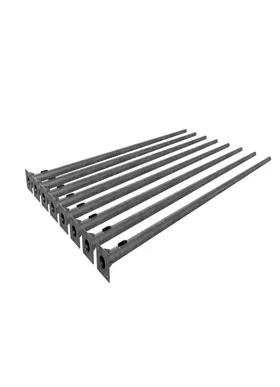
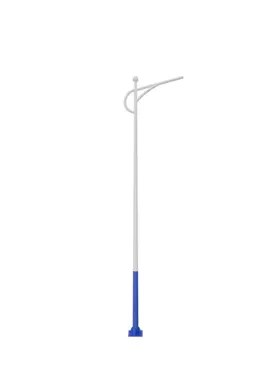
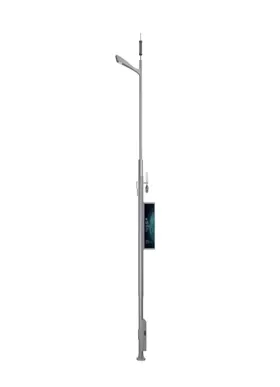
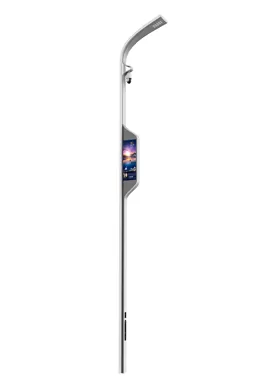
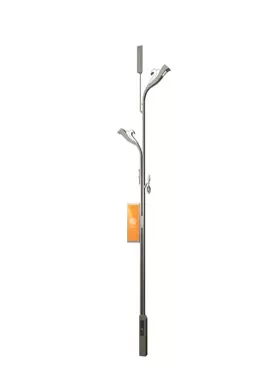
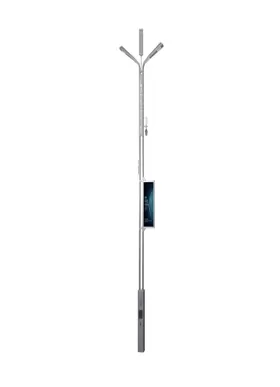
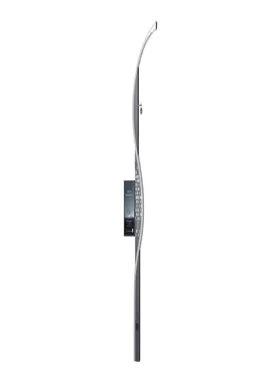
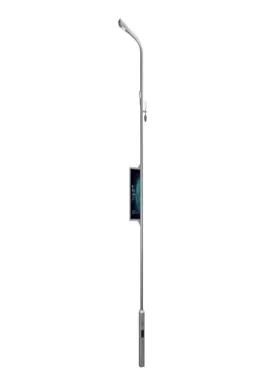
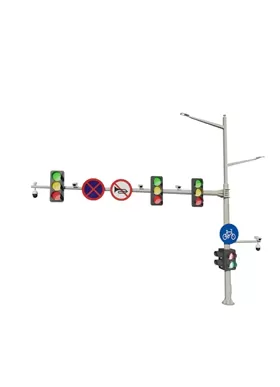
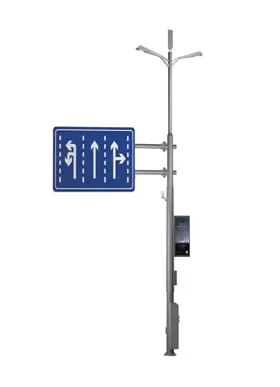
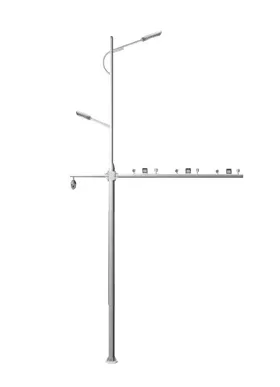
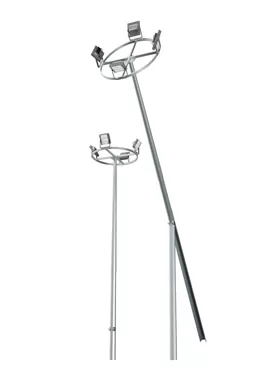
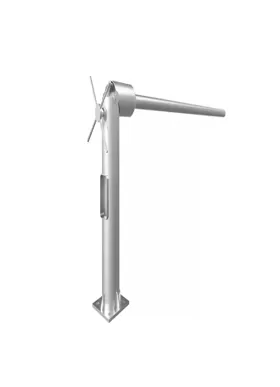
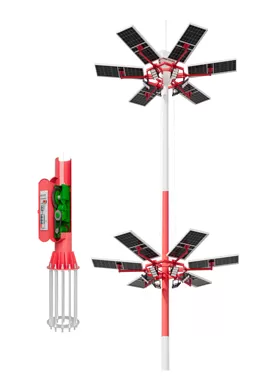
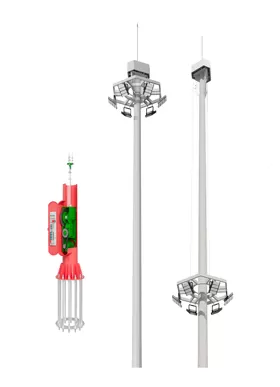
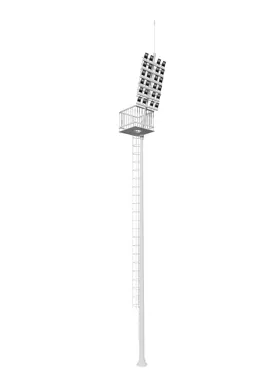

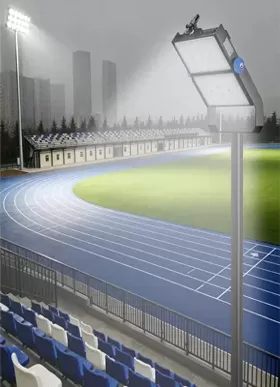
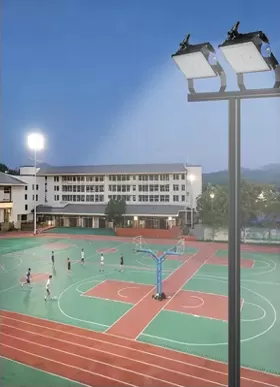
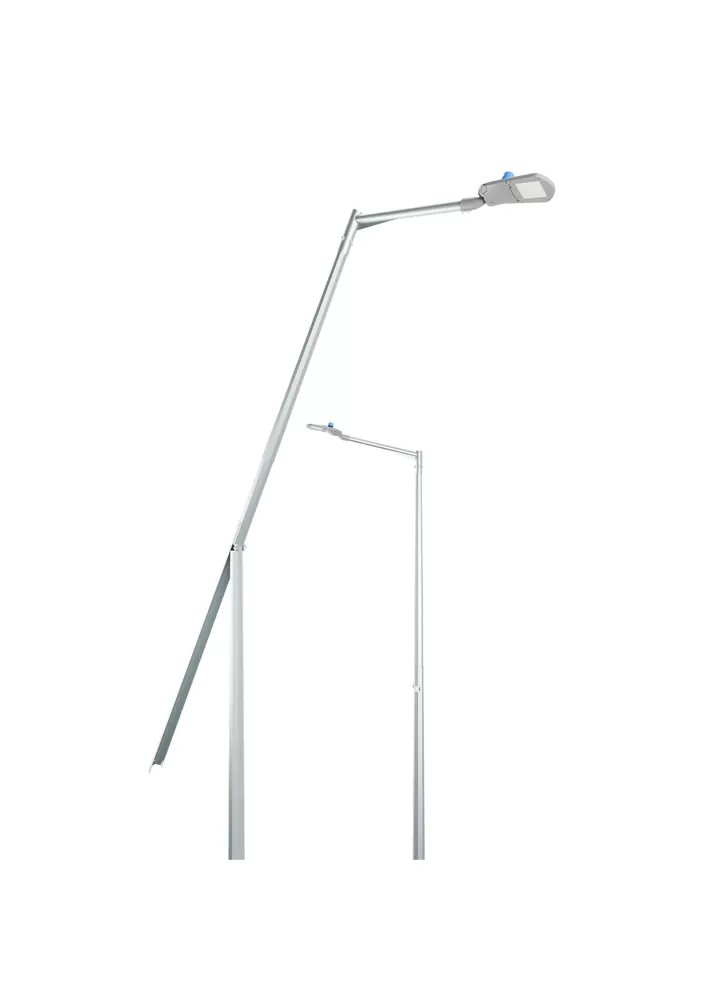
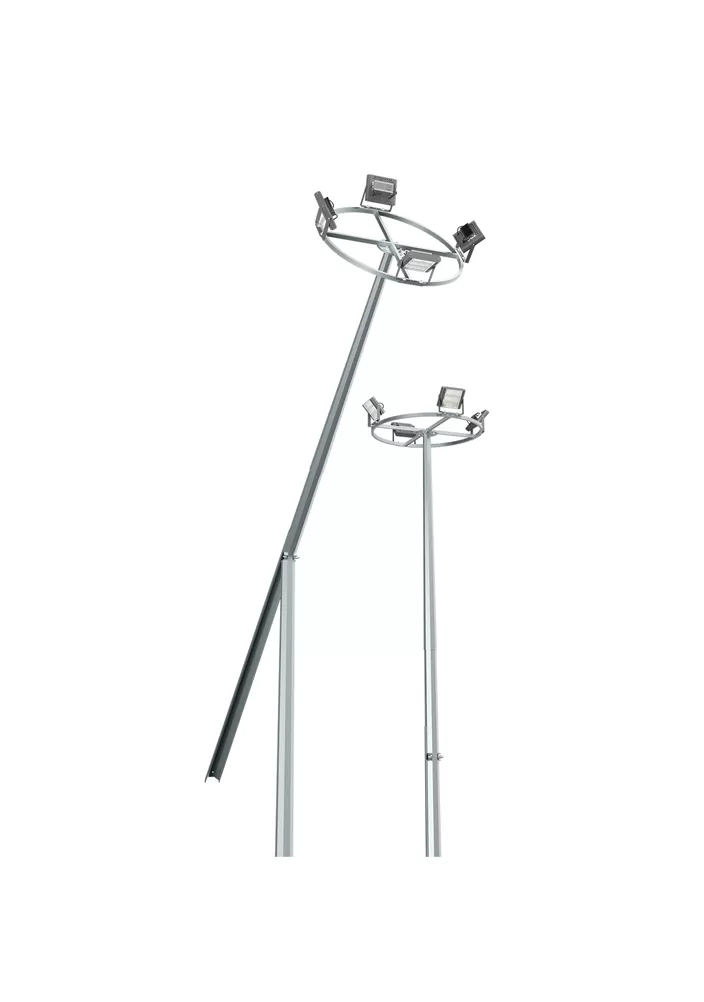






Compared to round poles, the octagonal design offers better bending and wind resistance by distributing stress more evenly. It has a longer service life and is resistant to weather and wear when combined with high-strength steel materials.
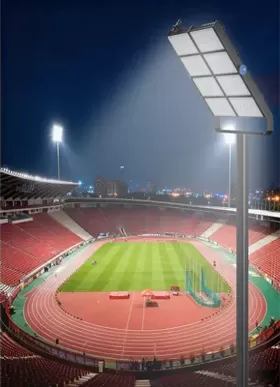
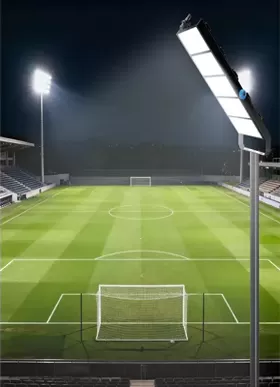
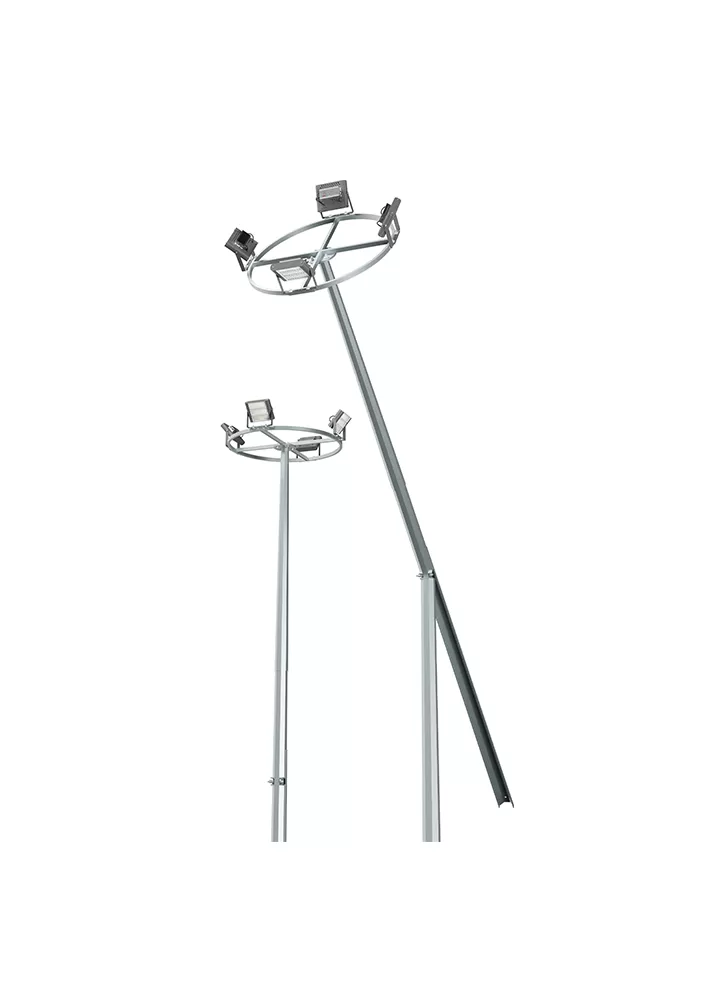
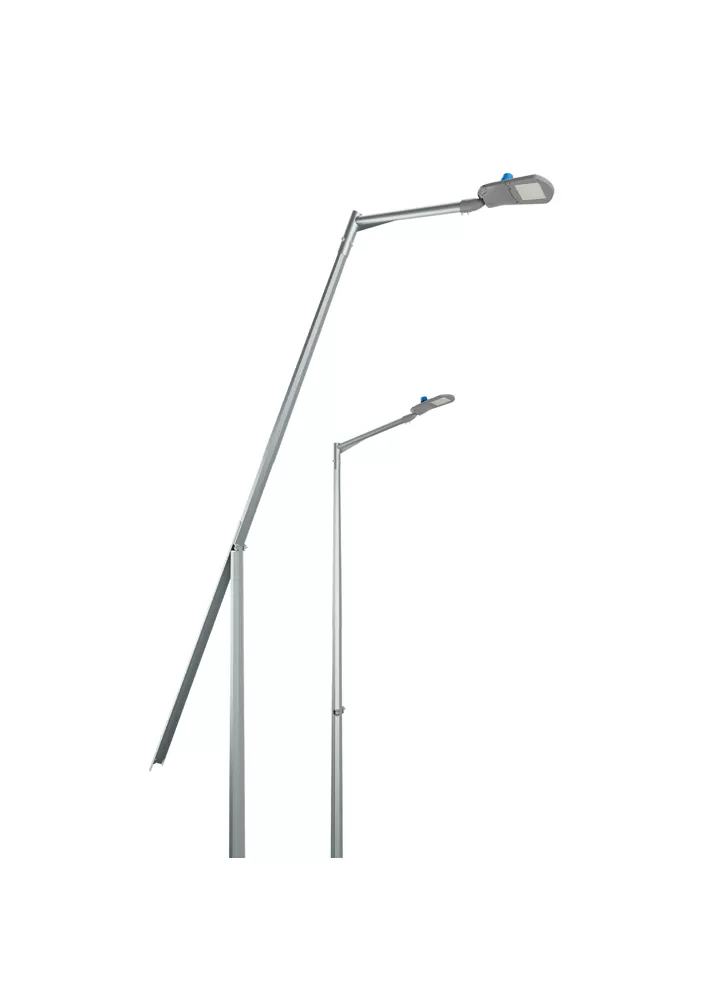
It is a practical and effective folding design. Folding and unfolding can be done by hand without the need for heavy lifting equipment. It is especially well-suited for emergency rescue situations, sporting events, and temporary lighting, enabling quick deployment and drastically reducing labor and time expenses.
There are no problems with storage or transportation. After folding, the size is greatly reduced, making it easier to load and transport vehicles. It also doesn't take up much room when being stored, which lowers the cost of logistics and warehousing.
Use a special anti-rust lubricant, clean the joints of dust and oil on a regular basis, and make sure that folding and opening go smoothly and without jamming or unusual noise. Make sure the joint latches are tight to avoid wobbling and loosening.
To prevent equipment overloading and structural deformation, test the pole's load-bearing stability on a regular basis.
When folding and storing, try not to compress them too hard. Make sure every component is positioned correctly and avoid bending them by force. To avoid scratches and corrosion, store in a dry, well-ventilated location away from sharp objects and acidic or alkaline environments. To avoid loosening from bumps during transportation, firmly secure the pole.
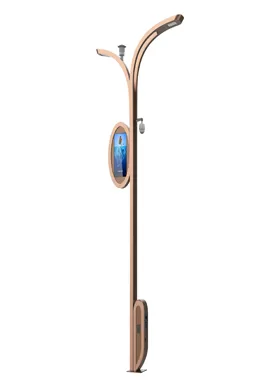
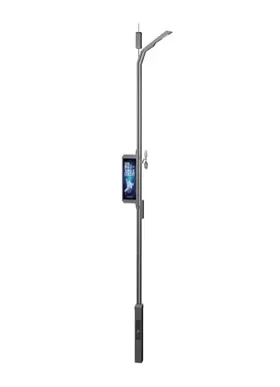
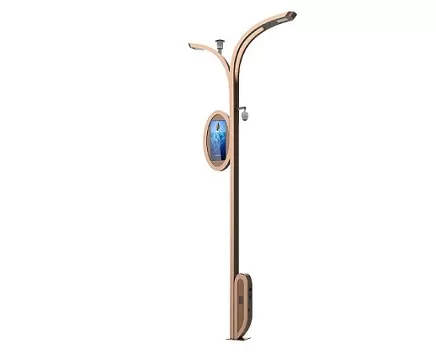
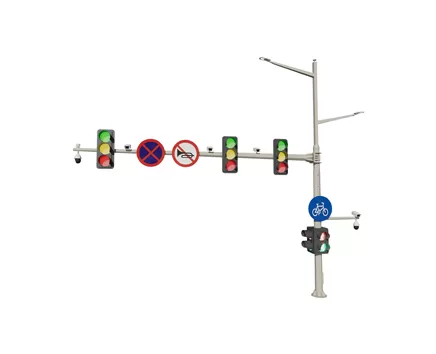
To avoid water intrusion and short circuits, make sure the wiring interfaces are adequately sealed and that the connection between the equipment and the pole bracket is secure before mounting lighting, monitoring, or other equipment. Make sure that heat-dissipating components are not blocked and routinely clear the equipment mounting area of dust.