1. Different Core Positioning
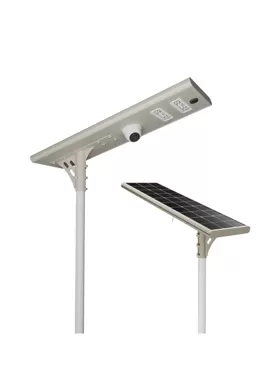
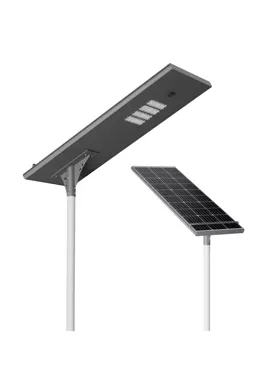
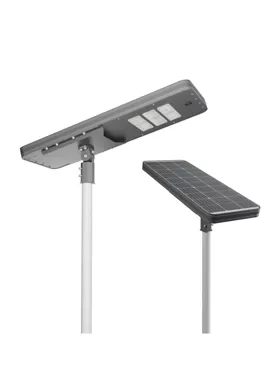
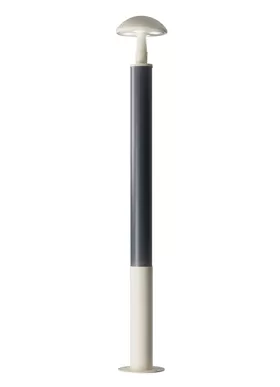
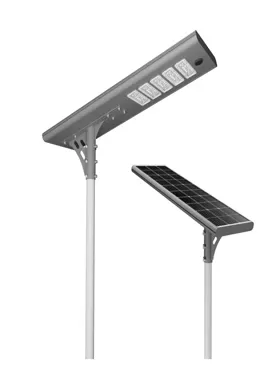
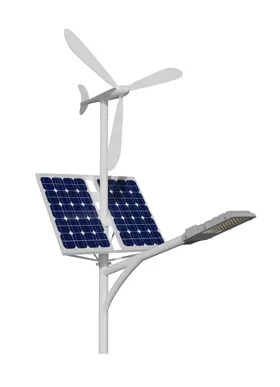
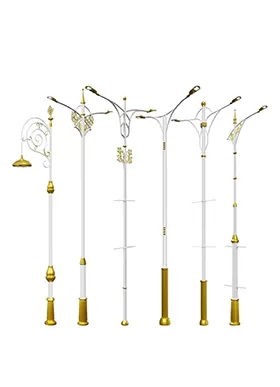
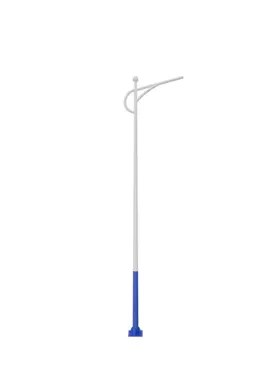
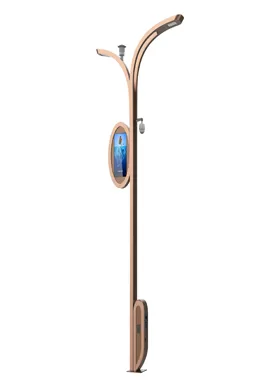
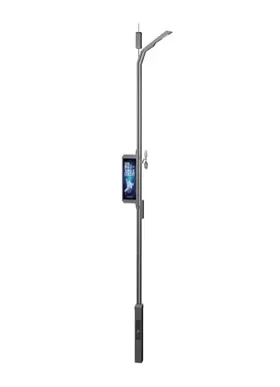
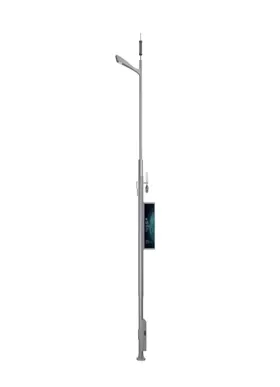
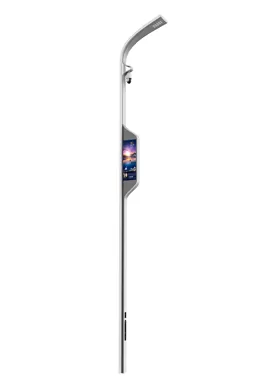
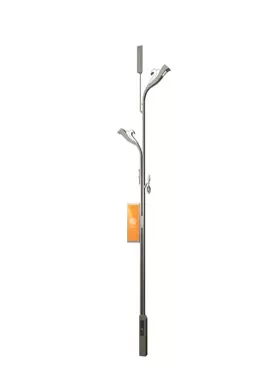
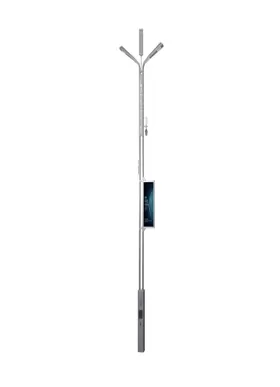
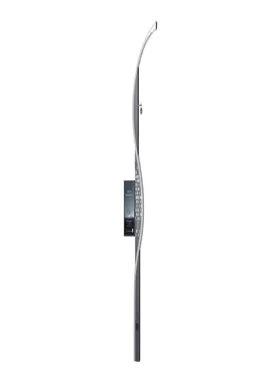
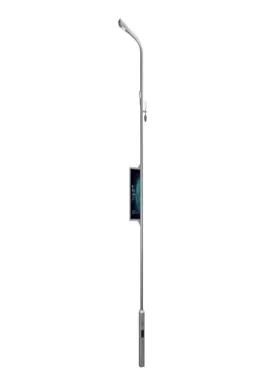
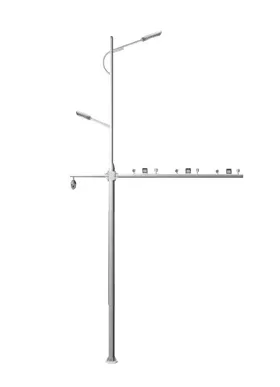
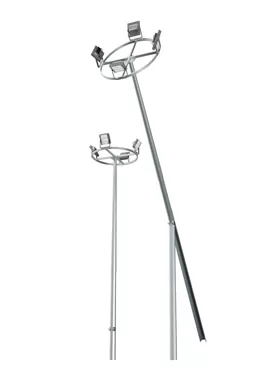
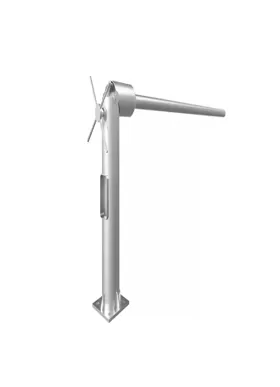
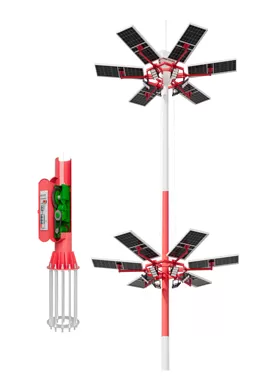
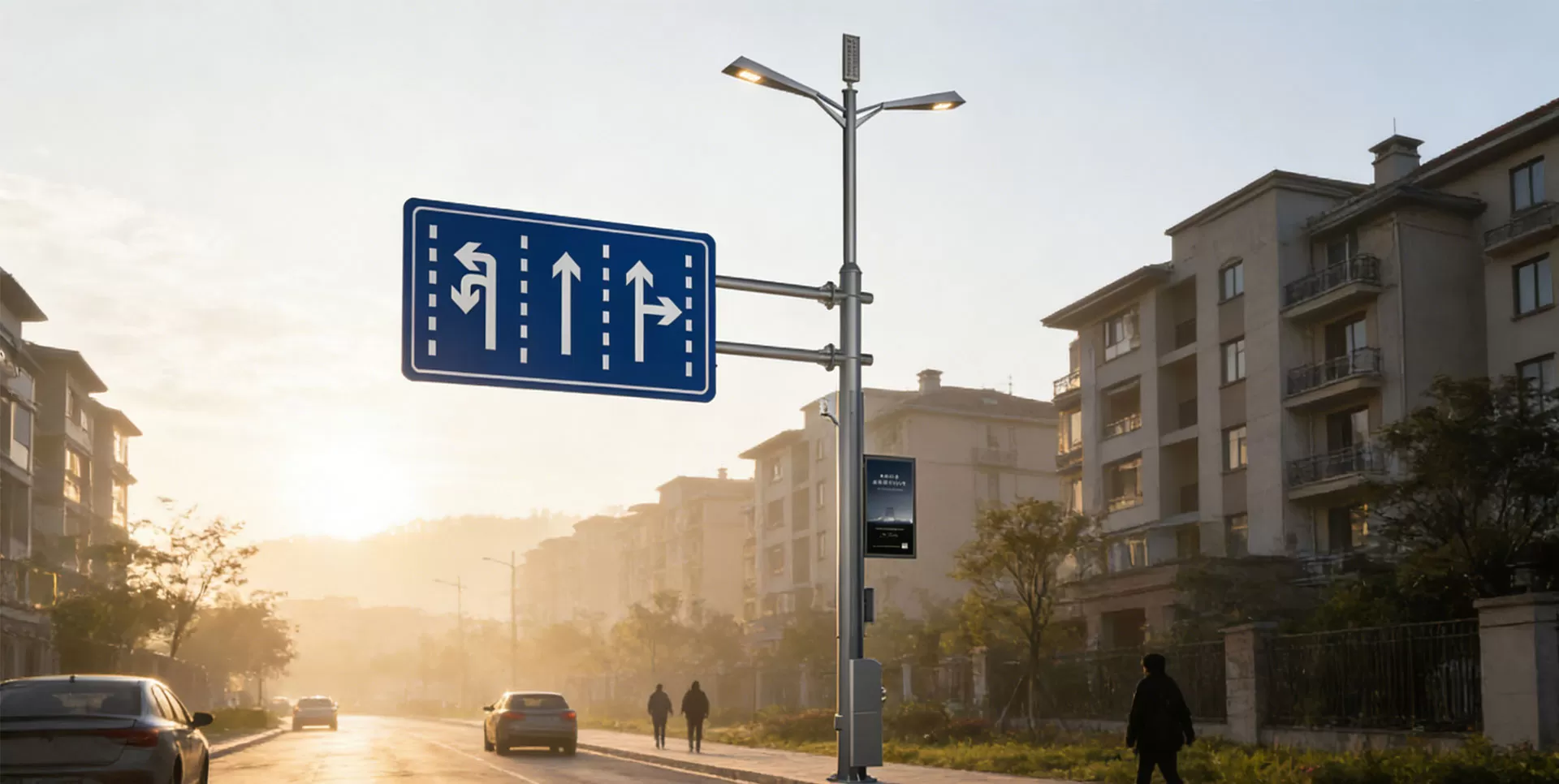
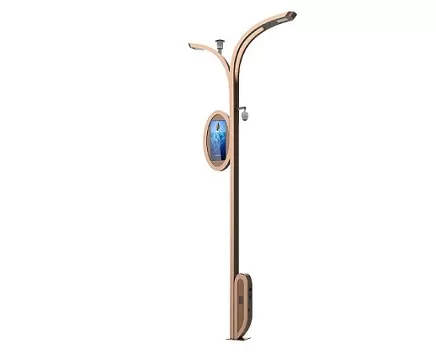
Integrated light poles, which are a fundamental type of facility integration, concentrate on minimizing the number of poles and conserving space. Smart light poles function as a basic sensing node for smart cities, using the light pole as a carrier and intelligent management at their core.
2. Different Functional Emphasis
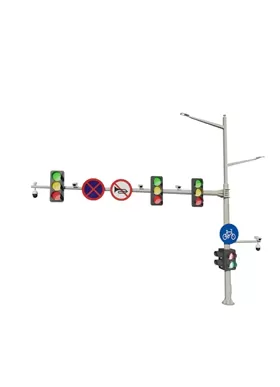
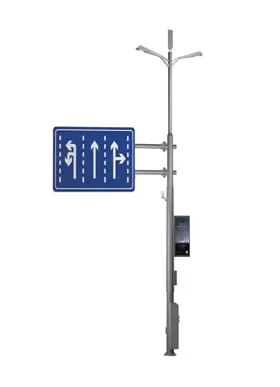
Integrated light poles often integrate infrastructure such as streetlights, traffic lights, and signs, with relatively fixed functions and no complex intelligent modules, only meeting basic public facility needs. Smart light poles, in addition to lighting, can be equipped with 5G base stations, environmental sensors, etc., and can also remotely dim and alarm via a platform, achieving data collection and intelligent linkage.
3. Various Application Situations
In order to specifically address the issue of traffic congestion at intersections caused by multiple poles, integrated light poles are primarily utilized on major urban roads. Smart light poles can be tailored with features like charging piles and information screens to satisfy a variety of intelligent needs. Additionally, they are adaptable to applications outside of municipal roads, such as smart parks.