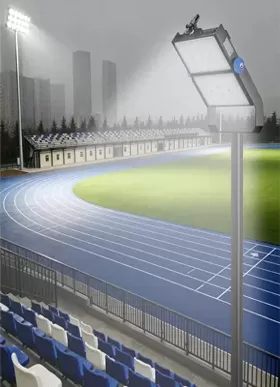
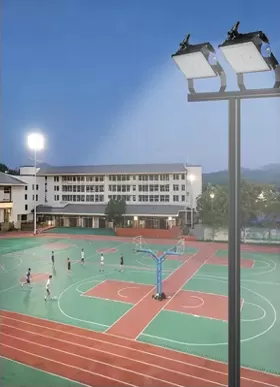
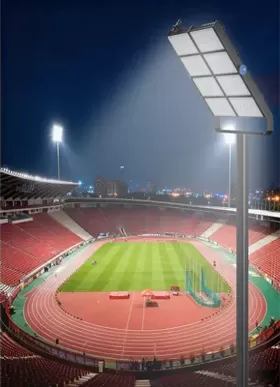
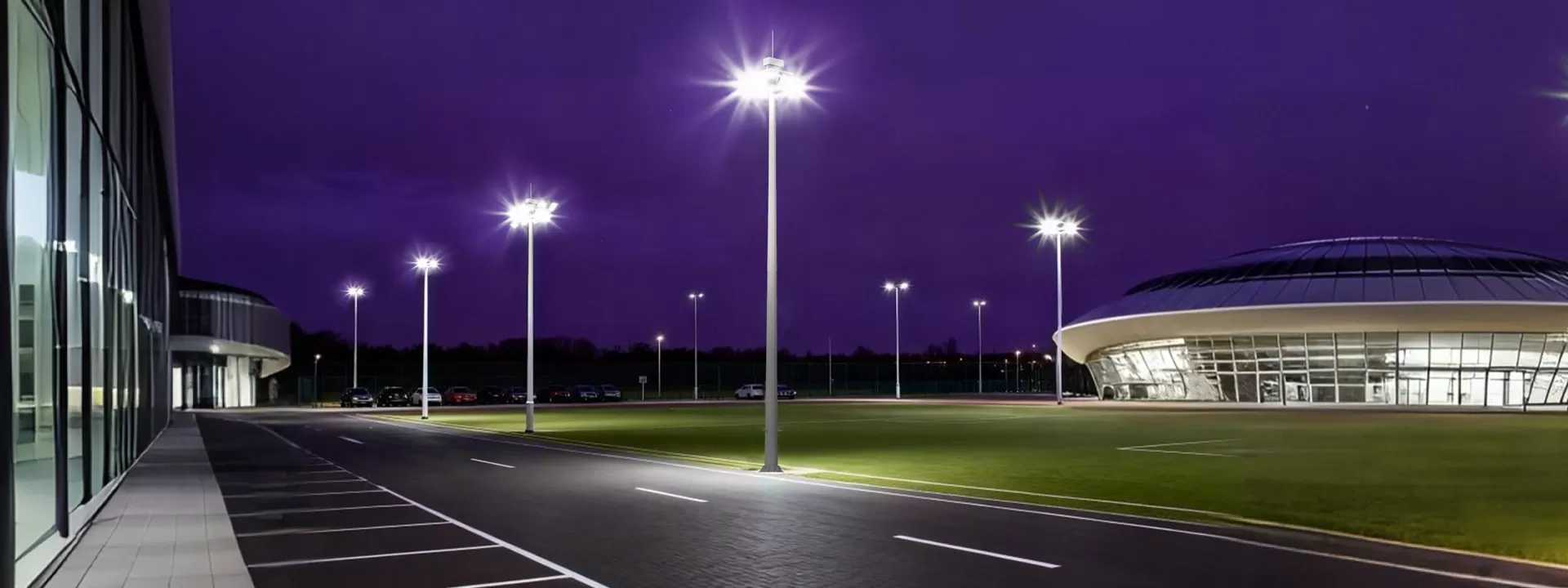
1. Huge open areas
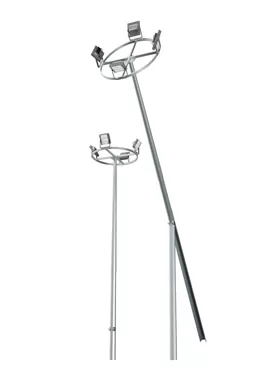
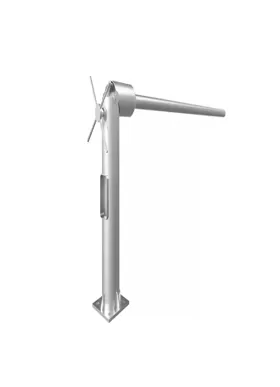
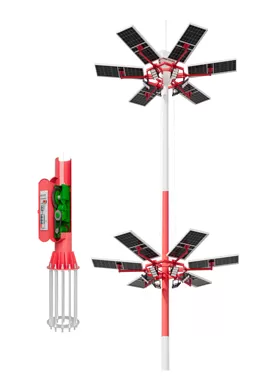
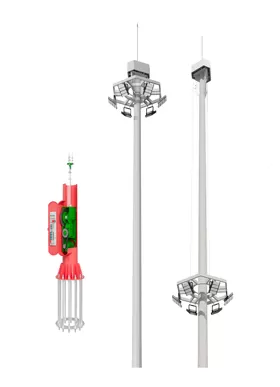
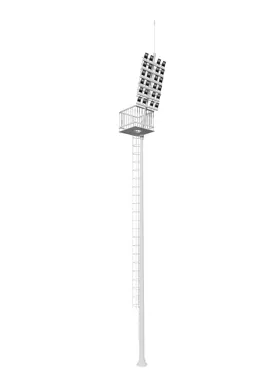
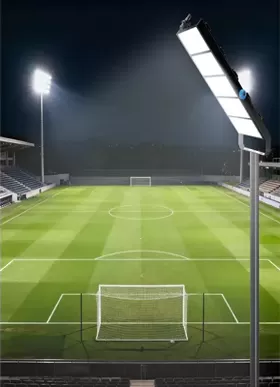
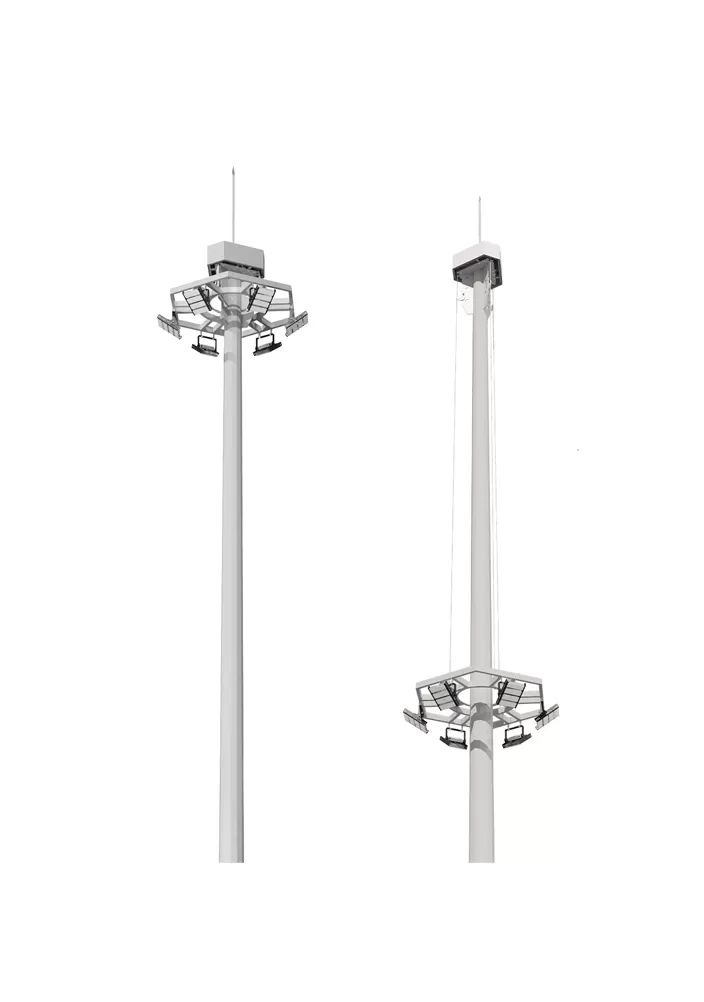
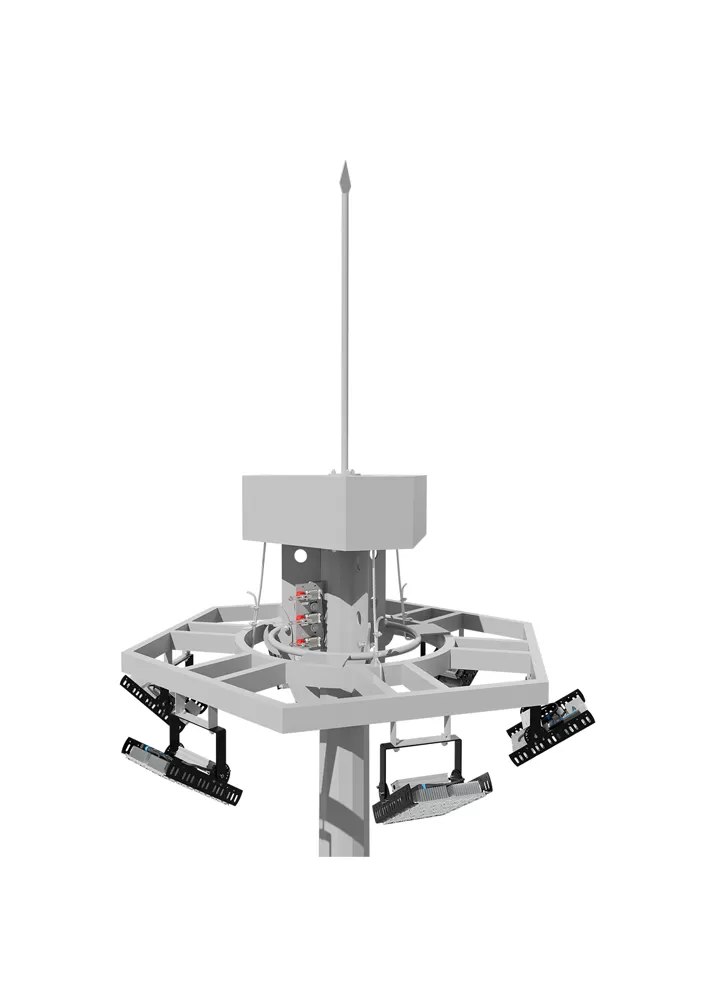
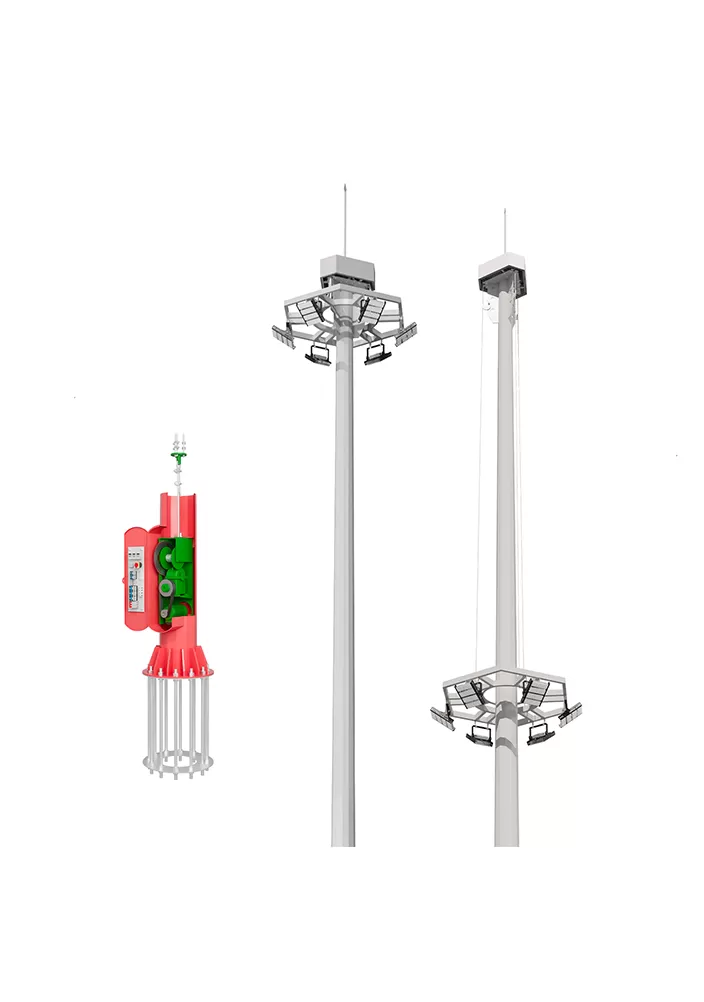
City squares, stadiums, and convention centers. Regular maintenance is necessary for high mast lighting; a lifting system makes it possible to lower the lights to the ground for maintenance, doing away with the need for overhead equipment.
2. Transit hubs
Airport terminals, high-speed rail station plazas, and massive port terminals. Lighting cannot be interrupted; the lifting design enables quick replacement and maintenance of lights.
3. Logistics and industrial locations
Open-pit mines, container yards, and big industrial parks. A lifting system lowers maintenance costs and safety hazards because the environment is complicated and high mast lighting is widely installed.
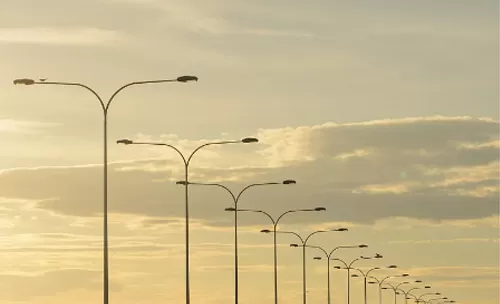
4. Local and unique regions
major urban road intersections, high-grade highway service areas, and cross-river bridges. When maintenance is challenging and high mast lighting is present, a lifting system is appropriate.