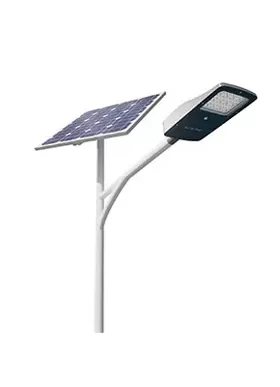
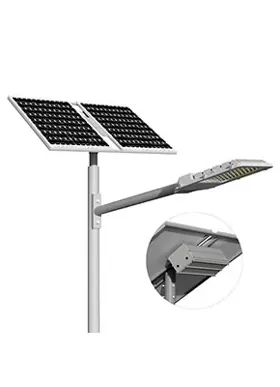
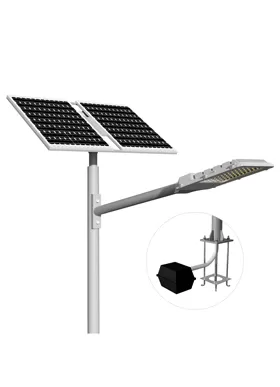
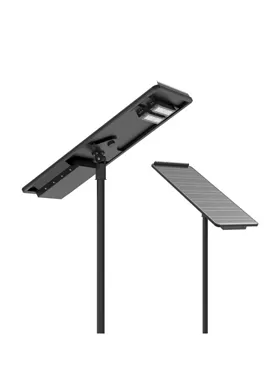
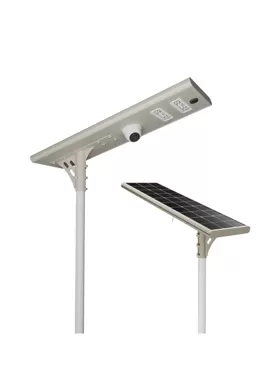
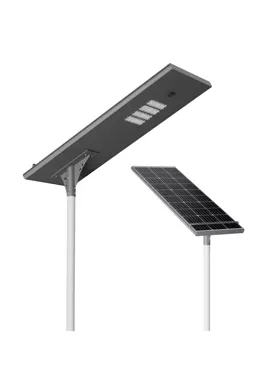
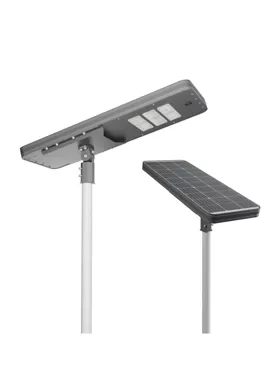
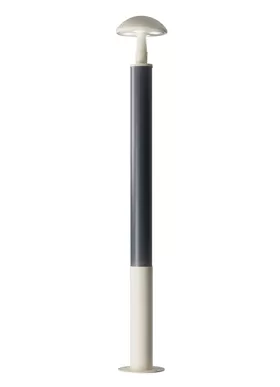
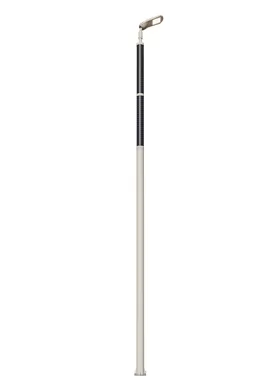
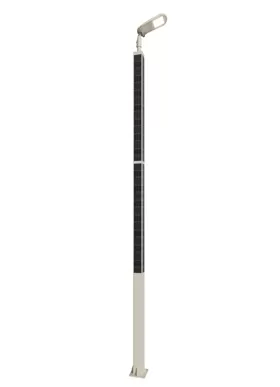
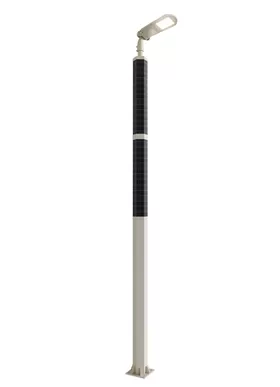
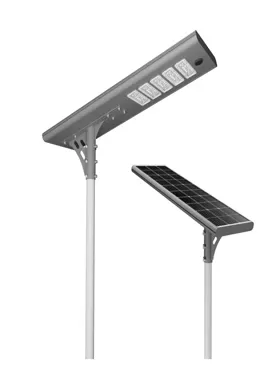
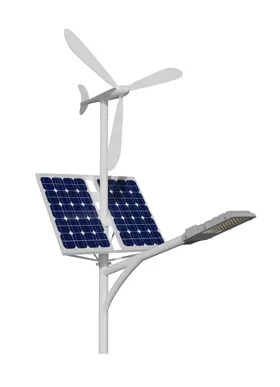
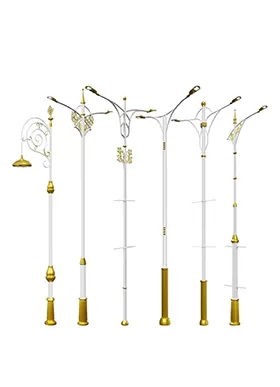
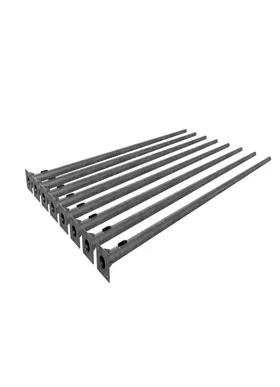
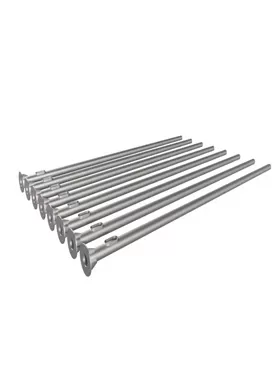
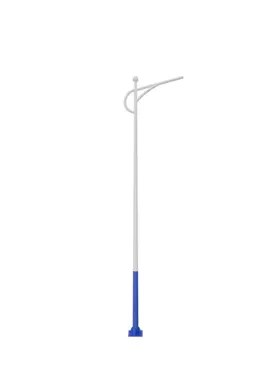
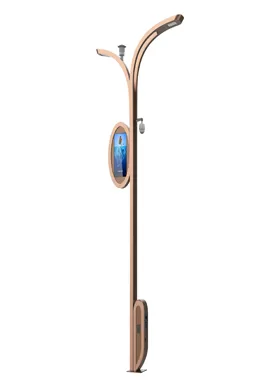
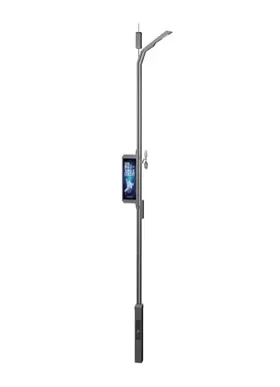
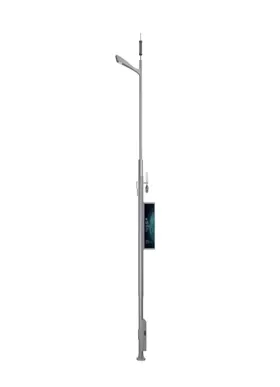
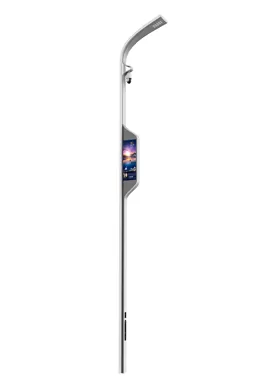
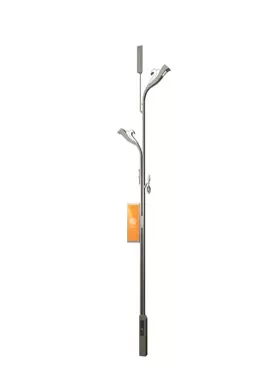
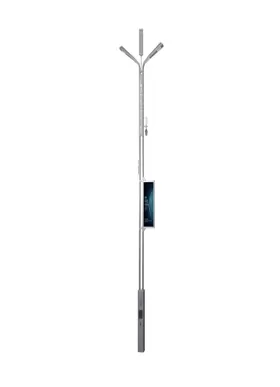
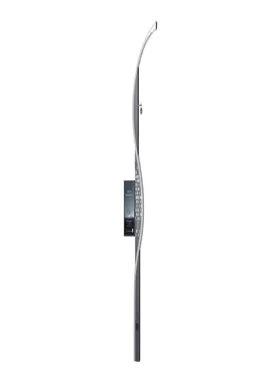
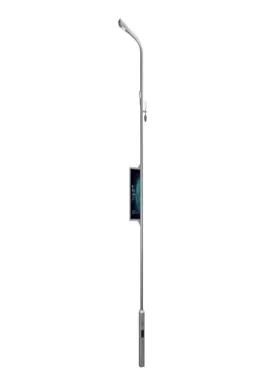
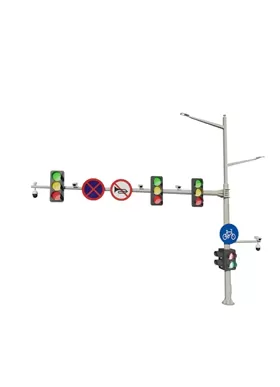
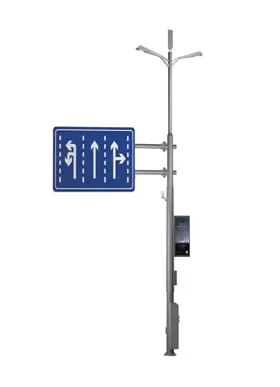
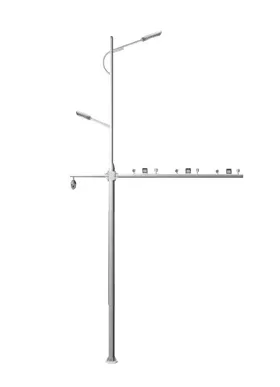
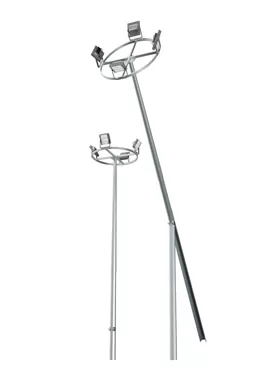
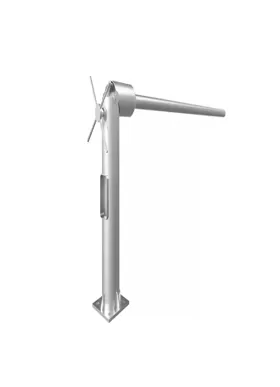
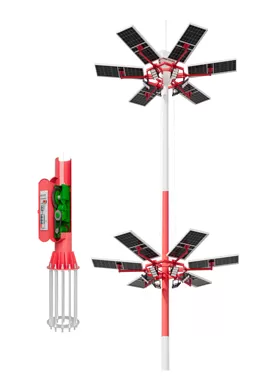
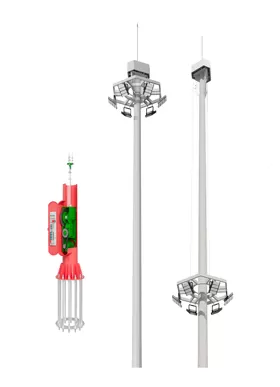
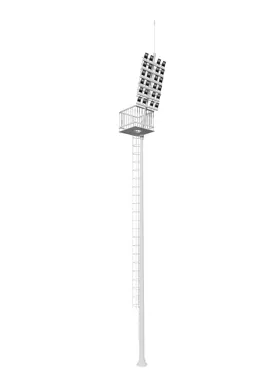
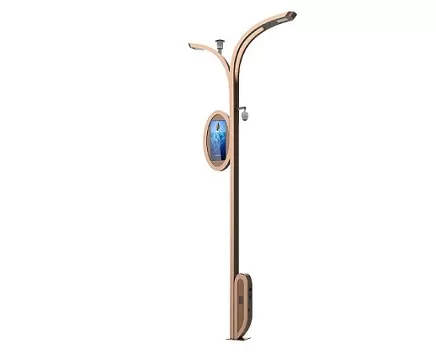
The pole's two sections, connected by hinges, buckles, or locking mechanisms, allow for folding. Once the folding mechanism is unlocked, the pole can be bent along the hinge axis. Multiple sections can be stacked and stored, significantly reducing the pole's size. When unfolded for use, each section of the rod is stretched to the preset length, and the locking mechanism automatically or manually fixes it to ensure that the rod is vertical and stable and can withstand the weight of the lamp and external forces. The overall mechanical locking and unlocking system balances portability and reliability to satisfy the demands of mobile and transient applications.

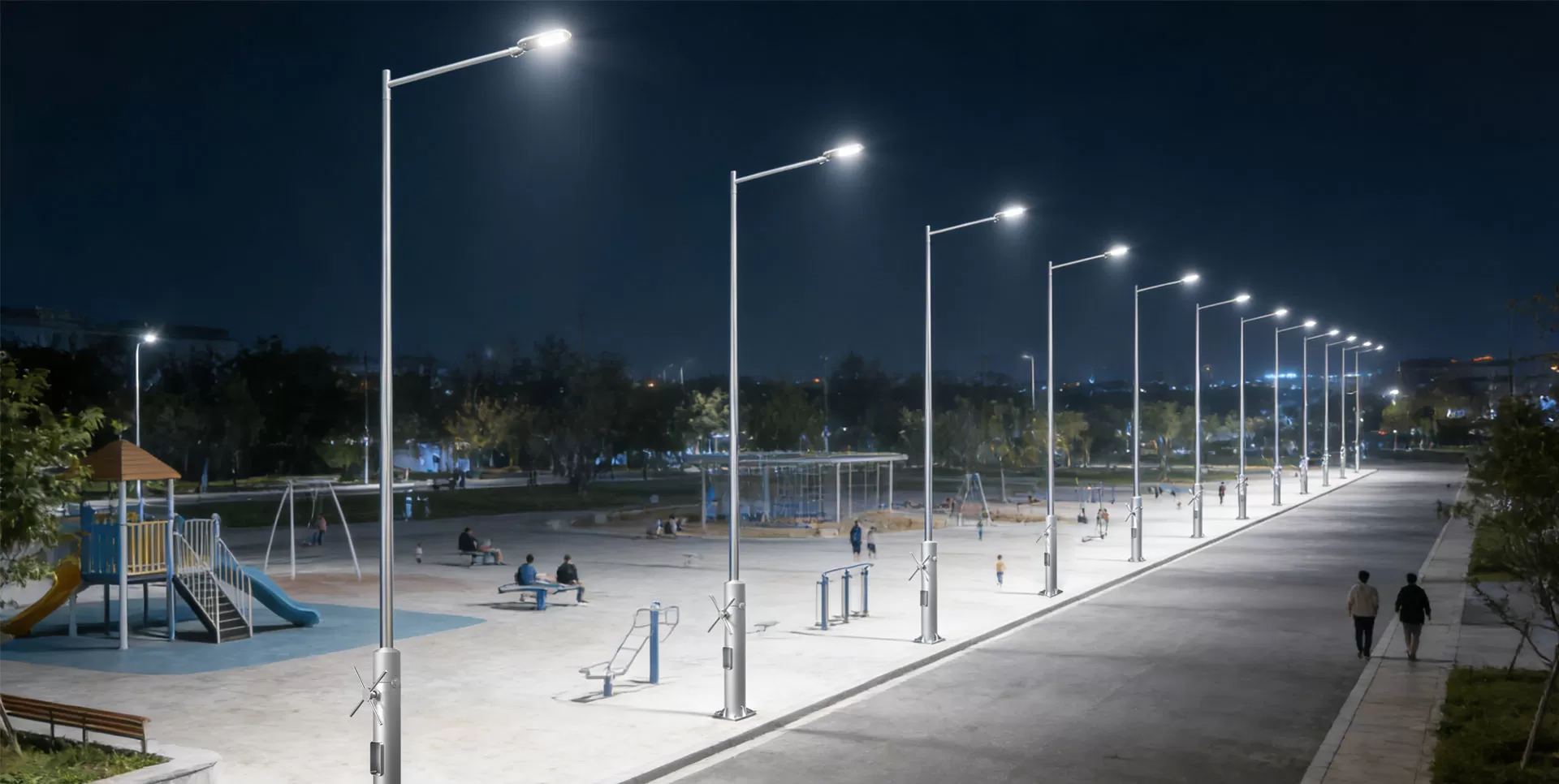
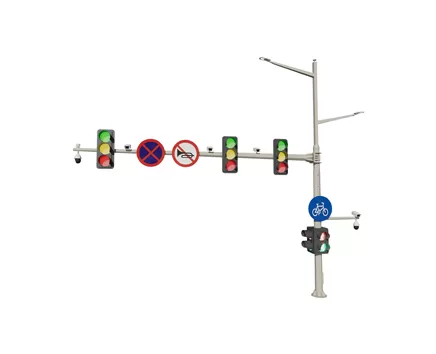
Portions of municipal roads, such as streets, bridges, tunnel entrances, and areas with height restrictions, where lighting cannot be interrupted. Because of their foldable design, the lights are easily maintained.
Industrial and special operation areas with complex environments that make it difficult to access large climbing equipment include mines, ports, and construction sites. Foldable light poles are suitable in such circumstances.
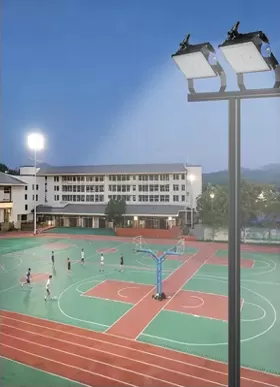
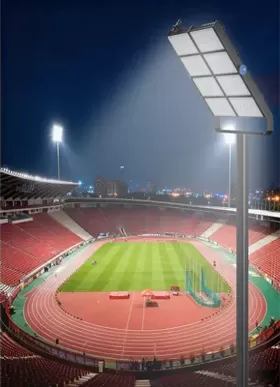
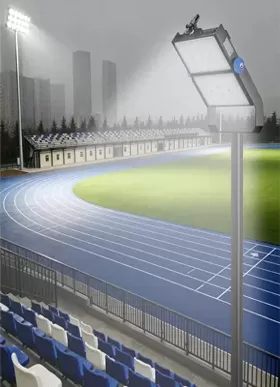
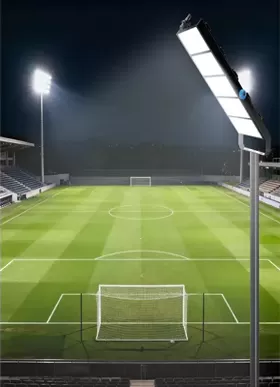
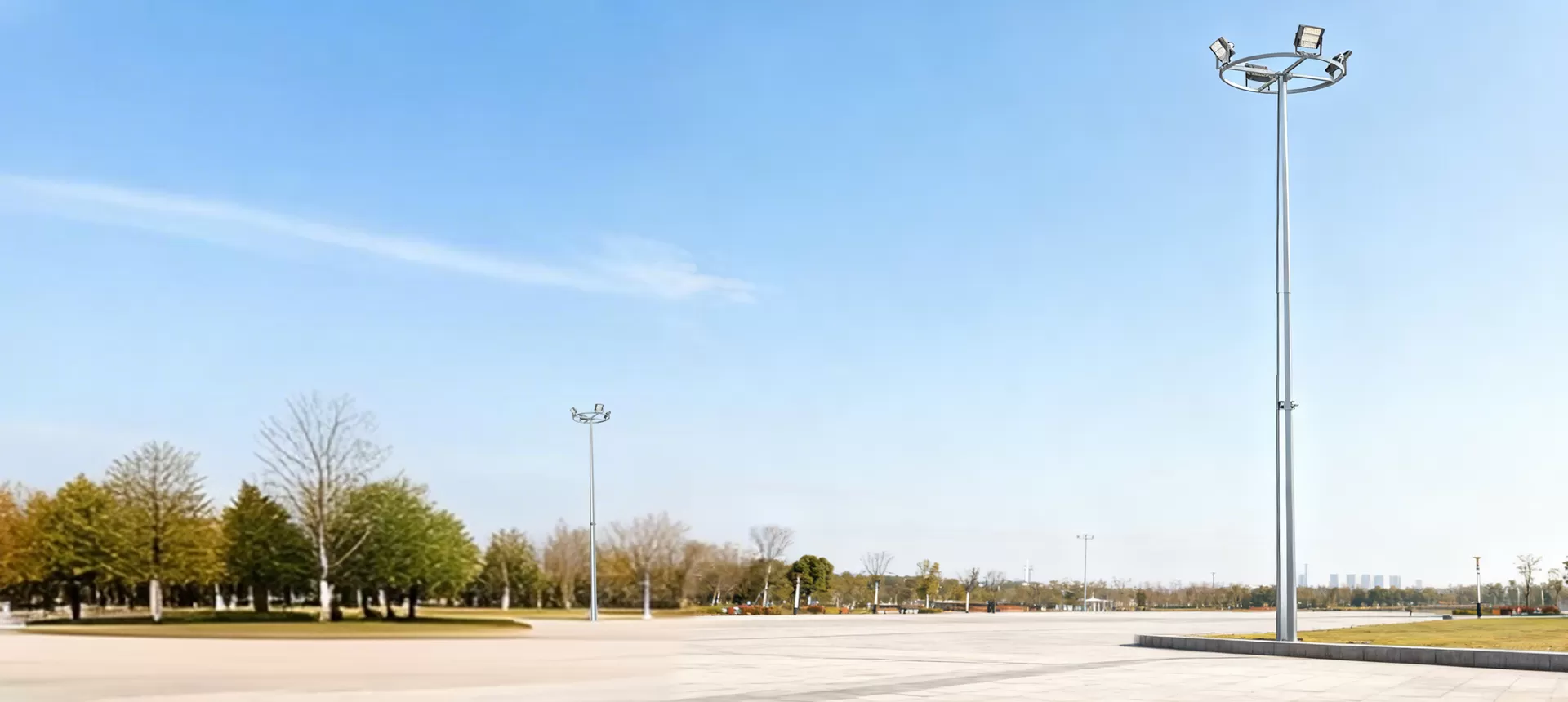
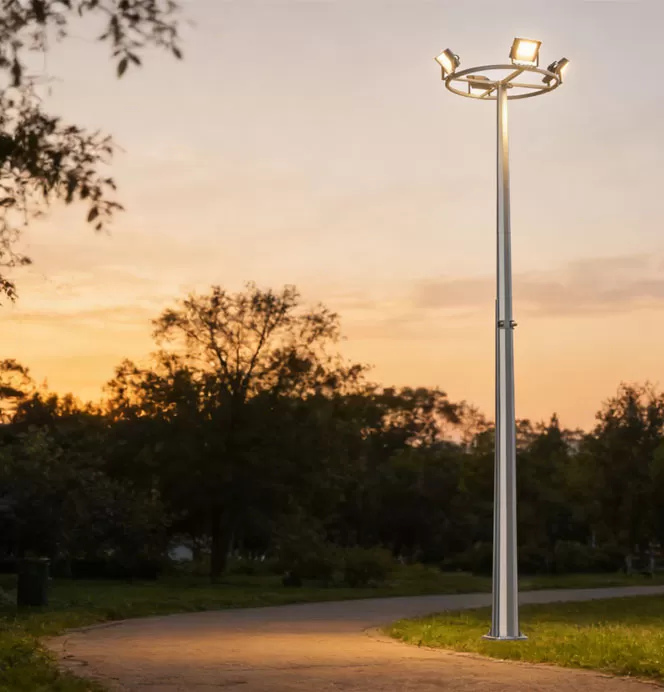
Outdoor public areas that need constant lighting include stadiums, parks, and big parking lots. Foldable light poles lower maintenance costs and hazards.
In remote or inaccessible areas, transporting climbing equipment can be difficult. Foldable light poles can significantly increase the efficiency with which lighting equipment is maintained.