
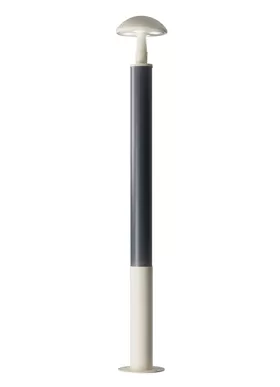
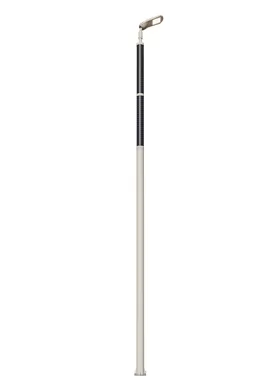
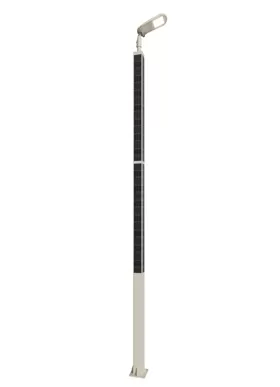
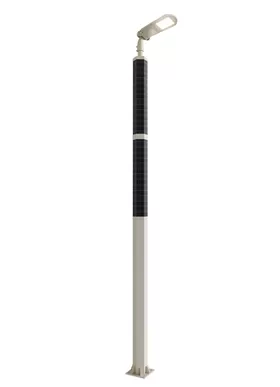
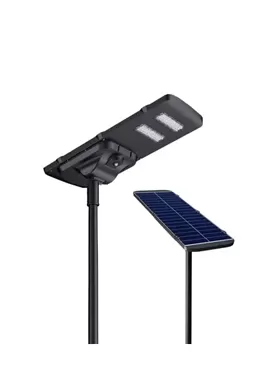
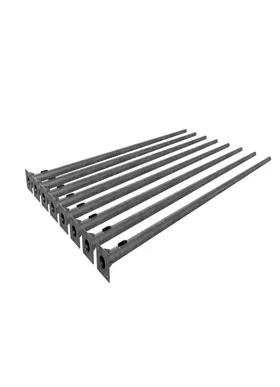
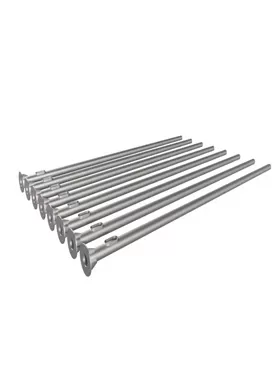
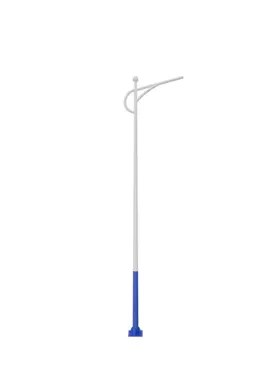
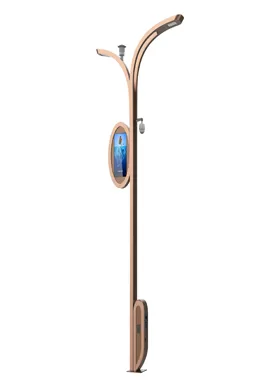
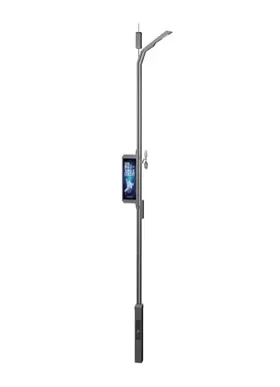
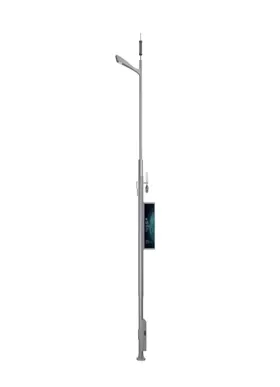
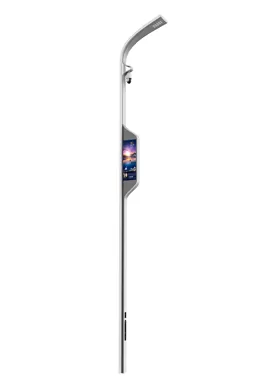
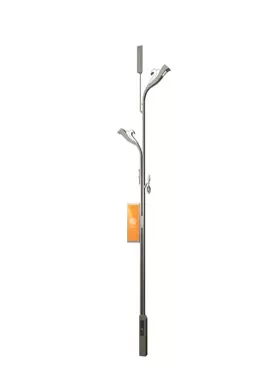
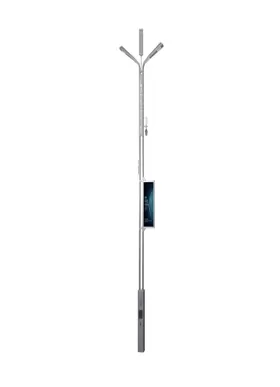
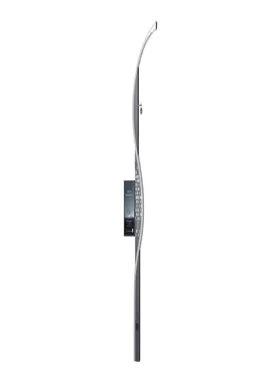
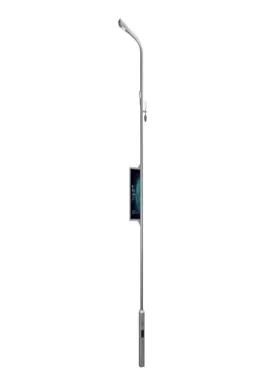
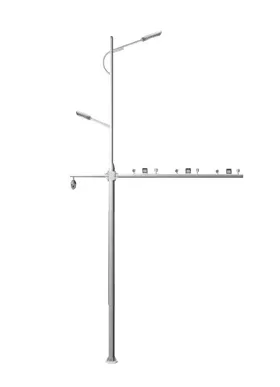
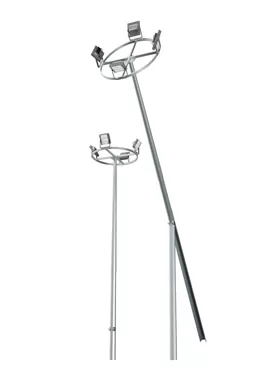
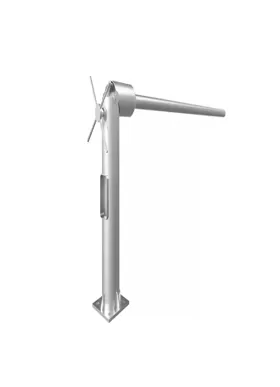
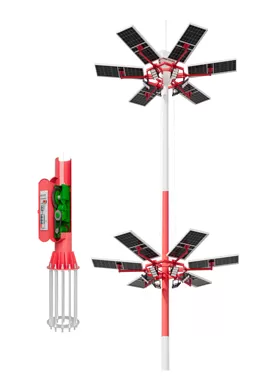
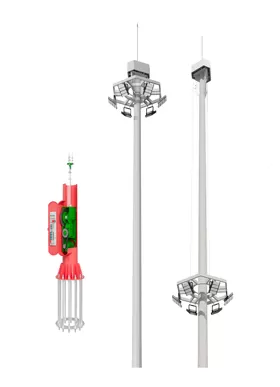
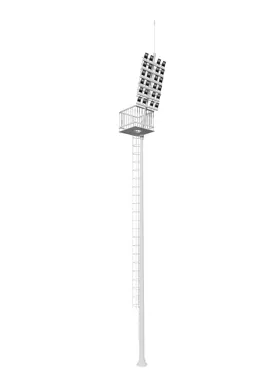




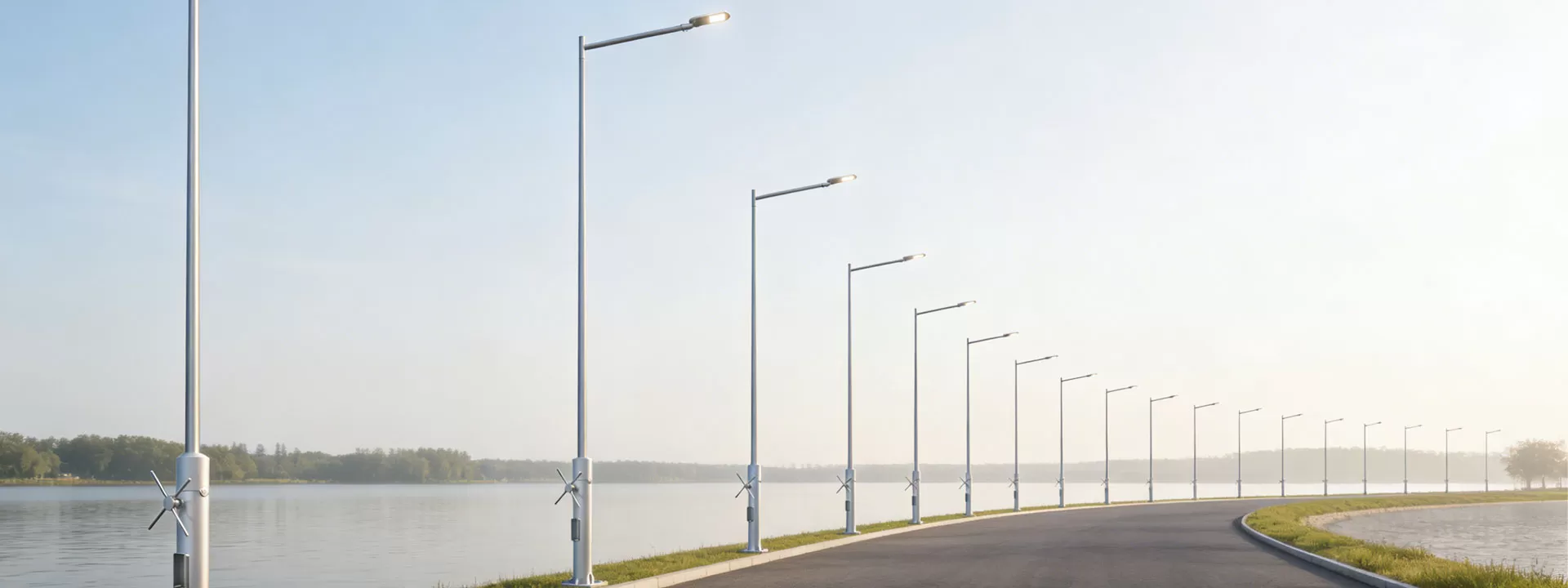






Compared to standard straight poles, the conical design progressively thickens from top to bottom, producing a more stable center of gravity and superior wind and overturning resistance.
The conical shape eliminates unnecessary material at the top while preserving strength thanks to its gradual thickening from top to bottom. When combined with a folding, segmented design, it reduces overall weight and production costs by saving more manufacturing materials than poles with uniform thickness.
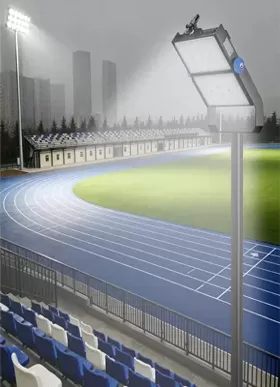
When folded, the sleek, straightforward conical lines produce a tidy, uncluttered appearance that makes it appropriate for a variety of settings, including sporting events and municipal projects.
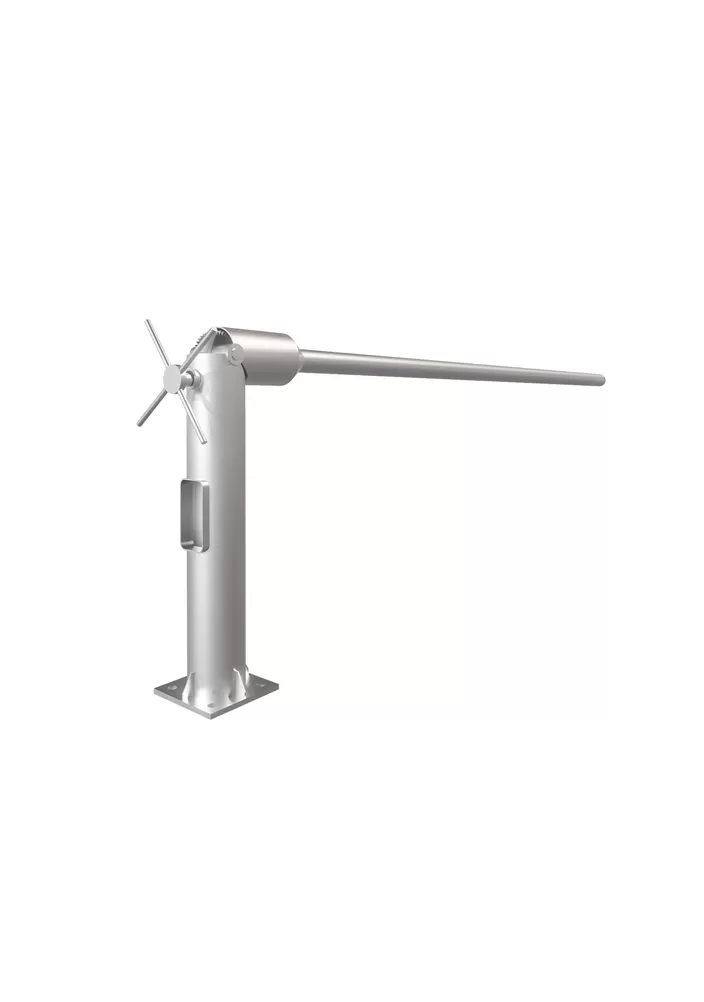
Make sure the pole is not tilted and is perpendicular to the ground when unfolding. Take out all heavy equipment before folding and storing. To avoid breaking the joint clips or deforming the tapered pole joints, avoid forcing folding with heavy loads.
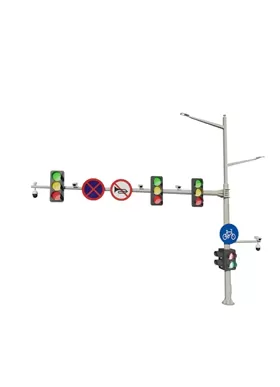
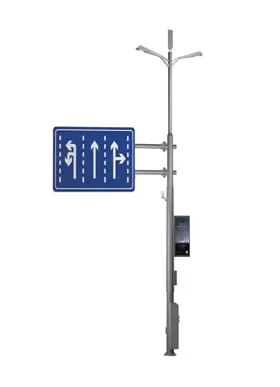
To avoid the wiring being squeezed or worn by the tapered joints during folding, periodically check the sealing of the conduit connections if the pole has wiring for monitoring, lighting, or other equipment.
Check the sensitivity of the locking lever and button on a regular basis. Apply a tiny bit of silicone-based lubricant (avoid oil and dust) if there is sticking or poor rebound to prevent locking failure and unanticipated pole extension or retraction.
Clean the mud, sand, and cement slurry from the pole surface as soon as possible after using it in muddy areas, construction sites, or similar settings.